← Back to Blog
Market Trends
Martinsburg, West Virginia Real Estate Market Guide: Prices, Neighborhoods and Timing for 2026 Buyers and Sellers
By Sunny Singh
September 17, 2026 · 11 min read
This Martinsburg, West Virginia real estate market guide covers everything buyers and sellers need to know right now: what homes are actually selling for, how different parts of the city compare in terms of price and housing stock, and which windows in the calendar tend to favor each side of the transaction. Whether you are relocating from Northern Virginia, upsizing within Berkeley County, or preparing to list a property you have owned for years, the details in this guide will help you move forward with a clearer picture of the market.
1. What the Martinsburg Market Looks Like Right Now
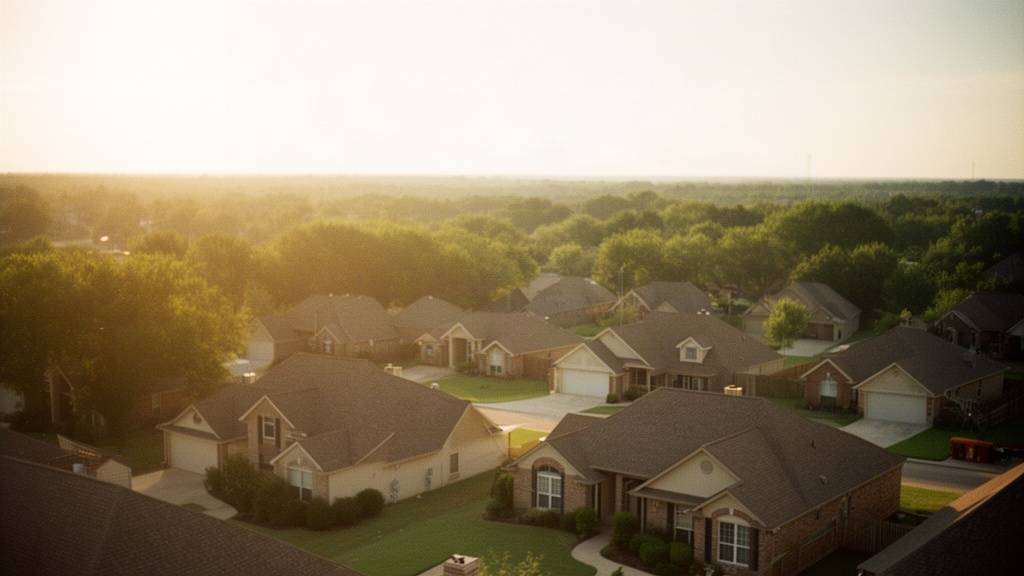
Martinsburg is an active, competitive market in September 2026. Inventory remains tighter than it was before 2022, and homes that are priced correctly are still moving within weeks rather than months. That said, the pace has moderated compared to the frenzied conditions of 2021 and 2022, which means buyers have slightly more breathing room without losing the urgency that defined those years.
Median Prices and Volume
As of September 2026, the median sale price for a single-family home in Martinsburg sits in the low-to-mid $300,000s, with entry-level townhomes and older ranchers starting in the high $100,000s and larger newer construction homes pushing into the $400,000s and above. The market has seen steady year-over-year appreciation, though the rate of increase has slowed from the double-digit spikes seen a few years ago. Condos and attached units, which are less common here than in urban markets, tend to trade in the $200,000 to $260,000 range depending on location and HOA structure.
Transaction volume in Berkeley County has held up well. According to a NAR Economists' Outlook report, home-purchase loans increased in nearly 80 percent of major metropolitan areas in 2025, a trend that carried forward into 2026 and is reflected in the continued buyer activity Martinsburg has seen this year.
How Martinsburg Compares to the Broader West Virginia Market
Martinsburg consistently trades at a premium relative to most of the rest of West Virginia, and the reason is straightforward: proximity to the Interstate 81 corridor and the MARC commuter rail line makes this one of the most accessible markets in the state for people who work in Maryland and the Washington metro area. While median prices in many West Virginia counties remain well below $200,000, Berkeley County commands significantly higher values because of that commuter demand. The trade-off buyers get is meaningful: a detached single-family home with a yard, at a price point that would not buy a condo in Loudoun County, Virginia.
For a broader look at how statewide trends are shaping the Martinsburg market, the West Virginia Real Estate Market 2026 Seller's Guide offers useful context on appreciation rates, inventory levels, and what sellers across the state are navigating this year.
2. A Neighborhood-by-Neighborhood Price Breakdown
Martinsburg is not a single, uniform market. Prices, lot sizes, architectural styles, and the age of the housing stock vary considerably depending on which part of the city or surrounding area you are looking at. Understanding those differences helps both buyers set realistic expectations and sellers price accurately from the start.
Downtown and the Historic Core
The area around Queen Street, King Street, and the blocks radiating out from downtown Martinsburg contains some of the oldest housing stock in Berkeley County. You will find Victorian-era and early 20th-century single-family homes, many of them brick, with deep front porches, original hardwood floors, and lots that are smaller than what newer subdivisions offer. Prices in the downtown core range widely, from homes in the $150,000s that need significant updating to fully renovated properties pushing $350,000 or more. The B&O Railroad Museum and the historic district add a walkable, character-rich feel to the area that newer construction simply cannot replicate.
Buyers drawn to older architecture should budget carefully for maintenance. Homes built before 1978 may have lead paint considerations, and older plumbing or electrical systems can add to the cost of ownership in ways that newer builds do not. A thorough inspection is especially important in this part of Martinsburg.
Spring Mills and the Eastern Corridor
The Spring Mills area, stretching east toward Inwood along Martinsburg Pike and Hammonds Mill Road, is one of the most active parts of the Martinsburg market. Subdivisions here are predominantly built between the early 2000s and today, featuring colonial and craftsman-style homes on lots ranging from a quarter acre to just under half an acre. Median prices in Spring Mills run from the mid-$200,000s for older townhomes to the mid-$400,000s for larger single-family homes in newer phases of development. The area has its own retail corridor along Tavern Road, including grocery stores, restaurants, and everyday services, which reduces the need to drive into central Martinsburg for errands.
For a detailed breakdown of prices and current conditions in this specific corridor, the Spring Mills area real estate market guide on this site covers the submarket in depth.
Foxcroft Town Centre Area
The corridor near Foxcroft Town Centre, Martinsburg's primary regional retail hub, has seen consistent residential development over the past decade. Neighborhoods in this zone offer a mix of townhomes, single-family homes, and some newer construction with modern floor plans and open layouts. Prices here generally fall in the $250,000 to $420,000 range. Proximity to Foxcroft Avenue, with its box retailers, restaurants, and the Eastern Panhandle's largest concentration of commercial services, is a draw for buyers who prioritize convenience.
The Foxcroft Town Centre corridor real estate market guide on this site goes deeper into specific streets, price trends, and what buyers are competing for in that part of Martinsburg right now.
Older Established Subdivisions and Rural Parcels
Beyond the newer growth corridors, Berkeley County has a significant inventory of homes built in the 1970s, 1980s, and 1990s in established subdivisions scattered throughout the county. These ranchers, split-levels, and two-story colonials typically sit on larger lots than newer construction and often sell in the $200,000 to $320,000 range, depending on condition and updates. Rural parcels with acreage, particularly west of Martinsburg toward Hedgesville and north toward Falling Waters, can vary dramatically in price based on road access, well and septic condition, and lot size. Buyers considering those properties should plan for additional due diligence time.
3. What Is Driving Demand in Martinsburg
Martinsburg's demand is not random. Two structural factors have sustained buyer interest here through multiple rate cycles and national market shifts: the commuter pipeline from the Washington, D.C. metro area, and a new-construction pipeline that continues to add homes but has not kept pace with demand.
The Washington, D.C. Commuter Effect
Martinsburg sits roughly 75 miles from Washington, D.C., and the MARC Brunswick Line offers direct rail service from Martinsburg station into Washington Union Station. That connection has made Martinsburg one of the most affordable entry points into the D.C. commuter shed. A buyer who cannot afford Northern Virginia or suburban Maryland can purchase a four-bedroom home in Martinsburg for less than $400,000 and still reach downtown Washington by train in under two hours. As hybrid work schedules have normalized three or four days of remote work per week, the commute calculus has shifted further in Martinsburg's favor.
Buyers relocating from out of state often find the transition to Martinsburg more straightforward than expected. The guide on relocating to Martinsburg from out of state covers the practical questions that come up most often for people making that move.
New Construction and Inventory Pressure
Builders have been active in Berkeley County for years, and new phases continue to open in Spring Mills, along the Route 9 corridor, and in areas north of Martinsburg toward Falling Waters. Despite that activity, resale inventory has remained lean. Many homeowners who locked in low rates between 2020 and 2022 have been reluctant to sell and take on a higher rate on a new purchase, a dynamic sometimes called rate lock. That has kept the number of available resale homes below what a balanced market would look like, which continues to support prices even as the pace of appreciation has cooled.
New construction comes with its own set of considerations around HOA fees, builder contracts, and lot premiums. The article on HOA fees and rules in newer Martinsburg subdivisions breaks down what buyers should expect before signing a contract with a builder.
4. Timing the Market: When to Buy and When to Sell
Timing matters in Martinsburg, though not in the way most people expect. The difference between a spring listing and a November listing is not just cosmetic: it affects how many buyers see the home, how quickly offers come in, and in some cases, the final sale price. For buyers, the calendar creates real windows of reduced competition that are worth understanding.
Spring and Early Summer for Sellers
March through June is consistently the most active selling window in Martinsburg. Buyer activity picks up as the school year winds toward its end and families want to be settled before fall. Listings that hit the market in late March or April tend to see the most showings, the highest offer counts, and the strongest sale-to-list price ratios. Homes with good curb appeal benefit especially from spring light and green landscaping, which photograph better and draw more online clicks before buyers ever schedule a tour.
Sellers who are not ready by April should consider waiting until late August rather than listing in July, when buyer activity dips as families are in vacation mode. A late-August or early-September listing can catch buyers who missed out in spring and are now motivated to close before the holidays. Right now in September 2026, that window is open, and well-priced homes are still finding buyers within reasonable timeframes.
Fall and Winter Opportunities for Buyers
October through February is when buyer competition in Martinsburg thins out the most. Fewer offers on any given home means buyers have more room to negotiate on price, request repairs after inspection, and ask for seller-paid closing cost contributions. Sellers who list in this window are often more motivated, which creates additional leverage for buyers who are ready to act. The trade-off is a smaller inventory to choose from, since fewer homes come to market in the colder months.
What Days on Market Tell You Right Now
In September 2026, correctly priced homes in Martinsburg are selling in roughly two to four weeks. Homes that sit beyond 45 days are almost always overpriced relative to what the market will bear, and they tend to require a price reduction before they find a buyer. Days on market is one of the most honest signals the Martinsburg market gives you: a short DOM means supply is tight and buyers are engaged; a rising DOM in a specific price range or neighborhood signals that pricing expectations have gotten ahead of what buyers are willing to pay.
5. What Buyers and Sellers Should Know Before They Act
The Martinsburg, West Virginia real estate market guide is only useful if it translates into concrete decisions. Here is what the current conditions mean practically for each side of the transaction.
For Buyers: Budget, Competition and Financing
Get pre-approved before you tour a single home. In a market where well-priced homes can receive multiple offers within days, showing up without a pre-approval letter is a serious disadvantage. Lenders active in the Berkeley County market include local community banks, credit unions, and national lenders, and the terms can vary enough to make it worth comparing at least two or three options.
Budget for more than the purchase price. Closing costs in West Virginia typically run between two and four percent of the loan amount, and buyers should also account for a home inspection, any immediate repairs, and moving costs. West Virginia has a relatively low property tax rate compared to neighboring states, which helps with long-term affordability even if the purchase price stretches the budget.
First-time buyers in Martinsburg have access to several assistance programs through the West Virginia Housing Development Fund. The full breakdown of what is available and how the process works in 2026 is covered in the Martinsburg first-time home buyer market guide on this site.
For Sellers: Pricing Discipline and Preparation
Overpricing is the single most common mistake sellers make in Martinsburg right now. The market is active, but buyers are not ignoring comparable sales the way they might have in 2021. A home listed ten percent above what the data supports will sit, accumulate days on market, and eventually sell for less than it would have if it had been priced correctly from day one. Buyers notice price reductions and often interpret them as a signal to negotiate harder.
Preparation matters as much as pricing. Homes that are clean, decluttered, and professionally photographed consistently outperform comparable listings that are not. In a market where buyers are often browsing Zillow and Realtor.com from Northern Virginia or Maryland before they ever visit in person, the first impression is a photo on a screen. Spending a weekend on deep cleaning and a few hundred dollars on professional photos is one of the highest-return investments a seller can make.
For a detailed walkthrough of what the selling process looks like from start to finish in Martinsburg, the guide to selling a home in Martinsburg covers pricing strategy, timeline, and what to expect at each stage.
FAQ
What is the current median home price in Martinsburg, West Virginia?
As of September 2026, the median sale price for a single-family home in Martinsburg is in the low-to-mid $300,000s. Entry-level townhomes and older ranchers can be found starting in the high $100,000s, while newer construction homes in subdivisions like Spring Mills are pushing into the $400,000s. Prices vary significantly by neighborhood, age of the home, and condition, so the median is a useful starting point but not a substitute for looking at specific comparable sales in the area you are targeting. A local agent can pull precise comps for any street or subdivision.
Is it a buyer's market or a seller's market in Martinsburg right now?
Martinsburg in September 2026 leans toward a seller's market in most price ranges, though the conditions are more balanced than they were in 2021 and 2022. Inventory remains below what a fully balanced market would look like, correctly priced homes are moving in two to four weeks, and multiple-offer situations are still common on well-prepared listings. Buyers have slightly more negotiating room than they did a few years ago, particularly on homes that have been sitting for more than 30 days. The market is not as one-sided as it once was, but sellers who price accurately still hold the advantage.
What time of year is best to buy or sell a home in Martinsburg, WV?
For sellers, March through June is consistently the strongest window in Martinsburg, with the most buyer activity, the highest offer counts, and the best sale-to-list price ratios. Late August and early September can also be productive for sellers targeting buyers who missed out in spring. For buyers, October through February offers reduced competition, more room to negotiate, and a higher likelihood of seller concessions on closing costs or repairs. The best time to act ultimately depends on your personal circumstances, but understanding the seasonal rhythm helps you set realistic expectations for how quickly you will find a home or receive an offer.