

← Back to Blog
Neighborhoods
Niagara Falls, Canada Knows the Chippawa Area Best: Real Estate Market Guide, Prices, Neighborhoods and Timing
By Surinder Singh
THe canadian home
September 14, 2026 · 12 min read
If you are buying, selling, or relocating and want to understand the Chippawa area of Niagara Falls, Canada, this guide covers what the market actually looks like right now: median prices in September 2026, the types of homes available, how long properties sit before selling, and the seasonal timing patterns that shape every transaction in this corner of the city.
1. What Makes Chippawa a Distinct Real Estate Market Within Niagara Falls
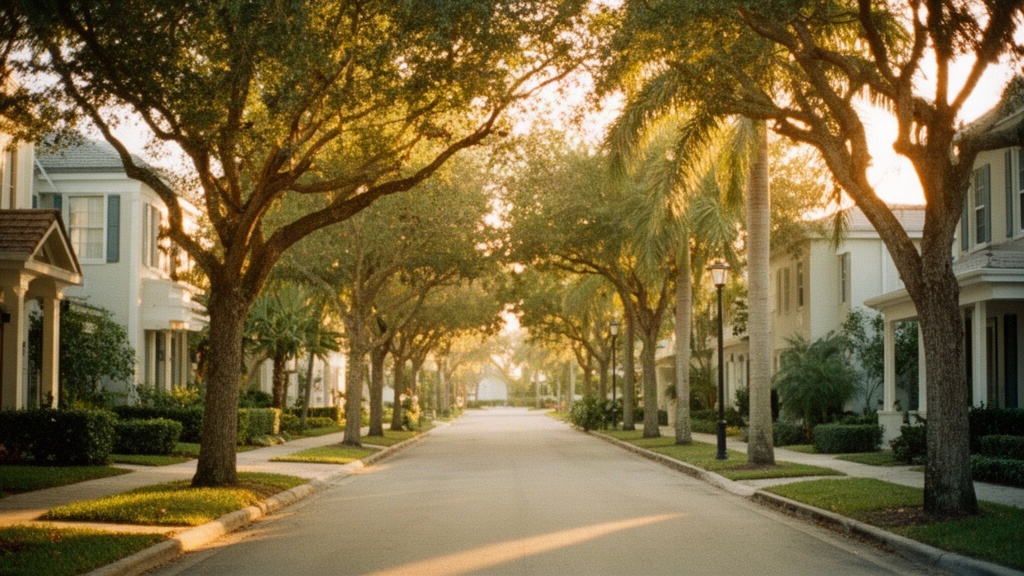
Chippawa sits at the southern end of Niagara Falls, Ontario, roughly 10 kilometres from the tourist core near the falls themselves. That distance is not just physical; it shapes the entire character of the real estate market here. Chippawa operates more like a small river town than a busy urban neighbourhood, and the properties reflect that. You find larger lots, older village-era homes, newer infill builds, and stretches of rural land that do not exist anywhere else within the Niagara Falls city limits.
Geography and Physical Character
The Welland River runs directly through the Chippawa community before joining the Niagara River. This gives the area a waterfront dimension that most Niagara Falls neighbourhoods simply do not have. The Niagara Parkway runs along the eastern edge, connecting Chippawa to the broader Niagara Parks system, including Dufferin Islands Nature Area and the short drive north toward the brink of the falls. Chippawa also borders agricultural land to the west and south, which means the transition from residential streets to open countryside happens within a few blocks in some spots.
Housing Stock and Lot Sizes
The housing mix in Chippawa is genuinely varied. You will find century homes and older bungalows in the village core, some dating to the early 1900s, with deep lots that back onto quiet streets or the river. Moving outward, there are post-war detached homes on 50-foot to 66-foot lots, and more recent two-storey builds on streets like Willoughby Drive and Sodom Road that were developed over the past two decades. At the rural end of the spectrum, the Chippawa and rural classification used by the Niagara Association of REALTORS includes estate-sized parcels of one acre or more, sometimes with outbuildings or hobby farm setups.
For a closer look at how the local market data is tracked and reported, the Chippawa / Rural housing market report on Wahi breaks down recent sales activity and price trends specific to this sub-market within Niagara Falls. It is a useful starting point for anyone tracking sold data before making an offer or setting a list price.
2. Chippawa Area Home Prices in September 2026
Home prices in the Chippawa area currently sit below the city-wide median for Niagara Falls, which makes this pocket one of the more accessible entry points into the market for buyers who want space and a quieter setting without leaving city limits. Prices vary significantly by property type, lot size, and proximity to the river.
Current Median and Price Range
As of September 2026, detached homes in the Chippawa and rural sub-market are generally trading in the range of $580,000 to $850,000 depending on condition, lot size, and whether the property has rural acreage attached. Smaller bungalows in the village core, particularly those needing updates, have sold closer to the $530,000 to $620,000 range. Larger estate properties or homes with Niagara Parkway frontage and river views push well above $900,000 and in some cases exceed $1.1 million. Semi-detached and townhome product in the newer subdivisions near the Willoughby Drive corridor typically falls between $540,000 and $680,000.
How Chippawa Prices Compare to the Broader Niagara Falls Market
The city-wide median for detached homes in Niagara Falls, Ontario currently sits in the low-to-mid $600,000s as of September 2026. Chippawa's pricing is broadly in line with that figure for standard village-core detached homes, but the sub-market's rural and estate segment gives buyers options at both ends of the spectrum that are harder to find elsewhere in the city. You can read a broader breakdown of city-wide pricing in the Niagara Falls, Ontario real estate market guide published on this site.
Price-per-square-foot in Chippawa tends to run slightly lower than in central Niagara Falls neighbourhoods like Stamford or the area around Lundy's Lane, largely because buyers are paying for land and setting rather than walkability or proximity to commercial corridors. That trade-off is worth understanding before you start comparing listings across different parts of the city.
3. The Neighbourhoods and Pockets Within the Chippawa Area
The Chippawa area is not a single uniform neighbourhood. It contains several distinct pockets, each with its own housing character, price point, and relationship to the surrounding landscape. Understanding these distinctions helps buyers focus their search and helps sellers position their property accurately.
Chippawa Village Core
The original village sits along Cummington Square and the streets immediately surrounding it. This is where you find the oldest residential stock in the area: two-storey century homes, brick bungalows, and a handful of converted properties that reflect Chippawa's history as an independent village before its amalgamation into Niagara Falls. Lot sizes here are typically 40 to 66 feet wide, with depths ranging from 100 to 150 feet. The Welland River is a short walk from most addresses in the core, and the small commercial strip along Cummington Square provides a coffee shop, a few local businesses, and the Chippawa Lions Community Centre.
Homes in the village core that have been renovated and updated tend to attract strong buyer interest because the lot sizes and architectural character are hard to replicate in newer subdivisions. Unrenovated homes in this pocket often represent the lowest entry price point in the Chippawa market and attract buyers willing to do work.
Rural and Estate Properties Along the Niagara Parkway
The Niagara Parkway corridor south of the falls is one of the most scenically distinctive stretches of road in the entire region. Properties with Parkway frontage or backing onto the Niagara River enjoy views and settings that are genuinely rare. These homes tend to be larger, sitting on half-acre to multi-acre lots, and they change hands infrequently. When they do sell, prices reflect the scarcity of the location. Buyers interested in this segment should expect limited inventory at any given time and should be prepared to move quickly when a property becomes available.
Further west, away from the Parkway, the rural classification includes working agricultural land, hobby farms, and estate homes on large parcels. These properties require a different kind of due diligence: well and septic systems, rural zoning considerations, and sometimes Environmental Protection Act setbacks near watercourses all come into play. Buyers considering this segment should budget for a thorough home inspection and, in some cases, a survey update.
Newer Residential Streets Near Willoughby Drive
Over the past 15 to 20 years, residential development pushed into the area north and west of the village core, particularly along and off Willoughby Drive. These streets contain two-storey detached homes and some townhome product built between roughly 2005 and 2020, with attached garages, open-concept layouts, and lot sizes typically in the 40-to-50-foot range. These homes appeal to buyers who want newer mechanical systems and modern floor plans while still being within the Chippawa postal area. Prices here sit in the mid-range of the Chippawa market, generally between $580,000 and $720,000 for detached product in September 2026.
If you are also researching what new development is happening across the broader city, the article on new residential developments and subdivisions in Niagara Falls Ontario in 2026 covers growth patterns across all neighbourhoods, including areas adjacent to Chippawa.
4. Market Timing: When to Buy and When to Sell in Chippawa
Timing in the Chippawa market follows some of the same seasonal rhythms as the rest of Niagara Falls, but with a few wrinkles specific to this sub-market. Because inventory is lower here than in denser parts of the city, timing your move correctly matters more than it might in a neighbourhood where a dozen comparable homes are listed at any given time.
Seasonal Patterns in Chippawa
Spring, from late March through May, consistently produces the highest volume of new listings in Chippawa. Sellers who list in this window benefit from the largest pool of active buyers and from the visual appeal of properties when landscaping and the Niagara River corridor are at their most attractive. Waterfront and Parkway properties in particular photograph well in spring and early summer, which translates into stronger online engagement.
Summer brings continued activity, though buyer urgency can soften slightly in July and August as people travel. September, which is where the market sits right now, tends to be a productive month: buyers who did not find what they wanted in spring return to the market, inventory is still available, and there is a sense of urgency before the slower winter period sets in. For sellers, listing in September 2026 puts your home in front of motivated buyers who want to close before year-end.
Winter listings in Chippawa are rare, and properties that sit through November and December without selling often see price reductions in January. Rural and estate properties are particularly affected by this pattern because they are harder to show and harder to photograph compellingly in winter conditions.
Days on Market and Inventory Levels Right Now
The Chippawa and rural sub-market is a lower-volume segment by nature. In any given month, active listings in this pocket might number anywhere from 8 to 20 properties across all price points and property types, compared to the hundreds of active listings across Niagara Falls as a whole. That thin inventory cuts both ways: sellers face less competition from comparable homes, but buyers have fewer options and cannot afford to wait long when a well-priced property appears.
As of September 2026, average days on market for detached homes in the Chippawa area is running in the range of 35 to 55 days, which is somewhat longer than the city-wide average for Niagara Falls. This reflects the more specific buyer profile for this sub-market rather than weak demand. Buyers who know exactly what they want in Chippawa tend to wait for the right property rather than settling, which means well-matched homes still move at a reasonable pace.
For context on how these timelines compare across the city, the article on how long it typically takes to sell a house in Niagara Falls Ontario in the current market gives a useful city-wide perspective.
5. What Buyers and Sellers Need to Know Before Transacting in Chippawa
Chippawa transactions come with a specific set of considerations that do not always apply in denser urban neighbourhoods. Knowing these in advance prevents surprises during due diligence and helps both buyers and sellers set realistic expectations.
Key Considerations for Buyers
Rural properties in the Chippawa area may be on well water and a septic system rather than municipal services. Before making an offer on any property outside the village core, confirm which services are connected. Well water requires a water quality test and a flow rate test; septic systems should be inspected and pumped as part of due diligence. These are not unusual steps, but buyers coming from urban neighbourhoods sometimes underestimate the time and cost involved.
Zoning is another area to review carefully. Some parcels in the rural classification carry agricultural zoning designations that restrict what can be built or how the property can be used. If you are buying land with the intention of adding a structure, or buying a property with a secondary suite or outbuilding, confirm the permitted uses with the City of Niagara Falls planning department before you firm up.
Flood plain and environmental protection overlays apply to some properties near the Welland River and the Niagara River. The Niagara Peninsula Conservation Authority (NPCA) regulates development within regulated areas, and any buyer considering renovations, additions, or site alterations near a watercourse should check NPCA mapping before finalizing their plans.
Key Considerations for Sellers
Pricing a Chippawa property accurately requires sold comparables that are genuinely comparable, and in a low-volume sub-market that is harder than it sounds. A bungalow on a 50-foot lot in the village core does not compare cleanly to an estate home on two acres along the Parkway, even if both are in the Chippawa postal area. Sellers who rely on broad city-wide averages to set their price often end up either leaving money on the table or sitting on the market longer than necessary.
Photography and presentation matter more in Chippawa than in many other parts of the city because the buyer pool for this sub-market includes people relocating from outside the region who are making decisions based heavily on online listings. Aerial photography that captures the river, the Parkway, or the lot size in context consistently improves engagement on Chippawa listings. For a fuller picture of what drives results when selling in Niagara Falls, the guide on selling a home in Niagara Falls, Canada covers pricing strategy, timeline, and preparation in detail.
Commute Times and Local Amenities
Chippawa is approximately 10 kilometres south of the Niagara Falls city centre via the Niagara Parkway or via Portage Road. The drive to downtown Niagara Falls takes roughly 12 to 18 minutes depending on traffic and route. To reach the QEW at Lyons Creek Road, the drive is approximately 10 minutes, putting Chippawa within a 25-to-30-minute commute of Welland and within roughly 45 minutes of St. Catharines. The Peace Bridge crossing into Buffalo, New York is approximately 30 minutes from Chippawa via the Parkway and Niagara Falls Boulevard.
Within the community itself, Chippawa has a small commercial area along Cummington Square with a convenience store, a restaurant, and the community centre. The Chippawa Creek Road area connects to Niagara Parks attractions including Dufferin Islands, a natural area with ponds and walking paths that draws visitors and residents year-round. For larger grocery shopping, hardware stores, and retail services, residents typically drive to the Dorchester Road commercial corridor or the Lundy's Lane area, both about 15 minutes away.
The broader Niagara housing market context is also worth understanding before zeroing in on Chippawa. The RE/MAX Canada Niagara housing market outlook provides regional perspective on supply, demand, and price direction across the Niagara area, which helps situate Chippawa within the larger picture.
For buyers who want to understand the day-to-day experience of living in this part of the city before committing to a purchase, the article on what it is actually like to live in the Chippawa neighbourhood of Niagara Falls Ontario day to day covers the practical realities of life in this community in detail.
FAQ
What is the typical home price in the Chippawa area of Niagara Falls, Canada right now?
As of September 2026, detached homes in the Chippawa and rural sub-market of Niagara Falls are generally trading between $580,000 and $850,000, with smaller or unrenovated village-core bungalows sometimes selling closer to $530,000 and Niagara Parkway estate properties exceeding $1 million. Townhomes and semi-detached homes in the newer Willoughby Drive corridor typically fall between $540,000 and $680,000. Prices vary significantly based on lot size, whether the property is on municipal services or well and septic, and proximity to the river. Getting a current comparative market analysis from an agent who knows this specific sub-market is the most reliable way to understand where a particular property sits within these ranges.
How is the Chippawa real estate market different from the rest of Niagara Falls, Ontario?
Chippawa is a lower-volume, more rural-influenced sub-market compared to the denser residential neighbourhoods in central and north Niagara Falls. Inventory at any given time is limited, often fewer than 20 active listings across all property types, which means buyers have fewer options but sellers face less direct competition. The housing stock ranges from century village homes to rural estate properties on acreage, a combination that does not exist in most other parts of the city. Due diligence requirements also differ: rural properties may involve well water, septic systems, agricultural zoning, and Niagara Peninsula Conservation Authority regulated areas near watercourses, all of which require specific inspection and review steps beyond a standard urban transaction.
When is the best time to list a home for sale in Chippawa, Niagara Falls?
Spring, from late March through May, consistently produces the most buyer activity in Chippawa, and properties listed in this window benefit from the largest pool of motivated buyers and from favourable conditions for photography and showings. September is also a productive month: buyers who did not find what they wanted in spring return to the market with urgency to close before year-end, and inventory is still available. Winter listings in Chippawa are less common and properties that do not sell before November often sit until the following spring, sometimes with price reductions along the way. Sellers with flexibility on timing generally achieve better results by targeting spring or the September-to-October window.