
← Back to Blog
Market Trends
What New Residential Developments and Subdivisions Are Being Built in Niagara Falls Ontario in 2026
By Surinder Singh
THe canadian home
September 12, 2026 · 10 min read
Niagara Falls Ontario is seeing a notable wave of new residential development in 2026, with subdivisions, townhouse communities, and condo projects expanding the city's housing supply across several distinct corridors. If you are wondering what new residential developments or subdivisions are being built in Niagara Falls Ontario in 2026, this guide covers the active projects, the neighbourhoods where growth is concentrated, what buyers can expect to pay, and how to approach a new-build purchase in this market.
1. Where New Development Is Concentrated in Niagara Falls in 2026
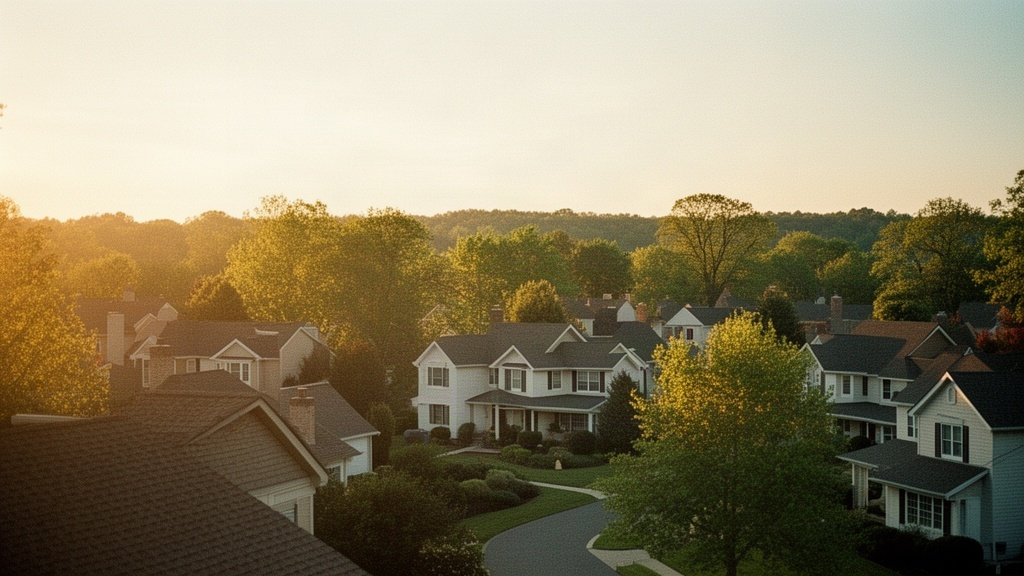
Growth in Niagara Falls is not spread evenly across the city. In 2026, the bulk of new residential development is happening along three main corridors: the south end near Garner Road and Forestview, the Lundy's Lane and Montrose Road area in the west, and the downtown and tourist core where condo towers are the dominant form. Each corridor has a different product mix and price point, so understanding where a project sits tells you a lot about what you are buying.
The South End and Garner Road Corridor
The south end of Niagara Falls, roughly bounded by Garner Road to the west and Forestview Drive extending toward the Chippawa area, has been the city's most active greenfield development zone for several years. In 2026, multiple builders are actively registering and releasing phases of freehold subdivisions here. Lot sizes in these subdivisions typically run from 30 to 40 feet wide, with two-storey detached homes ranging from approximately 1,800 to 2,800 square feet. The proximity to the QEW via Lyons Creek Road and Mountain Road interchanges makes this corridor practical for commuters heading toward St. Catharines or the Greater Toronto Area.
The south end also sits close to the Chippawa neighbourhood, which borders the Niagara River Parkway and offers a quieter, more established streetscape alongside the newer build activity. If you want more context on the Chippawa area specifically, the article on living in Chippawa covers the day-to-day details of that pocket in depth.
Lundy's Lane and the West Side
Lundy's Lane and the Montrose Road corridor running north-south through the west side of the city continue to attract infill and subdivision projects in 2026. This area is more established than the south end, so new builds here tend to be smaller infill lots or townhouse clusters inserted between existing residential streets. The corridor runs roughly from the QEW in the north down toward the Chippawa area, with easy access to the Niagara Square shopping centre, the MacBain Community Centre, and several commercial plazas along Lundy's Lane itself.
Downtown and Tourist Core Condo Projects
The area around Fallsview Boulevard, Victoria Avenue, and the casino district has seen a steady stream of condo and hotel-condo hybrid proposals. In 2026, several pre-construction condo towers are actively marketing to buyers, with the tourist core location meaning these units are often positioned as both primary residences and short-term rental investments. Buyers considering this segment should understand that municipal zoning and short-term rental licensing rules in Niagara Falls directly affect how these units can be used, so confirming permitted use before signing a purchase agreement is essential.
2. Types of New Residential Projects Being Built Right Now
The new construction landscape in Niagara Falls in 2026 covers three broad product categories. Each comes with different timelines, deposit requirements, and buyer considerations. Knowing which category a project falls into before you start touring model homes will save you from surprises later.
Freehold Subdivisions and Detached Homes
Freehold detached homes in new subdivisions remain the most sought-after product in Niagara Falls. These are standard subdivisions where the buyer owns the lot outright, with no condo corporation or monthly maintenance fees attached to the land itself. Builders in the Garner Road corridor and the south end are currently releasing phases of 30 to 50 homes at a time, with waitlists forming quickly when a new phase opens. Typical build timelines from signing to occupancy run 12 to 24 months depending on the builder and how far along site servicing is.
The Niagara Home Builders' Association maintains a current directory of builders active in the region. You can browse new residential developments listed by NHBA member builders to see which companies are currently registered and building in Niagara Falls and the surrounding municipalities.
Townhouse and Semi-Detached Communities
Freehold and condominium townhouses are the second major product type being built across Niagara Falls in 2026. Freehold towns give buyers individual lot ownership with no condo fees, while condo townhouses typically come with monthly fees covering exterior maintenance, snow removal, and common areas. Both formats are appearing in the south end and along Montrose Road. Interior townhouse units in new subdivisions generally run from 1,400 to 1,900 square feet across two or three storeys, with attached single-car or double-car garages.
Semi-detached homes are also present in several active subdivisions, offering a middle ground between townhouse density and fully detached living. These typically sit on 25-foot lots and share a single interior wall, with separate driveways and fully independent interiors. They tend to be priced between townhouses and detached homes, making them a practical option when the detached inventory in a given phase sells out quickly.
Condo and Pre-Construction Apartment Buildings
High-rise and mid-rise condo projects are concentrated near the tourist core and along the Fallsview corridor, though some mid-rise proposals have also appeared closer to the downtown Victoria Avenue area. Pre-construction condo buyers in Niagara Falls should be aware that the gap between a project's launch date and actual registration can be three to five years in some cases. For a current snapshot of what is actively marketing in the pre-construction condo segment, precondo.ca's Niagara Falls listings provide an up-to-date view of projects at various stages from planning through to occupancy.
3. Price Ranges and What Buyers Are Actually Paying in 2026
New construction pricing in Niagara Falls in 2026 varies considerably by product type, location, and builder. The figures below reflect base prices as builders are currently advertising them; upgrades, lot premiums, and closing costs will add to the total. Buyers comparing new builds to resale homes should factor in the full landed cost, not just the advertised base price.
New Freehold and Subdivision Pricing
As of September 2026, base prices for new detached homes in Niagara Falls subdivisions are broadly running from approximately $750,000 to $1,100,000 depending on square footage, lot size, and builder. Entry-level detached models in the south end corridors tend to start in the high $700,000s for roughly 1,800 square feet, while larger 2,400 to 2,800 square foot models on wider lots push past $950,000 before upgrades. Lot premiums for corner lots, pie-shaped lots, or lots backing onto green space can add $30,000 to $80,000 on top of the base price.
Freehold townhouses in active subdivisions are currently ranging from approximately $580,000 to $720,000 for interior units, with end units commanding a premium of $20,000 to $40,000 over the interior base price. These price points sit notably below the detached category and have attracted buyers who want new construction without the detached price tag. For context on how new build pricing compares to the broader resale market in Niagara Falls, the homes for sale in Niagara Falls buyers guide covers current resale inventory and price ranges across the city.
Condo and Stacked Townhouse Pricing
Pre-construction condo units in the Fallsview and tourist core corridor are currently launching at prices ranging from roughly $450,000 for a one-bedroom unit to $800,000 or more for larger two-bedroom-plus-den configurations with views toward the falls. Stacked townhouse projects in more residential parts of the city are generally priced between $520,000 and $680,000. Monthly condo fees on new builds are often estimated at launch and can increase once the building is registered and an actual reserve fund study is completed, so buyers should budget conservatively on that line item.
4. Government-Backed Affordable Housing Additions
Beyond market-rate development, Niagara Falls is also receiving new housing supply through federal programs. In 2026, the federal government announced funding for 39 new homes in Niagara Falls through Canada Mortgage and Housing Corporation, adding to the city's affordable and community housing stock. While these units are not standard market purchases, their addition to the overall supply picture matters for anyone tracking how the local housing market is evolving.
The CMHC Niagara Falls Announcement
The Canada Mortgage and Housing Corporation confirmed the 39-unit Niagara Falls project as part of a broader federal housing initiative earlier in 2026. The full announcement, including the funding structure and project details, is available directly from CMHC's news release on the Niagara Falls housing announcement. These units are intended to provide housing options outside the standard resale and new-build market, targeting residents who may not qualify for conventional financing.
What This Means for the Local Supply Picture
Niagara Falls has faced the same housing supply pressure as most mid-sized Ontario cities over the past several years. The combination of market-rate subdivision activity in the south end, condo development near the tourist core, and government-backed affordable units represents a meaningful increase in total housing starts compared to the pace seen in 2023 and 2024. The City of Niagara Falls has also been working through its Official Plan updates to accommodate higher-density housing along key corridors, which is expected to unlock additional development approvals through 2027 and beyond.
5. How to Buy a New Build or Pre-Construction Home in Niagara Falls
Buying a new build in Niagara Falls is a different process from buying a resale home, and the differences matter. Builder agreements are lengthy, heavily favour the builder, and are not negotiable in the same way a standard Agreement of Purchase and Sale is. Understanding the structure before you walk into a sales centre will put you in a much stronger position.
Understanding Builder Agreements
Builder purchase agreements in Ontario are governed by Tarion warranty rules, which provide buyers with statutory warranty coverage on new homes. The Tarion warranty covers one year of defects in workmanship and materials, two years of coverage on electrical, plumbing, heating, and building envelope issues, and seven years of coverage on major structural defects. Buyers should read the agreement carefully for clauses that allow the builder to adjust the purchase price for HST changes, development charge increases, or changes in municipal levies, as these clauses are standard in Ontario new home contracts and can add thousands to your closing cost.
Deposit Structures and Closing Costs
New build deposit structures in Ontario typically require the buyer to put down between 10 and 20 percent of the purchase price in staged installments over the first 60 to 120 days after signing. For a $850,000 detached home, that means having $85,000 to $170,000 available in cash or liquid savings before your mortgage even activates. These deposits are protected under the Ontario New Home Warranties Plan Act up to a maximum of $100,000 for freehold homes, so buyers purchasing above that threshold carry some additional risk on the portion above the cap.
Closing costs on new builds also tend to be higher than on resale homes. Development charges, utility connection fees, grading deposits, and tree planting levies are all common additions in Niagara Falls subdivisions. Budget an additional $30,000 to $60,000 beyond the purchase price for closing costs on a new freehold home, depending on the municipality and the specific project.
Working With a Local Agent on New Builds
One of the most common misconceptions buyers have about new builds is that they do not need their own agent because the builder has a sales team on site. The builder's sales representatives work for the builder, not for you. Having a local real estate agent registered with you before your first visit to a sales centre means you have representation throughout the process, at no additional cost to you since builder co-op commissions cover it.
Surinder Singh has been working with buyers in Niagara Falls through both the resale and new construction markets and can help you compare specific projects, review builder agreements before you sign, and understand how a particular subdivision's location and price point fits your broader plans. The new build landscape in Niagara Falls in 2026 has enough active projects that having someone who knows which phases are releasing and which builders have the strongest track record in this market is genuinely useful.
FAQ
Are new homes in Niagara Falls Ontario covered by warranty?
Yes. All new homes built by registered Ontario builders are covered under the Tarion New Home Warranty, which is administered by Tarion Warranty Corporation. Coverage includes one year on workmanship and materials, two years on systems like plumbing, electrical, and the building envelope, and seven years on major structural defects. Buyers should confirm their builder is registered with Tarion before signing any purchase agreement, and they should document any deficiencies during the pre-delivery inspection so those items are formally on record.
How long does it take to close on a new build home in Niagara Falls?
Timelines vary significantly depending on where the project is in the construction cycle when you purchase. If you buy early in a subdivision phase when site servicing is just beginning, you could be waiting 18 to 24 months or longer before occupancy. If you purchase a home that is already framed or near completion, the wait may be as short as three to six months. Builder agreements in Ontario also include delayed closing provisions that allow the builder to push the closing date without penalty up to certain limits, so buyers should plan for flexibility in their housing arrangements during the build period.
Can I use a real estate agent when buying a new build in Niagara Falls?
Yes, and it is strongly advisable. Most builders in Ontario operate co-op programs that compensate buyer agents, meaning you can have full representation at no direct cost to you. Your agent must typically be registered with you on your first visit to the sales centre for the builder to recognize the representation. A local agent familiar with Niagara Falls new construction can help you compare projects, flag problematic clauses in builder agreements, advise on lot selection, and ensure you understand the full cost including upgrades, lot premiums, and closing adjustments before you commit.