← Back to Blog
Buying
Buying a Home in Valencia, California: Process, Costs, Timeline
By Susan Kline
Remax of Santa Clarita · DRE# 01352901
September 3, 2026 · 12 min read
Buying a home in Valencia, California involves more steps, costs, and moving parts than most first-time buyers expect. This guide walks through the full process from getting pre-approved to handing over the keys, with real numbers tied to Valencia's current market so you know exactly what to plan for.
1. What Makes Valencia Different From Other Santa Clarita Communities
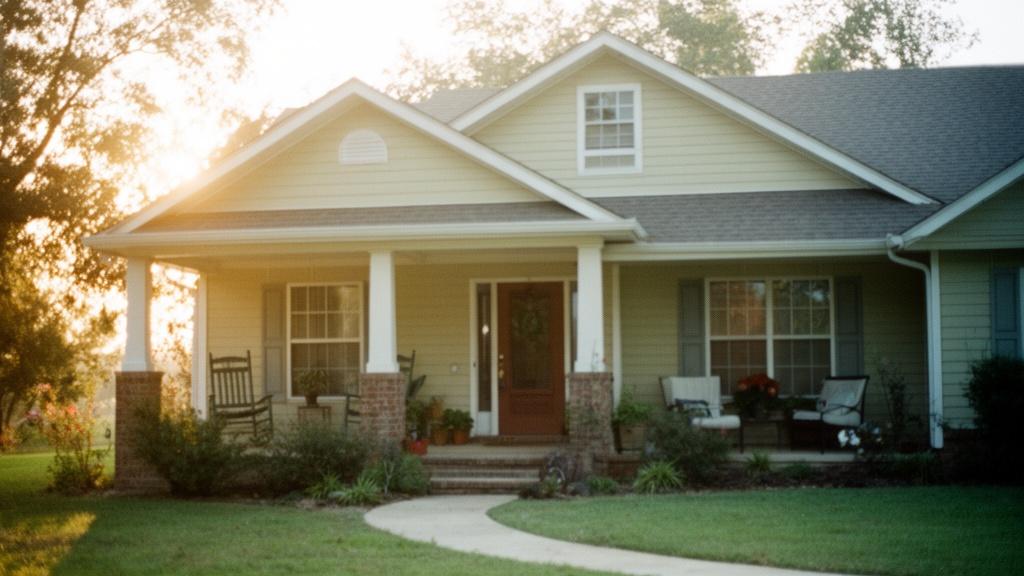
Valencia is its own distinct housing market within Santa Clarita. It sits in the southwestern portion of the Santa Clarita Valley, roughly 30 miles north of downtown Los Angeles via Interstate 5, and it draws buyers who want access to the freeway corridor without being inside the city. The community developed primarily from the 1970s onward, and most of the single-family homes reflect that era's planned-community design: tree-lined paseos, cul-de-sacs, and a network of walking paths that connect neighborhoods to parks and shopping centers.
Housing Stock and Price Ranges
As of September 2026, median home prices in Valencia are running in the high $700,000s to low $800,000s for detached single-family homes, depending on the specific tract, lot size, and condition. Entry-level condos and townhomes in communities like Tesoro del Valle and Old Orchard start closer to $475,000 to $550,000, making them a common first step for buyers who want to own in Valencia without stretching into the higher price tiers. Larger homes in the Valencia Summit and West Hills areas, where lots run a quarter acre or more and square footage can exceed 3,000, regularly list above $950,000.
The architecture across Valencia's tracts varies considerably. Older tracts built in the 1970s and 1980s feature single-story ranch-style homes with larger lots, while newer construction from the late 1990s and 2000s tends toward two-story Spanish and Craftsman-influenced designs on smaller parcels. Buyers relocating from outside the area often find that the paseo system, which runs behind many homes and provides pedestrian access to Valencia Town Center and Heritage Park, is something they did not anticipate but end up valuing highly.
What Valencia Buyers Are Competing For
Turnkey homes in established Valencia tracts move quickly. Properties that have been updated with new kitchens, fresh paint, and modern flooring tend to attract multiple offers within the first week of listing, particularly in the $700,000 to $850,000 range where demand is concentrated. Buyers who are flexible on cosmetic condition and willing to do their own updates often find less competition and more negotiating room, especially on homes that have been on the market for three weeks or longer.
For a broader look at how Valencia fits into the overall Santa Clarita housing picture, including how prices and inventory compare across the valley's communities, the Santa Clarita real estate market guide covers current conditions in detail.
2. The Step-by-Step Process for Buying a Home in Valencia, California
The process for buying a home in Valencia, California follows California's standard residential purchase framework, but the local market conditions shape how each step actually plays out. Here is how the process unfolds from start to finish, with the details that matter specifically in this market. For a thorough breakdown of California-specific steps and legal requirements, HomeLight's guide to buying a house in California is a useful reference alongside this local walkthrough.
Step 1: Get Pre-Approved
Pre-approval is not optional in Valencia's market. Listing agents in Santa Clarita will not present an offer to their seller without a current pre-approval letter, and in competitive situations, sellers often favor buyers whose lender is a recognizable local or regional institution. A pre-approval requires a full credit pull, income documentation including two years of tax returns and recent pay stubs, and bank statements. The process typically takes two to five business days with a responsive lender.
Buyers using FHA loans should know that Valencia has a mix of HOA communities, and not all attached condos or townhomes are FHA-approved. Confirming FHA or VA project approval status before falling in love with a specific community saves time and avoids disappointment. Conventional financing is more flexible in this regard and is the most common loan type used in Valencia closings.
Step 2: Define Your Search
Valencia is large enough that location within the community matters. Buyers who commute south on Interstate 5 toward Los Angeles or the San Fernando Valley want to think about which Valencia tracts give them the quickest on-ramp access, since McBean Parkway, Magic Mountain Parkway, and Valencia Boulevard each feed into I-5 at different points. Buyers who work locally or from home may prioritize proximity to Valencia Town Center, the Henry Mayo Newhall Hospital area, or the Six Flags Magic Mountain corridor depending on their daily patterns.
Lot size, HOA presence, and pool versus no pool are the three criteria that most consistently narrow a Valencia search. Many Valencia tracts have HOAs with monthly dues ranging from $80 to $250, which cover paseo maintenance, common area landscaping, and in some cases community pools. Buyers who want a private pool will find that the older tracts on larger lots are more likely to have them already installed, while newer construction on smaller lots typically does not.
Step 3: Make an Offer
California residential offers are written on the California Association of Realtors Residential Purchase Agreement. This is a detailed contract that covers purchase price, earnest money deposit, contingency periods, requested repairs, and closing date. In Valencia, earnest money deposits on offers in the $700,000 to $850,000 range typically run 1% to 3% of the purchase price, submitted within three business days of acceptance. On an $800,000 purchase that means $8,000 to $24,000 held in escrow.
Offer terms beyond price matter significantly in a competitive situation. Sellers in Valencia frequently weigh closing timeline, the length of inspection and loan contingency periods, and whether the buyer is asking for closing cost credits. A clean offer with a 21-day close and standard contingency periods often beats a higher-priced offer loaded with seller concessions, depending on the seller's situation.
Step 4: Open Escrow and Complete Inspections
Once an offer is accepted, escrow opens with a neutral third-party company. In Santa Clarita, escrow companies are typically selected by mutual agreement, and several established companies operate locally. The buyer has a standard 17-day inspection contingency period under the California RPA, during which a licensed home inspector examines the property. Most Valencia homes built in the 1980s and 1990s are at the age where HVAC systems, roofing, and plumbing components may be approaching or past their useful life, so inspection findings on these homes tend to be more substantive than on newer construction.
Sewer lateral inspections and chimney inspections are worth adding beyond the standard home inspection. Valencia homes with older clay sewer lines sometimes show root intrusion or pipe deterioration that a general inspector will not flag. The cost for a sewer scope runs $150 to $300 and can prevent a costly surprise after closing. Buyers also receive a Natural Hazard Disclosure report that identifies whether the property is in a fire hazard severity zone, a consideration that affects both insurance availability and premium costs.
Step 5: Loan Final Approval and Closing
After inspections are resolved, the lender orders an appraisal and moves the file toward final underwriting approval. The appraisal confirms that the property's value supports the loan amount. In a market where prices have been rising, appraisals occasionally come in below the agreed purchase price, which requires the buyer and seller to renegotiate or for the buyer to cover the gap in cash. Once underwriting issues a clear to close, the buyer signs loan documents at the escrow office, wires closing funds, and the transaction records with the Los Angeles County Recorder's Office, at which point the buyer receives the keys.
3. Real Costs to Budget When Buying in Valencia
The purchase price is only part of what buying a home in Valencia, California actually costs. Buyers who budget only for the down payment are often caught off guard by the closing costs and upfront expenses that add up during escrow. For a detailed breakdown of California-specific buyer costs, Clever Real Estate's cost-to-buy guide for California provides useful statewide context.
Upfront and Out-of-Pocket Costs
On an $800,000 purchase in Valencia, here is a realistic picture of what buyers pay out of pocket before and at closing.
- Down payment (conventional, 10%): $80,000. A 20% down payment of $160,000 eliminates private mortgage insurance (PMI), which adds $100 to $200 per month on a 10% down conventional loan.
- Lender origination and processing fees: $1,500 to $3,500, depending on the lender and loan type.
- Appraisal fee: $600 to $900 for a standard single-family home in Los Angeles County.
- Title insurance (lender's policy): Approximately $1,800 to $2,500 on an $800,000 purchase. The owner's title policy is typically paid by the seller in Los Angeles County.
- Escrow fees: $2,000 to $3,000, split between buyer and seller by custom in Santa Clarita.
- Home inspection: $450 to $650 for a standard inspection on a 2,000 to 2,500 square foot home. Sewer scope and chimney inspection add another $200 to $400.
- Prepaid interest and impounds: $3,000 to $6,000 at closing to fund the initial escrow impound account for property taxes and homeowners insurance.
- Total estimated closing costs (excluding down payment): $9,000 to $16,000 on an $800,000 purchase, or roughly 1.1% to 2% of the purchase price.
Ongoing Monthly Costs After Closing
Property taxes in Los Angeles County are assessed at approximately 1.25% of the purchase price annually, which includes the base 1% rate plus local voter-approved bonds. On an $800,000 purchase that works out to roughly $10,000 per year, or about $833 per month added to the mortgage payment. Many Valencia tracts also carry Mello-Roos Community Facilities District assessments, which are additional annual charges tied to infrastructure financing from the original development. Buyers should request the full property tax bill breakdown during escrow so there are no surprises after closing.
Homeowners insurance in the Santa Clarita Valley has become a meaningful budget line. Because parts of the area are designated as high fire hazard severity zones by the California Department of Forestry and Fire Protection, some standard carriers have reduced their underwriting presence, and buyers may need to obtain coverage through the California FAIR Plan or surplus lines carriers. Annual premiums for Valencia homes in higher fire risk zones are currently running $3,000 to $6,000 or more, compared to $1,200 to $2,000 in lower-risk areas. Buyers should get insurance quotes before removing the inspection contingency, not after.
4. How Long Does the Buying Process Take in Valencia?
From the day a buyer starts seriously searching to the day they receive keys, the process typically takes 60 to 120 days in Valencia. The range is wide because the search phase varies so much: some buyers find the right home in two weeks, others take three months. The escrow and closing phase, once an offer is accepted, is more predictable.
Timeline From Pre-Approval to Close
- Pre-approval: 2 to 5 business days with a responsive lender who has all documentation upfront.
- Active home search: 2 to 10 weeks on average in Valencia's current inventory environment. Buyers with very specific criteria (particular tract, lot size, single story) may search longer.
- Offer to acceptance: Sellers typically respond within 24 to 72 hours. Multiple-offer situations may extend this slightly while the listing agent collects and presents all offers.
- Inspection period: 17 days under the standard California RPA, though buyers and sellers can negotiate a shorter period.
- Appraisal: Ordered after inspections, typically completed within 7 to 14 days in Los Angeles County.
- Loan final approval: Underwriting typically takes 7 to 14 days after the appraisal is received, assuming no conditions requiring additional documentation.
- Signing and recording: Loan documents are signed 1 to 3 days before the closing date. Recording with the Los Angeles County Recorder typically happens the same day or the next business day after funds are received.
- Total escrow period: 21 to 30 days is standard in Valencia. Cash buyers can close in 10 to 14 days.
What Can Slow Things Down
Lender delays are the most common reason escrows extend beyond the agreed closing date. Underwriters frequently issue conditions requiring additional documentation, and if a buyer is slow to respond or their lender is backlogged, a 30-day escrow can stretch to 45 days. Buyers who are self-employed or have variable income should expect more underwriting scrutiny and should have their documentation fully organized before submitting an offer.
Inspection findings that require negotiation can also add time. If a buyer requests repairs or credits after the inspection, the seller has three days to respond under the California RPA, and if the parties cannot agree, the buyer may cancel or accept the property as-is. In Valencia, sellers of older homes often prefer to offer a credit rather than coordinate repairs, which is a workable outcome for most buyers.
5. Navigating Valencia's Market Conditions as a Buyer
Understanding current market conditions is as important as understanding the process itself. Buying a home in Valencia, California in September 2026 means operating in a market where inventory remains below historical norms and well-priced listings in desirable tracts continue to attract serious buyer interest quickly.
Inventory Levels and Competition in September 2026
Active inventory in Valencia currently sits at roughly two to three months of supply, which leans toward seller-favorable conditions. This means buyers have choices but cannot expect to lowball or take extended time to decide on a property they genuinely want. Homes priced accurately for their condition and location are typically seeing accepted offers within 10 to 21 days of listing. Overpriced listings are sitting longer and eventually reducing, which creates some opportunity for patient buyers willing to track the market.
Valencia's market is distinct from neighboring Stevenson Ranch, where the housing stock is newer and the price-per-square-foot tends to run higher. Buyers who are weighing both communities should read the Stevenson Ranch real estate market guide to compare the two before committing to a search area.
How to Write a Competitive Offer
Price is important, but it is rarely the only factor a seller weighs. In Valencia, sellers respond well to offers that demonstrate the buyer is financially prepared and unlikely to create problems during escrow. A strong pre-approval letter from a known lender, a deposit check ready to submit immediately, and a clean set of contingency periods all signal that a buyer is serious. Waiving contingencies entirely carries risk and is generally advisable only for buyers who have done extensive due diligence on the property beforehand.
An escalation clause can be a useful tool in a multiple-offer situation. This clause automatically increases the buyer's offer price above any competing offer up to a stated maximum, which allows a buyer to stay competitive without blindly overbidding. Not all sellers or listing agents respond well to escalation clauses, so whether to use one depends on the specific situation and the guidance of a buyer's agent who knows how Valencia listing agents typically operate.
If you are also thinking about what it looks like from the other side of the transaction, the guide to selling a home in Santa Clarita explains how sellers in this market approach pricing and negotiation, which can inform how you structure your offers.
FAQ
Do buyers pay a real estate agent commission when buying a home in Valencia, California?
As of August 2024, California real estate transactions shifted under the NAR settlement rules, and buyers are now expected to sign a written buyer representation agreement before touring homes with an agent. The agreement specifies the buyer's agent compensation, which may be offered by the seller or paid directly by the buyer. In practice, many Valencia sellers are still offering buyer's agent compensation as part of their listing terms, but this is negotiated on a transaction-by-transaction basis. Buyers should discuss compensation structure with their agent before beginning the search so there are no surprises when an offer is submitted.
What is Mello-Roos and how does it affect buying a home in Valencia?
Mello-Roos is a special tax assessment authorized under California's Mello-Roos Community Facilities Act of 1982. Many Valencia tracts developed in the 1980s and 1990s were financed in part through Mello-Roos bonds, which funded roads, utilities, parks, and other infrastructure. These assessments appear as a separate line item on the annual property tax bill and can range from a few hundred dollars to over $2,000 per year depending on the specific community facilities district. The assessment is tied to the property, not the owner, so it transfers to the new buyer at closing. Buyers should request the full tax bill and ask their agent to identify any active Mello-Roos assessments before making an offer.
Can I buy a home in Valencia with less than 20% down?
Yes. Conventional loans with as little as 3% to 10% down are available for buyers who meet income and credit requirements, and FHA loans allow 3.5% down for buyers with credit scores of 580 or higher. The trade-off for putting down less than 20% on a conventional loan is private mortgage insurance, which adds to the monthly payment until the loan balance reaches 80% of the home's value. At Valencia's current price levels, a 10% down payment on an $800,000 home is $80,000, which is a meaningful but achievable threshold for many buyers. VA loans are also available to eligible veterans and active-duty service members with no down payment required, and there is no PMI on VA loans.