
← Back to Blog
Market Trends
Chandler, Arizona Real Estate Market Guide: Prices, Neighborhoods and Timing
By Azucena Reyes Sandoval
MY HOME GROUP
September 30, 2026 · 10 min read
Chandler, Arizona sits at the southeastern edge of the Phoenix metro and has become one of the most active real estate markets in the entire region. This Chandler, Arizona real estate market guide covers current prices, the neighborhoods buyers ask about most, commute realities, and how to read the market timing whether you are buying, selling, or relocating from out of state.
1. Chandler Real Estate Market Conditions Right Now
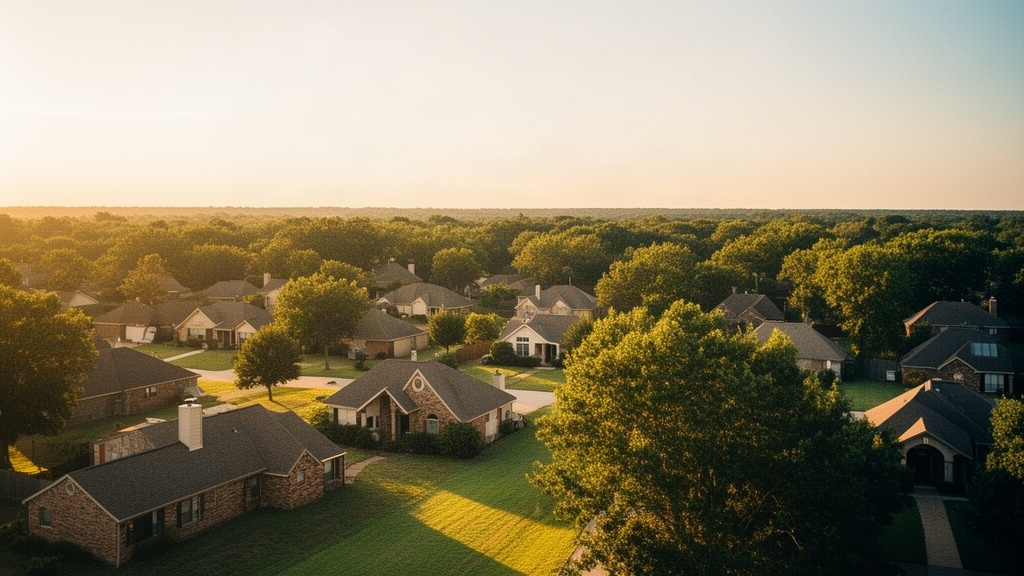
Chandler's housing market is balanced but competitive in September 2026. Demand from the semiconductor and technology sector anchored along the Price Road Corridor continues to support prices, and the city's relatively tight supply of resale homes keeps well-priced listings moving quickly. Buyers are active; sellers who price correctly are still closing on favorable terms.
Where Prices Stand in September 2026
The median home price in Chandler currently sits in the range of $530,000 to $560,000 for a single-family detached home, depending on the specific zip code and lot size. Townhomes and attached villas, which are common in the Ocotillo and downtown districts, generally trade between $340,000 and $440,000. Larger homes on premium lots in gated communities such as Fulton Ranch can push well past $700,000. According to Norada Real Estate's Chandler market overview, Chandler has maintained stronger price floors than several comparable Phoenix suburbs because of its employment base and infrastructure investment.
Price per square foot in Chandler currently averages roughly $265 to $295 for resale single-family homes. New construction in the city's remaining developable pockets tends to price at a premium above that range, often $310 or more per square foot, because of land scarcity. Chandler is largely built out compared to cities farther east or north in the metro.
Inventory and Days on Market
Active inventory in Chandler has expanded modestly since early 2026, giving buyers slightly more choice than they had during the peak shortage years. Homes in the $450,000 to $600,000 range, which is the deepest part of the market, are typically going under contract within 20 to 35 days when priced accurately. Listings that come in above recent comparable sales are sitting longer, sometimes 60 days or more, before sellers adjust. That gap between aspirational pricing and market reality is one of the most important things both buyers and sellers need to understand right now.
2. Chandler Neighborhoods: What the Housing Stock Actually Looks Like
Chandler covers roughly 65 square miles and contains a wide variety of housing types, from 1970s ranch homes near the old town core to modern master-planned communities with lakes and trails. Understanding what each pocket looks like physically and what it costs is essential before writing any offer.
Downtown Chandler and the Old Town Core
The blocks surrounding Downtown Chandler, roughly bounded by Arizona Avenue to the west and Chandler Boulevard to the south, contain some of the city's oldest housing stock. Homes here are largely from the 1950s through the 1980s: block construction, modest square footage in the 1,200 to 1,800 range, and lot sizes that vary considerably. Prices in this corridor run from about $380,000 for an unrenovated three-bedroom up to $520,000 or more for a fully updated home with a pool. The proximity to the downtown entertainment district, the Chandler Center for the Arts, and the San Marcos Golf Resort adds to the appeal of this walkable pocket.
Fulton Ranch and Ocotillo
Fulton Ranch and the Ocotillo master-planned community are two of Chandler's most recognizable addresses. Ocotillo, located near Dobson Road and Ocotillo Road, is built around a series of interconnected lakes spanning roughly 160 acres. Housing here ranges from attached townhomes starting around $380,000 to custom lakefront single-family homes that can reach $1.2 million or beyond. The community has its own network of walking paths, and the lakes are stocked for fishing.
Fulton Ranch, in the southeastern part of the city near Germann Road and Gilbert Road, is a planned community with consistent architectural standards, a central lake, and a network of greenbelt trails. Single-family homes here typically run from $550,000 to $850,000 depending on size and lot position. Both communities carry HOA fees that cover common area maintenance, landscaping of shared spaces, and amenity upkeep.
Sun Lakes and Pecos Road Corridor
Sun Lakes is an age-restricted community straddling the Chandler and Maricopa County boundary near Riggs Road and I-10. It is one of the larger age-restricted developments in the Phoenix metro, with multiple sub-communities, golf courses, and clubhouses spread across several thousand acres. Home prices in Sun Lakes range from roughly $290,000 for smaller attached units to $600,000 or more for larger single-family homes on golf course lots. Buyers interested in this area should verify age-restriction rules for each sub-community before making an offer, as the requirements vary.
Arden Park and Dobson Ranch
Dobson Ranch, in the northwestern part of Chandler near Dobson Road and Guadalupe Road, is one of the city's established master-planned communities from the 1970s and 1980s. Homes are generally 1,400 to 2,400 square feet on lots of 6,000 to 9,000 square feet, and prices currently range from about $420,000 to $580,000. The community has its own recreation center, multiple pools, and lake access. Arden Park, a newer infill development closer to the Loop 202, features homes built in the 2010s with open floor plans and three-car garages, priced mostly in the $560,000 to $720,000 range.
3. Commutes and Connectivity from Chandler
Chandler's freeway access is one of its most practical advantages in the Phoenix metro. The Loop 202 (Santan Freeway) runs east-west through the city, and I-10 borders the western edge. The Loop 101 is accessible via the 202 within minutes, connecting Chandler to Scottsdale, Tempe, Mesa, and eventually the far West Valley.
Driving to Downtown Phoenix and Tempe
From most of central Chandler, downtown Phoenix is approximately 25 to 30 miles northwest. During off-peak hours, the drive on I-10 takes roughly 30 to 35 minutes. Morning rush hour heading into Phoenix can stretch that to 45 to 55 minutes depending on the specific origin point and time of departure. Tempe, which borders Chandler directly to the north, is considerably closer: most Chandler addresses reach the Tempe Town Lake area in 15 to 20 minutes without traffic.
The Loop 202 and Price Road Tech Corridor
The Price Road Corridor, running along Price Road between the Loop 202 and Warner Road, is home to major employers including Intel, PayPal, Wells Fargo, and Microchip Technology. For residents living in Chandler neighborhoods like Fulton Ranch, Arden Park, or Dobson Ranch, commuting to these campuses can be as short as 10 to 20 minutes. This proximity to large employment centers is a structural driver of housing demand in the city, and it is a key reason Chandler's price floor has held more firmly than some comparable Phoenix suburbs during softer market periods.
4. Timing the Chandler Market: When to Buy or Sell
Timing in Chandler follows the broader Phoenix metro pattern but with some local nuances tied to the tech employment cycle and the city's limited resale inventory. Understanding those patterns can make a real difference in negotiating position.
Seasonal Patterns in Chandler
The Phoenix metro, including Chandler, sees its highest listing volume and buyer activity from January through April. Snowbirds who winter in the Valley often list in February or March before heading back north, and corporate relocations tied to the start of the calendar year drive buyer demand in January and February. Summer months, particularly July and August, see slower activity due to heat, though serious buyers who remain active in summer often face less competition. September 2026 sits in a transitional window: summer slowness is fading, and the fall buying season is beginning to pick up as temperatures drop below 100 degrees.
What Sellers Should Know Right Now
Sellers in Chandler who price within 2 to 3 percent of recent comparable sales are still finding buyers within the first three to four weeks. The days of automatic multiple-offer situations on anything listed are largely behind this market, but well-maintained homes with updated kitchens, functional pools, and three-car garages continue to attract strong interest. Sellers who invest in professional photography, pre-listing inspections, and strategic staging are consistently outperforming those who list without preparation.
What Buyers Should Know Right Now
Buyers currently have more negotiating room than they did in 2021 or 2022, but that room is not unlimited. Homes in the $450,000 to $600,000 range in desirable Chandler communities still attract multiple offers when priced correctly, particularly in the first two weeks on market. Buyers who come in pre-approved, have reviewed the comparable sales themselves, and are prepared to move quickly on properties that check their boxes are the ones closing successfully. Waiting for a dramatic price correction in Chandler specifically is a risky strategy given the employment base underpinning demand.
5. Costs, Taxes, and What to Budget Beyond the Purchase Price
The purchase price is only one part of what you will spend when buying in Chandler. Budgeting accurately for taxes, HOA fees, and closing costs prevents surprises at the finish line.
Property Taxes in Chandler
Chandler falls within Maricopa County for property tax purposes. Arizona uses an assessed value system where residential properties are assessed at 10 percent of full cash value, and the combined tax rate for Chandler addresses typically runs between 0.7 and 0.9 percent of market value annually. On a $550,000 home, that translates to roughly $3,850 to $4,950 per year in property taxes. For a detailed breakdown of how Arizona property taxes are calculated and what exemptions may apply, the article on property taxes in Phoenix, Arizona covers the mechanics in full.
HOA Fees and Master-Planned Communities
A large share of Chandler's housing stock sits within HOA-governed communities. Fees vary considerably: smaller subdivisions with minimal amenities may charge $50 to $100 per month, while full master-planned communities like Ocotillo or Fulton Ranch with lakes, trails, and recreation centers can run $150 to $350 per month or more. Some communities also carry separate sub-association fees on top of the master HOA fee. Always request the full HOA disclosure package, including the reserve fund study and meeting minutes, before removing inspection contingencies.
Closing Costs and Other Line Items
Buyers in Chandler should budget approximately 2 to 3 percent of the purchase price for closing costs, which include lender fees, title insurance, escrow fees, and prepaid items like homeowners insurance and property tax impounds. On a $550,000 purchase, that is roughly $11,000 to $16,500 in addition to the down payment. For a comprehensive breakdown of what goes into closing costs across the Phoenix metro, see the guide on closing costs for home buyers in Phoenix, Arizona.
6. How Chandler Compares to Its Neighbors
Buyers relocating to the Phoenix metro often consider Chandler alongside Gilbert, Tempe, Scottsdale, and Mesa. Each city has a distinct housing character and price profile that matters when narrowing your search.
Chandler vs. Gilbert and Tempe
Gilbert, which borders Chandler to the east, has a similar master-planned community character but has seen more new construction activity in recent years because of available land farther east near Higley Road and beyond. Median prices in Gilbert currently run close to Chandler's, though Gilbert has more inventory in the $400,000 to $500,000 range thanks to newer, smaller-footprint construction. For a full breakdown of the Gilbert buying process, the guide on buying a home in Gilbert, Arizona is worth reading. Tempe, directly north of Chandler, is denser and more urban, with a higher proportion of condos, townhomes, and older single-family homes near Arizona State University. Tempe prices for detached homes are comparable to Chandler but with smaller average lot sizes.
Chandler vs. Scottsdale and Mesa
Scottsdale carries a higher median price than Chandler, particularly in the 85251, 85254, and 85255 zip codes, where luxury inventory pushes medians well above $700,000. Buyers who want more square footage per dollar and do not need Scottsdale's specific amenities often find Chandler a practical alternative. The full picture of the Scottsdale market is covered in the Scottsdale, Arizona real estate market guide. Mesa, which borders Chandler to the north and west, offers the broadest price range in the southeast Valley, with entry-level homes available below $350,000 in older western Mesa neighborhoods and prices climbing above $600,000 in newer eastern Mesa communities near the 202.
The broader Phoenix metro context matters here as well. The National Association of Realtors has highlighted the metro Phoenix area as one of the top housing markets to watch, driven by population growth, job creation in the semiconductor and financial services sectors, and relative affordability compared to coastal metros. Chandler sits at the center of those drivers.
FAQ
Is Chandler, Arizona a buyer's market or a seller's market right now?
As of September 2026, Chandler is best described as a balanced market leaning slightly toward sellers in the most active price ranges. Homes priced accurately between $450,000 and $600,000 are still moving within three to five weeks and occasionally attracting multiple offers. Above $700,000, buyers have more negotiating room and homes are sitting longer before going under contract. The key variable is pricing: overpriced listings are accumulating days on market while correctly priced homes continue to sell efficiently.
What is the most affordable part of Chandler to buy a home?
The most accessible price points in Chandler tend to be in older neighborhoods near the downtown core and along the Dobson Road corridor, where homes from the 1970s and 1980s can be found in the $380,000 to $460,000 range. Attached townhomes and condos in communities like Ocotillo and near the Price Road Corridor also offer entry points below $400,000. Keep in mind that older homes in these pockets may need updating, so budget for potential repairs or renovations when evaluating the true cost of purchase. A thorough pre-purchase inspection is especially important in homes built before 1990.
How long does it take to close on a home in Chandler, Arizona?
A standard purchase in Chandler using conventional financing typically closes in 30 to 45 days from the time the purchase contract is executed. Cash transactions can close in as few as 10 to 15 days if both parties are motivated and the title search is clean. FHA and VA loans sometimes add a few extra days due to additional appraisal requirements, so buyers using those programs should plan for 35 to 45 days as a baseline. The full breakdown of closing timelines across the Phoenix metro is covered in detail in the guide on how long it takes to close on a house in Phoenix, Arizona.