← Back to Blog
Neighborhoods
The Arcadia neighborhood of Phoenix, Arizona Real Estate Market Guide
By Trevor Halpern
Halpern Residential at eXp Realty
September 10, 2026 · 12 min read
If you are researching the Arcadia neighborhood of Phoenix, Arizona, you already know it stands apart from most of the Valley: mature citrus groves, ranch-style homes on large lots, and a walkable stretch of restaurants and boutiques along Camelback Road that most Phoenix neighborhoods simply do not have. This guide covers current prices, the differences between Arcadia proper and its adjacent sub-areas, what the market is doing right now in September 2026, and how to think about timing your move.
1. What Makes Arcadia Different From Other Phoenix Neighborhoods
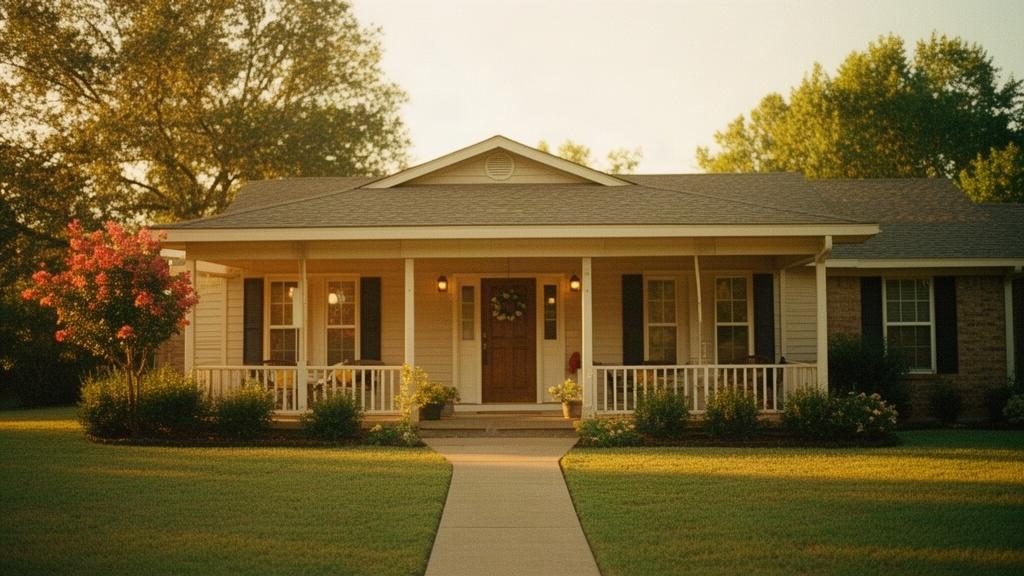
Arcadia is one of the most physically distinctive neighborhoods in all of metro Phoenix. While most of the Valley was built out in the postwar era with concrete block and stucco on small lots, Arcadia developed around irrigated citrus and citrus-adjacent agriculture. That history left behind wide, tree-lined streets, deep lots that regularly run a third of an acre or more, and a mature tree canopy you simply will not find in Chandler, Gilbert, or most of Scottsdale.
The Physical Character of the Area
Arcadia sits in the eastern portion of the City of Phoenix, roughly bounded by 44th Street to the west, 68th Street to the east, McDonald Drive to the north, and the Arizona Canal to the south. The canal itself is a defining feature: a paved path runs along it for miles and connects Arcadia walkers and cyclists to Tempe, Scottsdale, and the broader regional trail network. Camelback Mountain rises directly to the north, giving the neighborhood an unobstructed mountain backdrop that influences both aesthetics and property values.
Lot Sizes, Architecture and Tree Canopy
The dominant architectural style in Arcadia proper is the ranch home, most built between the 1940s and the 1970s. Many have been significantly renovated or fully rebuilt, and new custom construction on original lots is common. Lot sizes in the core of Arcadia often range from 10,000 square feet to well over an acre. That land is a major driver of price: buyers are frequently paying as much for the dirt as for the structure on top of it. Grapefruit, orange, and lemon trees still grow on many properties, a living reminder of the neighborhood's agricultural past.
Proximity to Camelback Mountain and Key Corridors
Camelback Road, the primary east-west corridor through Arcadia, has evolved into one of the most walkable commercial strips in Phoenix. Restaurants including Postino, Ingo's, Steak 44, and La Grande Orange are within walking distance of many Arcadia homes. The Biltmore Fashion Park and Scottsdale Fashion Square are each less than 15 minutes by car. Phoenix Sky Harbor International Airport is roughly 10 to 15 minutes west via the 202 freeway, which makes Arcadia a practical choice for frequent travelers.
2. Arcadia Sub-Areas: Proper, Lite and the Scottsdale Border
Not every home marketed as "Arcadia" sits in the same location or price tier. Buyers need to understand three distinct zones: Arcadia proper, Arcadia Lite, and the Scottsdale-adjacent pocket that borders the city line. Each has different price points, lot characteristics, and commute dynamics.
Arcadia Proper
Arcadia proper is the original core, generally east of 44th Street, north of the canal, and south of McDonald. This is where the largest lots, the most mature citrus trees, and the highest price points concentrate. A fully renovated or custom-built home on a lot of half an acre or more in this zone regularly lists above $2 million and often well above $3 million. Even modest original ranch homes on large lots rarely trade below $1 million in September 2026, because the land alone commands a premium.
For context on what the broader luxury segment looks like in Phoenix, the luxury home market guide for Phoenix covers how Arcadia fits into the wider high-end picture across the Valley.
Arcadia Lite
Arcadia Lite is the informal name for the area generally south of the Arizona Canal, stretching toward Thomas Road, and west toward 32nd Street. Lot sizes here are smaller, typically in the 6,000 to 9,000 square foot range, and the housing stock skews toward postwar block homes that have been updated to varying degrees. Prices in Arcadia Lite are meaningfully lower than in the core: median sale prices for single-family homes in this zone currently run in the $600,000 to $900,000 range depending on condition, size, and proximity to the canal path. Buyers who want the Arcadia lifestyle and walkability but cannot stretch to core Arcadia prices often find Arcadia Lite to be a practical alternative.
The Scottsdale-Adjacent Pocket
East of 64th Street, the Arcadia area bleeds into a pocket that sits on or near the Scottsdale city boundary. Some properties here carry a Scottsdale mailing address while others carry Phoenix addresses, and that distinction matters for municipal services, zoning, and some HOA situations. Homes in this eastern fringe often share the large-lot character of Arcadia proper, and prices reflect that. Buyers should verify city boundaries and applicable zoning before making assumptions about what rules apply to a specific parcel.
3. Current Home Prices in Arcadia Phoenix: What the Market Shows in September 2026
Arcadia remains one of the highest-priced residential neighborhoods in the Phoenix metro, and prices have held firm through the broader market adjustments of 2025 and 2026. The combination of limited supply, irreplaceable lot sizes, and location has insulated Arcadia from the sharper corrections seen in outer-ring suburbs. For a detailed look at what Phoenix home prices are doing across the metro right now, see the September 2026 Phoenix home price update.
Median and Average Price Ranges
As of September 2026, single-family homes in Arcadia proper are trading in a wide band depending on lot size, renovation level, and proximity to Camelback Mountain views. Entry-level homes in the core, meaning smaller ranch homes with original finishes on lots under 15,000 square feet, are generally priced between $900,000 and $1.4 million. Mid-tier renovated homes on lots of a quarter to a half acre typically list between $1.5 million and $2.5 million. Fully custom new builds or extensively renovated estates on lots of half an acre or more frequently exceed $3 million, with some notable sales above $5 million in recent quarters.
The Arcadia Phoenix Real Estate Market Report for August 2026 provides additional data on recent closed sales and active inventory across the various price tiers in the neighborhood.
Price Per Square Foot
Price per square foot in Arcadia is a useful metric but an incomplete one, because lot value is often as significant as structure value. Renovated and new construction homes in the core are currently trading in the $500 to $800 per square foot range for the structure, with lot premiums layered on top. An original, unrenovated ranch home on a large lot may show a lower per-square-foot price but still carry a total price above $1 million because of the land. Buyers who focus only on price per square foot without accounting for lot size and condition will misread Arcadia comparables consistently.
How Arcadia Compares to the Broader Phoenix Market
The broader Phoenix metro median home price sits in a very different range from Arcadia. Metro-wide medians for single-family homes are currently in the $420,000 to $460,000 range, meaning Arcadia proper homes trade at two to five times the metro median. That premium reflects scarcity: there are only so many large irrigated lots within 10 minutes of Sky Harbor and walking distance of Camelback Mountain. New supply cannot be created, which is why Arcadia has historically been more price-resilient than suburban Phoenix submarkets.
4. Market Conditions and Timing: Should You Buy or Sell in Arcadia Right Now
Arcadia's market in September 2026 is more balanced than the extreme seller's market of 2021 and 2022, but it is not a buyer's market in the traditional sense. Inventory has risen from the historic lows of a few years ago, giving buyers more options and slightly more negotiating room. At the same time, the most desirable properties, those with large lots, mountain views, and quality renovations, still attract multiple offers and sell close to list price.
Inventory and Days on Market
Active listings in Arcadia proper at any given time tend to be relatively few, typically somewhere between 30 and 60 homes across all price points. Days on market has stretched compared to the 2021 and 2022 peaks, when well-priced homes routinely went under contract in days. In September 2026, well-priced and well-presented homes are generally spending two to four weeks on market before going under contract, while overpriced or poorly presented properties can sit for 60 to 90 days or more. That gap between correctly priced and incorrectly priced homes is wider than it was two years ago, which makes pricing strategy more important for sellers.
Seller Conditions vs. Buyer Opportunity
For sellers, the current environment rewards preparation. Homes that are properly staged, professionally photographed, and priced accurately relative to recent comparables are still selling well. Sellers who test the market with aspirational pricing are finding that buyers in the $1.5 million to $3 million range are patient and informed: they will wait for the right home rather than overpay. Concessions, including seller-paid closing costs or repair credits, are more common in Arcadia today than they were in 2022, though they are far from universal on well-priced properties.
For buyers, the current window is more favorable than anything seen in Arcadia since before 2020. Mortgage rates remain elevated relative to the historic lows of 2020 and 2021, but buyers who can absorb today's rates are finding less competition than they would have faced two or three years ago. The Phoenix metro overall has been recognized as one of the stronger long-term housing markets in the country, which supports the case for buying in a neighborhood like Arcadia when conditions allow.
Seasonal Patterns in Arcadia
Phoenix real estate follows a seasonal rhythm that differs from most of the country. Activity tends to peak from January through April, when snowbirds and relocating buyers are actively in the market and the weather makes in-person touring comfortable. Summer months, particularly July and August, see a seasonal dip in both listings and buyer activity. September marks the transition back toward the fall active season, when new listings typically increase and buyers who paused over summer re-engage. For buyers, the window from September through November can offer a combination of reasonable inventory and slightly less competition than the spring peak.
5. What Buyers and Sellers Need to Know Before Working in the Arcadia Market
Arcadia has specific due diligence requirements that differ from buying in a standard Phoenix subdivision, and understanding them before you write an offer will save time and prevent surprises. Working with an agent who knows this neighborhood well is not a luxury here; it is a practical necessity.
Due Diligence Points Unique to Arcadia
Irrigation rights are one of the most important and most misunderstood aspects of Arcadia real estate. Many properties in the neighborhood are served by the Salt River Project (SRP) irrigation system, which delivers surface water to lots on a scheduled basis. Whether a specific property has active irrigation rights, and what those rights cost and cover, varies by parcel. Buyers should confirm irrigation status and understand the associated fees before closing. Some buyers value irrigation rights for maintaining large lawns and citrus trees; others purchase properties where rights have lapsed or been converted.
Arcadia is largely free of HOAs, which is a meaningful distinction from most Phoenix-area neighborhoods. The absence of an HOA means fewer restrictions on how you use and modify your property, but it also means no shared maintenance of common areas. Buyers accustomed to HOA-governed communities should understand that Arcadia's character is maintained through a combination of city code enforcement and community norms rather than a formal association. For comparison, if you are evaluating neighborhoods that do carry HOA fees, the HOA fee guide for Ahwatukee illustrates what those costs typically look like in another Phoenix submarket.
Pool and structure permits are another area to investigate carefully. Because many Arcadia homes have been renovated, expanded, or had pools added over the decades, unpermitted work is not uncommon. A thorough inspection and a permit history review through the City of Phoenix Development Services portal are standard steps in any Arcadia transaction. Buyers purchasing a home with an eye toward further renovation should also verify current zoning, setback requirements, and any historic overlay designations that may apply to older structures.
Working With a Local Expert
Arcadia is a neighborhood where local knowledge translates directly into better outcomes for buyers and sellers. An agent who understands the difference between a property with active SRP irrigation rights and one without, who knows which streets have the strongest Camelback Mountain views, and who tracks the difference between Arcadia proper and Arcadia Lite pricing will help you avoid overpaying or underpricing. Trevor Halpern of Halpern Residential at eXp Realty works extensively in the Arcadia market and brings that specific, granular knowledge to every transaction.
If you are relocating to the Phoenix area and evaluating Arcadia alongside other neighborhoods, the complete Phoenix relocation guide provides a broader framework for comparing submarkets across the Valley before you narrow your search.
Schools, Commutes and Practical Research
Arcadia sits within the Scottsdale Unified School District for most of its area, though some parcels fall within the Phoenix Union High School District or other boundaries depending on exact location. School district boundaries in Arcadia are not uniform, and a street or two can make a difference in which district a home falls under. The best way to verify this is to check the specific parcel against the Arizona Department of Education's district boundary tool or contact the relevant district directly. For a full breakdown of how to research schools in this area, the Arcadia schools research guide walks through the process in detail.
Commute times from Arcadia are a genuine selling point for many buyers. Downtown Phoenix is roughly 15 to 20 minutes west via the 202 or surface streets. The Biltmore business corridor is under 10 minutes. Scottsdale's Old Town and the Scottsdale Airpark are each about 15 minutes east. Sky Harbor is 10 to 15 minutes southwest. Buyers who travel frequently or work in multiple parts of the Valley often find Arcadia's central location reduces daily drive time compared to living in the outer suburbs.
FAQ
What is the typical price range for a home in the Arcadia neighborhood of Phoenix in 2026?
In September 2026, homes in Arcadia proper generally range from just under $1 million for smaller, original-condition ranch homes on modest lots to well above $3 million for fully renovated or custom-built properties on large irrigated lots. The middle of the market, renovated homes on quarter-acre to half-acre lots, tends to cluster between $1.5 million and $2.5 million. Arcadia Lite, the area south of the Arizona Canal, offers lower entry points, with many homes trading between $600,000 and $900,000. Lot size is one of the most important price drivers in Arcadia, sometimes more so than the size or finish level of the home itself.
Is Arcadia proper different from Arcadia Lite, and does the distinction matter when buying?
Yes, the distinction matters significantly. Arcadia proper refers to the original core neighborhood north of the Arizona Canal, where lots are larger, citrus trees are more prevalent, and prices are higher. Arcadia Lite is the informal name for the area south of the canal toward Thomas Road, where lots are smaller and prices are more accessible. Many listings marketed as "Arcadia" or "Arcadia area" may actually be in Arcadia Lite or in adjacent neighborhoods that borrow the Arcadia name. Buyers should verify the exact address and boundaries with their agent and not assume that any listing using the Arcadia label sits in the highest-priced core.
What is the best time of year to buy or sell a home in Arcadia, Phoenix?
The Phoenix real estate market, including Arcadia, tends to be most active from January through April, when buyer demand is highest and inventory is more plentiful. Summer months see a seasonal slowdown due to heat, and the fall window from September through November typically brings renewed activity as temperatures drop and buyers who paused over summer re-engage. For sellers, spring listings generally attract the most competition among buyers. For buyers, the fall and early winter months can offer a slightly less competitive environment while still providing reasonable inventory. Arcadia's limited supply means that a truly desirable property can sell quickly in any month, so buyers should be prepared to act when the right home appears.