← Back to Blog
Local Living
Relocating to Coral Springs, Florida: Neighborhoods, Costs and Timelines
By Lauren Laski
September 7, 2026 · 11 min read
Relocating to Coral Springs, Florida puts you inside one of Broward County's most deliberately planned communities, where tree-lined boulevards, a walkable Town Center, and a range of housing stock from entry-level townhomes to estate properties give newcomers a lot to work with. This guide covers the neighborhoods you will actually encounter, what homes cost right now in September 2026, and how long the full relocation process realistically takes from the day you decide to move to the day you get your keys.
1. Why Coral Springs Draws Relocators from Across the Country
Coral Springs is a planned city. That distinction matters more than it sounds. Incorporated in 1963 and built out over several decades under a unified master plan, the city covers roughly 24 square miles in northwest Broward County. Streets follow a logical grid, green space was built into the layout from the beginning, and the commercial zones are separated from residential ones in a way that older Florida cities simply are not. People relocating to Coral Springs, Florida often say the city feels intentional in a way that surprises them after years in more haphazard metros.
The Planned City Difference
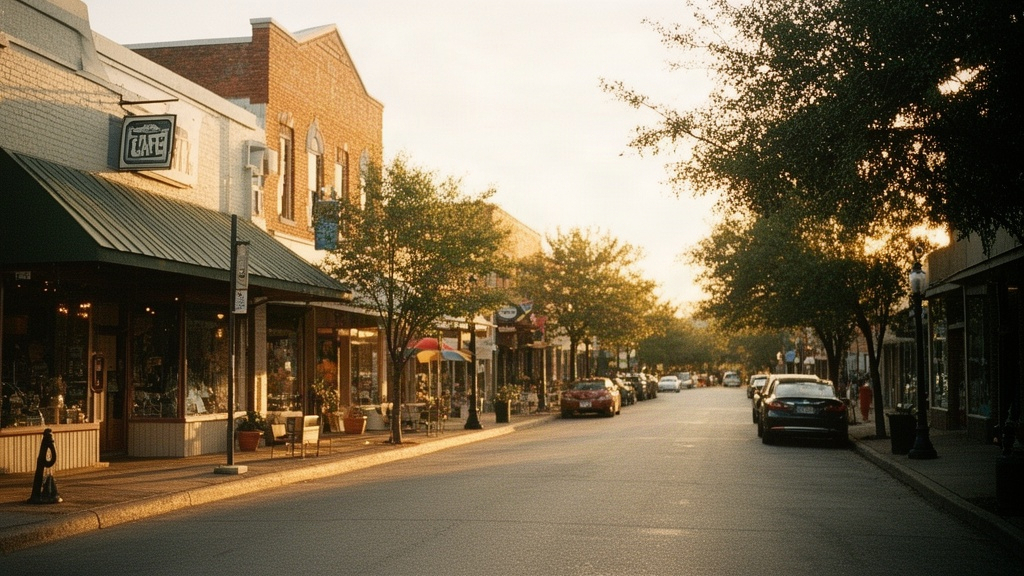
The Coral Springs Town Center anchors the city's core. The area around University Drive and Sample Road includes City Hall, the Coral Springs Museum of Art, the Coral Springs Center for the Arts, the main public library branch, and a cluster of restaurants and shops within walking distance of each other. That kind of civic density is unusual for a South Florida suburb and it gives the city a genuine downtown feel without the congestion of Fort Lauderdale or Miami.
The city also maintains over 50 parks and more than 50 miles of trails. Mullins Park, Betti Stradling Park, and the Sportsplex at Coral Springs are all large, well-maintained facilities used heavily by residents throughout the year. The canal system that runs through the city adds to the green feel even on streets where there is no dedicated park.
Location and Connectivity
Coral Springs sits at the intersection of the Florida Turnpike and the Sawgrass Expressway, which is one of the most useful highway positions in Broward County. Fort Lauderdale is roughly 20 to 25 miles south via I-95 or US-441, and Miami is about 40 miles south. Boca Raton is approximately 15 miles north on US-441. For a deeper look at realistic drive times to both Fort Lauderdale and Miami, the commute guide on this site breaks down peak-hour versus off-peak travel by route.
2. Coral Springs Neighborhoods: What to Expect in Each Area
Coral Springs has dozens of distinct subdivisions, each with its own housing stock, lot sizes, and price range. The four areas below represent the broadest categories you will encounter as you research. Every neighborhood in the city is served by Broward County Public Schools; for information on specific school attendance zones, the Broward County School District's own boundary tool is the most accurate resource.
Wyndham Lakes and the Northwest Quadrant
Wyndham Lakes occupies the northwest corner of Coral Springs near the Sawgrass Expressway and Coral Ridge Drive. Homes here are predominantly single-family properties built in the late 1990s and early 2000s, with three to five bedrooms, two-car garages, and lot sizes that typically run from 6,000 to 9,000 square feet. Many back up to lake or preserve views. The community has a gated entrance, a community pool, and a clubhouse. Prices in this area currently range from roughly $550,000 for a three-bedroom to over $750,000 for larger, updated models.
Eagle Trace and the Golf Course Corridor
Eagle Trace is a gated golf community in the northeast section of Coral Springs, built around the Eagle Trace Golf Club. The housing stock ranges from attached villas in the low $400,000s to larger single-family homes on golf-frontage lots that push past $900,000. Homes were built primarily between the mid-1980s and late 1990s, so buyers often find opportunities to renovate and update. The community includes multiple sub-neighborhoods, each with its own HOA fees layered on top of the master HOA.
Ramblewood and the Central Districts
The central sections of Coral Springs, including Ramblewood, Forest Hills, and Cypress Run, offer some of the city's most accessible price points. Three-bedroom single-family homes in these neighborhoods currently list in the $420,000 to $560,000 range. Many were built in the 1970s and 1980s, meaning you get larger lots, often 8,000 to 12,000 square feet, but older roofs, kitchens, and electrical systems that buyers should factor into their offer strategy. The central location puts residents close to the Town Center, Coral Square Mall, and the Sawgrass Expressway on-ramp at Sample Road.
Heron Bay and the Northern Edge
Heron Bay sits at the northern boundary of Coral Springs, straddling the line between Coral Springs and Parkland. It is a large gated community with multiple sub-neighborhoods, a resort-style clubhouse, tennis courts, and a community pool. Homes range from townhomes in the mid $400,000s to four and five-bedroom single-family homes that exceed $1 million for updated models on premium lots. The Heron Bay Golf Club operates within the community. Buyers in this area should confirm whether a specific address falls within Coral Springs or Parkland city limits, as that affects municipal services and tax rates.
For a broader overview of how these neighborhoods fit into the city's overall market, the Coral Springs Real Estate Market Guide on this site covers pricing trends and neighborhood context in detail.
3. What It Costs to Live in Coral Springs Right Now
Costs in Coral Springs vary significantly by neighborhood, property type, and lot position, but the numbers below reflect where the market stands in September 2026. Anyone relocating to Coral Springs, Florida should build a budget around the full cost of ownership, not just the purchase price, because Florida adds several line items that out-of-state buyers sometimes miss.
Home Purchase Prices in September 2026
The median sale price for a single-family home in Coral Springs currently sits near $580,000, with condos and townhomes running from approximately $280,000 to $450,000 depending on size and community. Entry-level three-bedroom homes in the central districts start around $420,000. Move-up four and five-bedroom homes in gated communities typically fall between $650,000 and $900,000. True luxury product, meaning updated five-bedroom homes on large lots with premium finishes or golf and lake frontage, trades above $1 million. For a closer look at what the luxury segment looks like specifically, the luxury home buyer's guide on this site covers that tier in detail.
Recurring Ownership Costs to Budget For
Property taxes in Broward County are calculated on the assessed value of the home, and the millage rate in Coral Springs produces an effective tax rate of roughly 1.8% to 2.1% of assessed value before exemptions. On a $580,000 home, that translates to somewhere between $10,400 and $12,200 per year before any exemptions apply. Florida's Homestead Exemption reduces the assessed value by $50,000 for primary residents, which meaningfully lowers that bill. The property tax breakdown for a $550,000 home on this site walks through exactly how that calculation works.
Wind and flood insurance are the other costs that catch relocators off guard. Coral Springs is inland and sits at a relatively modest elevation compared to coastal Broward cities, which helps on flood insurance. Most properties in the city fall into FEMA Flood Zone X, meaning federal flood insurance is not required by lenders, though some buyers choose to carry it. Wind insurance, however, is required for all homes with a mortgage in Florida and adds roughly $2,000 to $5,000 per year depending on the age and construction of the home. HOA fees in gated communities add another $200 to $600 per month on top of that.
Rental Market Snapshot
Renters looking to get settled before buying will find a tight supply in Coral Springs. Single-family rentals in the city currently range from $2,600 to $4,500 per month for a three to four-bedroom home. Two-bedroom apartment and condo rentals run from $1,900 to $2,800 per month. Availability turns over quickly, so renters who plan to buy within 12 months often choose a short-term lease or a month-to-month arrangement to preserve flexibility when a purchase opportunity comes up.
4. Your Relocation Timeline: From Decision to Move-In
A realistic relocation timeline for someone moving to Coral Springs from out of state runs four to six months from the day you decide to move to the day you take possession of a home. That window compresses if you are paying cash or if you have very flexible criteria, and it can extend if you are selling a home in another state simultaneously. Here is how the phases typically break down.
Months One and Two: Research and Pre-Approval
The first two months are almost entirely preparation. You are gathering financial documents, choosing a lender, and getting a pre-approval letter in hand. Simultaneously, you are researching neighborhoods, understanding HOA structures, and identifying which parts of the city match your commute needs and price range. If you are relocating from a state with higher home prices, this phase often includes recalibrating expectations around what your budget buys in Coral Springs versus where you are coming from.
Remote buyers should plan at least one in-person visit to Coral Springs during this phase. Driving the neighborhoods, seeing the canal views, walking the Town Center, and experiencing the difference between a gated community and an open-street subdivision takes about two days and answers questions that no amount of online research can resolve. Resources like the 2026 relocation guide from SoFlo Home Listings offer useful context on the city's layout and planned community origins for buyers doing early research.
Months Two Through Four: Active Search and Contract
Once pre-approved, most buyers in Coral Springs spend four to eight weeks in active search before going under contract. The inventory level in September 2026 is more balanced than it was during the peak seller's market years, which gives buyers more time to evaluate properties without losing them immediately. That said, well-priced homes in Wyndham Lakes, Heron Bay, and the Eagle Trace corridor still attract multiple offers, so buyers who wait too long on a strong property often lose it.
Once under contract, the standard Florida inspection and due diligence period runs 10 to 15 days. Wind mitigation inspections, four-point inspections for insurance purposes, and full home inspections are all standard in Broward County and should be budgeted at roughly $500 to $900 total depending on the size of the home. For a detailed walkthrough of the full purchase process and its associated costs, the buying a home in Coral Springs guide on this site covers every step.
Months Four Through Six: Closing and Settling In
Florida closings typically take 30 to 45 days from executed contract to closing table when financing is involved. Cash transactions can close in as few as 10 to 14 days. At closing, buyers pay title insurance, documentary stamp taxes on the deed, and prorated property taxes and HOA fees. Total closing costs for a buyer in Florida typically run 2% to 3% of the purchase price, not counting the down payment. On a $580,000 home, that is roughly $11,600 to $17,400 in closing costs.
After closing, the Homestead Exemption application is the first administrative task. You must apply with the Broward County Property Appraiser's office by March 1 of the year following your purchase to receive the exemption on that year's tax bill. Buyers who close in the fall and miss that deadline wait an additional year for the savings to kick in.
5. Practical Details That Catch Relocators Off Guard
People relocating to Coral Springs, Florida from the Northeast, Midwest, or West Coast consistently mention the same handful of surprises. None of them are dealbreakers, but knowing them in advance makes the transition smoother.
Florida Homestead Exemption
Florida's Homestead Exemption does two things: it reduces your assessed value by $50,000 for property tax purposes, and it caps the annual increase in assessed value at 3% per year for as long as you own the home. That second feature, called the Save Our Homes cap, is significant. Longtime Coral Springs homeowners often pay taxes on an assessed value far below market value because of years of compounding 3% caps. New buyers reset to full market value at purchase, which is why the tax bill on a home you buy may be substantially higher than what the previous owner paid. The Broward County Property Appraiser's website is the definitive source for current rates and exemption applications.
Schools and Education Resources
All public schools serving Coral Springs are part of Broward County Public Schools, one of the largest school districts in the United States. The specific school assigned to a given address depends on that address's attendance zone, not on the neighborhood name or community. Families researching schools should use the Broward County School District's official school locator tool and review the Florida Department of Education's publicly available performance data directly. Those are personal decisions that vary by family and by the specific programs and grade levels that matter to you. The public schools guide for Coral Springs on this site explains which schools fall within city limits and how to use the district's boundary tool.
HOA Landscape in Coral Springs
The majority of subdivisions in Coral Springs have a homeowners association, and many have two: a master HOA and a sub-neighborhood HOA. Combined fees typically run $200 to $600 per month in non-gated communities and $400 to $900 per month in gated communities with amenities. Before making an offer, request the HOA's financials, reserve fund status, and any pending special assessments. Florida law requires sellers to provide HOA documents within three business days of an accepted contract, and buyers have three days to review and cancel if they object to the terms.
Coral Springs also enforces its own city codes on top of HOA rules. Exterior paint colors, fence heights, driveway materials, and landscaping standards are regulated at both levels in many communities. Buyers coming from states where deed restrictions are rare sometimes find this adjustment significant. The city's Community Development department publishes its code standards online and is responsive to questions before purchase.
FAQ
How long does it realistically take to relocate to Coral Springs, Florida from out of state?
Most out-of-state buyers complete the full process, from initial research to closing, in four to six months when financing a purchase. The research and pre-approval phase takes roughly four to eight weeks, the active home search takes another four to eight weeks depending on inventory and criteria, and the closing period adds 30 to 45 days. Cash buyers can compress that significantly, sometimes closing within six to eight weeks of starting the search. If you are also selling a home in another state, the timeline depends heavily on how quickly that sale closes and whether you can carry two properties simultaneously or need to sequence the transactions.
What is the typical price range for homes in Coral Springs right now?
As of September 2026, the median sale price for a single-family home in Coral Springs is near $580,000. Entry-level three-bedroom homes in the central districts start around $420,000, while four and five-bedroom homes in gated communities like Wyndham Lakes or Heron Bay typically fall between $650,000 and $900,000. Condos and townhomes start around $280,000 and run to approximately $450,000 for larger units in amenity-rich communities. Luxury homes with golf or lake frontage and premium finishes trade above $1 million. Prices vary meaningfully by neighborhood, lot position, and the age and condition of the home.
Do I need flood insurance when buying a home in Coral Springs?
Most homes in Coral Springs fall into FEMA Flood Zone X, which means federal flood insurance is not required by lenders as a condition of the mortgage. However, some buyers choose to carry a private flood policy for added protection, particularly in areas near canals or low-lying lots. Wind insurance is a separate matter entirely: it is required by virtually all Florida mortgage lenders and is not optional. Wind coverage typically costs $2,000 to $5,000 per year in Coral Springs depending on the construction type, roof age, and presence of storm shutters or impact windows. A wind mitigation inspection, which costs roughly $150 to $200, can document features that lower your premium and is worth doing on any home you purchase.