
← Back to Blog
Buying
Buying a Home in Fig Garden: Process, Costs and Timeline
By Yashu Toprani
Aluisi Real Estate
September 17, 2026 · 11 min read
Buying a home in Fig Garden is one of the more considered real estate decisions you can make in Fresno, California. The area sits in the central-northwest part of the city, bounded roughly by Shaw Avenue to the north, Blackstone Avenue to the east, Shields Avenue to the south, and Palm Avenue to the west, and it carries a price premium that reflects its mature tree canopy, mid-century architecture, and proximity to Fig Garden Village. This guide walks you through the full process, what it actually costs in September 2026, and a realistic timeline from your first search to the day you get the keys.
1. What Makes Fig Garden Different as a Buying Market
Fig Garden is not a uniform neighborhood: it is a cluster of distinct residential pockets, including Fig Garden Loop, Old Fig Garden, and the streets surrounding Fig Garden Village shopping center. Each pocket has its own character, price range, and housing stock. Understanding those differences before you start touring homes will save you weeks of misdirected searching.
The Housing Stock
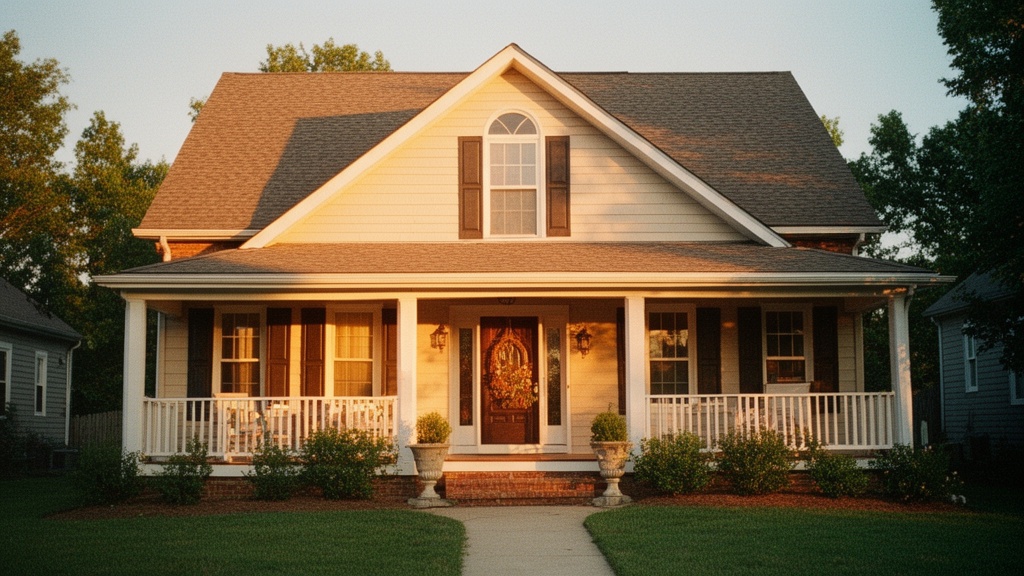
The dominant architectural styles in Fig Garden are mid-century ranch homes, Spanish Colonial Revival cottages, and English Tudor Revival properties built primarily between the 1920s and the 1960s. Newer construction is rare inside the core of the area, which means you are almost always buying an older home with character, and sometimes with older systems. Roof ages, original plumbing, and HVAC condition matter more here than in a newer Fresno subdivision.
In Old Fig Garden specifically, you will find some of the most architecturally significant residential properties in all of Fresno. Homes on streets like Van Ness Boulevard and Millbrook Avenue often sit on lots of 10,000 square feet or more, with mature landscaping that took decades to establish. These properties command a premium and tend to move quickly when priced correctly.
Lot Sizes and Architecture
Lot sizes across Fig Garden vary more than most buyers expect. Smaller parcels in the 6,000 to 8,000 square foot range are common closer to Blackstone Avenue, while the larger estates in Old Fig Garden can exceed 15,000 square feet. Home sizes typically range from about 1,400 square feet for a modest two-bedroom ranch to over 3,500 square feet for the larger Tudor and Colonial properties.
Proximity to Amenities
Fig Garden Village, the open-air shopping center at Palm and Shaw, puts grocery stores, restaurants, and specialty retailers within a short walk or a two-minute drive for most Fig Garden residents. The Fig Garden Golf Course runs along the western edge of the area, and Woodward Park is roughly a ten-minute drive north on Friant Road. For commuters, Highway 41 access is a short drive east, and the drive to downtown Fresno runs about fifteen minutes depending on traffic.
2. The Step-by-Step Process for Buying a Home in Fig Garden
The process of buying a home in Fig Garden follows the same broad arc as any Fresno purchase, but a few steps carry extra weight in this market because inventory is limited and well-priced homes attract multiple offers. Here is how it unfolds from start to finish.
Getting Pre-Approved
Pre-approval is not optional in Fig Garden. Sellers in this price range expect to see a lender letter before they will seriously consider an offer, and listing agents will sometimes decline to schedule showings without one. A pre-approval letter from a reputable lender, ideally one familiar with Fresno transactions, tells the seller you have been vetted and are ready to perform.
To get pre-approved, you will need two years of tax returns, recent pay stubs, two to three months of bank statements, and documentation of any other assets. The lender will pull your credit and issue a letter stating the maximum loan amount you qualify for. The NAR's consumer guide on preparing for homeownership has a clear breakdown of what lenders look at and how to strengthen your application before you apply.
Finding the Right Property
Fig Garden does not have a high volume of active listings at any given time. In September 2026, the number of homes actively for sale in the Fig Garden area of Fresno typically sits in the low to mid double digits across all price points, which means you need to move quickly when the right property appears and you need to know what you want before it does.
Work with an agent who has active experience in this specific area, not just general Fresno experience. An agent with Fig Garden transaction history will know which streets flood in heavy rain years, which properties have had permit issues, and which sellers are motivated versus testing the market. If you are still evaluating agents, the article on what questions to ask when interviewing a real estate agent in Fresno is a useful starting point.
Making an Offer and Negotiating
Once you find a home you want, your agent will prepare a California Residential Purchase Agreement. This document sets the purchase price, your earnest money deposit amount, the length of your contingency periods, and your proposed closing date. In Fig Garden, earnest money deposits of one to three percent of the purchase price are standard, though competitive offers sometimes go higher.
Negotiation in this market is nuanced. A home priced at $750,000 that has been sitting for thirty or more days may have room for negotiation. A home priced at $650,000 that just listed and has had multiple showings in the first weekend probably does not. Your agent's read on the seller's motivation and the listing's market history matters enormously at this stage.
Escrow, Inspections, and Contingencies
Once the seller accepts your offer, you open escrow with a neutral third-party escrow company. In Fresno, escrow companies handle the transfer of funds and the title work simultaneously. Your earnest money deposit goes into the escrow account within three business days of acceptance.
The inspection contingency period, typically seventeen days in a California contract, is when you order a general home inspection, a pest inspection, and any specialty inspections the property warrants. For older Fig Garden homes, a sewer lateral inspection and a roof inspection are worth adding to the standard package. If the inspections reveal material issues, you can request repairs, ask for a price reduction, or cancel the contract and recover your deposit.
The loan contingency period gives your lender time to finalize your financing. The appraisal, ordered by the lender, confirms that the property value supports the loan amount. For a detailed look at what happens between signing and closing, the NAR's consumer guide on steps between signing and closing covers each milestone clearly.
3. Real Costs to Budget When Buying in Fig Garden
The purchase price is only part of what you will spend. Buyers in Fig Garden consistently underestimate the full cost of acquisition, and that gap can cause real problems at the closing table. Here is a clear breakdown of what to expect.
Purchase Price and Down Payment
As of September 2026, median home prices in the Fig Garden area of Fresno range broadly depending on the specific pocket and the home's condition. Entry-level properties, typically smaller ranch homes needing cosmetic updates, are priced in the $480,000 to $580,000 range. Mid-range updated homes with three or four bedrooms run from roughly $600,000 to $800,000. Larger, well-maintained Old Fig Garden properties on generous lots can exceed $900,000 and in some cases surpass $1.1 million.
Down payment requirements depend on your loan type. A conventional loan typically requires 5 to 20 percent down. On a $700,000 purchase, that is $35,000 at 5 percent or $140,000 at 20 percent. Putting down 20 percent eliminates private mortgage insurance, which on a $700,000 purchase can run $150 to $250 per month. FHA loans allow as little as 3.5 percent down but require mortgage insurance for the life of the loan if your down payment is under 10 percent.
Closing Costs
Closing costs for buyers in California typically run between 1.5 and 3 percent of the purchase price, in addition to your down payment. On a $700,000 Fig Garden home, that means budgeting an additional $10,500 to $21,000 at closing. These costs include lender origination fees, title insurance, escrow fees, prepaid homeowners insurance, and property tax reserves that the lender collects upfront.
Specific closing cost line items to anticipate include: lender origination fees of roughly 0.5 to 1 percent of the loan amount; title insurance for the lender (required) and for yourself as the buyer (strongly recommended) at a combined cost of approximately $2,500 to $4,000 on a $700,000 purchase; escrow fees split between buyer and seller, with your share typically running $1,500 to $2,500; and prepaid interest covering the days between closing and the end of the month.
Ongoing Ownership Costs
Property taxes in Fresno County are assessed at approximately 1.1 percent of the purchase price annually under Proposition 13, meaning a $700,000 Fig Garden home generates roughly $7,700 in annual property taxes, or about $642 per month added to your mortgage payment. Homeowners insurance for a home in this price range in the Fresno area runs approximately $1,500 to $2,500 per year depending on the home's age, size, and coverage level.
Maintenance costs deserve serious attention in Fig Garden. Homes built in the 1940s and 1950s may have original galvanized plumbing that is approaching the end of its service life, older electrical panels that may not meet current load demands, and roofs that have been replaced once or twice. A realistic maintenance reserve for an older Fig Garden home is one to two percent of the home's value per year, which on a $700,000 property means setting aside $7,000 to $14,000 annually.
4. How Long the Process Actually Takes
The timeline for buying a home in Fig Garden varies based on how quickly you find the right property and how smoothly your financing proceeds. Here is a realistic breakdown of each phase.
Search Phase
Because Fig Garden has limited inventory, the search phase can stretch longer than buyers expect. Buyers who are specific about what they want, a particular street, a minimum lot size, a specific architectural style, may wait two to four months before the right home comes to market. Buyers with more flexibility can often find a suitable property within four to eight weeks of starting their active search.
Having your pre-approval in hand before you start touring homes compresses this phase considerably. You will not lose time scrambling for financing when a home you want hits the market on a Friday afternoon. In a low-inventory area like Fig Garden, that preparation can be the difference between getting an offer accepted and watching someone else close on the home you wanted.
Contract to Close
Once your offer is accepted, the standard California escrow period runs 30 to 45 days for a financed purchase. Cash buyers can sometimes close in 14 to 21 days. The 30-day escrow period breaks down roughly as follows: the first week covers inspection scheduling and the opening of escrow; the second week is typically when inspections are completed and any repair requests are negotiated; the third week is when the lender orders the appraisal and processes the loan; the final week is for loan approval, signing loan documents, and funding.
Total Timeline Estimate
From the day you start the pre-approval process to the day you receive the keys, buying a home in Fig Garden realistically takes three to six months for most buyers. Pre-approval takes one to two weeks. The active search phase averages four to ten weeks depending on your criteria and the current inventory level. Escrow adds another 30 to 45 days. Buyers who go in expecting a 90-day process and find it takes 150 days are not doing anything wrong; they are simply experiencing a low-inventory market.
5. Common Mistakes Buyers Make in Fig Garden
Buying a home in Fig Garden is a significant financial commitment, and a few recurring mistakes cost buyers either money or the home they wanted. Knowing them in advance puts you in a stronger position.
Skipping the Pre-Approval Step
Some buyers start touring Fig Garden homes before they have spoken to a lender, assuming the pre-approval is a formality they can handle later. In a market where a desirable home can receive multiple offers within 72 hours of listing, later is often too late. Getting pre-approved first is not bureaucratic box-checking; it is how you stay competitive.
Underestimating Renovation Costs
A Fig Garden home priced at $520,000 because it needs a new kitchen and updated bathrooms is not necessarily a bargain. Kitchen renovations in Fresno currently run $40,000 to $80,000 depending on scope and finishes. A bathroom remodel can add another $15,000 to $30,000. If the home also needs a new roof ($12,000 to $20,000) or updated electrical ($8,000 to $15,000), the true cost of ownership can push well past what a move-in-ready property would have cost. Get contractor estimates before you remove inspection contingencies on a fixer.
Misjudging the Competition
Fig Garden attracts buyers who have done their research and have the financial capacity to act. When a well-priced, well-maintained home comes to market, it is not unusual to see three to five offers submitted within the first week. Buyers who wait to see if the price drops, or who submit low initial offers hoping to negotiate up, often lose to buyers who made a strong first offer. Your agent's ability to read the listing's competitive situation accurately is critical.
If you are relocating to Fresno and trying to navigate Fig Garden from out of town, the article on how to find a good buyer's agent when relocating to Fresno covers the specific challenges of buying in a market you cannot visit easily.
For buyers who are also considering other parts of Fresno, the broader guide on homes for sale in Fresno gives useful context on how Fig Garden compares to other Fresno submarkets in terms of price, inventory, and housing type.
FAQ
What is the typical earnest money deposit when buying a home in Fig Garden?
In Fig Garden, earnest money deposits typically run between one and three percent of the purchase price. On a $700,000 home, that means $7,000 to $21,000 deposited into escrow within three business days of offer acceptance. In competitive situations where multiple offers are expected, some buyers choose to offer a higher earnest money deposit to signal commitment to the seller. The deposit is not an additional cost; it is credited toward your down payment and closing costs at the close of escrow. If you cancel the contract within your contingency periods for a legitimate reason, the deposit is refunded.
Can I buy a home in Fig Garden with an FHA loan?
Yes, FHA loans are usable in Fig Garden, but there are two practical considerations. First, the FHA loan limit for Fresno County as of 2026 is $524,225 for a single-family home, which means FHA financing does not cover the majority of Fig Garden's price range without a significant down payment to bridge the gap. Second, some sellers in this price range prefer conventional or cash offers because FHA appraisals can be more stringent and the process slightly longer. If you are using FHA financing in Fig Garden, your agent needs to be upfront with sellers about your loan type and timeline from the start.
How competitive is the Fig Garden market right now and do I need to offer over asking price?
As of September 2026, Fig Garden remains a market with limited inventory and consistent buyer demand, which means well-priced homes in good condition do attract multiple offers. Whether you need to offer over asking price depends heavily on the individual property, how long it has been listed, and how it is priced relative to recent comparable sales. A home that has been on the market for 45 days is in a different negotiating environment than one that listed three days ago. Your agent should pull the most recent sold comparables and days-on-market data before advising you on offer strategy. Blanket rules like 'always offer 5 percent over asking' are not useful here; the right number is property-specific.