
← Back to Blog
Market Trends
Investment Property Guide for Fresno, California: What Every Investor Needs to Know
By Yashu Toprani
Aluisi Real Estate
September 20, 2026 · 11 min read
This investment property guide for Fresno, California covers everything you need to make a well-informed decision: current price ranges, rental market conditions, property types worth considering, financing options, and the local factors that directly affect your return. Fresno has drawn growing attention from California investors who want cash-flow potential without the entry costs of Los Angeles or the Bay Area, and the numbers behind that interest are worth examining closely.
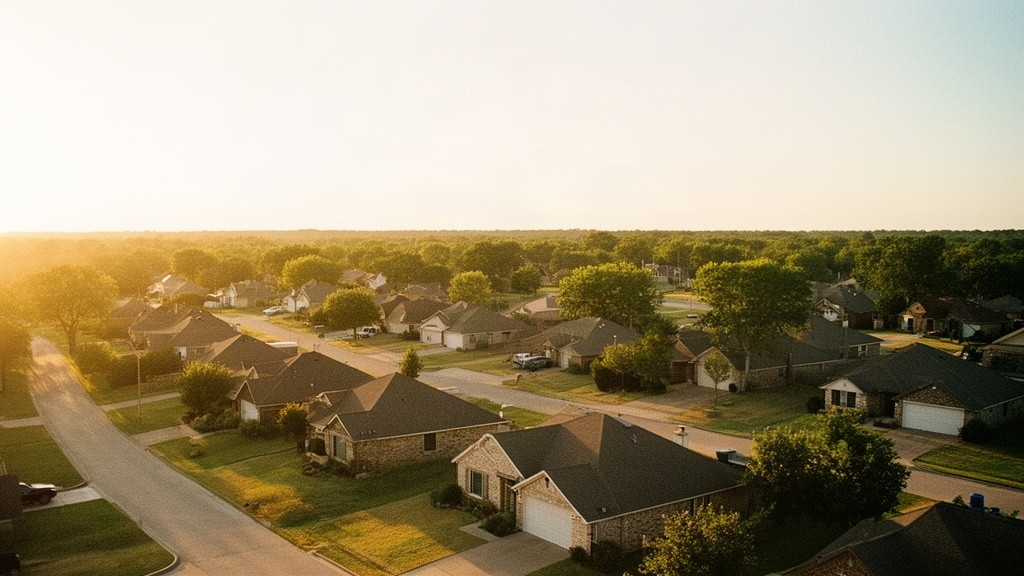
1. Why Fresno Attracts Real Estate Investors Right Now
Fresno offers a combination of relatively low acquisition costs and a large renter population that is difficult to find elsewhere in California. As of September 2026, the median home price in Fresno sits in the low-to-mid $300,000s, a fraction of what the same capital would buy in San Jose or San Francisco. That gap is the core reason investors from coastal markets have been moving money into the Central Valley.
For a broader California context, Forbes Advisor's California housing market analysis shows that inland metros have held up better on affordability metrics than coastal cities, which helps explain why Fresno continues to see investor interest even as statewide inventory tightens.
Price-to-Rent Dynamics in the Central Valley
The price-to-rent ratio is one of the first numbers an investor should calculate, and Fresno's ratio compares favorably to most California metros. A property purchased for $320,000 that rents for $1,900 per month produces a gross rent multiplier around 14, which is considerably more attractive than a comparable coastal property priced at $800,000 renting for $3,200. The math on cash flow, while never guaranteed, starts from a better position in Fresno.
Fresno County's homeownership rate hovers around 47 percent, meaning more than half of all households rent. That structural renter base provides a broad pool of prospective tenants across price points, from workforce housing near downtown and the Tower District to more recently built single-family rentals on the northwest side near Herndon Avenue and Shaw Avenue corridors.
Population and Job Market Context
Fresno is the fifth-largest city in California, with a metro population exceeding 1.1 million people. Major employers include Community Regional Medical Center, Fresno Unified School District, the City of Fresno, Valley Children's Hospital, and a significant agricultural sector anchored by companies processing and distributing Central Valley produce. California State University, Fresno (Fresno State) also supports a consistent demand for rental housing near the campus on Shaw Avenue.
The ongoing expansion of logistics and distribution facilities along the Highway 99 corridor has added warehouse and transportation jobs over the past several years, broadening the employment base beyond agriculture and healthcare. A more diversified local economy generally means more stable rental demand, which matters to investors who are modeling five- to ten-year holding periods.
2. Fresno Investment Property Types and What They Cost
Fresno's housing stock spans a wide range of property types, each with different acquisition costs, maintenance profiles, and tenant demographics. Understanding what is available in each segment, and what it costs right now, is the starting point for any serious investment property analysis.
Single-Family Rentals
Single-family homes represent the most common investment property type in Fresno. Entry-level rentable homes in central and southeast Fresno, in areas like Sunnyside and Woodward Park, can be found in the $250,000 to $330,000 range for three-bedroom properties built between the 1960s and 1990s. These homes typically feature stucco exteriors, tile roofs, and concrete driveways common to Central Valley construction, and many sit on lots of 6,000 to 8,000 square feet.
Newer construction on the northwest side, particularly in developments along Copper Avenue and in the Bullard High attendance area, runs from $380,000 to $500,000 for four-bedroom homes built after 2005. These command higher rents but also carry higher acquisition costs, so the yield math is tighter. Investors targeting strong appreciation potential alongside rental income tend to look at this corridor, while those prioritizing current cash flow often focus on older central-Fresno inventory.
Small Multifamily Properties
Duplexes, triplexes, and four-unit buildings are available throughout central and older north Fresno, often near the Tower District on Olive Avenue, around Blackstone Avenue, and in pockets near downtown. A duplex in these areas currently lists in the $300,000 to $420,000 range depending on condition and unit size. Four-plexes, which represent the largest property still eligible for residential financing, typically range from $480,000 to $650,000 in Fresno.
Small multifamily properties spread vacancy risk across multiple units and can generate stronger gross income per dollar invested than single-family homes. The trade-off is higher management complexity and, in older buildings, deferred maintenance items like aging electrical panels, galvanized plumbing, and flat roofs that require careful inspection before purchase. If you are considering the Tower District area specifically, the article on what it is like to live in the Tower District provides useful context on the neighborhood's physical character and tenant profile.
Condos and Townhomes
Condos and townhomes represent a lower entry price point, typically $170,000 to $280,000 in Fresno, and attract tenants who prefer low-maintenance living. The key constraint with condos is the homeowner association. HOA fees in Fresno condo communities commonly run $200 to $450 per month, and some HOAs restrict or prohibit rentals entirely. Before making an offer on any condo as an investment, review the CC&Rs and confirm the rental cap has not been reached.
3. Rental Income and Return Expectations in Fresno
Fresno's rental market has seen steady rent growth over the past three years, and as of September 2026, average rents remain below the statewide median, which keeps demand from tenants strong relative to supply. Understanding what rents are achievable, and what expenses will reduce that income, is essential before any purchase decision.
Current Rent Ranges by Property Size
As of September 2026, typical monthly rents in Fresno break down roughly as follows: one-bedroom units rent for $1,100 to $1,400; two-bedroom homes or apartments rent for $1,400 to $1,800; three-bedroom single-family homes rent for $1,700 to $2,200; and four-bedroom homes on the northwest side can reach $2,400 to $2,800 per month. Properties near Fresno State on the north side of Shaw Avenue, or within a short drive of Community Regional Medical Center on Fresno Street, tend to sit at the higher end of their respective ranges because of proximity to major employment and education anchors.
For a deeper look at how Fresno compares to other California markets on rental return metrics, ManageCasa's analysis of top rental ROI cities in California provides useful comparative data on gross yields and cap rates across inland and coastal metros.
Gross Yield vs. Net Return: What to Model
Gross yield is annual rent divided by purchase price, but net return is what actually matters. On a $320,000 Fresno property renting for $1,900 per month, gross yield is approximately 7.1 percent. After accounting for property taxes (roughly 1.1 to 1.25 percent of assessed value annually in Fresno County), property management fees of 8 to 10 percent of collected rent, insurance, vacancy allowance of 5 to 8 percent, and maintenance reserves of 1 percent of value per year, a realistic net operating income yield lands closer to 4 to 5 percent before debt service.
Property taxes in Fresno County are calculated on assessed value under Proposition 13, with a base rate of 1 percent plus local voter-approved bonds and assessments that typically bring the effective rate to 1.1 to 1.3 percent. For a detailed breakdown of how that calculation works, the article on property taxes in Fresno, California walks through the specifics of what to expect at different price points.
4. Financing an Investment Property in Fresno
Investment property financing in Fresno follows standard California lending rules, but the terms differ meaningfully from owner-occupied financing. Knowing what lenders require before you start shopping saves time and prevents surprises at the offer stage.
Conventional Investment Loans
For a non-owner-occupied single-family rental or small multifamily property, conventional lenders typically require a minimum 20 to 25 percent down payment and a credit score of at least 680, though scores above 720 unlock better pricing. Interest rates on investment property loans run approximately 0.5 to 0.875 percentage points higher than owner-occupied rates for the same loan amount and credit profile. On a $300,000 loan in September 2026's rate environment, that spread translates to a meaningful difference in monthly cash flow and should be factored into any pro forma.
Lenders will also count rental income toward qualification, but only a portion of it. Fannie Mae guidelines typically allow 75 percent of documented or market rent to be counted as qualifying income, with the 25 percent haircut representing a vacancy and expense buffer. If you are financing multiple investment properties, lenders will scrutinize your total debt-to-income ratio across all properties, so having clean records on existing rentals matters.
FHA House-Hacking and Other Strategies
House-hacking, buying a two-to-four unit property, living in one unit, and renting the others, is one of the most accessible entry points for first-time investors in Fresno. FHA loans allow as little as 3.5 percent down on owner-occupied properties up to four units, meaning a duplex priced at $380,000 could be purchased with roughly $13,300 down. The rental income from the second unit offsets a portion of the mortgage, and the owner builds equity while learning property management firsthand.
DSCR loans (Debt Service Coverage Ratio loans) have also become more widely available in Fresno through local and regional lenders. These qualify the borrower based on the property's rental income relative to its debt service rather than the borrower's personal income, making them useful for self-employed investors or those with complex tax returns. Typical DSCR loan requirements include a ratio of at least 1.0 to 1.25 and a down payment of 20 to 25 percent.
If you are newer to the home-buying process in Fresno and want a foundation before exploring investment-specific financing, the first-time home buyer guide for Fresno, California covers the general purchase process, closing costs, and what to expect from local lenders.
5. Due Diligence: What to Check Before You Buy in Fresno
Due diligence on an investment property in Fresno covers more ground than a standard owner-occupied purchase because every cost you miss becomes a drag on your return. The following areas deserve careful attention before you remove contingencies.
Property Taxes and Holding Costs
When you purchase a property in California, the assessed value resets to the purchase price, which means the current owner's tax bill is irrelevant to your pro forma. On a $340,000 purchase in Fresno County, expect an annual property tax bill in the range of $3,740 to $4,420 depending on which Mello-Roos and special assessment districts apply to that specific parcel. Newer developments on the northwest side, particularly those built after 2000, often carry additional Mello-Roos charges that can add $1,000 to $3,000 or more per year on top of the base tax.
Inspection Priorities for Central Valley Homes
Fresno's climate, with summer temperatures regularly reaching 100 to 107 degrees Fahrenheit, puts particular stress on HVAC systems, roofing, and attic insulation. An aging HVAC unit that works adequately in spring will fail under peak summer load, and replacement costs in the $5,000 to $12,000 range will erase months of rental income. Always request service records for the HVAC system and budget for replacement if the unit is more than 12 to 15 years old.
Concrete slab foundations are common in Fresno homes built after the 1960s, and while durable, they can develop cracks from expansive clay soils in certain parts of the city. A general home inspection should be supplemented with a sewer scope on any property over 25 years old, since clay sewer lines in older central-Fresno neighborhoods are prone to root intrusion and can cost $4,000 to $15,000 to repair or replace. Pool inspections are also worth adding for properties with pools, which are common in Fresno given the climate.
For context on typical closing timelines once you are under contract, including inspection periods and contingency deadlines, the article on how long it takes to close on a house in Fresno outlines what to expect at each stage.
Property Management Considerations
Self-managing a rental in Fresno is feasible if you live locally, but California landlord-tenant law is detailed and requires careful compliance with disclosure requirements, habitability standards, and security deposit rules. Professional property management companies in Fresno typically charge 8 to 10 percent of monthly collected rent for single-family homes, with leasing fees of half to one full month's rent when placing a new tenant. For out-of-area investors, professional management is generally worth the cost to avoid compliance exposure.
California also requires landlords to provide specific disclosures at lease signing, including a copy of the EPA lead-based paint disclosure for pre-1978 homes, a Megan's Law disclosure, and a natural hazard disclosure statement. Missing these disclosures can create legal liability, so either use a property manager who handles compliance or work closely with a real estate attorney when setting up your leases.
6. Fresno Market Conditions and What They Mean for Investors in 2026
Fresno's housing market in September 2026 is operating with relatively low inventory compared to pre-2020 norms, which keeps upward pressure on both sale prices and rents. That dynamic is useful for landlords holding existing properties but makes acquisition more competitive than it was three or four years ago.
New construction is adding inventory in targeted corridors, particularly in the northwest quadrant near Clovis and along the Highway 168 corridor toward Clovis North. For investors, new construction can offer warranty protection and lower near-term maintenance costs, but purchase prices are higher and rental yields are typically thinner than on resale properties. The article on new housing developments in Fresno in 2026 outlines what is currently being built and where.
Days on market for investment-grade properties in Fresno have been running 20 to 35 days on average this year, with well-priced turnkey rentals moving faster. Properties that need cosmetic work or have deferred maintenance tend to sit longer, which creates opportunity for investors willing to take on light renovation. Having financing pre-approved and a clear scope of work in mind before touring properties gives you a real competitive advantage in this market.
FAQ
Is Fresno, California a good market for rental property investment in 2026?
Fresno offers a combination of lower acquisition costs and a large renter population that produces gross rental yields more attractive than most California coastal markets. As of September 2026, median home prices in the low-to-mid $300,000s paired with rents ranging from $1,700 to $2,200 per month for three-bedroom homes create a price-to-rent ratio that supports cash-flow potential. The city's diversified employment base across healthcare, agriculture, education, and logistics provides a relatively stable tenant pool. That said, net returns depend heavily on financing costs, property taxes, management expenses, and vacancy rates, so running a detailed pro forma specific to each property is essential before purchasing. Working with a local agent who knows which pockets of Fresno produce the strongest rental performance helps narrow the search efficiently.
How much do I need to put down to buy an investment property in Fresno?
For a conventional non-owner-occupied loan on a single-family rental or small multifamily property in Fresno, most lenders require 20 to 25 percent down, plus closing costs that typically run 2 to 3 percent of the purchase price. On a $320,000 property, that means having $64,000 to $80,000 for the down payment plus roughly $6,400 to $9,600 in closing costs. Investors using a house-hacking strategy with an FHA loan on a two-to-four unit property they will occupy can put down as little as 3.5 percent, significantly lowering the cash requirement. DSCR loans are another option for investors who prefer to qualify on the property's income rather than personal income, though these typically require 20 to 25 percent down and carry slightly higher interest rates than conventional loans.
What are the biggest expenses to plan for when owning a rental property in Fresno?
The five largest ongoing expense categories for Fresno rental property owners are property taxes (typically 1.1 to 1.3 percent of assessed value annually), property management fees (8 to 10 percent of collected rent if professionally managed), insurance (landlord policies in Fresno generally run $1,000 to $2,000 per year for a single-family home), maintenance and repairs (budget 1 percent of property value annually as a baseline), and vacancy loss (plan for 5 to 8 percent of gross potential rent). HVAC systems are a particularly significant maintenance item in Fresno given the extreme summer heat, and replacement costs of $5,000 to $12,000 should be reserved for any property with an aging system. Newer construction reduces near-term maintenance exposure but comes with higher purchase prices that compress yields.