← Back to Blog
Market Trends
East Sacramento California Real Estate Market Guide: Prices, Neighborhoods and Timing
By Yuri Ramirez-Villanueva
September 15, 2026 · 10 min read
East Sacramento, California has the strongest track record of any inner-ring Sacramento neighborhood when it comes to consistent home value appreciation, low days-on-market figures, and a housing stock that buyers keep returning to decade after decade. This guide covers current prices as of September 2026, a block-by-block look at the sub-neighborhoods that make up East Sacramento, and the timing signals that matter most whether you are buying, selling, or relocating to the area.
1. Why East Sacramento Holds Its Value
East Sacramento holds its value because of a combination of irreplaceable housing stock, geographic constraints that limit new supply, and a location that keeps it within a short distance of downtown Sacramento. That combination is rare inside the city limits, and it is the reason this neighborhood has produced some of the most consistent appreciation numbers in the Sacramento metro over the past three decades.
A Housing Stock Built to Last
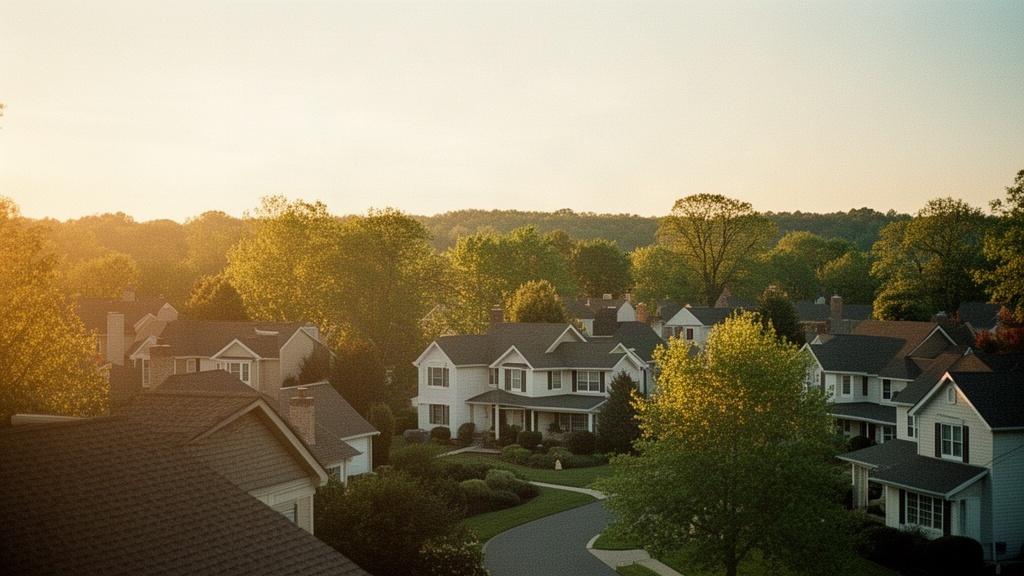
The majority of homes in East Sacramento were built between 1910 and 1960, with a heavy concentration of Craftsman bungalows, Tudor Revivals, Spanish Eclectic cottages, and Colonial Revival two-stories. These architectural styles carry a visual consistency that newer subdivisions cannot replicate. Lot sizes in the core of East Sacramento typically run from 5,000 to 8,500 square feet, with the larger parcels in the Fab Forties section reaching 10,000 square feet or more. Mature street trees, wide sidewalks, and alley-accessed garages give the area a streetscape that buyers consistently cite as a primary reason for their interest.
Proximity to the Urban Core
East Sacramento sits roughly two to four miles east of downtown Sacramento, depending on which block you are starting from. That puts most of the neighborhood within a 10 to 15 minute drive to the Capitol building, the Golden 1 Center, and the central business district during off-peak hours. The area is also served by Sacramento Regional Transit light rail at the 65th Street station, which connects riders to downtown in under 20 minutes. That accessibility has made East Sacramento a consistent draw for people who want an established residential feel without sacrificing urban convenience.
Land Scarcity and Lot Sizes
New construction inside East Sacramento is extremely limited. The neighborhood is essentially built out, which means the total number of single-family homes available at any given time is small relative to demand. When inventory is constrained and demand stays steady, prices tend to hold. That dynamic has played out repeatedly in East Sacramento through multiple market cycles, including the corrections of 2008 to 2012, when values in this submarket declined less sharply and recovered more quickly than outlying Sacramento zip codes.
2. East Sacramento Prices and Market Conditions in September 2026
As of September 2026, East Sacramento remains one of the higher-priced residential submarkets inside the Sacramento city limits, with median single-family home prices running between $820,000 and $1,050,000 depending on the specific block and condition of the property. Updated Sacramento-wide market data from Norada Real Estate can give you additional context on broader pricing trends across the metro.
Median Price and Price Per Square Foot
The median sale price for a detached single-family home in East Sacramento (zip codes 95819 and 95816 where they overlap with the neighborhood) sits near $910,000 in September 2026. Price per square foot in the core of the neighborhood runs approximately $480 to $580, with fully renovated Craftsman and Tudor homes on oversized lots regularly closing above $600 per square foot. Entry-level opportunities, typically smaller bungalows under 1,200 square feet that need cosmetic updating, can still be found in the $720,000 to $800,000 range, though they move quickly when priced correctly.
Days on Market and Inventory
Well-priced homes in East Sacramento are currently spending an average of 12 to 18 days on market before going under contract, which is meaningfully shorter than the Sacramento county-wide average of roughly 28 to 35 days in September 2026. Active inventory in the neighborhood at any given time tends to hover between 25 and 45 single-family listings, a figure that keeps the market competitive without tipping into the frenzied multiple-offer environment seen in 2021 and 2022. Buyers generally have enough time to conduct due diligence, but they cannot afford to delay decisions by weeks.
How East Sacramento Compares to the Broader Sacramento Market
The Sacramento metro-wide median home price as of September 2026 sits closer to $520,000 to $560,000 for detached single-family homes, which means East Sacramento trades at a significant premium. That premium is not new. It has existed consistently for at least 25 years and reflects the neighborhood's combination of location, architecture, and lot quality. For buyers comparing East Sacramento to newer suburban communities in Elk Grove, Roseville, or Rancho Cordova, the price difference is real, but so is the difference in what you are getting: an established urban neighborhood with mature landscaping, walkable retail, and a commute measured in miles rather than freeways.
If you are weighing whether current Sacramento market conditions make this the right moment to act, the article on buying now versus waiting in Sacramento's 2026 market breaks down the timing question in detail.
3. The Sub-Neighborhoods of East Sacramento
East Sacramento is not a single uniform neighborhood. It is a collection of distinct residential pockets, each with its own street character, price range, and housing mix. Understanding these distinctions helps buyers target their search and helps sellers understand where their home sits within the local pricing hierarchy.
Fab Forties and Elmhurst
The Fab Forties refers to the blocks between 40th and 49th Streets, roughly from H Street to Folsom Boulevard, and it represents the upper end of East Sacramento's price spectrum. Homes here are larger, lots are wider, and the street tree canopy is among the densest in the city. A fully renovated four-bedroom home in the Fab Forties can comfortably exceed $1.3 million, and off-market sales in this section are not uncommon. Elmhurst, which sits to the south and east of the Fab Forties core, features a slightly smaller home scale with more bungalow-style properties and prices that typically run $750,000 to $950,000 for move-in-ready homes.
McKinley Park and Boulevard Park
McKinley Park is anchored by the 32-acre McKinley Park itself, which includes a rose garden, a duck pond, a public pool, tennis courts, and a branch of the Sacramento Public Library. Homes within a two-block radius of the park command a noticeable premium and tend to sell faster than comparable homes located further from the greenspace. Boulevard Park, which sits just west of the Fab Forties near 34th Street, features some of the most intact early-20th-century streetscapes in the city, with a central median boulevard lined with mature trees. Prices in Boulevard Park for detached homes run from approximately $800,000 to $1.1 million depending on size and renovation level.
Tahoe Park and Oak Park Edges
Tahoe Park sits at the southeastern edge of what many buyers consider the East Sacramento footprint, centered around Tahoe Park itself at 57th and 4th Avenue. Homes here are generally more modest in size, with many properties in the 900 to 1,400 square foot range on standard 5,000 to 6,000 square foot lots. Prices run lower than the Fab Forties core, typically $600,000 to $780,000, making this section an entry point for buyers who want proximity to East Sacramento without the higher price tag of blocks closer to McKinley Park. The edges near Oak Park have seen renovation activity in recent years, with older homes being updated and brought back to market.
4. Commute, Amenities, and Day-to-Day Life
East Sacramento's day-to-day livability is one of the reasons it commands a premium and holds value through market cycles. The neighborhood has walkable retail, multiple parks, and transit access that most Sacramento zip codes do not offer.
Getting Downtown and Beyond
By car, most East Sacramento addresses are 10 to 20 minutes from downtown Sacramento during standard commute hours, depending on whether you are heading to the Capitol area or to a job site further west. The 65th Street light rail station on the Gold Line provides a car-free option to downtown in roughly 18 to 22 minutes. Cyclists use the American River Bike Trail, which connects East Sacramento to Old Sacramento and extends east toward Folsom, making it one of the more practical cycling corridors in the region. For regional travel, Sacramento International Airport is approximately 25 to 30 minutes by car from most East Sacramento addresses via Interstate 80.
Parks, Retail, and Dining Along J Street
J Street between 40th and 58th serves as East Sacramento's main commercial corridor, with independent restaurants, coffee shops, a grocery anchor at the Bel Air on 48th and J, and a mix of local retail that has remained relatively stable for decades. The Fab Forties section of J Street in particular has a walkable strip that residents can access on foot from many of the surrounding blocks. Midtown Sacramento, which borders East Sacramento to the west, adds additional dining and nightlife options within a short drive or bike ride. For a detailed look at what daily life in Midtown looks like, the Midtown Sacramento day-to-day living guide covers the neighborhood thoroughly.
Schools: What to Research and Where to Look
East Sacramento falls within the Sacramento City Unified School District. If school assignments are a factor in your decision, the Sacramento City Unified School District website and the California Department of Education's school finder tool are the most accurate sources for current attendance boundaries, program offerings, and enrollment information. Because school assignments can change and personal priorities vary widely, this is a decision worth researching directly through official sources rather than relying on third-party rankings.
5. Timing the East Sacramento Market: When to Buy and When to Sell
Timing in East Sacramento follows some of the same seasonal patterns as the broader Sacramento market, but with tighter inventory it can feel more compressed. Understanding those patterns gives both buyers and sellers a real advantage.
Seasonal Patterns in East Sacramento
The spring listing season, typically March through May, produces the highest number of new listings and the most competitive buyer activity in East Sacramento. Homes listed in this window tend to attract multiple offers when priced at or slightly below market value. Summer activity remains strong through July, then softens slightly in August as families settle before the school year. September, which is where the market sits right now, is historically a solid window for sellers because serious buyers who did not find a home during the spring are still active, and competition from other listings is lower than it was in April or May.
What Buyers Should Watch Right Now
In September 2026, buyers in East Sacramento are operating in a market where mortgage rates remain a meaningful factor in purchasing power. The homes that have sat on the market for more than 30 days represent opportunities where sellers may be more willing to negotiate on price or terms. Buyers should also pay close attention to permit history on older homes, since many East Sacramento properties have had additions or renovations over the decades that may or may not have been properly permitted. A thorough inspection and a review of city permit records is worth the time before submitting an offer.
For a broader look at how to read Sacramento market data before making a move, the guide on reading Sacramento real estate listings and market signals is a useful companion to this article.
What Sellers Should Know in September 2026
Sellers in East Sacramento who price accurately and present their homes well are still achieving sale prices at or above asking in September 2026, particularly for properties in the McKinley Park and Fab Forties sections. Overpricing remains the single most common mistake in this submarket. Because East Sacramento buyers tend to be experienced and often work with agents who know the neighborhood well, a home priced 10 to 15 percent above comparable sales will sit, accumulate days on market, and ultimately sell for less than it would have at a well-researched list price. Sellers who are debating whether to list now or hold should also consider that the fall window through October tends to produce motivated buyers before the holiday slowdown sets in.
If you are a seller weighing your options across the Sacramento market more broadly, the article on whether to sell your Sacramento home now or wait walks through the key considerations in detail.
FAQ
What is the current median home price in East Sacramento as of September 2026?
The median sale price for a detached single-family home in East Sacramento is approximately $910,000 as of September 2026, with price per square foot running between $480 and $580 for most of the neighborhood. Fully renovated homes on larger lots in the Fab Forties section can exceed $600 per square foot and push total sale prices above $1.3 million. Entry-level bungalows that need updating can still be found in the $720,000 to $800,000 range, though they tend to move quickly. These figures represent a significant premium over the Sacramento county-wide median of roughly $520,000 to $560,000, a gap that has persisted for decades due to East Sacramento's constrained supply and location.
How long do homes typically stay on the market in East Sacramento?
Well-priced homes in East Sacramento are currently averaging 12 to 18 days on market before going under contract, compared to a Sacramento county-wide average of 28 to 35 days in September 2026. This shorter timeline reflects the neighborhood's consistently low inventory and steady buyer demand. Homes that are overpriced relative to comparable sales can sit considerably longer, sometimes 45 days or more, which tends to create negotiating leverage for buyers. The fastest-moving properties are typically those in the McKinley Park and Fab Forties areas that are priced accurately and in move-in condition.
Is East Sacramento a good place to buy real estate for long-term value?
East Sacramento has demonstrated one of the most consistent long-term appreciation records of any inner-ring Sacramento neighborhood, driven by a combination of scarce land, irreplaceable pre-war housing stock, and proximity to downtown Sacramento. During the market correction of 2008 to 2012, values in East Sacramento declined less sharply than in outlying Sacramento zip codes and recovered more quickly. The neighborhood's built-out character means new supply is minimal, which supports prices when demand remains steady. Buyers should still conduct thorough due diligence on individual properties, including permit history and physical condition, since the age of the housing stock means deferred maintenance can be a factor. For personal guidance on whether East Sacramento fits your specific financial situation, speaking with a local agent who knows the submarket well is the most useful next step.