← Back to Blog
Neighborhoods
What is it actually like to live in the Midtown Sacramento neighborhood day to day
By Yuri Ramirez-Villanueva
September 11, 2026 · 12 min read
If you are trying to figure out what it is like to live in the Midtown Sacramento neighborhood day to day, the short answer is this: it is walkable, dense, historically layered, and unlike anywhere else in Sacramento. This guide covers the real texture of daily life, from what groceries cost and how long the commute takes, to what the housing stock looks like and what you will hear from your front porch on a Saturday morning.
1. The Physical Layout of Midtown Sacramento
Midtown Sacramento sits between downtown to the west and East Sacramento to the east, roughly bounded by the Capitol Mall area at 16th Street and stretching out to about 29th Street, with R Street to the south and the American River corridor influencing the northern edge. The neighborhood's zip code is 95811, and it covers about one square mile of some of the most walkable urban terrain in Northern California.
Street Grid and Walkability
Sacramento's famous grid layout is at its most functional in Midtown. Streets run alphabetically north to south (A through R, with a few variations) and numerically east to west. Once you know the system, navigation becomes second nature within a week. Walk Score rates Midtown consistently above 90, meaning most daily errands can be completed on foot. That is not a marketing phrase; it reflects the actual density of shops, cafes, pharmacies, and restaurants packed into the grid.
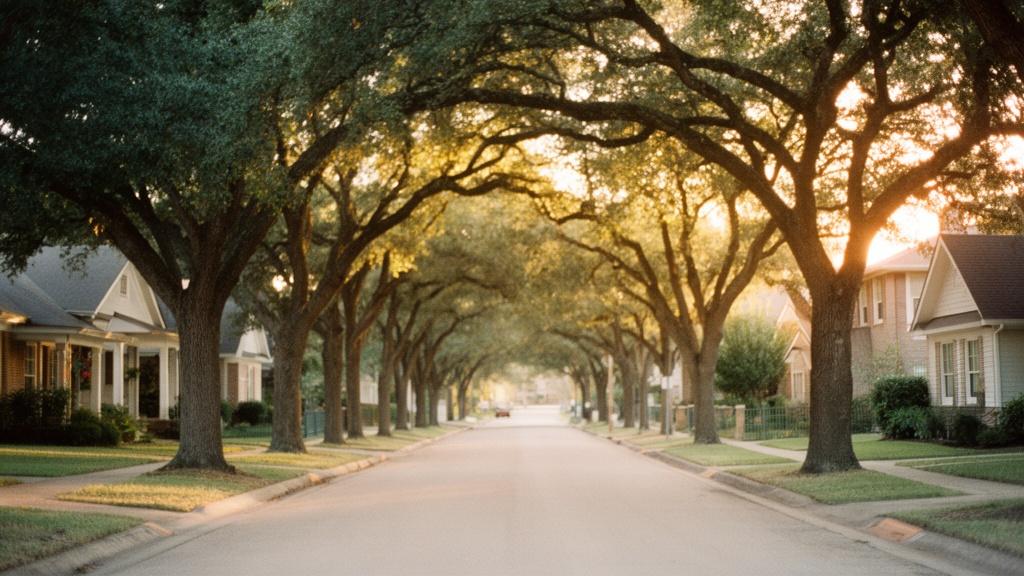
The sidewalks are wide and shaded by mature trees, many of them planted decades ago. Midtown's tree canopy is one of the densest in Sacramento, which matters more than it sounds in a city where summer temperatures regularly reach 100 degrees Fahrenheit. The shade makes walking and cycling tolerable even in July and August, when neighborhoods without mature trees become far less pleasant to move through on foot.
Housing Stock and Architecture
Midtown's housing stock is one of the most architecturally varied in Sacramento. You will find Craftsman bungalows from the 1910s and 1920s sitting next to Victorian-era homes, mid-century apartment buildings, and newer infill condos built in the 2000s and 2010s. Lot sizes tend to be smaller than in suburban Sacramento, typically ranging from 3,000 to 5,500 square feet for single-family homes, with many properties featuring detached garages that have been converted to studios or accessory dwelling units.
Condos and townhomes are common throughout the neighborhood, particularly along the R Street Corridor and near the light rail stops on K Street. Multi-unit buildings range from small four-plexes tucked between bungalows to larger six-story mixed-use developments. This variety means buyers at different price points can find something in Midtown, though competition for the most charming single-family homes tends to be significant.
2. What Day-to-Day Life in Midtown Sacramento Actually Looks Like
Living in the Midtown Sacramento neighborhood day to day has a rhythm that is distinctly urban but without the anonymity of a major metro. You will recognize your neighbors, know the barista at your corner coffee shop by name, and walk past the same street murals every morning. The neighborhood is alive at most hours, but it is not relentlessly loud the way some downtown cores can be.
Morning Routines and Coffee Culture
Coffee shops are woven into the fabric of Midtown in a way that shapes the morning pace of the whole neighborhood. Temple Coffee Roasters on 21st Street is one of the most recognized, but there are also independent spots like Chocolate Fish Coffee on R Street and a rotating cast of newer cafes that open in the neighborhood's ground-floor retail spaces. On weekday mornings, the sidewalk tables fill by 7:30 a.m. with people working remotely, meeting colleagues, or simply reading before heading to the Capitol district a few blocks west.
Getting Around Without a Car
Many Midtown residents own a car but use it only a few times a week. The Sacramento Regional Transit light rail runs along K Street with stops at 16th Street and beyond, connecting Midtown directly to downtown Sacramento, the Sacramento Valley Station (Amtrak), and the broader light rail network that reaches Folsom and Elk Grove. The ride from Midtown to the Capitol building on foot takes about 15 minutes; by bike, closer to 7 minutes.
Sacramento has invested significantly in protected bike infrastructure through Midtown, and the city's bike share program, JUMP (now operated through third-party providers), gives residents another low-cost option. For longer trips, Highway 50 and Interstate 80 are accessible within about 10 minutes from most Midtown addresses, connecting residents to the greater Sacramento metro, the Bay Area via I-80, and the Sierra Nevada foothills to the east.
Grocery Shopping and Errands
Grocery options in Midtown are genuinely walkable for most residents. The Sacramento Natural Foods Co-op on R Street has served the neighborhood for decades and functions as both a grocery store and a community gathering point. A Safeway sits on the eastern edge of Midtown near 29th Street, and the Sacramento Central Farmers Market at Cesar Chavez Plaza runs year-round on Sundays, drawing vendors from the Central Valley with fresh produce, meats, and specialty goods.
Pharmacies, dry cleaners, hardware stores, and medical offices are distributed throughout the grid, so most practical errands do not require a car trip. UC Davis Medical Center, one of the region's largest hospital systems, sits at the southern edge of Midtown near Broadway, which means urgent care and specialty medical services are close for residents who need them.
3. Food, Nightlife, and the Social Scene
Midtown Sacramento's restaurant and bar scene is the most concentrated in the city, and it is one of the primary reasons people choose the neighborhood over other parts of Sacramento. The density of dining options along K Street, L Street, and the R Street Corridor means residents can eat somewhere different every night for weeks without repeating.
Restaurants and Bars on Every Block
The R Street Corridor has become Sacramento's most talked-about dining destination over the past decade. Restaurants like Empress Tavern, housed inside the historic Crest Theatre building, and Tank House BBQ anchor the strip, while newer spots continue to open in the corridor's repurposed warehouse spaces. The area between 15th and 21st Streets along R Street has transformed from a light-industrial zone into a stretch of restaurants, breweries, and event venues that draw visitors from across the region.
Midtown's bar scene skews toward neighborhood bars rather than large clubs, which shapes the social texture of the area. Bars like Badlands, Faces, and numerous wine bars and craft beer spots are scattered throughout the grid. Friday and Saturday nights on K Street between 20th and 28th Streets bring foot traffic and street energy, but the neighborhood does not have the concentrated late-night noise issues that some purely entertainment-zoned areas face.
Arts, Music, and Community Events
Midtown hosts more public art and community events per square mile than any other Sacramento neighborhood. Second Saturday Art Walk, held on the second Saturday of every month, draws thousands of people to galleries, studios, and pop-up exhibitions throughout the neighborhood. It has run continuously since the 1990s and remains one of the most consistent community events in Sacramento. The Crest Theatre on K Street and the Guild Theatre on Freeport Boulevard (just south of Midtown) bring live music and independent film to residents year-round.
Street murals are everywhere in Midtown, many of them commissioned through the city's public art program or painted by artists during events like Wide Open Walls. Walking the neighborhood means passing large-scale works on building sides, utility boxes, and alley walls. This visual density is part of what makes Midtown feel distinctly different from Sacramento's suburban corridors, and it is something residents consistently mention as a feature of daily life they did not expect to value as much as they do. As Inman reported in their coverage of Sacramento's urban revival, the investment in arts and street-level culture has been a key driver of Midtown's sustained appeal.
4. Parks, Green Space, and Outdoor Life
Green space is one of the more underappreciated aspects of living in Midtown Sacramento day to day. The neighborhood's tree canopy provides shade at street level, but there are also several parks within easy walking distance that give residents genuine outdoor space without leaving the neighborhood.
McKinley Park and the Rose Garden
McKinley Park sits at the eastern edge of Midtown, straddling the boundary with East Sacramento, and covers about 32 acres. It includes a public pool, tennis courts, a running track, a children's play area, and the McKinley Rose Garden, which contains more than 1,200 rose plants and is one of the most visited public gardens in Sacramento. On weekend mornings, the park fills with joggers, dog walkers, and families using the picnic areas. The Sacramento Public Library branch inside the park is one of the city's busiest.
Smaller parks are distributed throughout the Midtown grid as well. Fremont Park at 16th and Q Streets is a neighborhood anchor with a fountain, mature trees, and open lawn. Sutter's Fort State Historic Park, at 27th and L Streets, gives residents access to a preserved adobe fort from Sacramento's earliest settlement period, along with the California State Indian Museum next door. These are not just tourist stops; they are places Midtown residents walk to on a regular basis.
The American River Parkway Access
The American River Parkway, a 23-mile paved bike and pedestrian trail, is accessible from Midtown within about a 15-minute bike ride. The trail runs from Discovery Park near the confluence of the Sacramento and American Rivers all the way to Folsom Lake, passing through riparian woodland with egrets, herons, and river otters visible along the way. For residents who want to cycle, run, or kayak regularly, this access is a significant feature of Midtown's location within the broader Sacramento geography.
5. Housing Costs and the Midtown Real Estate Market
Understanding what homes cost in Midtown is essential before deciding whether the neighborhood fits your budget and lifestyle. Midtown commands a price premium relative to many Sacramento suburbs, reflecting its walkability, architectural character, and central location. If you are comparing neighborhoods and want a broader market view, the guide on homes for sale in Sacramento covers the full Sacramento market context.
What Homes and Condos Cost Right Now
As of September 2026, single-family homes in Midtown Sacramento are trading in a wide range depending on size, condition, and proximity to the most active commercial corridors. Entry-level Craftsman bungalows needing cosmetic work are typically priced between $580,000 and $680,000 for a two-bedroom, one-bath layout of around 900 to 1,200 square feet. Fully renovated three-bedroom homes on larger lots in the interior blocks of Midtown are selling in the $850,000 to $1.1 million range. Victorian-era homes with original detail work and modern updates can exceed $1.2 million.
Condos and townhomes offer a more accessible entry point for buyers who want the Midtown lifestyle without the single-family price tag. One-bedroom condos in newer buildings along the R Street Corridor and near the light rail stops are currently priced between $340,000 and $480,000. Two-bedroom condos in well-maintained mid-rise buildings typically range from $480,000 to $650,000. HOA fees in Midtown condo buildings generally run between $350 and $600 per month, which is an important carrying cost to factor into any purchase calculation.
Renting Versus Buying in Midtown
Rental prices in Midtown reflect the neighborhood's desirability relative to the broader Sacramento rental market. A one-bedroom apartment in a well-maintained Midtown building is currently renting for approximately $1,650 to $2,100 per month. Two-bedroom units in newer buildings are typically in the $2,200 to $2,900 range. Older buildings with fewer amenities can be found at the lower end of these ranges, particularly in the blocks east of 24th Street.
For buyers weighing whether to purchase now or continue renting, the Sacramento market context matters. The article on whether it is a good time to buy a house in Sacramento walks through the current rate environment and market timing considerations in detail.
6. Commutes, Schools, and Practical Considerations
The practical side of living in the Midtown Sacramento neighborhood day to day includes commute patterns, school options, and the realities of urban noise and parking that buyers sometimes underestimate. None of these are dealbreakers for most residents, but they are worth understanding before you commit to a purchase.
Getting to Downtown and Beyond
Commuting from Midtown to downtown Sacramento takes about 10 to 20 minutes on foot, 5 to 10 minutes by bike, or 5 minutes by light rail. For residents who work at the State Capitol or in the government offices clustered along Capitol Mall, Midtown is essentially a walking commute. Driving to the Sacramento International Airport takes approximately 20 to 25 minutes via Interstate 5 with no significant traffic, and 30 to 40 minutes during peak commute hours.
Parking is the most commonly cited friction point for Midtown residents who own cars. Street parking in the residential blocks is available but competitive on weekend evenings when restaurant and bar traffic peaks. Many single-family homes have detached garages, but older apartment buildings often have limited or no dedicated parking. If you own a car and are buying in Midtown, a property with a garage or off-street parking is worth prioritizing during your search.
Schools and Education Resources
Midtown Sacramento falls within the Sacramento City Unified School District. For specific information about which schools serve particular addresses, and for performance data, the California Department of Education's school locator tool at cde.ca.gov is the most reliable starting point. School assignments can vary by address within the same neighborhood, so verifying the specific school attendance zone for any property you are considering is an important step before making an offer.
Private and charter school options are accessible from Midtown given its central location. Several independent schools operate within a 15 to 20 minute drive, and Sacramento State University is about 10 minutes east of Midtown on J Street. UC Davis Medical Center, mentioned earlier for its healthcare services, also has a significant research and academic presence that shapes the neighborhood's professional culture.
Noise is another practical reality of Midtown life. Blocks closest to K Street and the R Street Corridor will have ambient restaurant and bar noise on evenings and weekends. The residential blocks between 21st and 28th Streets, north of L Street, tend to be noticeably quieter. If you are sensitive to urban noise, the specific block matters more than the neighborhood label, and visiting a property on a Friday evening before making an offer is a straightforward way to calibrate your expectations.
For a deeper look at how to read Midtown's current listing activity and what the numbers mean for buyers, the article on Sacramento real estate listings and how to read the market is a useful companion to this neighborhood overview.
FAQ
Is Midtown Sacramento walkable enough to live without a car?
Midtown Sacramento consistently earns Walk Scores above 90, which means most daily errands, including groceries, coffee, dining, and pharmacy visits, can be completed on foot from most addresses. The Sacramento Regional Transit light rail runs through the neighborhood and connects to downtown, the train station, and the broader metro. Many Midtown residents own a car but use it primarily for weekend trips to the Sierra Nevada, Bay Area visits via I-80, or grocery runs to larger stores outside the neighborhood. If you work in downtown Sacramento or at the Capitol, a car is genuinely optional for daily commuting.
What is the noise level like in Midtown Sacramento at night?
Noise levels in Midtown vary significantly by block. The streets immediately adjacent to K Street, the R Street Corridor, and the main commercial stretches will have audible restaurant and bar activity on Thursday through Saturday evenings, typically until around midnight or 1 a.m. The residential interior blocks, particularly north of L Street between 21st and 28th Streets, are considerably quieter. If noise is a concern, visiting any property you are seriously considering on a weekend evening is the most reliable way to assess what you would actually hear from inside the home. Older homes in Midtown often have thicker walls and better sound insulation than newer infill construction.
How does Midtown Sacramento compare in price to Sacramento's suburban neighborhoods?
Midtown generally carries a price premium over Sacramento's suburban neighborhoods like Natomas, Arden-Arcade, and parts of South Sacramento, reflecting its walkability, architectural character, and central location. As of September 2026, entry-level single-family homes in Midtown start around $580,000 for a two-bedroom bungalow needing work, while comparable square footage in suburban Sacramento can be found in the $420,000 to $520,000 range. The trade-off is lot size and commute flexibility: suburban homes typically offer larger yards and easier car access, while Midtown homes offer walkability and proximity to the city's densest concentration of restaurants, arts, and employment. Condos in Midtown starting around $340,000 can offer a more accessible entry point for buyers who want the neighborhood without the single-family price.