← Back to Blog
Buying
How Long Does It Typically Take to Close on a House in Sacramento California in 2026
By Yuri Ramirez-Villanueva
September 11, 2026 · 12 min read
If you are buying or selling a home in Sacramento in 2026 and wondering how long it typically takes to close on a house, the short answer is 30 to 45 days from accepted offer to funded transaction. But the real answer is more nuanced than that, because your loan type, the property condition, and even the specific Sacramento neighborhood can all shift that timeline by a week or more in either direction. This guide walks through every stage of the closing process, what Sacramento buyers and sellers should expect at each step, and the most common reasons deals here take longer than planned.
1. The Typical Sacramento Closing Timeline at a Glance
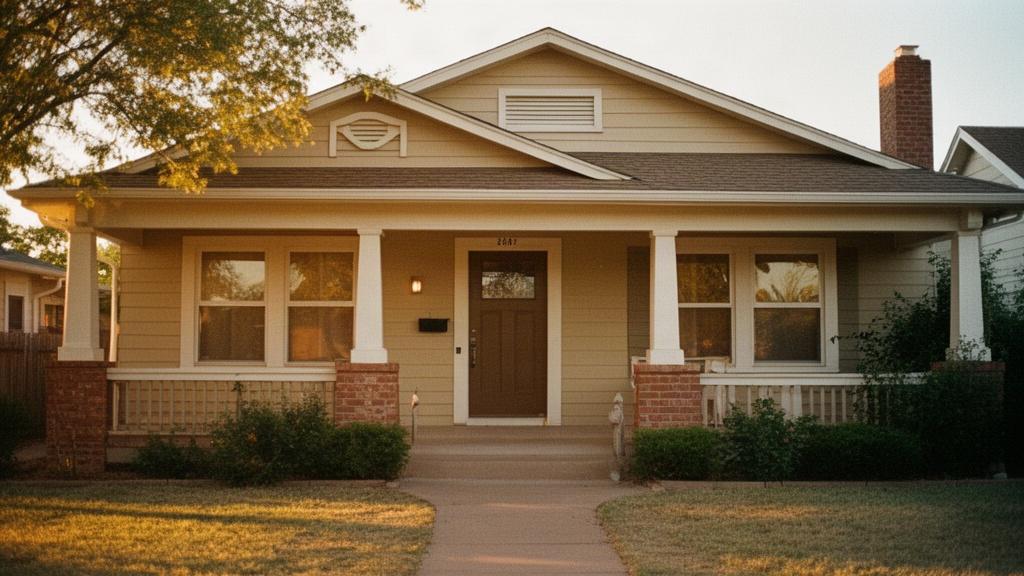
Most Sacramento home purchases close in 30 to 45 calendar days from the date both parties sign the purchase agreement. That range holds across most of the Sacramento metro, whether you are buying a 1950s ranch-style home in Land Park, a newer production build in Natomas, or a craftsman bungalow in East Sacramento. The exact number of days depends heavily on your financing type, how quickly the seller provides required disclosures, and how backed up the lender's underwriting queue is in September 2026.
What the Numbers Say Nationally vs. Locally
According to Forbes Advisor, the national average closing time for a purchase loan sits around 43 days. Sacramento tends to track close to that average, though the city's competitive market conditions in 2026 have pushed some conventional loan closings toward the 35-day mark when buyers come in with strong pre-approval and sellers are motivated. All-cash transactions, which still represent a meaningful share of Sacramento's higher-priced sales, can close in as few as 10 to 14 days.
Sacramento's escrow-based closing process is governed by California law, which adds a layer of mandatory disclosures and timelines not present in every other state. This is one reason why buyers relocating from states like Texas or Nevada, where closings can happen in under three weeks, are sometimes surprised by the pace here. The disclosures are consumer protections, and they take time to prepare, review, and sign off on.
How Loan Type Changes Everything
The single biggest variable in how long it takes to close on a house in Sacramento is the type of financing the buyer is using. Here is how the most common loan types compare in the current Sacramento market.
- Conventional loan (Fannie/Freddie): 30 to 40 days is typical. These are the most common purchase loans in Sacramento and generally move the fastest through underwriting when the buyer's file is clean.
- FHA loan: 35 to 45 days. FHA requires a more detailed appraisal that checks both value and property condition, which adds time, especially on older Sacramento homes with deferred maintenance.
- VA loan: 40 to 50 days. VA appraisals are ordered through a specific VA panel and can have longer turnaround times in the Sacramento region. Veterans should build this into their offer timeline.
- USDA loan: 45 to 60 days. USDA loans require a second level of review from the agency itself. Buyers using this program for eligible properties in areas like Rancho Murieta or parts of El Dorado County should plan accordingly.
- All-cash purchase: 10 to 21 days. Without a lender in the picture, the timeline compresses to title search, disclosures, and escrow mechanics. Some Sacramento sellers specifically seek cash offers for this reason.
2. Stage by Stage: What Happens Between Offer and Close
The closing process in Sacramento moves through several distinct phases, each with its own clock. Understanding what happens at each stage helps buyers and sellers avoid being blindsided by requests that feel routine to professionals but confusing to everyone else. The NAR's consumer guide on steps between signing and closing provides a solid overview of the national framework; below is how those steps play out specifically in Sacramento.
Opening Escrow in Sacramento
Within one to three business days of an accepted offer, the buyer's agent opens escrow with a title and escrow company. Sacramento has a strong network of independent escrow companies as well as title companies with local offices, including operations that handle a large volume of Sacramento County transactions. The buyer typically delivers their earnest money deposit, which in Sacramento commonly runs between 1% and 3% of the purchase price, within three business days of opening escrow.
On a median-priced Sacramento home in September 2026, sitting near $480,000 to $510,000 depending on the area, that earnest money deposit is typically $5,000 to $15,000. The escrow officer serves as the neutral third party who holds funds, coordinates documents between buyer, seller, agents, and lender, and ultimately funds the transaction.
Inspections, Disclosures, and the California-Specific Steps
California has some of the most comprehensive seller disclosure requirements in the country, and Sacramento transactions reflect that. Sellers must provide a Transfer Disclosure Statement, a Natural Hazard Disclosure report covering flood zones, fire hazard severity zones, and earthquake fault zones, a Statewide Buyer and Seller Advisory, and various local supplements. For Sacramento specifically, properties near the American River or in flood-prone areas of the valley floor may require additional FEMA flood zone disclosures.
The standard California Residential Purchase Agreement gives buyers 17 days to complete their due diligence, though many Sacramento contracts are now negotiated to 10 to 14 days in competitive situations. A general home inspection typically takes two to four hours for a standard Sacramento house and costs between $400 and $600. Buyers purchasing older homes in Curtis Park, Boulevard Park, or the Fabulous Forties often add sewer lateral inspections, which are particularly relevant given the age of the infrastructure in those neighborhoods.
Appraisal and Underwriting
The lender orders the appraisal shortly after the purchase agreement is signed, and in Sacramento in September 2026, appraisal turnaround times are running roughly 7 to 14 days from order to delivery. Once the appraisal comes back, it goes into the lender's underwriting queue. Underwriting is where the most variability enters the timeline. A straightforward file with a W-2 borrower, strong credit, and a clean appraisal can clear underwriting in five to seven business days. A self-employed borrower, a condo with HOA financial questions, or a property with condition issues can stretch that to two to three weeks.
Sacramento has a significant population of state government employees, healthcare workers from UC Davis Medical Center and Sutter Health, and tech workers commuting to or working remotely for Bay Area companies. Many of these buyers have straightforward W-2 income, which tends to move through underwriting cleanly. Contract workers, gig workers, and small business owners buying in Sacramento should expect more document requests and build extra time into their closing estimate.
Final Walk-Through and Signing
One to two days before the scheduled close of escrow, the buyer does a final walk-through of the property to confirm its condition matches what was agreed upon. Loan documents are typically sent to escrow one to two days before closing. The buyer signs at the escrow office, and in California, there is then a one-business-day gap between signing and recording because lenders have the right to review the signed documents before authorizing funding. This is called the lender's right of rescission period for refinances, but for purchases it simply means that signing on Monday usually means recording and funding on Tuesday.
Recording happens at the Sacramento County Recorder's Office, and once the deed is recorded, the transaction is officially closed. Keys are typically released to the buyer at recording or shortly after, depending on what was negotiated in the contract. Some sellers in Sacramento negotiate a rent-back period of a few days to a few weeks after closing, which is worth understanding before you plan your move-in date.
3. What Can Slow Down a Sacramento Closing
Even when everyone is motivated and organized, Sacramento closings can hit delays that push the timeline past 45 days. Knowing the most common culprits lets buyers and sellers plan around them or address them proactively. If you want a deeper look at how market conditions in Sacramento affect the broader transaction process, the Sacramento CA real estate listings guide on this site covers how to read current market signals before you make an offer.
Appraisal Gaps in a Competitive Market
When a buyer offers above the list price to win a competitive Sacramento home and the appraisal comes in lower than the contract price, the deal can stall while both parties negotiate who covers the gap. This is not uncommon in Sacramento neighborhoods where inventory is tight and multiple offers are still occurring in September 2026. Buyers who waive the appraisal contingency take on the risk of covering any gap out of pocket. Buyers who keep the contingency have negotiating leverage but may lose the home to a competing offer.
Resolving an appraisal gap can add five to ten days to the closing timeline while parties negotiate a price reduction, the buyer arranges additional funds, or the appraisal is challenged with comparable sales data. An experienced local agent who knows Sacramento's comparable sales in depth can sometimes help buyers and their lenders build a case for a reconsideration of value, which is a formal process of submitting additional comps to the appraiser.
Title and HOA Delays
Title issues are less common but when they appear, they are among the most time-consuming problems to resolve. Liens from unpaid contractors, unresolved probate matters, or errors in prior deeds can all cloud title and require legal resolution before the transaction can fund. Sacramento's older housing stock, particularly homes built before 1970 in neighborhoods like Oak Park, Del Paso Heights, and parts of North Sacramento, occasionally surfaces these issues.
HOA-related delays are increasingly common in Sacramento's newer master-planned communities and condominium developments. Sellers in communities like the Riviera in West Sacramento, newer Natomas subdivisions, or downtown Sacramento condos near the Golden 1 Center must provide HOA documents including budgets, meeting minutes, reserve study reports, and any pending special assessments. California law gives buyers three days to review these documents after receipt. If the HOA is slow to produce them, the entire timeline shifts.
Lender Bottlenecks and Document Issues
Lender-side delays are the most common cause of a closing missing its target date in Sacramento. Underwriters requesting additional documentation, conditions that require third-party verification, or simply high loan volume at a particular institution can push funding by several days. Buyers who choose a lender based solely on the lowest advertised rate sometimes find that the lender lacks the local bandwidth to close on time.
Working with a lender who has a strong track record in the Sacramento market and who communicates proactively with your agent makes a measurable difference. Local agents who close dozens of transactions per year in Sacramento develop relationships with lenders who consistently perform, and that network knowledge is part of what you get when you work with someone who genuinely knows this market. You can read more about what to look for in a Sacramento agent in the guide to choosing a realtor to sell your home in Sacramento on this site.
4. How to Close Faster in Sacramento
A 30-day close is achievable in Sacramento when both buyer and seller are prepared and the financing is solid. Here are the steps that consistently shorten the timeline in this market.
Get Fully Underwritten Pre-Approval Before You Offer
A standard pre-approval letter is a lender's preliminary review of your credit and stated income. A fully underwritten pre-approval means the underwriter has already reviewed your tax returns, pay stubs, bank statements, and asset documentation before you make an offer. When you go under contract, the only remaining underwriting step is to verify the property itself. This can cut the underwriting phase from two to three weeks down to five to seven business days in Sacramento.
In Sacramento's market, where sellers receive multiple offers on well-priced homes in areas like Arden-Arcade, Elk Grove, and Folsom, a fully underwritten pre-approval also strengthens your offer significantly. It signals to the seller that your financing is not going to fall apart mid-escrow.
Choose Your Escrow and Title Companies Early
In California, either the buyer or seller can select the escrow company, and this is often negotiated as part of the purchase agreement. Choosing a Sacramento-based escrow officer who handles high transaction volume and knows the local title companies speeds up coordination. Your agent should be able to recommend escrow officers who are responsive and experienced with Sacramento County recording timelines, which can vary slightly from surrounding counties like Placer or El Dorado.
Stay Ahead of the California Disclosure Requirements
For sellers, preparing your disclosure package before you list is one of the most effective ways to accelerate the closing timeline. When a buyer receives the full disclosure package within the first two or three days of opening escrow rather than at the end of the first week, their contingency clock starts sooner and the whole transaction moves forward faster. Sellers in Sacramento who have owned their home for many years should also consider ordering a preliminary title report before listing to catch any title issues before they become a closing-day surprise.
Buyers can also keep things moving by responding to lender requests within 24 hours, scheduling inspections in the first three to four days of the contingency period rather than the last, and staying in close communication with their agent throughout. If you are thinking about buying in Sacramento and want to understand the current market conditions before you start the process, the homes for sale in Sacramento buyer's guide on this site is a good starting point.
5. What Closing Costs Look Like in Sacramento in 2026
Closing costs in Sacramento are a separate but related concern from the timeline, and understanding them helps buyers and sellers budget accurately for the transaction. These costs are due at the close of escrow and can affect the final funding if they are not planned for in advance.
- Buyer's total closing costs: Typically 2% to 5% of the purchase price. On a $490,000 Sacramento home, that is roughly $9,800 to $24,500, covering lender fees, title insurance, escrow fees, prepaid property taxes, and homeowner's insurance.
- Lender origination fees: Usually 0.5% to 1% of the loan amount. These vary by lender and loan type.
- Title insurance (buyer's policy): Approximately $1,000 to $2,000 for a mid-range Sacramento purchase. The owner's title policy protects the buyer against future title claims.
- Escrow fees: In Sacramento, escrow fees are typically split between buyer and seller. Expect roughly $1,500 to $2,500 total, split roughly in half.
- Property tax prorations: Buyers prepay their share of property taxes from the close date through the end of the current tax period. Sacramento County property taxes run approximately 1.1% to 1.2% of assessed value annually.
- Seller's closing costs: Sellers in Sacramento typically pay agent commissions, the owner's title policy, transfer taxes at $1.10 per $1,000 of sale price for Sacramento County, and any negotiated closing cost credits to the buyer.
Buyers who are also navigating the decision of whether now is the right time to purchase in Sacramento can find a detailed breakdown of current market conditions in the good time to buy a house in Sacramento or wait article on this site.
FAQ
Can a Sacramento home close in less than 30 days?
Yes, but it requires the right conditions. All-cash buyers can close in 10 to 21 days in Sacramento because there is no lender underwriting involved. Financed buyers with a fully underwritten pre-approval, a clean title, and a motivated seller who has their disclosures ready can sometimes close in 25 to 28 days. However, this is the exception rather than the norm, and trying to force a very short timeline on a financed purchase increases the risk of errors or missed contingency deadlines. Most Sacramento agents recommend building in at least 30 days for financed transactions to give all parties reasonable time to perform.
What happens if the closing is delayed past the contract date in Sacramento?
In California, the close of escrow date in the purchase agreement is a target date, not an automatic cancellation trigger. If the closing is delayed, both parties typically sign a short-form amendment extending the close of escrow date. Sellers who need the closing to happen on a specific date for tax or relocation reasons should make that clear in the contract negotiations upfront. If one party refuses to extend and the other cannot perform, the contract can be cancelled, which triggers a dispute over the earnest money deposit. Having an experienced Sacramento agent who can manage these situations calmly and quickly is important when timelines get tight.
Does it take longer to close on a house in Sacramento than in other California cities?
Sacramento's closing timelines are broadly similar to those in other California metros like Fresno, Stockton, or Riverside, and slightly faster than the Bay Area, where higher prices and more complex transactions sometimes push timelines longer. The California-specific disclosure requirements and the escrow-based closing process apply statewide, so the framework is consistent. What differs in Sacramento is the local inventory level, the pace of the market, and the availability of appraisers and inspectors, all of which can create minor variations in timing from month to month. As of September 2026, Sacramento's market is active enough that appraisal and inspection scheduling is running efficiently without the multi-week backlogs seen during the peak of 2021 and 2022.