← Back to Blog
Neighborhoods
Relocating to Sacramento, California: Neighborhoods, Costs and Timelines
By Yuri Ramirez-Villanueva
September 19, 2026 · 11 min read
Relocating to Sacramento, California involves a lot of moving parts: figuring out which neighborhoods fit your lifestyle, understanding what homes actually cost right now, and mapping out a realistic timeline from decision to move-in day. This guide covers all of it with specific numbers, named places, and the local context you need to make a confident move.
1. Why Sacramento Draws Relocators Right Now
Sacramento consistently attracts people relocating from the Bay Area, Los Angeles, and out of state because the housing dollar stretches considerably further here than in most major California metros. As of September 2026, the median home price in Sacramento County sits in the mid-to-upper $500,000 range, compared to well over $1 million in San Jose or San Francisco. That gap is the single biggest driver of in-migration to the region.
The Bay Area Comparison
Remote and hybrid work arrangements have made the Sacramento region viable for Bay Area employees who no longer need to be in the office five days a week. Sacramento is roughly 90 miles northeast of San Francisco, a drive of about 90 minutes under normal freeway conditions on Interstate 80. Amtrak's Capitol Corridor train runs multiple daily trips between Sacramento and the Bay Area, with stops in Davis, Fairfield and Oakland, making occasional in-person office days manageable without owning two homes.
What the Local Economy Looks Like
State government is Sacramento's largest employer, with tens of thousands of workers housed in agencies concentrated downtown and along Capitol Mall. UC Davis Medical Center in Midtown, Sutter Health, and Dignity Health are major healthcare employers. The technology sector has grown steadily, with companies drawn by lower operating costs compared to Silicon Valley. The Port of Sacramento and the Union Pacific rail hub add logistics and freight employment to the mix, giving the local economy a diversified base that is not dependent on any single industry.
2. Sacramento Neighborhoods: What to Know Before You Choose
Sacramento's neighborhoods vary significantly in housing stock, lot size, architectural character, and price point. The city proper covers about 100 square miles, and the broader metro extends into Elk Grove to the south, Folsom and Rancho Cordova to the east, and Roseville and Rocklin to the northeast. Understanding what each area physically offers helps you narrow your search before you ever step into a house.
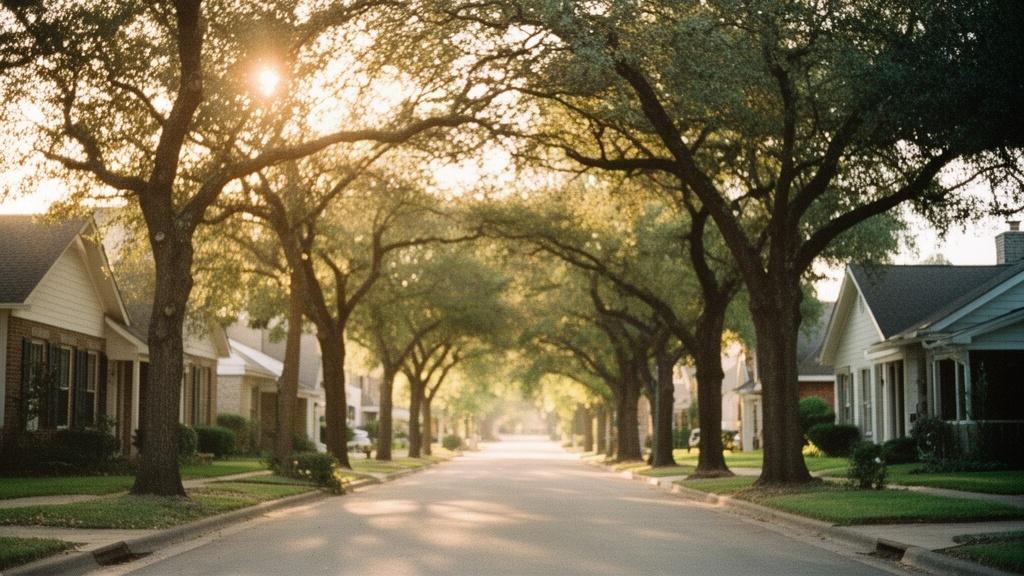
Midtown and East Sacramento
Midtown Sacramento is a walkable, grid-style neighborhood immediately east of downtown, built primarily in the early to mid-20th century. You will find Craftsman bungalows, Tudor cottages, and Victorian-era homes on tree-lined streets, many of them on 40-by-120-foot lots. The R Street Corridor runs through Midtown and is home to galleries, restaurants, and weekend farmers markets. Median prices in Midtown currently run from the low $500,000s for smaller bungalows to over $800,000 for fully renovated larger homes. For a closer look at day-to-day life in the neighborhood, see the Midtown Sacramento day-to-day living guide on this site.
East Sacramento sits directly adjacent to Midtown and includes the Fabulous Forties, a stretch of streets in the 40s numbered blocks known for large lots and mature canopy trees. Homes here tend to be larger than their Midtown counterparts, with more Colonial Revival and Spanish Eclectic architecture. Prices in East Sacramento frequently reach the $700,000 to $1.2 million range, with some properties exceeding that in the Fabulous Forties specifically. McKinley Park, a 32-acre green space with a rose garden and duck pond, anchors the neighborhood's eastern edge. The detailed East Sacramento real estate market guide on this site covers pricing trends and timing in depth.
Natomas
Natomas sits northwest of downtown Sacramento, bounded by Interstate 5 to the east and the Sacramento River to the west. Most of the housing stock here is newer construction from the 1990s through the 2010s: stucco tract homes on standard suburban lots, with homeowners association communities that include shared pools, parks, and walking paths. Golden 1 Center, the downtown arena where the Sacramento Kings play, is about a 10-minute drive from central Natomas. Median prices in Natomas currently range from the low $400,000s for smaller attached homes to the mid-$600,000s for larger single-family homes. For a full breakdown of the buying process there, the Natomas home buying guide on this site walks through every step.
Elk Grove
Elk Grove is an incorporated city about 14 miles south of downtown Sacramento, with its own city government, parks system, and commercial corridors. The housing stock is predominantly single-family detached homes built between the mid-1980s and the 2020s, ranging from modest 1,200-square-foot starter homes to 3,000-plus-square-foot homes in planned communities like Laguna West and Stonelake. Median prices in Elk Grove currently sit in the low-to-mid $500,000s. The commute to downtown Sacramento runs about 25 to 35 minutes by car on Interstate 5 during off-peak hours, and longer during peak morning and evening traffic. For detailed commute information, the Elk Grove to downtown Sacramento commute guide covers every option.
Folsom and the Eastern Suburbs
Folsom sits about 26 miles east of downtown Sacramento along Highway 50 and is known for Folsom Lake, a 12,000-acre reservoir with 75 miles of shoreline used for boating, kayaking, and cycling. The housing stock in Folsom includes both older homes in the Historic District near Sutter Street and newer construction in master-planned communities like Empire Ranch and Willow Creek Estates. Median prices in Folsom currently range from the mid-$600,000s to well over $900,000 for larger or newer homes. The commute to downtown Sacramento on Highway 50 runs 35 to 55 minutes depending on traffic, and the Gold Line light rail connects Folsom's Iron Point Station to downtown Sacramento in about 60 minutes.
North Sacramento and North Natomas
North Sacramento and the Del Paso Heights area offer some of the most accessible entry-level price points in the city, with median prices frequently in the $350,000 to $450,000 range. Housing stock here includes post-war ranch homes and smaller bungalows on standard city lots. North Natomas, just north of the main Natomas area, has seen significant new construction activity in recent years, with master-planned communities adding thousands of units. If new construction is on your radar, the guide to new housing developments and master-planned communities around Sacramento covers what is currently being built.
3. What It Actually Costs to Live in Sacramento in 2026
Sacramento is more affordable than most California coastal metros, but it is not inexpensive by national standards. The cost of living runs roughly 20 to 25 percent above the national average when housing, groceries, transportation, and healthcare are combined. The Sacramento cost of living calculator from Forbes Advisor lets you plug in your current city and see a direct comparison across spending categories.
Housing Costs by Area
Here is a current snapshot of median home prices across Sacramento's major submarkets as of September 2026.
- North Sacramento and Del Paso Heights: Median around $380,000 to $450,000 for single-family homes.
- Natomas: Median around $430,000 to $620,000 depending on home size and HOA community.
- Midtown Sacramento: Median around $520,000 to $800,000 for single-family homes; condos and lofts start lower.
- East Sacramento: Median around $700,000 to $1.2 million, with Fabulous Forties homes at the higher end.
- Elk Grove: Median around $500,000 to $560,000 for single-family homes.
- Folsom: Median around $650,000 to $950,000 depending on community and lot size.
- Roseville and Rocklin (Placer County): Median around $580,000 to $750,000 for single-family homes in established neighborhoods.
Beyond the Mortgage: Taxes, Insurance and Utilities
California property taxes are governed by Proposition 13, which caps the base tax rate at 1 percent of assessed value and limits annual increases to 2 percent unless the property is sold. When you purchase a home, the assessed value resets to the purchase price. On a $550,000 home, that means a base property tax of about $5,500 per year, plus local assessments and Mello-Roos fees in newer planned communities, which can add $1,500 to $3,000 or more annually in areas like Elk Grove, Folsom, and North Natomas.
Homeowners insurance in Sacramento has increased meaningfully in recent years due to wildfire risk designations in parts of the greater region. Properties in the Sacramento Valley floor, including most of the city proper, Natomas, and Elk Grove, generally carry lower wildfire risk premiums than foothill communities like parts of Folsom, El Dorado Hills, or Auburn. Budget roughly $1,500 to $2,500 per year for insurance on a standard city home, and get quotes early in your search if you are looking in foothill areas. Sacramento Municipal Utility District, known as SMUD, serves most of the city and is frequently cited as one of the lower-cost public utilities in California.
4. Your Relocation Timeline: From Decision to Closing
Most people relocating to Sacramento, California from out of state or from another California city need to budget four to six months from the decision to move through closing on a home. That timeline can compress to three months if you are highly decisive and the market in your target price range is not intensely competitive, or it can stretch to eight months or more if you are selling a home first, waiting for a specific neighborhood, or navigating a complex financing situation.
Phase One: Research and Pre-Approval
Allow four to eight weeks for the research and pre-approval phase. This includes identifying your target neighborhoods, connecting with a local Sacramento agent, and getting a mortgage pre-approval letter from a lender. Pre-approval is not optional in the current market; sellers in Sacramento routinely reject offers that arrive without one. If you are relocating from out of state, note that some lenders will want to verify employment continuity, especially if you are changing employers as part of the move.
Phase Two: Active Search and Offer
The active home search in Sacramento typically runs four to ten weeks, depending on how competitive your target price range is. In the sub-$500,000 range, well-priced homes in Natomas and Elk Grove can receive multiple offers within days of listing. In the $700,000 to $900,000 range in East Sacramento or Folsom, homes tend to sit slightly longer, giving buyers more time to evaluate. Plan for at least one or two in-person visit trips to Sacramento before making an offer, even if you have done significant virtual research.
Phase Three: Escrow and Move-In
Once your offer is accepted, Sacramento escrow periods typically run 21 to 30 days for conventional financing and 30 to 45 days for FHA or VA loans. During that window you will complete your home inspection, negotiate any repairs or credits, finalize your loan, and clear contingencies. The full closing timeline guide on this site breaks down what happens in each of those weeks in detail. Budget two to four weeks after closing for your physical move, especially if you are coordinating a long-distance moving company, which in peak summer and fall seasons often requires booking six to eight weeks in advance.
Here is a condensed timeline summary for a typical relocation to Sacramento.
- Weeks 1 to 4: Research neighborhoods, connect with a local agent, begin mortgage pre-approval.
- Weeks 5 to 8: Receive pre-approval letter, begin active home search with your agent, schedule in-person visit trips.
- Weeks 9 to 16: Tour homes, submit offers, negotiate and get an offer accepted.
- Weeks 17 to 20: Escrow period: inspections, appraisal, loan finalization, contingency removal.
- Weeks 21 to 24: Close on your home, coordinate physical move, take possession.
5. Practical Things to Sort Out Before You Move
Relocating to Sacramento, California involves more than finding a house. Several practical decisions will shape which neighborhoods you target and how your offer strategy is structured.
Schools and Education Research
School assignments in Sacramento are determined by the district your home falls within and, in many cases, by the specific attendance zone within that district. Sacramento City Unified School District serves most of the city proper. Elk Grove Unified, Folsom Cordova Unified, Twin Rivers Unified, and Natomas Unified each serve distinct geographic areas. Before making a decision based on schools, check the California Department of Education website directly at cde.ca.gov and contact the relevant district office to confirm current attendance boundaries, enrollment options, and any open enrollment programs. School boundaries can change, and what a listing says about school assignments should always be independently verified.
Commute Planning
Sacramento Regional Transit's light rail system covers two main lines: the Gold Line running east-west from the Sacramento Valley Station to Folsom, and the Blue Line running north-south from Watt and I-80 to Cosumnes River College in Elk Grove. If you will be commuting by car, test your intended route during actual peak hours before committing to a neighborhood. Highway 50 eastbound in the morning and westbound in the evening is consistently congested through Rancho Cordova. Interstate 80 westbound toward downtown from Roseville and Rocklin can add 20 to 40 minutes during peak periods. Planning your commute realistically before you buy prevents expensive surprises after you move.
New Construction as an Option
Relocators who are flexible on move-in timing sometimes find new construction a useful option because it allows them to lock in a price and design choices without competing in a bidding war. Active new construction communities in the Sacramento region include projects in North Natomas, West Sacramento, Elk Grove, and the Folsom Ranch master plan, which is adding thousands of homes on Folsom's southern edge. Build timelines from contract to move-in typically run six to twelve months for production homes and longer for semi-custom builds. Having a buyer's agent represent you at the builder's sales office costs you nothing and gives you an advocate who reviews the contract terms independently of the builder's sales staff.
If you are also selling a home as part of your relocation, the timeline and pricing strategy for that sale will significantly affect your buying power in Sacramento. The guide to selling a home in Folsom, California covers what to expect on the sell side if you are already in the region and trading up or downsizing.
FAQ
How much money do I need saved before relocating to Sacramento, California and buying a home?
For a conventional loan on a $550,000 home in Sacramento, plan on a minimum down payment of 5 to 20 percent ($27,500 to $110,000) plus closing costs of roughly 2 to 3 percent of the purchase price ($11,000 to $16,500). That puts a realistic all-in cash requirement at $40,000 to $130,000 depending on your loan type and how much you put down. FHA loans allow as little as 3.5 percent down but require mortgage insurance. First-time buyers may also qualify for California Housing Finance Agency programs that provide down payment assistance; the first-time buyer guide on this site walks through those options in detail. Beyond the purchase itself, budget for moving costs, utility deposits, and three to six months of emergency reserves after closing.
Is September a good time to start a home search in Sacramento?
September sits at the tail end of Sacramento's peak buying season, which runs roughly March through August. By September 2026, inventory tends to be slightly lower than mid-summer but competition also softens as fewer buyers are actively searching. Sellers who have not moved their home by September are often more willing to negotiate on price or terms than they were in April or May. If you are relocating and need to be settled before the end of the calendar year, starting your search in September gives you a realistic window to close by November or December, assuming you are pre-approved and decisive. Working with a local agent who knows which listings have been sitting and why is particularly valuable at this point in the season.
Do I need a local Sacramento real estate agent if I am relocating from out of state?
Working with a Sacramento-based agent is especially important for out-of-state relocators because local knowledge directly affects the quality of your offer strategy and your ability to avoid overpaying. A local agent knows which streets in a given neighborhood have traffic noise issues, which HOA communities have deferred maintenance, and which zip codes are seeing price reductions versus multiple-offer situations right now. They can also coordinate virtual tours, attend inspections on your behalf, and flag local market customs that differ from what you may be used to in another state. National search portals show you listings but cannot tell you whether a specific property is priced correctly relative to what sold on the same block three months ago.