← Back to Blog
Market Trends
New York, Iowa Real Estate Market Guide: Prices, Neighborhoods and Timing
By Zainab Business
September 2, 2026 · 10 min read
If you are trying to understand the New York, Iowa real estate market, whether you are buying, selling, or relocating, this guide covers what you actually need to know: current prices, what the housing stock looks like, how long homes sit before selling, and when to make your move. New York is a small but distinct community in Wayne County in southern Iowa, and its market behaves differently from larger metro areas. Read on for a grounded, specific look at what is happening here in September 2026.
1. What the New York, Iowa Real Estate Market Looks Like Right Now
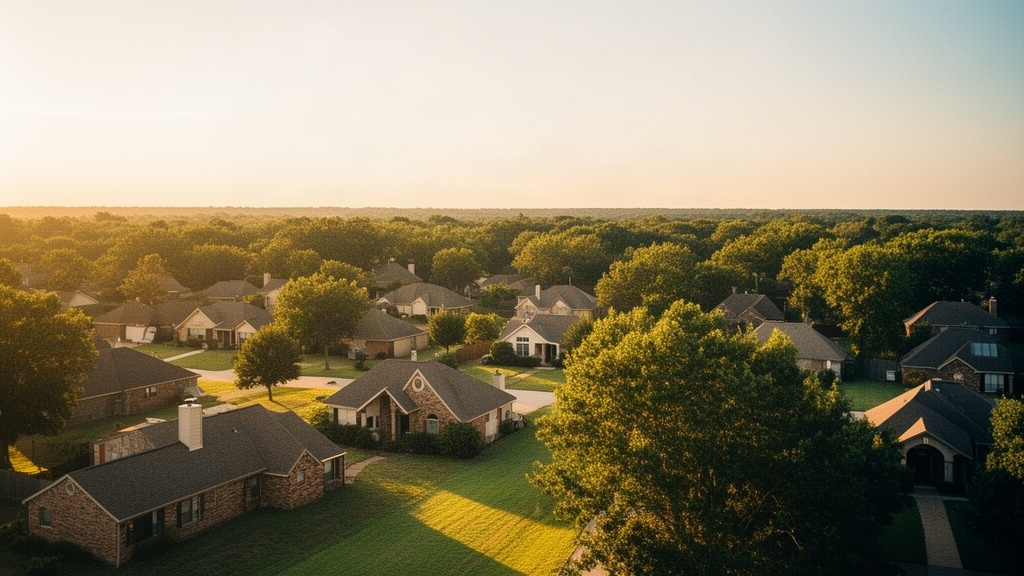
The New York, Iowa real estate market is a rural, low-inventory market where homes sell infrequently but steadily. Because New York is an unincorporated community in Wayne County, most listings in and around the area include a mix of in-town residential homes, small acreages, and working farmsteads. Active listings at any given time are typically measured in single digits, which means each property gets significant attention from the buyers who are looking in this corridor.
Housing Stock and Property Types
Homes in New York, Iowa and the surrounding Wayne County area tend to be older construction, with a large share of two and three-bedroom homes built between the 1940s and 1980s. You will find wood-frame homes on modest lots within the community itself, and as you move outward, properties shift toward acreages ranging from two to forty-plus acres, often with outbuildings, machine sheds, or older barns. Fully updated homes are less common than in larger markets, which creates opportunity for buyers willing to put in work, and it also means move-in-ready properties tend to attract multiple inquiries quickly.
Land parcels and farmland tracts occasionally come to market separately from residential structures. If you are looking at the New York, Iowa area for agricultural purposes alongside a residence, it is worth understanding that farmland in Wayne County has its own pricing dynamics tied to commodity markets and soil productivity ratings, separate from residential comparables.
Current Price Ranges
Residential prices in the New York, Iowa area are substantially below state and national medians. In Wayne County, entry-level homes in need of updates can be found in the $40,000 to $80,000 range. Updated or larger in-town properties typically fall between $90,000 and $160,000. Acreage properties with a house and outbuildings generally start around $130,000 and can reach $300,000 or more depending on land size, building condition, and road access.
For broader context, Iowa's statewide housing market has seen steady but moderate price growth since 2024. According to Iowa REALTORS' end-of-2024 market summary, the state closed 2024 with cautious optimism as inventory adjustments continued across rural and urban markets alike. Rural southern Iowa markets like Wayne County have followed a similar pattern, with prices holding firm rather than spiking, and days on market remaining longer than in metro Iowa.
2. Neighborhood Breakdown: What Different Parts of New York, Iowa Offer
The New York, Iowa area does not have formal neighborhood subdivisions the way a city does, but distinct property zones within a short drive of each other carry meaningfully different characteristics. Understanding those differences helps buyers narrow their search and helps sellers frame their listing accurately.
Rural Acreage and Farmstead Properties
Properties on gravel roads outside the community center are typically acreages on five to eighty acres of rolling Wayne County land. These homes often have well and septic systems rather than municipal utilities, which is an important cost consideration for buyers. Outbuildings range from simple storage sheds to large machine sheds suitable for equipment. Road maintenance in winter and spring mud season is a practical factor worth asking about before making an offer.
In-Town Residential Streets
The community itself sits along county roads in Wayne County and has a quiet, low-traffic character typical of small southern Iowa towns. Lots tend to be modest in size, and homes are set close to the road in the older American farmhouse and bungalow tradition. Buyers who want a lower-maintenance property without acreage responsibilities often find in-town homes in New York, Iowa more manageable, particularly those coming from larger cities who are not yet familiar with well and septic upkeep.
Proximity to Corydon and Albia
New York, Iowa sits within a reasonable drive of both Corydon, the Wayne County seat, and Albia in Monroe County to the northeast. Corydon is approximately twelve to fifteen miles from the New York area and provides county services, a hospital, grocery options, and local retail. Albia adds additional services and is roughly twenty-five to thirty miles away. Buyers evaluating properties near New York should factor these distances into their daily routine planning, particularly for medical appointments, grocery runs, and school access.
For those considering schools, Wayne County has its own district serving the area. We recommend reviewing school information directly through the Iowa Department of Education at educate.iowa.gov, where you can find current enrollment data, program offerings, and performance reports for every district in the state. School choice is a personal decision, and the state's own data is the most reliable starting point.
3. Market Timing: When to Buy or Sell in New York, Iowa
In small rural markets like New York, Iowa, timing your transaction well can meaningfully affect your outcome. Unlike metro markets where dozens of comparable sales happen every month, Wayne County sees a limited number of transactions per year, which means the window you choose to list or buy in matters more here than in higher-volume areas.
Seasonal Patterns in Wayne County
Spring, from March through May, is historically the most active listing season in rural southern Iowa. Buyers who want to be settled before the school year begin searching in earnest during this window. Summer sees continued activity, particularly for acreage buyers who want to walk land in good weather. Fall, from September through October, is a secondary active period when buyers who missed spring listings re-enter the market. Winter listings in December and January tend to sit longer, though serious buyers remain active year-round.
What September 2026 Looks Like for Sellers
Right now, in September 2026, sellers in the New York, Iowa area are entering the fall activity window, which is one of the two stronger listing periods of the year. Buyers who did not find what they needed during spring and summer are actively searching. Inventory in rural Wayne County remains tight, meaning a well-priced and well-presented property has a real opportunity to stand out. Sellers who list now can often close before the holiday slowdown in November and December.
Pricing accurately from day one is especially important in a low-volume market. When only a handful of comparable sales exist in the county each quarter, an overpriced listing does not just sit, it can develop a stigma that is hard to reverse. For guidance on pricing strategy and what to expect through the selling process, see our article on selling a home in New York, Iowa, including pricing and timeline expectations.
What September 2026 Looks Like for Buyers
For buyers, September 2026 offers a practical window before winter. Mortgage rates have moderated compared to the peak levels seen in 2023, and while they remain above the historic lows of 2020 and 2021, the current environment is more predictable. In a market with limited inventory like New York, Iowa, buyers should get pre-approved before starting their search so they can move quickly when the right property appears. Waiting for a better rate while the right home sells to someone else is a common and costly mistake in thin markets.
4. How Prices Are Set and What Moves Them in This Market
Pricing in the New York, Iowa real estate market is driven by a small pool of comparable sales, and getting it right requires local knowledge that goes beyond automated valuation tools. Online estimates from national platforms often perform poorly in rural Iowa markets because they rely on transaction volume that simply does not exist at the county level. A true comparable analysis in Wayne County may draw on sales from a twelve to twenty-four month window and from neighboring townships.
Comparable Sales in Wayne County
A proper comparable sales analysis for a New York, Iowa property looks at recent sales of similar homes within the county, adjusting for lot size, square footage, condition, and acreage if applicable. Because the pool is small, condition carries outsized weight. A home with a new roof, updated mechanicals, and a functional septic system can command a premium of fifteen to twenty percent over an otherwise similar property in deferred-maintenance condition. Buyers should request inspection of the well and septic as a standard part of any offer in this market.
The Role of Iowa Statewide Trends
Statewide Iowa trends provide useful context even when the local market moves at its own pace. The NAR Metropolitan Median Area Prices and Affordability data shows that Iowa metro areas remain among the more affordable in the Midwest, and rural markets like Wayne County sit well below even those metro medians. That affordability gap is one reason buyers relocating from larger Iowa cities or from out of state find the New York area compelling from a value standpoint.
What Overpricing Costs You Here
In a market where ten or fewer residential transactions may occur in the county in a given quarter, an overpriced listing does not blend into a sea of inventory. It becomes a known quantity. Buyers who are actively watching the market notice when a home has been sitting for sixty or ninety days, and they adjust their offers downward accordingly. Sellers who start at the right price in New York, Iowa almost always net more than those who start high and reduce repeatedly.
5. Relocating to New York, Iowa: What to Expect Before You Arrive
People relocating to New York, Iowa from larger cities or other states often have a clear set of practical questions that go beyond the home itself. Understanding commute realities, utility infrastructure, and service access before you close on a property prevents surprises after the move.
Commute Times and Access to Larger Towns
Des Moines is roughly ninety to one hundred miles north of Wayne County via US-65, making it a commutable distance for those who travel to the capital occasionally rather than daily. Ottumwa, with a broader range of retail, medical, and employment options, is about forty-five miles to the northeast and serves as a practical hub for many Wayne County residents. Chariton, the Lucas County seat, is approximately twenty miles to the northwest and adds another option for services and shopping. Remote workers who moved to rural Iowa during the 2020s often cite these driving distances as manageable once they establish their routines.
Local Amenities and Practical Considerations
Wayne County's landscape is characterized by rolling hills, timber draws, and open pasture, which gives the area a distinct visual character compared to flatter parts of Iowa. Rathbun Lake, one of Iowa's largest reservoirs, is about twenty-five miles to the northeast in Appanoose County and offers fishing, boating, and camping. Stephens State Forest, with multiple units scattered through Wayne and surrounding counties, provides hunting and hiking access close to home. These are genuine outdoor amenities that buyers coming from urban areas often find meaningful.
Internet connectivity is a practical consideration for remote workers evaluating rural properties. Fiber and fixed wireless options have expanded in rural Iowa in recent years, but coverage is not uniform across Wayne County. Before making an offer on any property, confirm what service providers reach that specific address and what speeds are available. This is a detail that does not show up in listing photos but can determine whether a property works for your lifestyle.
If you are new to the area and want a thorough look at what is currently available, our 2026 guide to homes for sale in New York, Iowa walks through current listings, property types, and what to expect from the buying process in this specific market.
Working with an agent who knows Wayne County and the New York, Iowa area specifically is not optional in a market this thin. An agent who understands which roads flood in spring, which properties have known well issues, and which sellers are motivated can make the difference between a smooth transaction and a costly mistake. For guidance on choosing the right representation, see our article on which real estate agent to hire to sell your house in New York, Iowa.
FAQ
What is the average home price in New York, Iowa in 2026?
Home prices in and around New York, Iowa vary considerably based on property type. Basic in-town homes in Wayne County that need updating can be found in the $40,000 to $80,000 range, while updated residential homes typically fall between $90,000 and $160,000. Acreage properties with a house and outbuildings generally start around $130,000 and can go significantly higher depending on land size and condition. Because transaction volume is low, individual sales can move the local average noticeably, so it is important to look at specific comparables rather than broad averages when pricing or making an offer. A local agent with access to the MLS can pull the most current comparable sales for any specific property type and location within the county.
How long do homes typically sit on the market in the New York, Iowa area?
Days on market in rural Wayne County are generally longer than in Iowa's larger cities, often ranging from thirty to ninety days for well-priced properties, and considerably longer for homes that are overpriced or in poor condition. Move-in-ready properties and well-priced acreages can move faster, sometimes within two to three weeks if they attract the right buyer at the right time. The limited pool of active buyers in a small rural market means there is less competition driving quick sales, but it also means the buyers who are looking tend to be serious and pre-qualified. Sellers who price accurately from the start and present their property well consistently see shorter market times than those who test the market at a high number and reduce later.
Is now a good time to buy in the New York, Iowa real estate market?
September 2026 is a practical time to buy in the New York, Iowa area for several reasons. The fall window brings motivated sellers who want to close before winter, and the pool of competing buyers is smaller than it was during the spring peak. Mortgage rates, while not at historic lows, have been more stable in 2026 than in the volatile period of 2022 and 2023, making planning easier. In a thin market like Wayne County, timing matters less than preparation: buyers who are pre-approved and know what they want can act decisively when the right property appears, and that readiness is what wins transactions here. Working with a local agent who monitors new listings closely is the most reliable way to stay ahead in a market where the best properties can be gone within days of hitting the MLS.