← Back to Blog
Market Trends
Douglas, Massachusetts Has the Most Experience Real Estate Market Guide: Prices, Neighborhoods and Timing
By Ashley Vanmoerkerque
Century 21 North East
September 4, 2026 · 11 min read
If you want a real estate market guide for Douglas, Massachusetts that goes beyond surface-level data, you are in the right place. This guide covers what homes are actually selling for right now in September 2026, how the town's distinct neighborhoods and villages differ from one another in terms of housing stock and price, and how to read the market's timing so you can make a confident move. Whether you are buying, selling, or relocating, the details below are specific to Douglas and drawn from on-the-ground experience in this corner of Worcester County.
1. What Makes the Douglas, MA Real Estate Market Distinct
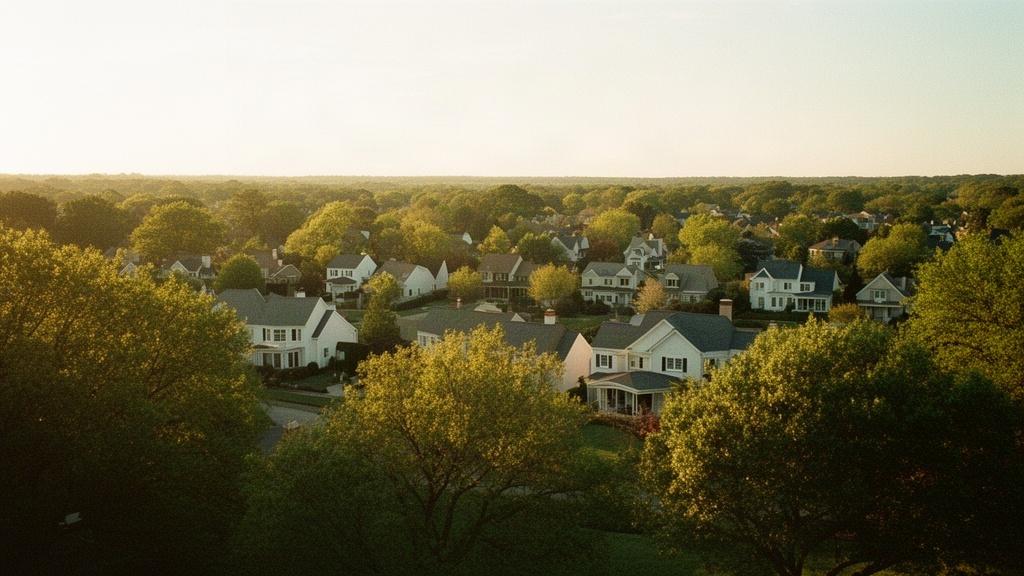
Douglas, Massachusetts sits at the southern edge of Worcester County, sharing borders with Rhode Island to the south and Uxbridge, Sutton, Webster, and Northbridge to the north and east. That geography shapes the market in concrete ways. Buyers who work in Providence, Worcester, or the MetroWest corridor all look at Douglas because it offers more land and larger homes per dollar than those employment centers, while still sitting within a reasonable drive of each.
A Town Between Two Worlds
Douglas has a population of roughly 9,000 people and covers about 37 square miles, which means the town feels genuinely rural in large sections while still having a functioning town center with a library, town hall, and local businesses along Main Street. The Douglas State Forest anchors the western side of town, covering more than 5,000 acres and providing direct access to trails, swimming at Wallum Lake, and equestrian paths. That open-land character is a defining feature of the housing market: lots tend to run larger here than in neighboring Uxbridge or Northbridge, and a significant share of listings include private wells and septic systems rather than municipal utilities.
What the Inventory Looks Like Right Now
Inventory in Douglas has remained tight through 2026. In September 2026, the town typically has fewer than 15 active single-family listings at any given moment, which is low for a town of this size and reflects a pattern that has persisted since 2022. Condominiums and townhomes are rare here; the overwhelming majority of the market is single-family detached homes on half-acre to multi-acre lots. That means buyers have limited options at any price point and need to be ready to move quickly when the right property appears.
2. Current Home Prices in Douglas, Massachusetts
The median sale price for a single-family home in Douglas, Massachusetts in September 2026 is approximately $490,000 to $530,000, depending on the month and the mix of homes that closed. That figure has climbed steadily from the low-$400,000 range seen in 2022, reflecting both the broader Massachusetts appreciation trend and the specific demand pressure on rural Worcester County towns.
Median Sale Price and Price Per Square Foot
Price per square foot in Douglas currently runs between $220 and $280 for most single-family homes, with the higher end of that range applying to newer construction or homes with updated kitchens, finished basements, and attached garages. Older ranch-style homes from the 1960s and 1970s on larger lots sometimes come in under $200 per square foot if they carry deferred maintenance. Newer colonial-style homes built in the 2000s and 2010s, which make up a significant portion of Douglas's housing stock, tend to cluster in the $250 to $280 per square foot range.
For a deeper look at what homes are selling for right now, see this month's home price breakdown for Douglas, which covers specific closed sales and active listings in detail.
How Douglas Compares to the Broader Massachusetts Market
Massachusetts is one of the most expensive states for real estate in the country. The statewide median home price has pushed well above $600,000 in 2026, driven largely by Greater Boston. Douglas, at its current median of roughly $500,000 to $530,000, sits meaningfully below that statewide figure, which is part of its draw for buyers who want to stay in Massachusetts but need more space or a lower price point than the eastern suburbs offer. The National Association of Realtors tracks metropolitan median area prices and affordability across the country, and the Worcester metro, which includes Douglas, consistently shows more affordability than the Boston metro while still reflecting the tight supply conditions that define the state.
Entry-level homes in Douglas, meaning properties priced below $400,000, are rare in September 2026. When they do appear, they typically need significant updating or sit on lots with complicating factors like a shared driveway or an older septic system. The $450,000 to $575,000 range is where the majority of transactions happen, covering three-bedroom colonials and raised ranches with one to two acres.
3. Neighborhoods and Villages: Housing Stock and Price Differences
Douglas does not have formally designated neighborhoods in the way a city does, but the town divides naturally into distinct areas based on geography, road patterns, and the era when development occurred. Understanding those differences helps buyers target the right part of town and helps sellers position their home accurately. For a fuller breakdown of each area, the neighborhoods and villages guide for Douglas covers the character and housing details of each section of town.
West Douglas and the Route 16 Corridor
West Douglas is the village center on the western side of town, sitting along Route 16 near the Connecticut border. The housing stock here includes a mix of older New England capes and ranches from the 1950s through the 1970s, alongside some newer construction on streets that were developed in the 1990s and 2000s. Lots in this area tend to be generous, often running from one to three acres, and many properties have direct or very close access to Douglas State Forest trails. Prices in West Douglas tend to run slightly lower than the town median when the homes are older and need cosmetic work, but updated properties here command prices consistent with the broader market.
East Douglas and the Town Center Area
The town center of Douglas runs along Main Street and includes the Douglas Public Library, town hall, and the local post office. East Douglas, which stretches toward the Uxbridge and Webster lines, contains a higher concentration of colonial-style homes built between 1990 and 2015 on subdivision streets. These homes typically range from 1,800 to 2,600 square feet with two-car garages, municipal water in some sections, and lot sizes from half an acre to just over an acre. This part of Douglas tends to produce the most consistent sale prices because the housing stock is more uniform, and comparable sales are easier to find.
The Douglas State Forest Perimeter
Properties that abut or sit near the Douglas State Forest carry a specific appeal: direct trail access, forest views, and a level of privacy that is hard to replicate on a subdivision street. Homes along Wallum Lake Road, Pine Street, and similar routes near the forest perimeter often sell at a premium over comparable homes elsewhere in town, sometimes 5 to 10 percent above what a similar square footage would fetch on an interior subdivision street. Buyers should also know that these properties almost universally rely on private wells and septic systems, and a thorough inspection of both is essential before closing.
The Douglas State Forest area real estate guide goes deeper on what buyers and sellers need to know about properties in and around this part of town.
Newer Subdivisions and Cul-de-Sac Streets
Douglas saw a wave of subdivision development in the late 1990s and early 2000s, producing cul-de-sac streets with colonial and garrison-style homes that now make up a large portion of the resale market. Streets like Stonegate Drive, Heritage Lane, and similar planned roads offer homes with consistent floor plans, attached garages, and lot sizes typically between 0.75 and 1.5 acres. These homes sell reliably because the comparable sales data is strong and buyers know what they are getting. Prices in these subdivisions in September 2026 generally fall between $480,000 and $570,000 depending on updates, square footage, and lot position.
4. Market Timing: When to Buy and When to Sell in Douglas
Timing the Douglas market well requires understanding both the town's seasonal rhythms and the broader interest rate environment, which directly affects how many buyers are active and how aggressively they are competing for available homes.
Seasonal Patterns Specific to Douglas
The Douglas market follows a pattern common to rural Worcester County towns: the spring window from late March through June is the most active period for both listings and buyer activity. Sellers who list in April and May tend to see the most showings and the strongest offers, because buyers who want to close before the school year starts are actively searching. Summer activity slows somewhat in July and August as families with school-age children pull back from active searching. September, right now, marks a second wave of activity as buyers who did not find a home in the spring return to the market, often with more urgency and a willingness to move quickly.
For sellers, listing in September 2026 carries real advantages. Inventory remains low, motivated buyers are active, and the fall foliage that arrives by early October makes properties with wooded lots or forest views show exceptionally well. The window from September through mid-November tends to produce clean, fast transactions because both sides are motivated to close before the holiday season.
Days on Market and What They Signal
In Douglas, a well-priced home in good condition is currently going under agreement in 10 to 25 days. Homes that sit for 45 days or more are almost always carrying a pricing issue, a condition issue, or both. Because the total inventory is so small, a home that lingers becomes visible quickly; buyers notice when something has been on the market for six weeks and start wondering what is wrong with it. Getting the price right from day one is more important in a small-inventory town like Douglas than it is in a larger market with dozens of comparable active listings.
Interest Rates and Buyer Purchasing Power in September 2026
Mortgage rates in September 2026 remain elevated compared to the historic lows of 2020 and 2021, which has compressed purchasing power for buyers financing at current rates. A buyer who qualifies for a $2,500 monthly principal and interest payment can afford meaningfully less house than they could have three years ago. This has moderated the pace of price appreciation in Douglas compared to the sharp run-up seen between 2020 and 2022, but it has not reversed prices because supply remains so constrained.
For sellers, this means that pricing at or slightly below the top of the comparable range tends to generate more buyer activity than pushing aggressively above market. Buyers are more rate-sensitive than they were in 2021, and a home priced $30,000 above what the comps support can sit for weeks while a correctly priced home goes under agreement in days. The guide to selling a home in Douglas covers pricing strategy and what the current rate environment means for your net proceeds in detail.
5. What Experienced Buyers and Sellers Do Differently in Douglas
The Douglas market rewards preparation. Because inventory is thin and the buyer pool is consistent, the difference between a smooth transaction and a frustrating one usually comes down to how ready each side is before the process begins.
Buyers: How to Compete Without Overpaying
Buyers who succeed in Douglas share a few consistent habits. They have a pre-approval letter from a lender who can close in 30 to 45 days, not 60. They have already decided which sections of town work for their commute and their priorities, so they do not need three weekends to think it over when a good home appears. They understand that private well and septic properties require specific inspection steps and have already identified inspectors who can schedule quickly.
On offer terms, experienced buyers in Douglas know that price is not always the only lever. A clean offer with a shorter inspection period, a flexible closing date, and a meaningful earnest money deposit often beats a slightly higher offer loaded with contingencies. Sellers in a small town like Douglas often know their neighbors and care about the transaction going smoothly as much as they care about the final number.
For a full walkthrough of the purchase process in Douglas, the home buying guide for Douglas, Massachusetts covers costs, timelines, and what to expect from offer through closing.
Sellers: How Pricing Strategy Affects Your Net
Sellers who net the most in Douglas tend to do two things well: they price accurately from the start, and they prepare the home before listing rather than during. In a market with fewer than 15 active listings, every buyer who is searching in Douglas will see your home within the first week. That first-week exposure is your best opportunity to generate competing interest, and a home that is not ready, or is priced above what the comps support, will waste that window.
Specific preparation steps that matter in Douglas include addressing any deferred maintenance on the roof, septic system, and well equipment before listing, because buyers will request inspections on all three and will use any issues found to negotiate price reductions. Landscaping matters more here than in a dense suburban market because curb appeal on a wooded or rural lot sets the tone for the entire showing experience. A cleared, well-maintained yard and a clean driveway communicate that the home has been cared for, which translates directly into buyer confidence and stronger offers.
FAQ
What is the median home price in Douglas, Massachusetts right now?
In September 2026, the median sale price for a single-family home in Douglas, Massachusetts is approximately $490,000 to $530,000. That range reflects the mix of older ranch-style homes and newer colonials that make up most of the town's resale inventory. Price per square foot currently runs between $220 and $280 depending on the age, condition, and location of the property. Douglas sits below the statewide Massachusetts median, which has exceeded $600,000 in 2026, making it a relatively more accessible option within the state while still reflecting the tight supply conditions of the Worcester County market.
How long does it take to sell a home in Douglas, MA in the current market?
A well-priced, well-prepared home in Douglas, Massachusetts is currently going under agreement in 10 to 25 days in September 2026. Homes that are priced accurately and show well tend to generate interest in the first week because the total inventory is so small that every active buyer in the market will see a new listing almost immediately. Homes that sit beyond 45 days typically have a pricing or condition issue that needs to be addressed. The fall window from September through mid-November is historically a productive selling period in Douglas, with motivated buyers who did not find a home in the spring returning to the market.
What should buyers know about private wells and septic systems in Douglas, MA?
A large portion of homes in Douglas, Massachusetts rely on private wells and septic systems rather than municipal utilities, particularly in the western sections of town near Douglas State Forest and on rural roads throughout the community. Buyers should plan to have both systems inspected by qualified professionals before closing, and should budget for potential repairs or replacement if either system is aging. A Title 5 septic inspection is required by Massachusetts law before a property sale can close. Well water quality testing is also standard and should include testing for coliform bacteria, nitrates, and any contaminants relevant to the local geology. Understanding these systems and their condition is one of the most important due diligence steps in any Douglas home purchase.