
← Back to Blog
Buying
Are There Any New Housing Developments or Subdivisions Being Built in Douglas MA Right Now?
By Ashley Vanmoerkerque
Century 21 North East
September 23, 2026 · 11 min read
If you are wondering whether there are any new housing developments or subdivisions being built in Douglas MA right now, the short answer is yes, though the activity is measured and selective rather than the kind of rapid-build sprawl you see in larger suburban corridors. Douglas is a small town of roughly 9,000 residents in southern Worcester County, and its zoning, topography, and water infrastructure shape what gets built and where. This article breaks down what is currently under construction or in permitting, what lot sizes and price points look like in new builds, how new construction compares to the existing resale market, and what buyers should watch for before signing a purchase and sale agreement on a brand-new home here.
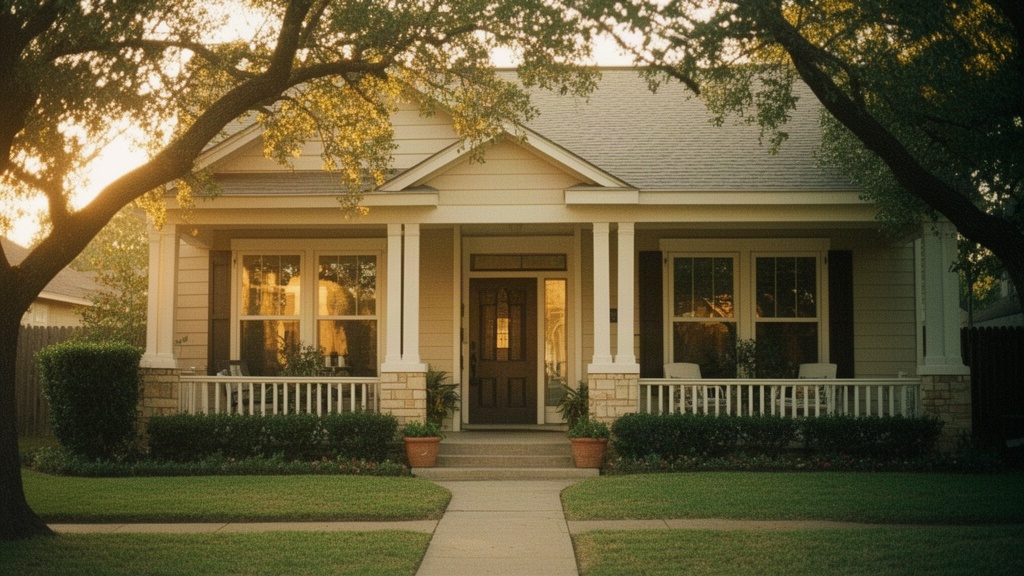
1. The State of New Construction in Douglas MA Right Now
New housing development in Douglas MA is active in September 2026, but it moves at a pace that reflects the town's rural character and its infrastructure constraints. Douglas is not a town where a national builder drops 200 units at once. What you find instead are smaller subdivisions of 10 to 40 lots, custom home builds on individual parcels, and the occasional cluster development that threads through the town's wetlands and conservation land. Buyers relocating from denser markets sometimes expect a broader menu of move-in-ready new construction, so calibrating expectations before you search is worth doing.
What Is Actually Being Built
As of September 2026, several residential projects are in various stages of construction or permitting in Douglas. Some are small builder subdivisions of fewer than 20 lots, and others are single custom homes on lots that were carved out of larger parcels over the past few years. You can browse currently listed new construction inventory through resources like Redfin's new construction listings for Douglas, which aggregates active MLS listings flagged as new construction. The listings there change week to week as homes are completed and listed, so checking it regularly gives you the most current picture.
Beyond what is already listed, the Douglas Planning Board and Zoning Board of Appeals are the places to look for what is coming next. Both boards hold public meetings where preliminary subdivision plans are presented, and their agendas are posted on the town's official website. If you are a buyer with a flexible timeline, watching those agendas can give you a six to eighteen month lead on inventory that has not hit the MLS yet.
Why Activity Is Limited but Real
Douglas has meaningful constraints that keep large-scale development from happening quickly. The town relies primarily on private wells and septic systems rather than municipal water and sewer, which limits how densely any parcel can be developed. The state's Title 5 septic regulations require minimum lot sizes that vary based on soil percolation rates, and in many parts of Douglas that pushes minimum lot sizes to an acre or more. Combined with the town's significant wetlands, conservation land around Douglas State Forest, and the Whitin Reservoir watershed, the buildable land available for new subdivisions is genuinely finite.
That scarcity is one reason Douglas has seen sustained price appreciation in both new and resale homes. The broader Massachusetts housing market has faced persistent supply shortages, and Douglas is no exception. A Boston Agent Magazine report from 2026 noted that household formation is growing even as housing supply continues to lag statewide, a dynamic that applies directly to towns like Douglas where new permits are limited by infrastructure and land availability rather than lack of buyer demand.
2. Where New Developments Are Located in Douglas
New construction in Douglas is not concentrated in one corridor; it is spread across several distinct pockets of the town, each with different road access, lot characteristics, and proximity to town center amenities. Understanding where activity is happening helps you focus your search rather than waiting passively for something to appear on Zillow.
West Douglas and the Route 16 Corridor
West Douglas, the village centered around the intersection of Routes 16 and 96, has historically been one of the more active areas for new residential development. The area sits close to the Connecticut border and has road access that makes it practical for commuters heading toward Putnam or Danielson in Connecticut, as well as those using Route 146 north toward Worcester. Builders have found pockets of developable land along the secondary roads that branch off Route 16, and several smaller subdivisions have been carved out there over the past decade. For a deeper look at what the West Douglas market looks like right now, the West Douglas real estate market guide covers pricing, lot characteristics, and what buyers should expect in that part of town.
Ponds and Rural Road Frontage Lots
Douglas has more than a dozen ponds, and road frontage lots near water have attracted custom builders who work with individual buyers rather than speculative subdivision developers. Cook Pond, Wallum Lake, and Carbuncle Pond are among the bodies of water where you will occasionally find a newly constructed home or a lot cleared and ready for a custom build. These are not subdivision homes in the traditional sense; they tend to be one-off projects where a buyer purchases a lot and contracts directly with a local or regional builder. Lead times on these projects run twelve to twenty-four months from lot purchase to move-in, depending on permitting complexity and builder scheduling.
Infill Lots in Established Areas
A quieter category of new construction in Douglas involves infill lots, parcels that were subdivided from larger properties years ago but never built on. These lots sometimes appear for sale with permits already in place, or a builder picks them up and constructs a spec home. Because they sit within established road networks, they often have shorter utility run costs and faster permitting timelines. They are also harder to find without local knowledge, since they are not always marketed the same way a subdivision model home would be.
3. What New Homes in Douglas Cost and What You Get
New construction in Douglas commands a premium over comparable resale homes, which is consistent with what buyers see across most of Massachusetts in 2026. Understanding the price range, what is included, and how the numbers compare to the resale market helps you decide whether new construction fits your budget and timeline.
Price Ranges for New Construction
In September 2026, new construction homes in Douglas are generally priced between $550,000 and $800,000 for a standard colonial or cape-style home on a one to two acre lot. Smaller spec homes closer to 1,600 square feet can come in at the lower end of that range, while larger custom builds with four bedrooms, finished basements, and upgraded finishes push toward the upper end or beyond. Land cost alone in Douglas has risen significantly over the past several years, and builders factor that into base pricing before a single upgrade is selected.
Buyers who want to compare what their dollar buys in new construction versus resale will find useful context in the broader Douglas market overview. The Douglas Massachusetts real estate market guide covers current median prices, days on market, and what the inventory picture looks like for both new and resale homes across the town.
Lot Sizes and Home Styles
Most new construction lots in Douglas run between one and two and a half acres, driven by the septic and well requirements described earlier. The dominant architectural styles are colonial, cape, and raised ranch, though some builders are offering craftsman-influenced exteriors with open-concept interiors that appeal to buyers coming from more urban markets. Attached two-car garages are standard on most new builds. Finished square footage in subdivision homes typically ranges from 1,800 to 2,800 square feet, with custom builds going larger depending on what the buyer specifies.
How New Construction Compares to Resale
The premium for new construction in Douglas is real, but so are the advantages. A new home comes with a builder warranty, current energy codes, modern insulation standards, and no deferred maintenance. You are not inheriting a thirty-year-old heating system or a roof that needs replacing in three years. On the other hand, resale homes in Douglas often sit on more mature lots with established landscaping and trees, and they sometimes come in at $75,000 to $150,000 less than a comparable new build. The right choice depends on your budget, your timeline, and how much renovation appetite you have.
Property taxes are another factor worth running before you commit to a price point. The Douglas MA property tax guide walks through the current tax rate and shows you what your annual bill would look like at various assessed values, which matters when you are comparing a $620,000 new build to a $490,000 resale home.
4. The Permitting and Subdivision Process in Douglas
Understanding how subdivisions move through the approval process in Douglas helps buyers anticipate what is coming to market before it is listed, and helps sellers of raw land understand what a developer would face. The process is governed by the Douglas Planning Board under the town's Subdivision Control Law, which follows Massachusetts General Laws Chapter 41.
How Subdivisions Move Through Town Approval
A developer who wants to create a new subdivision in Douglas must submit a Definitive Subdivision Plan to the Planning Board, which then has ninety days to act on it under state law. Before that, most projects go through a Preliminary Plan review, which is advisory but gives the developer early feedback on road layout, lot configuration, and drainage. The Conservation Commission also reviews any project that touches wetlands or buffer zones, which in Douglas means almost every project of meaningful size. Between Planning Board review, Conservation Commission approval, and the time it takes to pull building permits lot by lot, a subdivision that is approved today typically does not have its first home listed for sale for twelve to thirty months.
Buyers who want to track what is in the pipeline can attend Planning Board meetings, which are typically held twice a month and listed on the Town of Douglas official website. Meeting minutes are posted publicly, and subdivision applications are part of the public record. This is one of the most underused tools available to serious buyers in a supply-constrained market.
What the Pipeline Looks Like for Buyers Watching the Market
In September 2026, the Douglas Planning Board has active applications and recently approved plans that indicate continued but modest new residential development through at least 2027 and into 2028. The town is not on the verge of a building boom, but there is a steady trickle of new lots coming to market each year. Buyers who want to purchase a lot and build custom should also look at the Douglas Building Department, which issues individual building permits and can tell you how many single-family permits have been issued year to date in 2026.
For a broader sense of how Douglas fits into the regional housing picture, you can also browse aggregated community listings on NewHomeSource's Douglas MA page, which compiles new construction communities in the Worcester County area and gives buyers a sense of what builders are active in the region.
5. What Buyers Should Know Before Purchasing New Construction in Douglas
Buying new construction is a different transaction than buying a resale home, and the differences matter more in a small-town market like Douglas where builders are often local or regional operators rather than national companies with standardized contracts. Going in prepared protects your deposit and your timeline.
Builder Contracts Are Different from Resale Contracts
Most builders in Douglas use their own purchase and sale agreements rather than the standard Greater Boston Real Estate Board form that resale transactions use. Builder contracts are written to protect the builder. Completion date language is often vague, deposit protections may be weaker than in a standard resale contract, and upgrade selections may have limited recourse if the builder substitutes materials. Having a buyer's agent and an attorney review the contract before you sign is not optional; it is essential. The builder's on-site sales agent works for the builder, not for you.
Inspections Still Matter
New construction homes in Douglas should still be inspected by an independent home inspector, ideally at multiple stages of construction rather than only at the end. A pre-drywall inspection lets an inspector see the framing, insulation, plumbing rough-in, and electrical rough-in before the walls close. A final inspection before closing catches anything that was missed or installed incorrectly. The town's building inspector issues certificates of occupancy, but that inspection is not a substitute for a thorough independent inspection done on your behalf.
Timing and Carrying Costs
Construction timelines in Douglas, as elsewhere in Massachusetts, have been affected by labor and material availability over the past few years. Buyers who are purchasing a home that is not yet built need to plan for the possibility that the closing date shifts by several months. If you are selling a current home to fund the purchase, coordinating those two timelines requires careful planning. Some buyers in this situation consider short-term rental options while they wait for their new home to complete. The article on buying a home in Douglas: process, costs, and timeline covers the overall transaction timeline in more detail and is worth reading alongside this article if you are planning a purchase in the near term.
If you are relocating to Douglas from outside the area and trying to figure out where to start, the article on who to call first when relocating to Douglas lays out a practical sequence for getting oriented before you start touring homes or visiting builder model sites.
FAQ
Are there any new housing developments or subdivisions being built in Douglas MA right now in September 2026?
Yes, there is active new residential construction in Douglas MA as of September 2026, though the pace is modest compared to larger suburban towns. Activity includes small builder subdivisions of fewer than 20 lots, custom homes on individual parcels, and spec homes on infill lots scattered across town. The most reliable way to see what is currently listed is to check MLS-sourced new construction listings updated in real time, and to monitor the Douglas Planning Board's agenda for projects that are still in the approval pipeline. A local agent with active knowledge of the Douglas market can also flag opportunities before they are publicly listed.
Why is new construction limited in Douglas, Massachusetts?
Douglas relies on private wells and septic systems rather than municipal water and sewer, which imposes minimum lot sizes that often run one acre or more depending on soil conditions. The town also has significant wetlands, conservation land tied to Douglas State Forest, and watershed protection areas around the Whitin Reservoir, all of which reduce the amount of land that can be permitted for residential development. These are structural constraints, not temporary ones, so buyers should expect new construction in Douglas to remain measured in volume rather than expanding rapidly. The finite supply of buildable land is one reason home values in Douglas have held up well even as interest rates have fluctuated.
Do I need a buyer's agent to purchase new construction in Douglas MA?
Yes, and it is one of the most important decisions you can make in a new construction transaction. The sales agent at a builder's model home or on-site office represents the builder's interests, not yours. A buyer's agent reviews the builder's contract for unfavorable terms, coordinates independent inspections at key stages of construction, and negotiates on your behalf for upgrades, closing cost contributions, or timeline protections. In Douglas, where many builders are local or regional operators with their own contract forms, having independent representation is especially valuable. The buyer's agent fee in new construction transactions is typically paid by the builder, so you get that representation without an out-of-pocket cost in most cases.