

← Back to Blog
Market Trends
Rome, GA Has the Best Client Reviews Real Estate Market Guide: Prices, Neighborhoods and Timing
By Brianna Hightower
EXP Realty · DRE# 428363
September 18, 2026 · 11 min read
If you are researching the Rome, GA real estate market, whether to buy, sell, or relocate, this guide gives you the concrete numbers, neighborhood details, and timing insight you need to make a confident decision. Rome, GA has earned strong client reviews for its approachable price points, distinct housing stock, and a market that rewards preparation. Here is everything you need to know about prices, neighborhoods, and timing in Rome right now.
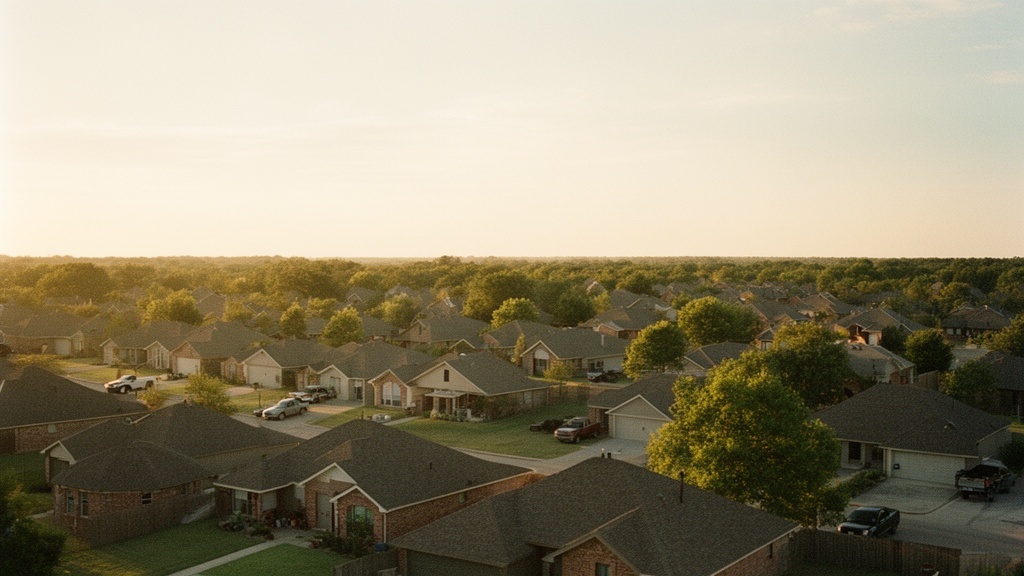
1. What the Rome, GA Market Looks Like Right Now
The Rome, GA real estate market is moderately competitive in September 2026, with median home prices sitting in the low-to-mid $200,000s for the broader Floyd County area. That figure represents meaningful appreciation over the past two to three years, driven by steady demand from buyers relocating from the Atlanta metro and from local move-up buyers who have built equity in starter homes.
Current Price Benchmarks
Median sale prices vary noticeably by property type and location within the city. Entry-level single-family homes in Rome's established in-town neighborhoods typically list between $160,000 and $220,000 for three-bedroom ranch and bungalow styles. Mid-range homes with four bedrooms, updated kitchens, and larger lots in areas like East Rome or along the Calhoun Road corridor generally fall between $230,000 and $320,000. Homes above $400,000 exist primarily in the Armuchee area, along the Ridge Road corridor, and in a handful of custom-built subdivisions on the city's northern and eastern edges.
For current tracking of list prices, sale prices, and price-per-square-foot trends, Redfin's Rome, GA housing market page is updated regularly and gives a useful snapshot of where the market stands month to month.
Inventory and Days on Market
Active inventory in Rome remains tighter than historical norms. Well-priced homes in the $180,000 to $270,000 range routinely go under contract within one to three weeks of listing. Homes priced above $350,000 tend to sit longer, averaging four to eight weeks on market depending on condition and lot characteristics. The upper end of the market, properties listed above $500,000, can take two to four months to find a buyer, which makes pricing strategy especially important in that segment.
Rome's overall days-on-market figure has hovered in the 30 to 45 day range for most of 2026, which is competitive by Northwest Georgia standards but still more measured than peak conditions seen in 2021 and 2022. Sellers are receiving offers close to list price on well-prepared homes, while buyers have slightly more room to negotiate on properties that need cosmetic work or have been sitting for more than 30 days.
2. Rome, GA Neighborhoods: Housing Stock and Price Ranges
Rome's geography shapes its neighborhoods in a distinctive way. The city sits at the confluence of the Etowah and Oostanaula rivers, which merge to form the Coosa River, and the surrounding hills and ridges create natural boundaries between distinct residential pockets. Each area has its own housing character, price floor, and lot profile.
Historic and In-Town Areas
The blocks surrounding Broad Street and the downtown core contain some of Rome's most architecturally varied housing. Craftsman bungalows built between 1910 and 1940, two-story Foursquares, and Colonial Revival homes sit on narrow in-town lots, typically 50 by 150 feet or smaller. Prices in these blocks range from the high $100,000s for homes needing renovation to the low $300,000s for fully restored properties with original hardwood floors, updated plumbing, and period-appropriate finishes.
The Coosa neighborhood, which runs along the river south of downtown, features a mix of mid-century brick ranches and post-war cottages on lots that often back up to wooded slopes. Walkability to Riverwalk Rome, the clock tower, and the Broad Street retail and dining corridor is a practical feature of this location. For a detailed look at this specific area, the Downtown Rome real estate market guide covers pricing and housing stock in depth.
The Shorter Avenue corridor, running west from downtown toward the Floyd Medical Center campus, includes a concentration of older homes on generous tree-lined lots. Many have been updated in recent years as the area has attracted buyers who want proximity to the hospital district and Berry College. The Shorter Avenue area real estate market guide has more specifics on that corridor.
Suburban and Outlying Corridors
East Rome, stretching along the US-411 corridor toward Cartersville Road, offers a different housing profile. The stock here is predominantly brick ranch homes built in the 1960s through 1980s, with lot sizes ranging from a quarter acre to just under an acre. These homes tend to offer more square footage per dollar than in-town options, with three-bedroom ranches commonly available in the $175,000 to $240,000 range. The tradeoff is a longer drive to Broad Street, typically eight to twelve minutes depending on traffic.
The Armuchee area, north of the city along US-27, transitions into more rural residential character. Lots here are frequently one to five acres, and the housing mix includes both older farmhouses and newer custom builds. Prices in Armuchee span a wide range, from the $200,000s for modest older homes to $500,000 and above for newer construction with acreage, a garage, and mountain views toward the Armuchee Ridges.
The Ridge Road and Calhoun Road corridors on the city's eastern and southern edges attract buyers who want suburban subdivision living with access to Rome's commercial districts along Turner McCall Boulevard. Subdivisions in these areas typically feature homes built between 1990 and 2015, with four-bedroom layouts, two-car garages, and HOA-maintained common areas. Prices generally run from $260,000 to $380,000 depending on age, lot size, and finish level.
New Construction Pockets
Rome and Floyd County have seen a meaningful uptick in new construction activity through 2025 and into 2026. Several new subdivisions are underway in the Cave Spring Road area and along the Redmond Road corridor, with base prices typically starting around $280,000 for a 1,600 square foot three-bedroom home and climbing to $400,000 or more for larger plans with upgraded finishes. New construction gives buyers the advantage of modern energy codes, builder warranties, and customization options, but inventory is limited and wait times for completion can run four to eight months depending on the builder's schedule.
For a comprehensive look at what is currently being built and where, the article on new housing developments in Rome, GA in 2026 covers active projects, builders, and price ranges in detail.
3. What Drives Home Values in Rome, GA
Understanding what pushes a Rome home's value up or down helps both buyers evaluate whether a price is fair and sellers decide where to invest before listing. Several factors are particularly influential in this specific market.
Location Within Floyd County
Proximity to Floyd Medical Center, Rome's largest employer, consistently supports values in the Shorter Avenue and West Rome corridors. Berry College, with its 27,000-acre campus on the city's western edge, draws faculty, staff, and graduate students who prefer to live within a ten to fifteen minute drive of the main gate on US-27. Homes in that radius tend to hold value steadily even when broader market conditions soften.
Access to Rome's commercial corridors also matters. Turner McCall Boulevard and Martha Berry Highway carry most of the city's retail, restaurant, and services traffic. Homes within a five-minute drive of these corridors tend to command a small premium over otherwise comparable homes that require a longer drive for everyday errands.
Property Characteristics That Move the Needle
Lot size, garage presence, and kitchen condition are the three variables that most reliably separate competing listings in Rome's mid-range price band. A home with a two-car attached garage will typically sell faster and closer to list price than a comparable home with a carport or no covered parking. Updated kitchens with granite or quartz countertops and stainless appliances can add $15,000 to $30,000 in perceived value in the $200,000 to $300,000 price range. Lot size matters most in the outlying corridors; buyers paying $280,000 or more in Armuchee or the Cave Spring Road area generally expect at least half an acre.
Roof age and HVAC condition are the two deferred-maintenance items most likely to derail a transaction at inspection. Buyers in Rome are increasingly requesting home inspections and using findings to negotiate credits or repairs. Sellers who address a roof nearing the end of its service life before listing typically recover the cost in a smoother, faster sale.
Economic and Infrastructure Factors
Rome's position roughly 65 miles northwest of Atlanta along US-411 and I-75 has made it a consistent destination for buyers priced out of the metro. The commute to Marietta runs approximately 55 to 65 minutes under normal conditions, and remote and hybrid work arrangements have made that drive frequency manageable for many households. This sustained demand from Atlanta-area buyers has been a structural support for Rome prices over the past several years.
Manufacturing employment at facilities along the US-411 industrial corridor, including operations tied to automotive supply chains, provides a stable local employment base that supports demand from buyers who work and live within the county. That local demand is less sensitive to remote-work trends and has historically kept Rome's market from swinging as dramatically as markets that depend heavily on long-distance commuters.
4. Timing the Market as a Buyer or Seller in Rome, GA
Timing matters in Rome's market, but it rarely overrides preparation and pricing. Both buyers and sellers benefit from understanding the seasonal rhythms that shape how many homes come to market and how quickly they move.
When Sellers Have the Most Leverage
Spring is consistently Rome's most active listing season, with the highest volume of buyer activity running from late February through May. Homes listed in March and April benefit from the largest pool of active buyers and the longest daylight hours for showings. Sellers who list during this window typically see the shortest days-on-market and the most competitive offer situations. The fall window, particularly September and October, is a secondary period of solid activity as buyers who paused over the summer return to the market before the holiday slowdown.
For sellers weighing whether to list now in September 2026 or wait until spring, the article on fall 2026 market timing for Rome, GA sellers breaks down the specific tradeoffs in detail.
When Buyers Find More Room to Negotiate
November through January is when Rome's market slows the most, and buyers who are active during those months typically encounter less competition and more willingness from sellers to negotiate on price or closing costs. Inventory does thin out in winter, so buyers need to be prepared to move quickly when a property that fits their criteria appears. The tradeoff of less competition but fewer choices is real, and buyers with flexibility on timing should weigh it carefully against their specific needs.
Interest rate conditions in September 2026 continue to influence buyer purchasing power in Rome just as they do everywhere. Buyers who get pre-approved before beginning their search have a significant advantage in any competitive situation, and pre-approval also clarifies the price range where a buyer can realistically compete. For a thorough walkthrough of the buying process in Rome, the guide on buying a home in Rome, GA: process, costs and timeline covers every stage from offer to closing.
How Long Transactions Take
From accepted offer to closing, most Rome transactions take 30 to 45 days when financed with a conventional or FHA loan. USDA Rural Development loans, which are available in parts of Floyd County that qualify under USDA eligibility maps, can add one to two weeks to the timeline due to the additional underwriting layer. Cash transactions can close in as few as ten to fourteen days if the title search and any required inspections move efficiently.
Sellers should plan for the appraisal to be the most common source of delay in a financed transaction. If a home appraises below the contract price, the buyer and seller must either renegotiate, the buyer must bring additional cash to closing, or the deal falls apart. Pricing a home accurately from the start is the best way to avoid appraisal gaps, which is one reason that working with an agent who knows Floyd County's comparable sales data in detail is so valuable.
5. What to Know Before You Buy or Sell in Rome, GA
A few practical details specific to Floyd County and Rome that affect both buyers and sellers are worth understanding before you enter the market.
Property Taxes and Carrying Costs
Floyd County's effective property tax rate is generally in the range of 0.8% to 1.1% of assessed value, which in Georgia is typically 40% of fair market value. On a $250,000 home, that translates to roughly $800 to $1,100 per year in county and city taxes combined, though the exact figure depends on which tax district the property sits in and whether the owner qualifies for homestead exemption. Georgia's homestead exemption reduces the assessed value used to calculate taxes for primary residences, so buyers who intend to occupy the home should apply for it in the year following their purchase.
Flood Zones and Due Diligence
Because Rome sits at the confluence of three rivers, flood zone designation is a real consideration for some properties, particularly those near the Coosa, Etowah, or Oostanaula river banks. Buyers should confirm flood zone status through FEMA's flood map service and discuss flood insurance costs with their lender before going under contract on any property near the river corridors. Flood insurance premiums can add several hundred to several thousand dollars per year to a home's carrying costs, which affects both affordability and resale appeal.
Using Market Data to Anchor Your Decisions
The Greater Rome Board of Realtors publishes monthly market statistics through Georgia MLS, which tracks median prices, active listings, closed sales, and days on market for the Rome area specifically. These figures are more granular than statewide or national data and give buyers and sellers a realistic picture of current conditions. Checking the Greater Rome Board of REALTORS market snapshot on Georgia MLS before making pricing or offer decisions is a practical step that many buyers and sellers overlook.
Sellers who want a detailed breakdown of what pricing strategy looks like in the current market will find the article on selling a home in Rome, GA: pricing, timeline and what to expect a useful companion to this guide.
FAQ
What is the median home price in Rome, GA right now?
As of September 2026, median home prices in Rome, GA are in the low-to-mid $200,000s for the broader Floyd County market. Entry-level three-bedroom homes in established in-town neighborhoods typically list between $160,000 and $220,000, while mid-range four-bedroom homes in suburban corridors like East Rome and the Ridge Road area generally fall between $230,000 and $320,000. Homes above $400,000 are concentrated in the Armuchee area and newer custom subdivisions on the city's northern and eastern edges. Prices have appreciated meaningfully over the past two to three years, driven by demand from Atlanta-area relocators and local move-up buyers.
Is it a good time to sell a home in Rome, GA in September 2026?
September sits within one of Rome's secondary activity windows, when buyers who paused over the summer return to the market before the holiday slowdown. Well-priced homes in the $180,000 to $270,000 range are still moving within one to three weeks of listing. The spring window from late February through May is historically the most active period, but sellers who need to list now can still achieve strong results if the home is priced accurately and presented well. Working with an agent who tracks Floyd County's comparable sales data closely is the most reliable way to set a price that attracts competitive offers without leaving money on the table.
What neighborhoods in Rome, GA have the most housing inventory?
East Rome along the US-411 corridor and the suburban subdivisions along Calhoun Road and Ridge Road tend to carry the most consistent inventory of mid-range homes, with three- and four-bedroom brick ranches and traditional subdivisions built between the 1960s and 2010s. The downtown and in-town historic areas have lower turnover because owners tend to hold those properties longer, which means fewer homes come to market at any given time. New construction activity in 2026 is adding inventory in the Cave Spring Road and Redmond Road corridors, giving buyers additional options in the $280,000 to $400,000 range. Armuchee and the rural northern corridors have the most acreage options but the thinnest inventory, so buyers focused on those areas need to be prepared to act quickly when a suitable property appears.