
← Back to Blog
Neighborhoods
The Sissonville Area of Charleston, West Virginia Has the Most Local Experience Real Estate Market Guide: Prices, Neighborhoods and Timing
By Cayla Jespersen
Better Homes and Gardens Real Estate. Central
September 22, 2026 · 11 min read
The Sissonville area of Charleston, West Virginia has the most local experience of any suburban corridor in the metro when it comes to balancing land, privacy, and a reasonable commute, and this real estate market guide covers prices, neighborhoods, and timing so you can make a confident move. Whether you are buying your first home on the northwest side of Kanawha County, selling a property you have owned for years, or relocating to the Charleston area and trying to figure out where Sissonville fits into the picture, the details below give you a grounded, specific look at what the market looks like in September 2026.
1. What Makes Sissonville Distinct Inside the Charleston Market
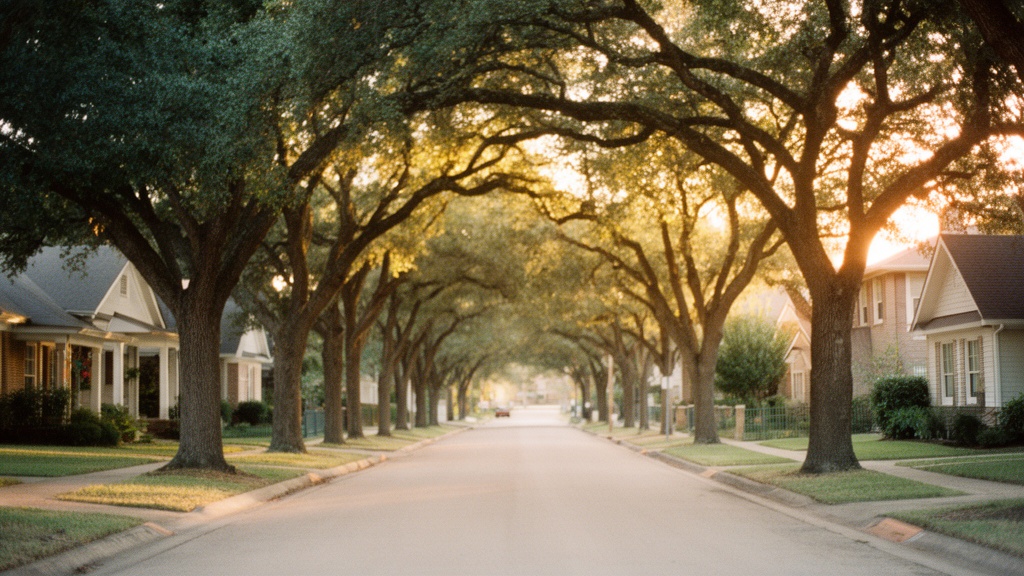
Sissonville occupies a specific and well-defined role in the Charleston, West Virginia real estate market. It sits roughly 12 to 15 miles northwest of downtown Charleston along US Route 119, inside Kanawha County but well outside the urban core. That distance translates into larger lots, more wooded settings, and a quieter pace than you will find in neighborhoods like Kanawha City or the East End, while still keeping Capitol Street within a reasonable drive.
The area is not a single neighborhood in the traditional sense. It is a loosely connected corridor of communities strung along US 119 and the hollows that branch off it, including Teays Valley Road, Pocatalico Road, and stretches toward Pinch. Most buyers who search for Sissonville homes are specifically looking for that combination: acreage or at least a generous yard, a detached single-family home, and a price point that does not require a luxury budget.
Geography and Road Access
US Route 119 is the spine of the Sissonville corridor. It runs from Charleston's north side through Sissonville proper and continues northwest toward Ripley in Jackson County. The road is four lanes through most of the commercial stretch near Sissonville itself, narrowing as you move into the hollows. Side roads like Teays Valley Road and Pocatalico Road give access to some of the most sought-after residential pockets in the area, where lots can stretch from half an acre to several acres.
Flood risk is generally lower in Sissonville than in river-adjacent parts of Charleston. The corridor sits above the Kanawha River floodplain, which is a meaningful distinction for buyers who have researched flood zone considerations along the Kanawha River. That said, individual properties in low-lying hollows can still carry flood designations, so reviewing FEMA flood maps for any specific address remains essential.
Housing Stock and Lot Sizes
The dominant housing type in Sissonville is the detached single-family home, and the era of construction spans widely. You will find ranch-style homes from the 1960s and 1970s on half-acre lots, split-levels from the 1980s with attached garages, and a meaningful number of newer builds from the 2000s and 2010s that offer open floor plans and updated mechanicals. Manufactured homes on owned land also appear throughout the corridor, often on larger parcels.
Lot sizes are one of Sissonville's defining characteristics. Where a typical Kanawha City home might sit on a 6,000 to 9,000 square foot city lot, Sissonville properties routinely offer one to three acres, and some parcels run considerably larger. That extra land is a primary reason buyers choose this corridor over closer-in Charleston neighborhoods.
2. Sissonville Real Estate Prices in September 2026
Sissonville area home prices in September 2026 generally range from the low $100,000s for older or smaller properties to the upper $300,000s and beyond for larger, updated homes on generous acreage. The median sale price for the Sissonville corridor currently sits in the $185,000 to $230,000 range depending on the specific pocket and property condition, which positions it as one of the more accessible suburban options in Kanawha County relative to the square footage and land you receive.
Median Price Range and What It Buys
At the $150,000 to $200,000 price point, buyers in Sissonville can typically expect a three-bedroom, one-and-a-half to two-bathroom home with 1,200 to 1,600 square feet on a lot of at least half an acre. Many of these homes have attached or detached garages and are on well and septic rather than municipal utilities, which affects both the purchase price and ongoing maintenance costs. Buyers coming from urban markets often find this combination of space and price surprising compared to what the same budget would purchase closer to downtown.
In the $220,000 to $320,000 range, you start to see updated kitchens, primary suites, finished basements, and in some cases small barns or outbuildings. Homes at this level often have one to three acres and were either built after 2000 or have been substantially renovated. Above $320,000, properties tend to offer custom construction, significant acreage, or both.
How Sissonville Compares to Other Charleston Corridors
Compared to South Hills, where median prices currently run closer to $250,000 to $300,000 for similar square footage on smaller lots, Sissonville generally delivers more land per dollar. Compared to Kanawha City, where walkability and proximity to MacCorkle Avenue amenities carry a premium, Sissonville trades that convenience for space and privacy. The East End offers historic architecture and urban walkability at its own price tier. Each corridor serves a different set of priorities, and understanding those trade-offs is central to making the right call for your situation. You can read detailed breakdowns of those other areas in the South Hills real estate market guide and the Kanawha City real estate market guide on this site.
One important pricing nuance in Sissonville is the well-and-septic factor. Homes on private water and sewer systems require buyers to budget for inspections, potential repairs, and longer-term replacement costs that do not apply to city-connected properties. Lenders also apply specific requirements for well and septic systems, so buyers using FHA or USDA financing should confirm those details early in the process.
3. Neighborhood Features and What to Expect on the Ground
Sissonville's residential landscape is defined by its hollows, ridgelines, and creek bottoms, each of which creates its own micro-setting. Homes along the ridges tend to have long views across wooded hills. Properties in the hollows often sit beside small creeks and feel more sheltered. The variation within just a few miles of road means that two homes priced similarly can feel very different in terms of setting, privacy, and even sun exposure.
Teays Valley Road and the Core of Sissonville
Teays Valley Road branches off US 119 and runs through one of the more established residential sections of the Sissonville area. Homes here tend to be on larger lots with mature trees, and the road itself has a settled, established character. Many properties along Teays Valley Road have been in the same family for decades, which means inventory here is limited and homes tend to move quickly when they do come to market.
The commercial center of Sissonville along US 119 includes a Dollar General, a handful of locally owned businesses, a post office, and several churches that have served the community for generations. It is not a walkable commercial district in the way that parts of Charleston's urban core are, but it covers everyday basics without requiring a trip downtown.
Surrounding Pockets: Pocatalico, Coonskin, and Pinch Road
Pocatalico Road and the Pocatalico Creek corridor offer some of the most rural residential settings within a reasonable distance of Charleston. Properties here can sit on five acres or more, and the creek itself runs alongside many lots. The trade-off is that some of these properties carry flood risk from the creek, which makes due diligence on FEMA maps and flood insurance costs especially important.
The Coonskin area, near Coonskin Park, sits closer to the city but still offers a wooded, low-density feel. Coonskin Park itself is a Kanawha County park with a golf course, swimming pool, picnic shelters, and walking trails, making it a significant recreational amenity for residents of the northwest Charleston corridor. Pinch Road, which runs toward Putnam County, adds another layer of residential options with a mix of older homes and some newer development.
For buyers considering the broader Charleston market, the complete Charleston, West Virginia real estate market guide provides context on how Sissonville fits within the metro-wide picture of prices and inventory.
4. Commute, Amenities, and Day-to-Day Logistics
The commute from Sissonville to downtown Charleston is one of the most common questions buyers ask before committing to the area, and the honest answer is that it depends heavily on the time of day and the specific starting point. US 119 is the only primary route, and it funnels through several traffic lights and a stretch of commercial development before connecting to the interstate or surface streets into the city.
Getting to Downtown Charleston
From the core of Sissonville at US 119, the drive to Capitol Street in downtown Charleston runs approximately 20 to 30 minutes under normal conditions. During weekday morning rush hours, that time can stretch to 35 to 45 minutes depending on where congestion builds along the corridor. Properties further out on Pocatalico Road or deep into a hollow can add another 10 to 15 minutes to those estimates. The detailed breakdown of what a typical weekday morning commute looks like is covered in the Sissonville to downtown Charleston commute guide on this site.
For buyers who work at CAMC, the State Capitol complex, or other major downtown employers, the commute is manageable but deserves a test drive at the time of day that matters most. Buyers working remotely or with flexible schedules will find the distance far less consequential.
Groceries, Services, and Local Infrastructure
Full-service grocery shopping in Sissonville requires a drive. The nearest major grocery options are in the Northgate area of Charleston, roughly 8 to 10 miles south along US 119, where a Kroger and other retailers anchor a commercial corridor. Some residents also head toward Cross Lanes or Nitro in Putnam County for shopping, depending on their location within the Sissonville corridor.
Internet and utility infrastructure varies by specific location. Fiber internet service has expanded into parts of Kanawha County in recent years, but coverage in rural hollows can still be limited to cable or fixed wireless options. Buyers who work from home should confirm available service providers and speeds at any specific address before making an offer.
Kanawha County's public school assignments for Sissonville-area properties are administered through the Kanawha County Schools district. For specific school assignments by address, the district's official website is the most reliable source. Buyers with children should verify assignments directly with the district, as attendance zones can shift and are not always intuitive based on address alone.
5. Market Timing: When to Buy or Sell in Sissonville
Timing in the Sissonville market follows some of the same seasonal patterns as the broader Charleston area, but with a few important differences driven by the rural character of the inventory. Because many Sissonville properties include land, outbuildings, and outdoor features, buyers tend to evaluate them differently in winter than in spring or summer, when landscaping, gardens, and the condition of outbuildings are easier to assess.
Seller Timing Considerations
For sellers in the Sissonville area, late spring through early summer has historically been the strongest window for generating buyer interest. Homes with acreage, gardens, or outbuildings photograph and show best when the property is green and the days are long. Listing in May or June allows buyers to see the land at its most appealing and gives families time to close and settle before the next school year begins.
That said, September 2026 is not a bad time to be on the market in Sissonville. Inventory across the Charleston metro remains relatively tight, and motivated buyers who did not find a home during the spring and summer are still actively searching. Fall light and foliage can also make wooded properties photograph beautifully. The full analysis of whether fall 2026 or spring 2027 makes more sense for sellers is covered in the sell now or wait guide on this site.
Pricing a Sissonville property accurately requires genuine local knowledge. Comparable sales in the area can be sparse, and properties vary so much by lot size, well and septic condition, road access, and outbuildings that automated valuation tools frequently miss the mark. An agent with specific experience in the corridor will pull comps carefully and account for those variables rather than relying on a broad zip-code average.
Buyer Timing Considerations
Buyers in Sissonville face a persistent inventory challenge: there are simply not many homes for sale at any given time. Active listings in the Sissonville corridor at any point in 2026 have typically numbered in the single digits to low teens, which means the right property may not appear for weeks or months. Buyers who are pre-approved and have a clear picture of their priorities are positioned to move quickly when a home matches their criteria.
Interest rates in September 2026 continue to influence purchasing power across all price tiers. At current rates, a buyer financing $200,000 at a 30-year fixed rate faces a meaningfully different monthly payment than they would have in 2021, which is a factor that shapes how many buyers are competing for each listing. Fewer competing buyers can mean more negotiating room on price, inspection repairs, and closing cost contributions, particularly for properties that have been on the market for more than 30 days.
USDA Rural Development loans are worth exploring for Sissonville properties, as parts of the corridor may qualify for USDA financing based on population density designations. USDA loans offer zero down payment for eligible buyers and properties, which can be a significant advantage in a market where land-heavy properties require careful budget planning. Confirming eligibility requires checking the USDA's current property eligibility maps for the specific address.
Local expertise in a corridor like Sissonville is not just a marketing phrase. As NAR has noted, neighborhood-level knowledge is a concrete competitive advantage for buyers and sellers alike, particularly in markets where inventory is thin and comparables are scarce. In Sissonville, knowing which hollows flood, which roads ice over in winter, which well systems have known issues, and which parcels have encumbrances is the kind of detail that only comes from working the area consistently.
For buyers who are still weighing all of their Charleston-area options, the first-time home buyer guide for Charleston, West Virginia walks through the full process from pre-approval through closing, including details specific to Kanawha County that differ from what you might find in a national guide.
FAQ
What is the typical price range for homes in the Sissonville area of Charleston, West Virginia right now?
In September 2026, Sissonville area homes generally sell in a range from the low $100,000s for smaller or older properties to the upper $300,000s for larger, updated homes with significant acreage. The median sale price for the corridor sits roughly between $185,000 and $230,000 depending on specific location and condition. Homes on Teays Valley Road and similar established pockets tend to command prices toward the higher end of that range, while properties deeper in the hollows or with deferred maintenance often come in below the median. Well-and-septic status, road access, and outbuilding condition all affect value significantly in this corridor, more so than in urban Charleston neighborhoods.
How long does it take to commute from Sissonville to downtown Charleston on a weekday morning?
From the main Sissonville area along US Route 119, the drive to downtown Charleston typically runs 20 to 30 minutes under normal traffic conditions. During peak weekday morning hours, that can stretch to 35 to 45 minutes as traffic builds along the US 119 corridor approaching the city. Properties located on side roads like Pocatalico Road or further into the hollows can add another 10 to 15 minutes to those estimates. US 119 is the primary route, and there are no significant alternative roads that meaningfully reduce the commute time. Buyers who commute daily to major employers like CAMC or the State Capitol complex should drive the route themselves during rush hour before making a final decision.
Are USDA loans available for homes in the Sissonville area, and what else should buyers know about financing?
Parts of the Sissonville corridor may qualify for USDA Rural Development loans based on population density designations, which would allow eligible buyers to purchase with zero down payment. Eligibility is property-specific, so buyers should check the USDA's official property eligibility map for any address they are considering. Beyond USDA, buyers should be aware that homes on well and septic systems face additional lender requirements, particularly for FHA loans, which require the well and septic to meet specific standards before closing. Confirming internet service availability is also worth doing early in the process for buyers who work remotely, as coverage in rural hollows varies considerably. A lender familiar with rural West Virginia properties will be better positioned to navigate these requirements than one focused primarily on urban markets.