

← Back to Blog
Buying
Buying a Home in Tarrytown Austin TX: Process, Costs and Timeline
By Dana Epstein
The Boutique Real Estate, eXp Realty · DRE# 634135
September 16, 2026 · 12 min read
Buying a home in Tarrytown Austin TX puts you inside one of the city's most established central neighborhoods, where tree-lined streets, Lake Austin access, and proximity to downtown make the real estate market genuinely competitive. This guide walks through the full process, the real costs buyers face in September 2026, and a realistic timeline from first search to closing day.
1. What Makes Tarrytown Different From Other Austin Neighborhoods
Tarrytown is a central Austin neighborhood bounded roughly by Lake Austin Boulevard to the south, MoPac Expressway to the west, 35th Street to the north, and Lamar Boulevard to the east. It sits about two miles from downtown Austin, making it one of the closest established residential areas to the city core without being inside the urban grid itself.
The Housing Stock
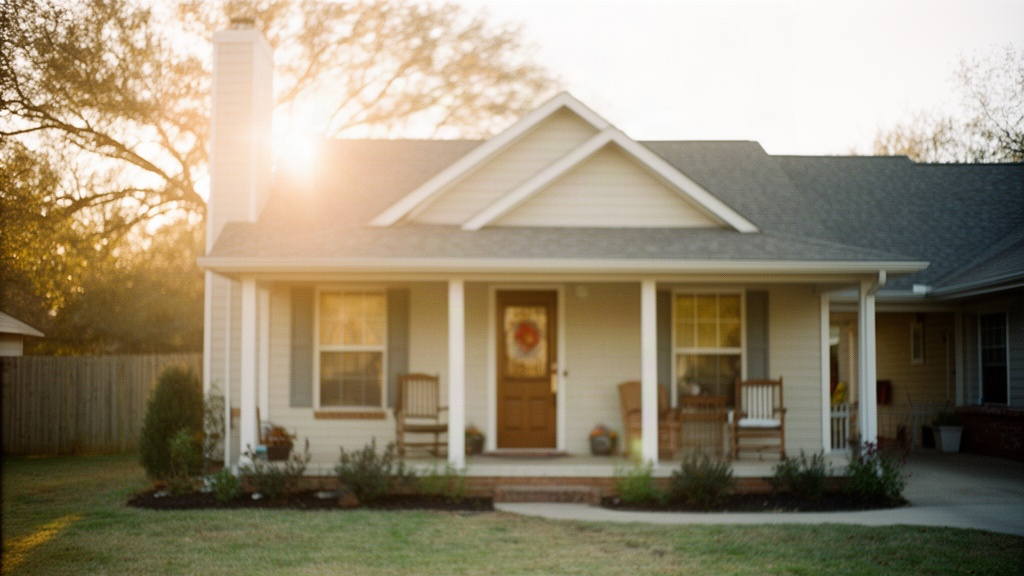
Tarrytown's residential character is defined by its age and variety. The neighborhood contains a mix of original mid-century ranch homes from the 1940s through 1970s, craftsman bungalows, Tudor-style houses, and a significant number of new construction and heavily renovated properties that have replaced teardowns over the past two decades. Lot sizes typically range from about 6,000 square feet on smaller interior lots up to 15,000 square feet or more on the larger streets closer to Lake Austin.
Many of the original homes sit on mature, heavily canopied lots with live oaks that are decades old. Newer builds in the area tend toward contemporary architecture with clean lines, metal roofing, and open floor plans, often replacing the smaller original structures. Buyers who want a historic feel will find it here; buyers who want new construction finishes will also find options, sometimes on the same block.
Location and Commute Context
The drive from Tarrytown to downtown Austin typically runs five to ten minutes outside of peak hours. During morning rush hour on MoPac, that can extend to twenty to thirty minutes depending on the exact destination and time of departure. The University of Texas main campus is about a fifteen-minute drive or a manageable bike ride via the Shoal Creek Trail. The Domain, Austin's northern tech and retail hub, sits roughly fifteen miles north, a twenty to thirty-five minute drive depending on traffic.
Tarrytown borders Exposition Park and connects to the Barton Creek Greenbelt via the south end of MoPac. Walsh Boat Landing and Eilers Park are within the neighborhood, giving residents direct access to Lake Austin for kayaking and paddleboarding. Mayfield Park and Nature Preserve, with its peacock colony and historic gardens, sits at the southwestern edge. These are physical features that define daily life in this ZIP code.
2. The Home Buying Process in Tarrytown Step by Step
Buying a home in Tarrytown Austin TX follows the same legal framework as any Texas purchase, but the local market dynamics require a few specific adjustments. Inventory in this neighborhood is limited relative to demand, and the price points involved mean that preparation, timing, and negotiation all carry real financial weight.
Get Pre-Approved Before You Search
A pre-approval letter is non-negotiable in Tarrytown. Sellers in this price range will not entertain offers from buyers who have not documented their financing. The pre-approval process involves submitting two years of tax returns, recent pay stubs, bank statements covering sixty to ninety days, and a credit check. Most lenders can turn around a pre-approval letter within two to five business days if you submit documents promptly.
Cash buyers are also active in Tarrytown, particularly on teardown lots and high-end renovated properties. If you are financing, your lender's reputation and the speed of their underwriting process can matter in a competitive offer situation. Local lenders with Austin market experience often have an edge over large national banks when it comes to communication and timeline reliability.
Work With a Local Buyer's Agent
Tarrytown is a neighborhood where off-market and pocket listings do exist. Agents with long-standing relationships in this specific area sometimes know about properties before they hit the MLS, which can give buyers a meaningful advantage. A buyer's agent who knows Tarrytown's micro-streets, its flood plain boundaries near Lake Austin, and the difference in value between a lot with a heritage oak versus one without is genuinely useful, not just a formality.
Under Texas law, your buyer's agent compensation is negotiated as part of the transaction. Since the NAR settlement changes took effect, buyers should discuss agent compensation structure before signing a buyer representation agreement. Dana Epstein of The Boutique Real Estate, eXp Realty works with buyers throughout central Austin and has deep familiarity with Tarrytown's inventory patterns and pricing history.
Make an Offer in a Shifting Market
In September 2026, Tarrytown sits in a more balanced market than it did during the 2021 to 2022 peak. Homes are spending more days on the market, and price reductions have become more common across Austin. According to reporting from HousingWire, Austin's market has been relying on price cuts as homes sit longer, which means buyers have more room to negotiate than they did three to four years ago.
A Texas residential purchase contract includes an option period, typically three to ten days, during which you pay an option fee (usually $200 to $500 or more depending on price point) for the unrestricted right to terminate. This is separate from your earnest money deposit, which in Tarrytown typically runs one to two percent of the purchase price. Your offer will also specify a closing date, usually twenty-one to forty-five days out depending on financing type.
Navigate Inspections and Appraisals
A general home inspection in Austin runs $400 to $600 for a typical single-family home, with additional costs for specialized inspections. In Tarrytown specifically, older homes built before 1970 warrant closer attention to foundation performance, knob-and-tube or aluminum wiring, cast iron drain lines, and the condition of original single-pane windows. Many buyers in this neighborhood also order a separate sewer scope inspection, which costs $150 to $250 and can reveal tree root intrusion in older clay pipes.
Flood zone status matters in Tarrytown. Portions of the neighborhood near Lake Austin and Shoal Creek fall within FEMA-designated flood zones, which can require flood insurance and affect both your lender's requirements and your long-term carrying costs. Always check the current FEMA flood map for a specific address before making an offer, not just after.
3. What Does It Cost to Buy a Home in Tarrytown Austin TX
Tarrytown is one of the higher-priced residential areas in central Austin, and the cost picture involves more than just the purchase price. Understanding the full cash-to-close number and the ongoing monthly costs is essential before you make an offer.
Purchase Price Ranges Right Now
As of September 2026, Tarrytown home prices generally range from approximately $1.1 million for a modest original ranch home on a smaller lot up to $4 million or more for a fully renovated or new-construction property on a premium lot near Lake Austin. The median sale price for closed transactions in the 78703 ZIP code, which covers most of Tarrytown, has hovered in the $1.5 million to $1.8 million range through mid-2026, down from the 2022 peak but still significantly above the broader Austin median.
Teardown lots with buildable square footage command their own pricing tier. A 7,500-square-foot lot in Tarrytown with demolition value can list anywhere from $700,000 to over $1 million depending on proximity to the lake, tree canopy, and alley access. Buyers interested in building custom should budget for the lot, demolition (typically $15,000 to $30,000), and construction costs that in central Austin currently run $350 to $600 or more per square foot for a quality custom build. For more on the luxury segment of the Austin market, see our guide to the luxury home market in Austin.
Closing Costs and Cash to Close
Closing costs for a buyer in Texas typically total two to three percent of the purchase price, covering lender fees, title insurance, escrow, prepaid property taxes, and homeowner's insurance. On a $1.5 million purchase, that translates to roughly $30,000 to $45,000 in closing costs on top of your down payment. Texas does not have a state income tax, but property taxes are substantial. Travis County's effective property tax rate runs approximately 1.8 to 2.1 percent of assessed value, meaning a home assessed at $1.5 million carries an annual tax bill in the range of $27,000 to $31,500.
Title insurance in Texas is state-regulated, so the premium is set by formula rather than shopped competitively. On a $1.5 million purchase, the owner's title policy runs approximately $5,000 to $6,000. Your lender will also require a separate lender's title policy, which is an additional cost. Survey fees, if a new survey is required, typically run $500 to $800 for a standard residential lot.
Ongoing Ownership Costs
Homeowner's insurance in central Austin has risen meaningfully over the past two years due to increased carrier scrutiny of Texas weather risk. For a home in the $1.5 million range, expect annual premiums of $4,000 to $8,000 depending on the home's age, construction type, roof condition, and proximity to the flood plain. Homes in designated flood zones require a separate flood insurance policy, which can add $1,500 to $4,000 annually depending on the zone designation and coverage level.
Tarrytown has no HOA in most of the neighborhood, which eliminates monthly association fees but also means no shared maintenance of common areas. Older homes in the area often carry higher maintenance budgets than newer construction. A rule of thumb for homes built before 1980 is to budget one to two percent of the home's value annually for maintenance and repairs, which on a $1.2 million older ranch home means $12,000 to $24,000 per year set aside.
4. Realistic Timeline for Buying in Tarrytown
The full timeline from deciding to buy in Tarrytown to receiving keys typically runs two to five months, though it can compress or extend based on your financing situation and how quickly the right property appears. Here is how the phases break down in practice.
Pre-Search Phase
Weeks one through three are typically spent on financial preparation. This includes pulling your credit report, gathering financial documents, interviewing lenders, and completing the pre-approval process. If you are selling a current home to fund the purchase, that timeline needs to be layered in separately. Our guide on selling a home in Austin TX covers what to expect on the sell side if you are making a move-up purchase.
During this phase, you should also be researching Tarrytown's specific streets, flood map boundaries, and utility infrastructure. Austin Energy serves the area, and older homes in Tarrytown may have outdated electrical panels that affect both insurance eligibility and renovation costs. Knowing these details before you tour saves time and prevents surprises during the option period.
Active Search and Offer Phase
In September 2026, Tarrytown's active inventory is limited, often fewer than twenty to thirty homes on the market at any given time across all price points. The active search phase can last anywhere from two weeks to three months depending on how specific your criteria are. Buyers with flexibility on condition (willing to renovate) will find more options than those requiring move-in-ready finishes at a given price point.
Setting up MLS alerts through your agent ensures you see new listings the day they appear. In Tarrytown, the best-priced properties in good condition still move within the first two weeks of listing. Properties that sit longer are often overpriced relative to condition or have specific issues that need to be evaluated carefully before making an offer.
Under Contract to Closing
Once your offer is accepted, the Texas contract clock starts. The option period runs three to seven days in most Tarrytown transactions at this price point. Inspections are ordered immediately, often within the first two days of the option period, to leave time to negotiate repairs or request a price adjustment before the option expires. Your earnest money, typically $15,000 to $30,000 on a mid-range Tarrytown purchase, is deposited with the title company within three days of contract execution.
Lender underwriting and appraisal typically take two to four weeks after the option period closes. If the appraisal comes in below the purchase price, you have several options: renegotiate the price, make up the gap in cash, or invoke the appraisal contingency if one was included in your contract. In the current Austin market, sellers are more willing to negotiate on appraisal gaps than they were in 2021 and 2022. The full under-contract-to-close phase typically runs twenty-one to forty days.
5. Market Conditions in Tarrytown Right Now
Understanding where the Tarrytown market stands in September 2026 helps buyers calibrate their strategy and avoid overpaying or missing opportunities. The neighborhood does not move identically to the broader Austin market, but it is influenced by the same macro forces.
How Tarrytown Compares to the Broader Austin Market
The broader Austin market has seen inventory levels rise significantly since 2023, giving buyers more choices and more time to decide. Texas housing inventory has grown substantially while prices have remained relatively flat compared to the 2022 peak, which means the frenzied overbidding environment of that era has largely passed. Tarrytown, because of its constrained supply (the neighborhood is fully built out with no new land to develop except teardowns), has held its value better than many outer Austin submarkets.
Price reductions are occurring in Tarrytown, but they tend to apply to properties that were initially listed aggressively. Well-maintained homes priced accurately from the start still attract multiple showings in the first week. The difference between 2022 and September 2026 is that buyers now have time to conduct proper due diligence without waiving inspection contingencies, which is a meaningful improvement in buyer protection. For a broader view of Austin's current market dynamics, see the Austin TX real estate market guide.
What Buyer Leverage Looks Like in September 2026
Buyers in Tarrytown currently have more negotiating room than at any point since 2019. According to NAR research, home price cuts are growing as buyers gain more negotiating power nationally, and that trend is visible in central Austin's upper-price-tier homes. Sellers of properties that have been on the market for thirty or more days are increasingly open to concessions on price, closing cost contributions, or repair credits.
Mortgage rates in September 2026 remain a factor in buyer purchasing power. On a $1.2 million loan at a 6.5 percent thirty-year fixed rate, the principal and interest payment runs approximately $7,580 per month before taxes and insurance. Buyers who can bring a larger down payment to reduce the loan amount, or who qualify for jumbo loan programs with competitive rates, have a meaningful cost advantage in this price tier.
If you are also considering other central Austin neighborhoods as part of your search, the guides on buying a home in East Austin and buying a home in Westlake Hills offer useful comparisons on price ranges, lot sizes, and commute patterns.
FAQ
What is the typical price range for homes in Tarrytown Austin TX right now?
As of September 2026, homes in Tarrytown generally list between $1.1 million for a smaller original ranch home and $4 million or more for new construction or heavily renovated properties on premium lots near Lake Austin. The median closed sale price in the 78703 ZIP code has been running in the $1.5 million to $1.8 million range through mid-2026. Teardown lots with buildable square footage can list from $700,000 to over $1 million depending on lot size and location within the neighborhood. Buyers should budget for closing costs of two to three percent on top of the purchase price, plus the ongoing carrying costs of Travis County property taxes, which run approximately 1.8 to 2.1 percent of assessed value annually.
How long does it take to buy a home in Tarrytown from start to close?
The full process from beginning your financial preparation to closing day typically takes two to five months in Tarrytown. The pre-approval phase runs one to three weeks, the active search phase can take two weeks to three months depending on your criteria and inventory availability, and the under-contract-to-close phase typically runs twenty-one to forty days. Buyers who have their financing fully prepared and who work with an agent who has real-time access to Tarrytown listings, including potential off-market opportunities, tend to move through the search phase more efficiently. Cash buyers can compress the closing timeline to as few as ten to fourteen days if both parties agree.
Is buying in Tarrytown different from buying in other Austin neighborhoods?
Yes, in several practical ways. Tarrytown's housing stock includes a high proportion of homes built before 1970, which means inspections need to cover older systems including cast iron drain lines, original electrical panels, and foundation performance on expansive clay soils. Flood zone status is also a specific concern near Lake Austin and Shoal Creek, and some properties in the neighborhood require flood insurance as a lender condition. The price points in Tarrytown place most transactions in jumbo loan territory, which involves different underwriting standards than conforming loans. Additionally, Tarrytown's inventory is genuinely limited, so buyers need to be prepared to move quickly on well-priced properties while also doing thorough due diligence during the option period.