
← Back to Blog
Neighborhoods
Relocating to Fayetteville, North Carolina: Neighborhoods, Costs and Timelines from an Agent with Deep Local Experience
By Jessica Deshotel
September 20, 2026 · 13 min read
Relocating to Fayetteville, North Carolina requires more than a Google search. The neighborhoods feel different from one another, the price ranges shift quickly by zip code, and the timeline from offer to keys can surprise buyers who are used to other markets. This guide pulls together the neighborhood details, real cost figures, and honest timelines that matter most when you are moving to Fayetteville from across town or across the country.
1. Why Fayetteville Draws Relocating Buyers Right Now
Fayetteville consistently draws buyers from outside North Carolina because of its combination of relative affordability and economic anchors. Fort Liberty, the largest military installation by population in the United States, sits on the city's northwestern edge and generates a steady stream of permanent change of station orders year round. That means the local housing market stays active even when national sentiment softens, because a significant portion of buyers here are on a fixed timeline and must move regardless of interest rate headlines.
A Market Shaped by Fort Liberty
Beyond the military connection, Fayetteville has a civilian economy that includes Cape Fear Valley Health System, Fayetteville State University, and a growing logistics and distribution sector along the I-95 and I-295 corridors. These employers bring relocating professionals who are not affiliated with Fort Liberty at all, which broadens the buyer pool and adds stability to demand across multiple price points.
For a broader overview of what life looks like once you arrive, the New Homes Source relocation guide for Fayetteville covers infrastructure, utilities, and general city orientation in useful detail.
What the Numbers Look Like in September 2026
As of September 2026, the median sale price for a single-family home in Fayetteville sits in the low-to-mid $200,000s for the broader metro, though specific neighborhoods and zip codes move that figure up or down by $80,000 or more. Inventory has loosened compared to the tight conditions of 2022 and 2023, giving buyers more options and slightly more negotiating room than they had two years ago. Days on market currently average in the mid-20s to low-30s for move-in-ready homes, though well-priced listings in high-demand corridors still move faster.
2. Neighborhood Breakdown: Where People Are Actually Landing
Fayetteville is a large city, covering roughly 150 square miles, so where you land inside it shapes your daily experience considerably. The neighborhoods differ in housing stock, lot sizes, price points, and proximity to key employment and retail hubs. Understanding those differences before you start touring saves time and prevents you from falling in love with an area that does not fit your actual commute or budget.
Haymount and Midtown
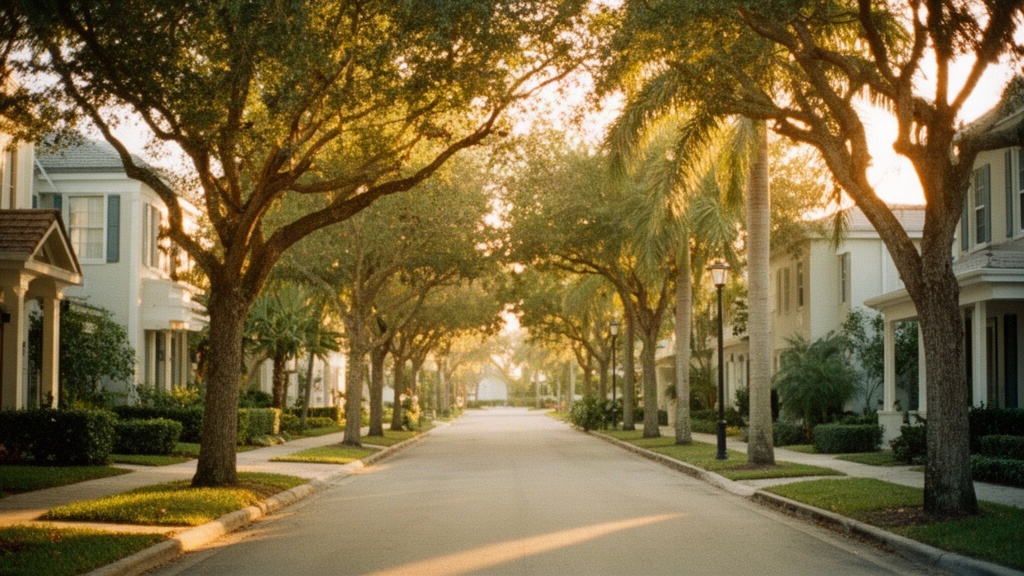
Haymount is one of Fayetteville's oldest established neighborhoods, located just west of downtown near the intersection of Hay Street and Fort Bragg Road. The housing stock here is largely early-to-mid 20th century construction: bungalows, Craftsman cottages, and two-story colonials on tree-lined streets with mature landscaping. Lot sizes tend to be modest, typically between 6,000 and 10,000 square feet, and many homes have been renovated while retaining original architectural details. Prices in Haymount generally range from the upper $100,000s for smaller unrenovated homes to the mid-$300,000s for fully updated properties.
The Midtown corridor, running along Raeford Road between downtown and the Morganton Road intersection, offers a mix of 1960s and 1970s ranch-style homes alongside newer infill construction. Prices here span a wide range, from the $180,000s to the low $300,000s, depending on condition and lot depth. Proximity to the Cross Creek Mall area and multiple medical offices along Raeford Road makes this corridor convenient for buyers who want retail and services within a short drive. You can read more about this part of the city in the Cross Creek area real estate market guide.
The Westover and Cliffdale Road Corridor
The Westover Hills and Cliffdale Road area, stretching west toward the Skibo Road retail corridor, contains some of Fayetteville's most active resale inventory. Homes here are predominantly 1980s and 1990s construction: brick ranches, two-story colonials, and split-level designs on lots ranging from a quarter acre to just over half an acre. Prices generally fall between $220,000 and $340,000, with updated kitchens and newer HVAC systems commanding premiums.
This corridor sits roughly 5 to 8 miles from the main Fort Liberty gates via Bragg Boulevard or Cliffdale Road, which makes it a practical choice for buyers who need reasonable access to the installation without paying the premium that comes with being directly adjacent to it. The Skibo Road area offers dense retail including grocery stores, restaurants, and medical clinics within a 2-mile radius of most Westover addresses.
Hope Mills and the Southern Edge
Hope Mills is a separate municipality directly south of Fayetteville, incorporated as its own town, though it functions as part of the broader Fayetteville metro for most practical purposes. The housing stock here skews newer, with a significant number of homes built between 2000 and 2020, including vinyl-sided two-stories and brick-front colonials in planned subdivisions. Median prices in Hope Mills tend to run slightly below the Fayetteville city average, often in the $190,000 to $270,000 range, which makes it a draw for buyers working with tighter budgets.
Hope Mills Lake, a 277-acre recreational lake in the center of town, adds a distinctive physical feature to the area. The lake is surrounded by a greenway trail and a public park, and waterfront lots adjacent to it carry price premiums. The commute from central Hope Mills to downtown Fayetteville runs approximately 15 to 20 minutes under normal traffic conditions via NC-59 or Cliffdale Road.
Strickland Bridge Road and the Outer Rings
The southeastern and eastern edges of the Fayetteville metro, including areas along Strickland Bridge Road, Ramsey Street extended, and the outer I-295 loop, contain a growing number of newer subdivisions and new construction communities. Lot sizes tend to be larger here, often a third to a full acre, and the homes are predominantly post-2010 construction with open floor plans, two-car garages, and modern finishes. Prices in these outer areas range from the mid-$200,000s to the upper $300,000s for production builds, with custom homes on larger lots pushing higher.
The tradeoff is commute distance. Getting from the outer eastern corridors to Fort Liberty's main gates or to downtown Fayetteville typically takes 25 to 35 minutes depending on traffic. For buyers who work remotely or whose employer is located in the eastern part of the county, this is a non-issue. For daily commuters to Fort Liberty, it is worth mapping the specific gate you use before committing to a neighborhood.
3. What It Costs to Buy in Fayetteville Right Now
The total cost of buying in Fayetteville involves more than the purchase price. Buyers relocating from higher-cost markets sometimes underestimate closing costs, prepaid expenses, and the ongoing costs that follow the purchase. Getting a clear picture of all three before you start shopping prevents surprises at the closing table.
Price Ranges by Area
As of September 2026, here is a practical snapshot of where prices land across the Fayetteville market by area and housing type. These figures reflect resale homes in average-to-good condition; new construction and fully renovated properties sit at the upper end of each range or above it.
- Haymount and downtown-adjacent: Upper $170,000s to mid-$330,000s for single-family homes; condos and townhomes start near $150,000.
- Midtown and Raeford Road corridor: $180,000 to $300,000 for 3- and 4-bedroom ranches and two-stories.
- Westover Hills and Cliffdale Road: $220,000 to $340,000 for 1,500 to 2,400 square foot homes on quarter-acre-plus lots.
- Hope Mills: $190,000 to $270,000 for production-built subdivisions; lakefront lots carry premiums above $300,000.
- Outer corridors and new construction: $250,000 to $380,000 for newer builds; custom homes on acreage can exceed $450,000.
- Luxury segment: $450,000 and above, concentrated in gated communities and custom-built properties in the western and southern parts of the metro.
Closing Costs and Cash to Close
In North Carolina, buyers typically pay closing costs equal to 2 to 4 percent of the purchase price. On a $250,000 home, that means budgeting $5,000 to $10,000 for lender fees, title insurance, attorney fees (North Carolina is an attorney-closing state), recording fees, and prepaid items like homeowners insurance and property tax escrow. VA loans, which are common in Fayetteville given the Fort Liberty population, eliminate the down payment requirement and cap the VA funding fee, but buyers still need cash for prepaid items and any negotiated earnest money.
Earnest money in the Fayetteville market typically runs $1,000 to $3,000 on a mid-range purchase, though competitive offers sometimes go higher. North Carolina uses a due diligence fee structure, which means buyers pay a negotiated due diligence fee directly to the seller at contract signing; that fee is non-refundable if the buyer walks away but is credited toward the purchase price at closing. Understanding this structure before you make your first offer is important, especially if you are relocating from a state that uses a different contract format.
Ongoing Costs After You Close
Cumberland County property taxes run approximately $0.75 to $0.85 per $100 of assessed value as of 2026, which translates to roughly $1,875 to $2,125 per year on a home assessed at $250,000. Homeowners insurance in this part of North Carolina averages $1,200 to $1,800 annually for a standard single-family home, though homes in designated flood zones require separate flood insurance that can add $600 to $1,500 or more per year depending on the zone and coverage level.
HOA fees vary significantly by community. Many of the newer subdivisions in the outer corridors carry HOA fees between $30 and $80 per month, covering common area maintenance. Some gated communities with amenities like pools and tennis courts run $150 to $300 per month. Older neighborhoods like Haymount generally have no HOA at all.
4. The Realistic Timeline for Relocating to Fayetteville
Most buyers relocating to Fayetteville underestimate how much lead time they need. A realistic timeline from first contact with an agent to keys in hand runs 60 to 90 days for a resale purchase and 6 to 14 months for new construction, depending on the builder and where the home sits in the construction cycle. Military buyers on PCS orders often have compressed timelines, which makes early preparation even more important.
Pre-Search Through Offer Accepted
- Weeks 1 to 2: Connect with a local agent, establish your budget, and get pre-approved with a lender. Pre-approval for VA loans can take 3 to 7 business days if your documents are in order.
- Weeks 2 to 4: Active home search, either in person or via virtual tours if you are relocating from out of state. Most buyers tour 8 to 15 homes before making an offer in the current Fayetteville market.
- Weeks 3 to 5: Offer submitted, negotiated, and accepted. In September 2026, most resale offers in Fayetteville are accepted within 1 to 5 days of submission on competitively priced homes.
Under Contract Through Closing
- Days 1 to 14 (due diligence period): Home inspection, radon test if desired, and any specialty inspections such as crawl space or HVAC evaluations. Inspections in Fayetteville typically cost $350 to $550 for a standard single-family home.
- Days 7 to 21: Lender orders appraisal. VA appraisals in particular can take 10 to 21 days in the Fayetteville market, so starting the loan process the day the contract is signed matters.
- Days 21 to 45: Loan underwriting, title search, and final approval. Conventional loans often close in 30 days; VA and FHA loans typically run 35 to 45 days.
- Closing day: North Carolina closings happen at a real estate attorney's office. You will sign documents, wire or bring certified funds for closing costs, and receive keys the same day in most cases.
If You Are Buying New Construction
New construction timelines in Fayetteville vary considerably by builder and phase. Spec homes that are already under construction can close in 30 to 90 days. Homes built from scratch on a selected lot typically take 6 to 10 months for production builders and 10 to 14 months or longer for semi-custom and custom builds. The article on new construction developments in Fayetteville in 2026 covers the active builders and communities in detail.
One important note for out-of-state buyers considering new construction: builder contracts in North Carolina are written to favor the builder and typically do not include the standard due diligence protections that resale contracts carry. Having an experienced local agent review the contract before you sign is not optional; it is how you protect your deposit and your options.
5. What to Research Before You Commit to a Neighborhood
Choosing a neighborhood involves personal priorities that only you can weigh. What an agent with deep local experience can do is make sure you have the right information in front of you before you decide, rather than after. Here are the three areas worth researching carefully before committing to a specific area of Fayetteville.
Schools and Districts
Most of Fayetteville falls within Cumberland County Schools, which serves the city and surrounding unincorporated areas. Hope Mills addresses are also served by Cumberland County Schools. A small number of addresses in the outer metro fall within Hoke County or Harnett County school districts depending on their precise location.
For specific school assignments by address, the most reliable source is the Cumberland County Schools district website, which includes an address lookup tool. The North Carolina Department of Public Instruction publishes school performance data that you can review directly at ncpublicschools.gov. These are decisions that belong to you and your family; reviewing the data from the source directly gives you the most accurate and current information.
Commute Times to Fort Liberty and Downtown
Fort Liberty has multiple gates, and your commute time depends entirely on which gate you use and which part of the installation your workplace sits on. The Yadkin Road gate, the All American Freeway gate, and the Reilly Road gate each serve different parts of the post, and the difference between the wrong gate and the right one can add 15 to 20 minutes each way.
Before you tour homes, identify your specific work location on post and map the drive from each neighborhood you are considering using Google Maps during peak hours (typically 7:00 to 8:30 a.m. and 4:30 to 6:00 p.m.). The difference in daily commute between a Haymount address and a Strickland Bridge Road address can be 20 minutes each way, which adds up to over 3 hours per week.
Utilities, HOAs and Flood Zones
Fayetteville Public Works Commission (PWC) provides electricity, water, and natural gas to most of the city proper. Homes in outlying areas may be served by Duke Energy for electricity and by well and septic systems rather than municipal water and sewer. Well and septic homes require inspection of those systems during due diligence, which adds cost and time to the process.
Flood zone designation is worth checking early, particularly for homes near Cross Creek, Little Cross Creek, or other waterways that run through the city. FEMA's Flood Map Service Center at msc.fema.gov allows you to look up any address by parcel. Homes in Special Flood Hazard Areas (Zone AE or AO) require flood insurance, which your lender will mandate and which adds to your monthly housing cost. This is not a reason to avoid an area; it is simply a cost to factor into your budget accurately.
For buyers who are also thinking about what the market looks like from a timing standpoint, the guide on how long homes are sitting on the market in Fayetteville right now provides current context on inventory and pace.
FAQ
How far in advance should I start the relocation process if I am moving to Fayetteville, North Carolina?
For a resale home purchase, starting 60 to 90 days before your target move-in date gives you enough time to search, go under contract, complete due diligence, and close. Military buyers on PCS orders with shorter timelines can compress this to 45 days in some cases, but that requires having pre-approval in place before the search begins. If new construction is on your radar, add 6 to 14 months depending on the builder and build stage. The single biggest mistake out-of-state buyers make is starting the lender conversation too late, which delays everything downstream.
Is Fayetteville, North Carolina an affordable place to buy a home compared to other cities?
Fayetteville's median home prices are well below the national median and significantly below what buyers encounter in the Triangle (Raleigh-Durham), Charlotte, or coastal North Carolina markets. As of September 2026, most resale homes in the Fayetteville metro trade in the $180,000 to $340,000 range depending on neighborhood and condition, which means buyers can often purchase more square footage and lot size here than they could in larger North Carolina metros. Property taxes in Cumberland County are also moderate relative to the state average. Buyers relocating from high-cost markets like Northern Virginia, Southern California, or the New York metro area often find Fayetteville's cost of homeownership substantially lower than what they left behind.
Do I need to visit Fayetteville in person before making an offer, or can I buy remotely?
Remote purchases do happen in Fayetteville, particularly among military buyers who receive orders before they can travel. Most agents, including those experienced with PCS relocations, can conduct detailed video walkthroughs of properties and provide honest assessments of condition, neighborhood context, and commute logistics. That said, buying a home without seeing it in person carries real risk, especially for older homes in areas like Haymount where deferred maintenance is not always visible on camera. If at all possible, scheduling even a 48-hour trip to Fayetteville before going under contract allows you to see multiple homes, drive the commute routes, and get a feel for the areas you are considering. For buyers who truly cannot travel, working with an agent who has deep local knowledge and will give you an unfiltered assessment of what the camera is not showing is essential.