← Back to Blog
Selling
Downsizing in Muscatine, Iowa: Options, Costs, and Timing for Moving from a Larger Home
By Jessie Krieger
September 10, 2026 · 12 min read
Downsizing from a larger home is one of the most significant moves a homeowner can make, and in Muscatine, Iowa, the local market gives you more choices than most people realize. Whether you are shedding square footage after the kids have moved out, simplifying your finances, or preparing for a new chapter, this guide walks through your real options, what things cost locally, and how to time the process so you come out ahead.
1. Why Downsizing in Muscatine Makes Sense Right Now
Downsizing from a larger home in Muscatine is a realistic and often financially rewarding move in September 2026. Muscatine's housing market has seen steady appreciation over the past several years, which means owners of three- and four-bedroom homes along corridors like Grandview Avenue, Mulberry Avenue, and in the Sunset Hills area are sitting on meaningful equity. That equity can fund a comfortable transition to a smaller property without stretching a budget.
What the Local Market Looks Like in September 2026
Muscatine's median home price currently sits in the low-to-mid $180,000s, which is notably lower than comparable Mississippi River towns in Illinois or Wisconsin. Larger homes with four or more bedrooms in established neighborhoods are listing in the $220,000 to $320,000 range depending on condition and lot size, while well-maintained two-bedroom homes and smaller ranches are moving in the $130,000 to $175,000 range. That spread gives downsizers real room to capture equity and reduce their monthly obligations at the same time. For a broader picture of how prices and inventory are moving right now, the current days-on-market data for Muscatine is worth reviewing before you set a timeline.
Inventory in Muscatine has remained relatively tight through 2026, which benefits sellers of larger homes. Buyers competing for move-in-ready properties are motivated, and well-priced larger homes in neighborhoods like Sunset Hills or near Weed Park are spending fewer days on market than the regional average. That dynamic creates a favorable window for anyone planning to sell a larger home and move into something smaller.
The Financial Case for Downsizing Here
A homeowner who purchased a four-bedroom home on the west side of Muscatine a decade ago for $160,000 may be looking at a current value near $240,000 or higher, depending on updates and location. Selling that home and purchasing a two-bedroom ranch or patio home in the $140,000 to $160,000 range could free up $60,000 to $80,000 in net equity after transaction costs. Beyond the lump-sum gain, a smaller home typically means lower property taxes, lower utility bills, and reduced maintenance costs, all of which compound over time.
A national perspective on this challenge is useful context: research covered by HousingWire found that many older Americans remain in homes that no longer fit their needs, often because the process feels overwhelming or the financial picture is unclear. In Muscatine, the math is often more favorable than people expect, especially for owners of larger homes purchased before 2018.
2. Your Housing Options When Downsizing from a Larger Home
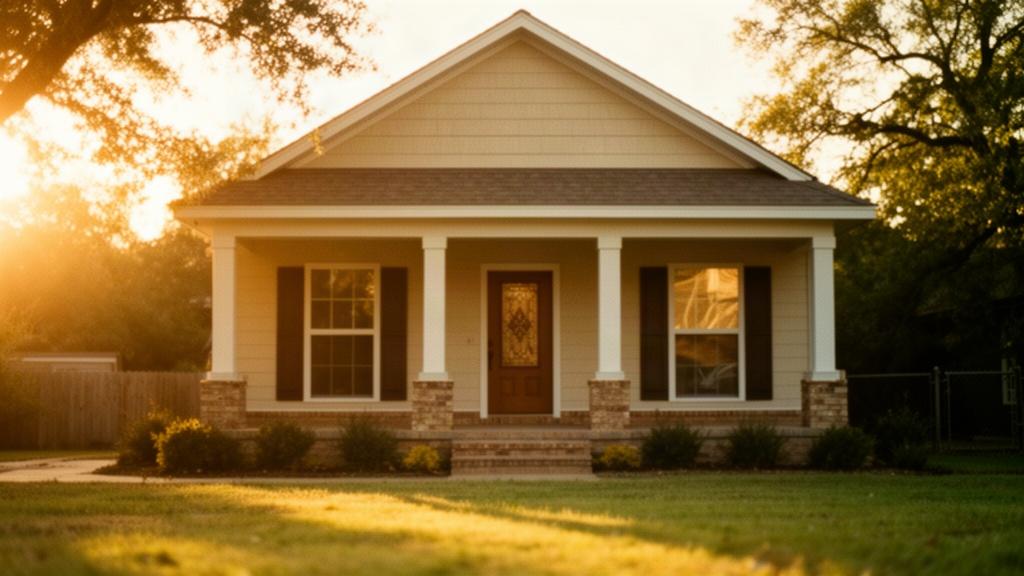
Muscatine offers several distinct paths for people downsizing from a larger home, ranging from smaller single-family properties to newer patio home communities. The right fit depends on how much maintenance you want to manage, whether you prefer a yard, and what your budget looks like after the sale of your current property.
Smaller Single-Family Homes in Muscatine
Two- and three-bedroom single-family homes are the most common downsize destination in Muscatine. The city has a substantial stock of mid-century ranch homes, particularly in the areas north of Highway 61 and in the older grid neighborhoods closer to downtown. Many of these homes sit on lots between 6,000 and 9,000 square feet, offer attached garages, and have been updated over the decades. Prices in this segment generally run from $130,000 to $190,000 depending on condition and proximity to the Mississippi riverfront.
For buyers who want to stay in a specific part of town, such as near Weed Park on the north side or within walking distance of the Pearl City Station entertainment district downtown, the single-family ranch option keeps you in a familiar neighborhood without the upkeep burden of a 2,500-square-foot home.
Condos and Townhomes
Muscatine's condo and townhome inventory is more limited than in larger Iowa cities like Iowa City or Davenport, but options do exist. Attached units in Muscatine tend to price between $110,000 and $160,000 and are most common in the areas closer to the riverfront and along the southern edge of the city. The appeal here is reduced exterior maintenance: no roof to replace on your own timeline, no driveway to seal, and often a homeowners association that handles lawn care. Monthly HOA fees in Muscatine's smaller condo communities typically run $100 to $250 per month, which is worth factoring into your monthly budget comparison.
New Developments and Patio Homes
Several newer subdivisions on the edges of Muscatine have added patio home and smaller single-story new construction options over the past few years. These properties typically feature open floor plans, main-floor laundry, wider doorways, and attached two-car garages, all details that make daily living easier in a smaller footprint. New construction in Muscatine currently prices from the upper $190,000s into the low $300,000s for patio-style homes, depending on the builder and finish level. For more detail on what has been built recently, the guide to new housing developments and subdivisions in Muscatine covers the current options by area.
Rental as a Bridge Step
Some people downsizing from a larger home choose to rent for six to twelve months between selling and buying. This approach gives you time to declutter thoroughly, identify exactly what you need in a smaller space, and shop without pressure. In Muscatine, two-bedroom apartment rentals currently run approximately $750 to $1,100 per month depending on the building and amenities. The tradeoff is that renting delays putting sale proceeds to work, and in a market with limited smaller-home inventory, waiting can mean fewer choices when you are ready to buy.
3. What Downsizing Actually Costs in Muscatine
Understanding the full cost picture is essential before you commit to downsizing from a larger home. In Muscatine, the transaction costs on both sides of the move are real but manageable, and knowing them in advance prevents surprises at the closing table.
Selling Costs on Your Current Home
When you sell a larger home in Muscatine, the primary costs to budget for include real estate commissions, which typically total 5 to 6 percent of the sale price and are negotiated with your agent. On a $250,000 sale, that is $12,500 to $15,000. Iowa does not have a transfer tax on residential real estate sales, which is an advantage compared to neighboring states. You will also pay prorated property taxes through the date of closing and any agreed-upon buyer concessions. Pre-sale repairs and staging, if needed, can add another $1,000 to $5,000 depending on the home's condition.
One cost that surprises some sellers: if you have lived in the home as your primary residence for at least two of the last five years, federal capital gains exclusions of up to $250,000 for single filers and $500,000 for married couples filing jointly may apply to your profit. Many Muscatine homeowners downsizing from long-held properties will owe no federal capital gains tax at all, though you should confirm your specific situation with a tax professional.
Buying Costs on the Smaller Property
If you are financing the purchase of your smaller home, closing costs on the buy side in Iowa typically run 2 to 3 percent of the purchase price. On a $155,000 home, that is roughly $3,100 to $4,650. Costs include lender origination fees, title insurance, appraisal, and prepaid items like homeowners insurance and the first months of property taxes held in escrow. Many downsizers in Muscatine purchase their smaller home with cash from the sale proceeds, which eliminates lender fees and simplifies the transaction considerably.
Moving and Transition Costs
Local moves within Muscatine or to surrounding communities like Wilton, Durant, or West Liberty typically cost $800 to $2,500 for a professional moving crew, depending on the volume of furniture and the number of hours required. If you are moving a significant distance, such as from a larger home in Muscatine to a property in the Quad Cities area or beyond, costs rise substantially. Storage unit rental runs $75 to $150 per month in Muscatine for a standard 10-by-10 unit, which is useful if your closing dates do not align perfectly. Budget separately for donations, junk removal, and any items you plan to sell: estate sale companies typically charge 30 to 40 percent of gross sales as their commission.
4. How to Time Your Downsize for the Best Outcome
Timing is the part of downsizing from a larger home that trips people up most often. In Muscatine, the sell-then-buy sequence, the buy-then-sell sequence, and the simultaneous close each carry different risks, and the right choice depends on your financial cushion and how quickly smaller homes are moving in your target price range.
When to List Your Larger Home
Spring remains the strongest selling season in Muscatine, with buyer activity picking up in March and peaking through May and June. That said, fall listings, including September and October, attract serious buyers who are motivated to close before the holiday season and the Iowa winter. Listing your larger home in September 2026 puts you in front of a motivated buyer pool with less competition than the spring rush, which can support a cleaner negotiation.
The condition of your home matters more than the season in a market Muscatine's size. A well-prepared, accurately priced home on the north side near Weed Park or in the Sunset Hills corridor will move in any month. A home that needs significant deferred maintenance will sit regardless of timing. Investing in pre-listing repairs, fresh paint, and professional photography typically returns more than the cost in both sale price and days on market.
How to Coordinate the Buy and Sell
The most common approach for Muscatine downsizers is to list the larger home first, accept an offer with a 45 to 60 day closing timeline, and use that window to identify and go under contract on the smaller property. This works well when smaller-home inventory is available, which in Muscatine's current market requires some patience but is achievable. If you find your smaller home first and want to make a strong offer, a bridge loan or a home equity line of credit on your current property can provide temporary funds, though both carry interest costs that eat into your equity gain.
Some sellers in Muscatine negotiate a post-closing occupancy agreement with their buyer, which allows them to remain in the larger home for 30 to 60 days after closing while they finalize the purchase of their smaller property. This eliminates the need for temporary housing but requires a cooperative buyer and clear written terms.
Common Timing Mistakes to Avoid
Waiting for the perfect market conditions is the most common mistake people make when downsizing from a larger home. If your larger home has appreciated and the smaller home you want is available, the spread between the two prices is what matters most, not whether the overall market is at a peak. Delaying by one or two years in hopes of a higher sale price often means paying more for the replacement property as well.
Underestimating the time needed to sort through a larger home's contents is another frequent problem. A four-bedroom home accumulated over fifteen or twenty years may take three to six months to properly declutter and prepare for sale. Starting that process well before you list gives you control over the timeline rather than rushing decisions about furniture, collectibles, and stored items.
5. Practical Steps to Get Started with Downsizing
Getting started is the hardest part of helping yourself downsize from a larger home, but breaking the process into concrete steps makes it manageable. The following sequence works well for most Muscatine homeowners who are moving from a larger property to a smaller one.
Decluttering and Preparing Your Current Home
Start room by room and set a concrete goal: decide what goes to family members, what gets donated, what gets sold, and what gets discarded. The Muscatine Humane Society, local church thrift stores, and the Salvation Army on Grandview Avenue all accept furniture and household goods donations. For larger volumes, estate sale companies operating in the Muscatine area can run a sale weekend and handle the bulk of the process for you. Once the home is cleared out, a local handyman for minor repairs and a professional cleaner will make a meaningful difference in how buyers perceive the property.
Deciding What You Actually Need in a Smaller Space
Before you start touring smaller homes, write down your non-negotiables: single-story versus two-story, garage size, proximity to Muscatine's riverfront trail system or to Highway 61 for commuting, yard size, and whether you want an HOA or prefer to manage your own exterior. People who skip this step often end up purchasing a home that is smaller in square footage but still carries the same maintenance burden they were trying to shed. A 1,400-square-foot home with a large lot and an aging roof can cost just as much to maintain as a 2,400-square-foot home in good condition.
Forbes has noted that buyers downsizing from a larger home often benefit from touring their target properties multiple times and at different times of day before committing, particularly to assess storage, natural light, and how the floor plan actually functions with their existing furniture. You can read more perspective on that in this Forbes roundup of agent tips for buyers who are downsizing.
Working with a Local Agent Who Knows Both Sides
Downsizing from a larger home involves two transactions, a sale and a purchase, that need to be coordinated carefully. Working with a single agent who handles both sides in Muscatine simplifies communication, keeps your timeline aligned, and gives you one point of contact who understands the full picture of your move. An agent who knows the Muscatine market well can tell you which smaller homes are likely to need significant work based on their age and neighborhood, which is information that rarely shows up in a listing description.
If you are also evaluating what your current home is worth before committing to the process, a comparative market analysis from a local agent costs you nothing and gives you a realistic number to plan around. That number, combined with a clear picture of what smaller homes are selling for in your target neighborhoods, is the foundation of a sound downsizing plan. You can also review the broader Muscatine real estate market context in the relocating guide for additional pricing and neighborhood context.
FAQ
How long does it typically take to downsize from a larger home in Muscatine, Iowa?
The full process, from deciding to downsize to closing on a smaller home, typically takes four to nine months in Muscatine when you account for decluttering, preparing the larger home for sale, listing, finding a buyer, and closing on the replacement property. The decluttering phase alone often takes two to four months for a home that has been occupied for a decade or more. If you are purchasing a new construction patio home, you may need to add another three to six months for the build timeline. Starting the planning process well before you want to move gives you the most flexibility.
Can I buy a smaller home in Muscatine before selling my current one?
Yes, but it requires either sufficient cash reserves or access to a bridge loan or home equity line of credit to cover the down payment and carrying costs on two properties simultaneously. In Muscatine, where smaller homes in the $130,000 to $175,000 range move relatively quickly, some downsizers prefer to buy first to avoid being caught without a replacement home. The risk is that your larger home takes longer to sell than expected, leaving you with two mortgage payments. An experienced local agent can help you assess whether the current inventory of smaller homes justifies that risk or whether listing your larger home first makes more sense given current conditions.
What neighborhoods in Muscatine have the most smaller homes available for downsizers?
Muscatine's older grid neighborhoods near downtown and along the lower sections of Grandview Avenue tend to have the highest concentration of two- and three-bedroom homes, many of them mid-century ranches and bungalows priced below $175,000. The areas north of Highway 61 also have pockets of smaller single-family homes on modest lots. For newer, lower-maintenance options, the patio home communities on the developing edges of the city offer single-story new construction with updated features. The right neighborhood depends on your priorities around commute access, lot size, and proximity to amenities like Weed Park or the Mississippi Riverwalk, and a local agent can walk you through what is currently available in each area.