← Back to Blog
Local Living
Relocating to Muscatine, Iowa: Neighborhoods, Costs and Timelines
By Jessie Krieger
September 9, 2026 · 12 min read
Relocating to Muscatine, Iowa involves more decisions than simply picking a house. This guide walks through the city's distinct neighborhoods, what homes actually cost right now in September 2026, what your dollar buys compared to larger Iowa metros, and how long the buying process realistically takes from first search to move-in day.
1. What Muscatine Looks Like on the Ground
Muscatine sits on a bend in the Mississippi River in eastern Iowa, about 30 miles south of the Quad Cities and roughly 60 miles east of Iowa City. The city has a population of approximately 22,000 people and functions as the county seat of Muscatine County.
The Mississippi River Setting
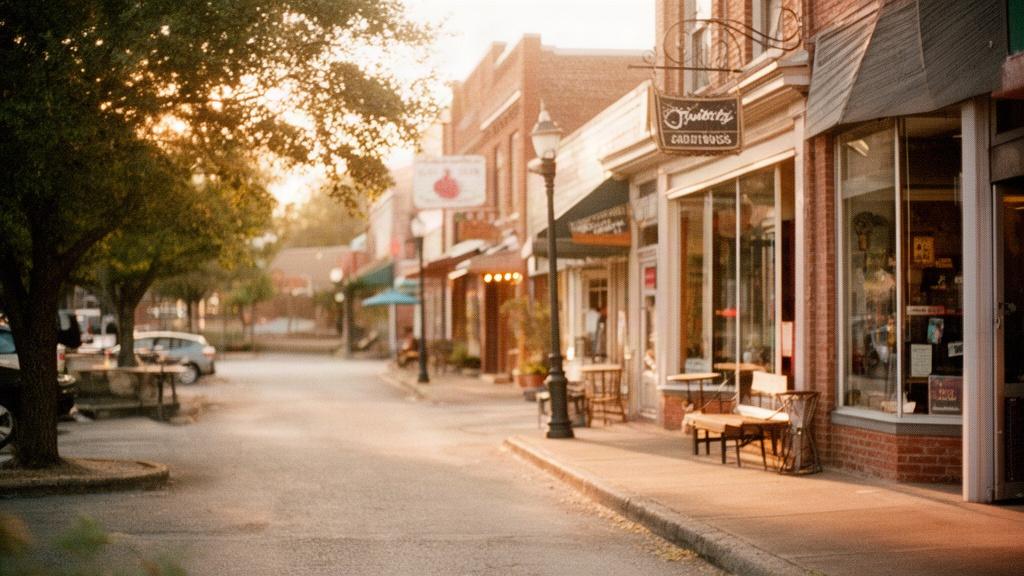
The river is not just scenery here. Muscatine's downtown runs directly along the waterfront, and Riverside Park gives residents a long stretch of riverbank with boat launches, a marina, and open green space. The Pearl City, as Muscatine is historically known, built its early economy on pearl button manufacturing using freshwater mussel shells harvested from the Mississippi. That industrial heritage is still visible in the brick architecture of the downtown core.
The topography matters when you are house hunting. The city rises sharply from the river bluffs toward the west and north, which means some neighborhoods have significant elevation changes and river views, while others are flat and more inland. Knowing which terrain suits your preferences is worth discussing before you start touring homes.
City Size and Daily Life
Muscatine is compact enough that most errands take under 15 minutes by car. The city has a Walmart Supercenter, an HyVee grocery store, a regional hospital (MercyOne Muscatine Medical Center), a public library, and a growing number of locally owned restaurants and shops along the riverfront corridor. Weed Park, a 55-acre public park on the north side, has a pool, tennis courts, and walking paths. For larger shopping trips or airport access, the Quad Cities (Davenport and Bettendorf) are roughly a 35-minute drive north on U.S. Highway 61.
2. Neighborhoods and Housing Stock in Muscatine
Muscatine's neighborhoods each have a distinct character shaped by their age, elevation, and proximity to the river or the industrial corridor. Understanding what the housing stock looks like in each area will help you narrow your search before you ever step inside a home.
Downtown and the Riverfront District
The blocks immediately surrounding downtown Muscatine contain some of the oldest housing in the city, with many homes built between the 1880s and the 1930s. You will find two-story Victorians, brick foursquares, and craftsman bungalows on relatively narrow lots with mature trees. Lot sizes in this area typically run from about 4,000 to 7,500 square feet. Many of these homes have been updated over the decades, but buyers should budget for older mechanical systems, original windows, and potential lead paint or knob-and-tube wiring disclosures. Entry prices in the downtown and near-riverfront area generally start around $90,000 for a smaller, unrenovated home and can reach $250,000 or more for a well-maintained, larger Victorian on a corner lot.
Walkability is a genuine asset here. The riverfront, Riverside Park, the Muscatine Art Center, and the downtown dining district are all within a few blocks of most homes in this corridor. If you want to be able to walk to the water regularly, this is the part of Muscatine to focus on.
Sunset Hills and the West Side
Moving west and uphill from downtown, the housing stock transitions into mid-century ranch homes, split-levels, and colonial-style two-stories built primarily from the 1950s through the 1980s. Lots are generally larger here, often ranging from a quarter acre to just under half an acre. The Sunset Hills area in particular features wider streets, attached garages, and more consistent lot sizes than the downtown core. Prices in these established west-side neighborhoods currently run from roughly $150,000 for a smaller ranch to $320,000 for a larger updated two-story with a finished basement.
If you want more detail on what daily life looks like in this specific part of the city, the Sunset Hills neighborhood guide on this site covers the street layout, nearby amenities, and what buyers typically find when they tour homes in that area.
The North End and Outlying Areas
The north side of Muscatine, including areas near Weed Park and extending toward the city's edge, has seen the most new construction activity in recent years. Newer subdivisions here offer open-concept floor plans, energy-efficient construction, and two- or three-car garages on lots that typically range from 8,000 square feet to a third of an acre. New builds in these developments are currently priced from the upper $200,000s into the low $400,000s depending on square footage and finishes.
Buyers interested in what has been built most recently in Muscatine should read the new housing developments and subdivisions guide, which covers specific projects, builder names, and lot availability as of 2026.
Just outside city limits, Muscatine County offers rural residential options on larger acreage parcels. Properties on two to five acres within 10 miles of downtown Muscatine are available in the $200,000 to $450,000 range depending on the home's age and condition. Commute times from these rural addresses back into the city are typically 10 to 20 minutes.
3. What It Costs to Live and Buy in Muscatine
Cost is one of the first questions anyone asks when relocating to Muscatine, Iowa. The short answer is that Muscatine is meaningfully more affordable than most mid-size Midwest cities, and considerably less expensive than comparable river towns in Illinois or Wisconsin.
Home Prices in September 2026
The median home sale price in Muscatine currently sits in the range of $175,000 to $210,000, depending on the month and the mix of homes that closed. That figure reflects the full market including older downtown homes, mid-century ranches, and newer construction. The city's own Housing Market Analysis published by the City of Muscatine provides additional context on housing supply, affordability gaps, and development priorities that are shaping where the market is heading.
Price per square foot in Muscatine generally runs between $90 and $140 for existing homes, with newer construction pushing toward $150 to $175 per square foot. Waterfront or river-view properties command a premium and can exceed $300,000, with some reaching into the $400,000 range. For a deeper look at that segment, the luxury home market guide for the Mississippi River region covers what buyers at that price point should know before making an offer.
Cost of Living Beyond the Mortgage
Iowa has no inheritance tax as of 2026 and relatively moderate property tax rates. In Muscatine County, effective property tax rates on residential properties generally fall between 1.4% and 1.8% of assessed value, which on a $200,000 home translates to roughly $2,800 to $3,600 per year. Homeowners insurance in Iowa averages around $1,200 to $1,600 annually for a standard single-family home, though river-adjacent properties may carry higher rates due to flood zone considerations.
Utilities in Muscatine are served by MidAmerican Energy for gas and electric, and by the city-owned Muscatine Power and Water for water and some electric service in certain areas. Average monthly utility costs for a 1,500 to 2,000 square foot home run approximately $150 to $220 depending on the season, with higher bills in January and February when heating demand peaks.
How Muscatine Compares to Other Iowa Cities
Muscatine's median home price is notably lower than Iowa City (where medians have been running above $300,000) and below the Des Moines metro (where suburban medians are in the $280,000 to $340,000 range). The Quad Cities market is somewhat comparable, though Bettendorf and Davenport have seen faster appreciation. For buyers relocating from larger metros on either coast, Muscatine's price-to-space ratio will feel significantly different: a $200,000 budget here buys a three-bedroom home with a yard and a garage, not a condo.
NeighborhoodScout tracks long-term appreciation data for Muscatine real estate. Their Muscatine real estate market appreciation data shows how values have moved over one, five, and ten-year periods, which is useful context if you are weighing Muscatine against other relocation destinations.
4. Realistic Timelines for Relocating to Muscatine, Iowa
One of the most common mistakes relocating buyers make is underestimating how much time the process takes from the moment they decide to move to the day they hand over a key to a moving truck. In Muscatine's current market, a realistic end-to-end timeline runs between 60 and 120 days, depending on financing, inventory, and how quickly you can make decisions from a distance.
How Long the Home Search Takes
Muscatine is not a high-volume market, which means inventory can be limited at any given moment. In September 2026, active listings across all price points in the city typically number between 50 and 100 homes at any one time. Buyers with specific requirements (a certain number of bedrooms, a garage, a particular neighborhood, a price ceiling) may find that only a handful of homes fit their criteria at once. Planning for a four to eight week search period is realistic for most relocating buyers.
Days on market in Muscatine vary considerably by price band and condition. Well-priced, move-in-ready homes under $200,000 have been moving in under three weeks this year. Homes above $300,000 or those needing work tend to sit longer. For current days-on-market figures broken down by price range, the homes sitting on market in Muscatine guide is updated with local data and gives a clearer picture of what to expect right now.
Contract to Close: What to Expect
Once you have an accepted offer, the closing timeline in Iowa typically runs 30 to 45 days for a conventional loan. FHA and USDA loans can take 45 to 60 days due to additional appraisal and underwriting requirements. Cash purchases can close in as few as 10 to 14 days if the seller is motivated and title work moves quickly. Iowa does not require an attorney to close a real estate transaction; closings are typically handled by a title company.
Inspection periods in Iowa are negotiated in the purchase agreement, not set by statute. Most Muscatine contracts allow 10 to 14 days for inspections. Given the age of many homes in the city (a significant share of the housing stock predates 1980), buyers should budget for a general inspection, a radon test, and potentially a sewer scope on older properties. Radon levels above the EPA action threshold of 4 pCi/L are not uncommon in Iowa, so testing is a practical step rather than an optional one.
Planning Your Move Around the Muscatine Market
Spring (April through June) is historically the busiest listing season in Muscatine, which means more choices but also more competition. Fall and winter months tend to have fewer listings but also fewer competing buyers, and sellers who list in November or December are often motivated. If your relocation timeline is flexible, arriving in Muscatine during a slower inventory period can give you more negotiating leverage.
If you are relocating from out of state and need temporary housing while you search, Muscatine has a limited but functional short-term rental market. Extended-stay options exist in the Quad Cities (roughly 35 minutes away) if local inventory is tight. Month-to-month apartment leases in Muscatine currently run from about $650 for a one-bedroom to $950 for a two-bedroom, which can serve as a bridge while you finalize your home purchase.
5. Practical Details Every Relocating Buyer Needs to Know
Beyond neighborhoods and prices, relocating to Muscatine, Iowa involves understanding the practical infrastructure of daily life: where people work, how they get around, and what services are available. These details rarely make it into listing descriptions but matter enormously once you are living here.
Employers and Commutes
Muscatine's largest employers include HNI Corporation (office furniture manufacturing), Grain Processing Corporation, Kent Corporation, and MercyOne Muscatine Medical Center. The industrial and manufacturing base is substantial, and many residents who work in these sectors live within 10 minutes of their workplace. For residents who commute to the Quad Cities for work, the drive on U.S. 61 north takes approximately 35 to 45 minutes depending on traffic and your specific destination within Davenport or Bettendorf.
Iowa City and the University of Iowa are roughly 60 miles west on Iowa Highway 22 and U.S. 218, a commute that takes about 60 to 70 minutes each way without significant traffic. Some Muscatine residents do make this commute for university or hospital employment, though it is a long daily drive. Burlington, Iowa is about 45 miles south on U.S. 61 and takes approximately 50 minutes.
Utilities, Infrastructure and Internet
Muscatine Power and Water is a municipally owned utility that serves a portion of the city for electric and water service, and it has historically offered competitive rates compared to investor-owned utilities. The city has invested in fiber optic internet infrastructure, and gigabit-speed internet service is available to most city addresses through local providers. This is a meaningful advantage for remote workers who need reliable high-speed connectivity.
Flood insurance is worth researching carefully if you are considering a home near the river or in a low-lying area. FEMA flood maps designate certain parcels in Muscatine as Special Flood Hazard Areas, and lenders will require flood insurance for homes in those zones. Your agent can pull the flood zone designation for any specific property before you write an offer.
Schools, Services and Community Resources
The Muscatine Community School District serves the city and portions of the surrounding county. For specific information on which schools serve which addresses, attendance boundaries, and program offerings, the Iowa Department of Education and the district's own website are the most accurate sources. Every family's priorities are different, and those are personal decisions best researched directly rather than filtered through a real estate listing. The school districts in Muscatine article on this site explains how district boundaries work and where to find official information.
Musser Public Library, the Muscatine Art Center (which houses a nationally recognized collection of American art), and the Muscatine History and Industry Center are all within the downtown core. The Greater Muscatine Chamber of Commerce and Industry maintains an active calendar of community events. For newcomers, the chamber's resources are a practical starting point for connecting with local businesses and civic organizations.
FAQ
What is the average home price when relocating to Muscatine, Iowa right now?
As of September 2026, the median home sale price in Muscatine sits in the $175,000 to $210,000 range depending on the month and the mix of properties that closed. Older downtown homes and smaller ranches tend to anchor the lower end of that range, while newer construction on the north side and larger updated homes on the west side push toward the upper end. River-view and waterfront properties sit above this median and can reach $300,000 to $400,000 or more. Buyers relocating from larger metro areas typically find their budget stretches significantly further in Muscatine than in the cities they are leaving.
How long does the home-buying process take when relocating to Muscatine from out of state?
Most out-of-state buyers relocating to Muscatine should plan for a total timeline of 60 to 120 days from beginning their search to closing. The search itself can take four to eight weeks depending on how specific your requirements are and what is currently available in the market. Once you have an accepted offer, a conventional loan typically closes in 30 to 45 days, while FHA or USDA loans may take 45 to 60 days. Remote buyers who can tour homes virtually and make decisions quickly can compress this timeline, but building in buffer time for inspections, appraisal scheduling, and lender processing is always wise.
Do I need to visit Muscatine in person before making an offer, or can I buy remotely?
Many relocating buyers do make an offer after a single in-person visit or even based on video tours, but visiting in person at least once before closing is strongly recommended when possible. Muscatine's varied topography (river bluffs, flat areas, older neighborhoods with narrow lots) and the condition variation in older housing stock are things that photographs and video do not always capture accurately. If an in-person visit is not possible before submitting an offer, a thorough inspection contingency and a trusted local agent who can walk through the home on your behalf are essential protections. Jessie Krieger regularly works with relocating buyers and can provide detailed video walkthroughs and honest assessments of any property you are considering.