← Back to Blog
Buying
First-Time Home Buyer Guide for Lafayette, Indiana: Steps, Costs and What to Expect
By Karina Hernandez
Trueblood Real Estate
September 3, 2026 · 10 min read
Buying your first home in Lafayette, Indiana is one of the biggest financial decisions you will make, and it moves faster than most people expect. This first-time home buyer guide walks you through every stage of the process, from figuring out what you can afford to picking up the keys, with real numbers and Lafayette-specific details at every step.
1. What Does It Actually Cost to Buy a Home in Lafayette Right Now
The median home price in Lafayette, Indiana sits in the low-to-mid $200,000s as of September 2026, making it meaningfully more accessible than the national median, which has hovered above $400,000 for much of 2026. That gap matters for a first-time buyer because a smaller purchase price shrinks every cost tied to it: down payment, closing costs, and monthly payment alike.
Median Home Prices in Lafayette
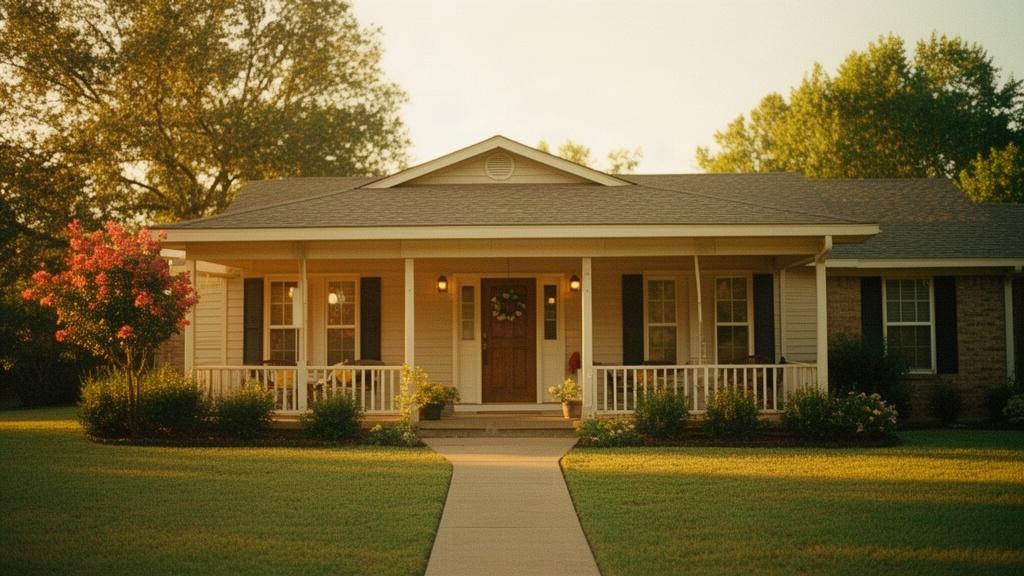
Entry-level homes in Lafayette, typically three-bedroom ranch-style houses or older two-story colonials, are frequently listed in the $170,000 to $230,000 range. Newer construction in developments on the city's east and south sides tends to start around $260,000 and climbs from there depending on square footage and finishes. Condos and townhomes offer another entry point, sometimes under $160,000, though inventory in that category is limited.
For a broader picture of where prices stand across the metro, the Lafayette, Indiana Real Estate Market Guide on this site breaks down price trends by area and property type.
Upfront Costs Beyond the Down Payment
First-time buyers often budget for the down payment and forget everything else. In Indiana, buyers should plan for closing costs equal to roughly 2 to 3 percent of the purchase price. On a $210,000 home, that is $4,200 to $6,300 due at the closing table, separate from your down payment.
You will also pay for a home inspection, which typically runs $350 to $500 in the Lafayette area depending on the size of the property. Appraisal fees ordered by your lender generally land between $450 and $600. Title insurance, the first year of homeowners insurance paid upfront, and prepaid property taxes round out the cash you need at closing.
Indiana's property tax rates in Tippecanoe County are moderate by Midwest standards. On a home assessed near $210,000, annual property taxes commonly fall between $1,800 and $2,800, depending on the specific parcel and any applicable exemptions. The Indiana homestead exemption can meaningfully reduce your assessed value once you occupy the home as your primary residence, so filing for it after closing is worth doing promptly.
2. Getting Your Financing in Order Before You Search
Locking in your financing before you start touring homes is the single most important step in this first-time home buyer guide for Lafayette, Indiana. Sellers in Tippecanoe County take pre-approval letters seriously, and without one, you may lose a home to another buyer before you even submit an offer.
Loan Programs Worth Knowing About
FHA loans are a common starting point for first-time buyers in Lafayette. They require a minimum 3.5 percent down payment with a credit score of 580 or higher, and the loan limits for Tippecanoe County in 2026 allow purchase prices well above the local median, so most Lafayette homes fall comfortably within the ceiling.
Conventional loans with just 3 percent down are also available through programs like Fannie Mae's HomeReady or Freddie Mac's Home Possible, both designed with moderate-income buyers in mind. USDA loans are worth investigating for homes in certain areas on the outer edges of Tippecanoe County, since portions of the county qualify for USDA's zero-down rural development program. VA loans remain available to eligible veterans and active-duty service members with no down payment required.
Indiana also offers the Next Home program through the Indiana Housing and Community Development Authority, which provides down payment assistance to first-time buyers who meet income limits. Tippecanoe County buyers who qualify may receive a grant covering a portion of the down payment, which can make a real difference when cash is the main obstacle.
How Much Credit Score Matters Here
Your credit score directly affects your interest rate, and even a half-point difference in rate changes your monthly payment noticeably. On a $200,000 loan at a 30-year fixed rate, the difference between a 6.5 percent and a 7.0 percent rate is roughly $65 per month, or about $23,000 over the life of the loan. If your score is below 640, spending three to six months paying down revolving balances before applying can shift you into a better rate tier.
Getting Pre-Approved vs. Pre-Qualified
Pre-qualification is a quick estimate based on self-reported numbers. Pre-approval is a verified commitment from a lender based on your actual tax returns, pay stubs, bank statements, and a hard credit pull. In Lafayette's current market, sellers and listing agents treat pre-qualification letters with skepticism. Bring a full pre-approval letter from a lender who has reviewed your documents before you make any offer.
According to the National Association of Realtors, first-time buyers now represent only 24 percent of all home purchases nationally, a record low. That means most of your competition in the Lafayette market consists of repeat buyers who already know the process. Coming in prepared with solid financing is how you level the playing field.
3. The Home Search: What Lafayette's Housing Stock Looks Like
Lafayette's housing inventory is genuinely diverse, which gives first-time buyers more options than they might expect at this price point. The city's older core neighborhoods near downtown and Columbian Park contain brick bungalows, Craftsman-style homes, and two-story houses built between the 1920s and 1970s, many with large lots and mature trees. Newer subdivisions on the east side and south of State Road 26 offer open-concept layouts, attached garages, and updated mechanical systems.
Types of Homes You Will Find
Ranch-style homes are among the most common property types in Lafayette and tend to dominate the $170,000 to $220,000 range. They typically offer three bedrooms, one or two bathrooms, and a full basement, which is standard construction in this part of Indiana. Two-story colonials and split-level homes appear throughout mid-century neighborhoods closer to the Wabash River corridor. If you are open to a project, older homes in the areas near downtown Lafayette often have original hardwood floors and character details that newer builds lack, but they may also need roof, HVAC, or electrical updates.
Commute and Location Considerations
Lafayette and West Lafayette sit directly across the Wabash River from each other, connected by several bridges along State Road 25 and US 52. Driving from most parts of Lafayette to downtown West Lafayette or Purdue University takes under 15 minutes in normal traffic. If your workplace is in one city and you are buying in the other, the commute is minimal. Interstate 65 runs along the eastern edge of the metro, putting Indianapolis roughly 65 miles and about an hour's drive to the south.
Buyers who want to be close to Columbian Park, the Wabash Heritage Trail, or the River Road corridor should focus their search on the central and north-central parts of Lafayette. Those who prioritize newer construction and more land tend to look further south or east, where subdivisions have expanded over the past decade.
What Moves Fast and What Sits
Move-in-ready homes priced under $230,000 in Lafayette tend to attract multiple showings within the first week of listing. Homes that need significant cosmetic work or have deferred maintenance tend to sit longer, which can create opportunity for buyers who are willing to take on a project and have room in their budget for repairs. Properties priced above $300,000 in Lafayette proper generally see a slower pace than comparable homes in West Lafayette.
For more on current inventory and what is moving, the Lafayette Indiana Real Estate Market Trends for 2026 article covers days on market, price reductions, and active listing counts in detail.
4. Making an Offer and Navigating the Contract
Once you find a home you want, your agent will help you put together a purchase agreement that outlines the price, earnest money deposit, contingencies, and proposed closing date. In Indiana, the standard residential purchase agreement used by most agents includes contingencies for financing, inspection, and appraisal. As a first-time buyer, you generally want all three in place.
How Competitive Is the Market Right Now
Lafayette's market in September 2026 is more balanced than the intense seller's market of a few years ago, but well-priced homes in the entry-level range still generate competing offers. Earnest money deposits of 1 to 2 percent of the purchase price are standard in Tippecanoe County. On a $200,000 home, that means putting $2,000 to $4,000 in escrow to show you are serious. That money applies toward your closing costs or down payment at the end.
If you are considering whether now is the right time to buy or whether waiting makes more sense, the article on whether right now is a good time to buy a house in Lafayette lays out the current conditions honestly.
Inspection and Due Diligence in Tippecanoe County
Indiana does not license home inspectors at the state level, so choosing a qualified inspector matters more here than in some other states. Look for inspectors who are members of the American Society of Home Inspectors or the International Association of Certified Home Inspectors. A thorough inspection of a typical Lafayette home takes two to three hours and covers the roof, foundation, HVAC, plumbing, electrical panel, and attic insulation.
Many older homes in Lafayette were built before modern radon mitigation standards. Radon testing is inexpensive, usually $150 or less when added to an inspection, and it is worth doing given that Indiana has elevated radon levels in many counties. If the test comes back above 4 picocuries per liter, mitigation systems in this area typically cost $800 to $1,500 and can be negotiated as a seller concession.
5. From Accepted Offer to Closing Day
After a seller accepts your offer, the clock starts on a series of deadlines that run simultaneously: the inspection period, the appraisal ordered by your lender, and your loan underwriting process. In Lafayette, most transactions close in 30 to 45 days from accepted offer, though FHA and USDA loans sometimes take closer to 45 to 50 days because of additional appraisal requirements.
The Closing Cost Breakdown
Your lender is required to send you a Loan Estimate within three business days of receiving your application, and a Closing Disclosure at least three days before closing. These documents itemize every fee. Common line items in Indiana include the loan origination fee, title search and title insurance, recording fees paid to Tippecanoe County, prepaid homeowners insurance, and the initial escrow deposit for property taxes and insurance.
Seller concessions are worth asking about, especially in the current market. A seller who agrees to cover $3,000 toward your closing costs effectively reduces the cash you need to bring to the table at closing. Your agent can advise whether asking for concessions is realistic based on how many other offers a specific property has received.
What Happens on Closing Day
Closings in Indiana typically take place at a title company office. You will sign a stack of documents, wire or bring a cashier's check for the remaining funds due, and receive the keys once the deed is recorded with Tippecanoe County. The whole signing appointment usually takes 60 to 90 minutes. Bring a government-issued photo ID and confirm your wire transfer instructions directly with the title company by phone before sending any funds, since wire fraud targeting home buyers is a real risk.
After closing, file for your Indiana homestead deduction with the Tippecanoe County Assessor's office. You have until January 5 of the following year to file for the deduction to apply to the next tax cycle. It is one of the most valuable steps new homeowners skip, and it can reduce your assessed value by up to $45,000.
FAQ
How much money do I need saved before buying my first home in Lafayette, Indiana?
The minimum depends on your loan type, but a practical target for most first-time buyers in Lafayette is 5 to 8 percent of the purchase price set aside before you start seriously searching. On a $210,000 home, that is roughly $10,500 to $16,800, covering a 3 to 3.5 percent down payment plus closing costs and inspection fees. If you qualify for Indiana's Next Home down payment assistance program, your required cash can be lower. It is also wise to keep two to three months of mortgage payments in reserve after closing, since unexpected repairs in the first year are common, especially in older Lafayette homes.
How long does the home buying process take in Lafayette, Indiana from start to finish?
From the day you start working with a lender to the day you close, most first-time buyers in Lafayette spend two to four months on the full process. Getting pre-approved takes one to two weeks if you have your documents organized. The home search varies widely depending on the market and your criteria, but buyers in the entry-level range often find a home within four to eight weeks of active searching. Once you have an accepted offer, closing typically takes 30 to 45 days. Building in extra time for the inspection negotiation and any appraisal issues is smart, especially on older homes.
Do I need a buyer's agent as a first-time home buyer in Lafayette, Indiana?
Working with a buyer's agent costs you nothing directly as a buyer in Indiana; the seller's side of the transaction has traditionally covered the commission structure, though this is evolving following recent industry changes. What you gain is someone who knows the local market, can flag problems with a listing, negotiate on your behalf, and manage the contract deadlines and paperwork. For a first-time buyer navigating Lafayette's market without prior experience, having an agent who knows Tippecanoe County's specific practices, title companies, and inspection norms is genuinely useful. You can read more about choosing the right agent in the guide on what to look for when choosing a Realtor in Lafayette.