← Back to Blog
Market Trends
Lafayette, Indiana Real Estate Market Guide: Prices, Neighborhoods and Timing — What Agents Refer Their Clients To
By Karina Hernandez
Trueblood Real Estate
September 26, 2026 · 10 min read
Whether you are buying, selling, or relocating, this is the Lafayette, Indiana real estate market guide that local agents refer their clients to when they need a clear picture of prices, neighborhoods, and timing. Lafayette's housing market has its own rhythm, shaped by Purdue University, a growing manufacturing base, and a steady stream of people moving in from Indianapolis and Chicago. This guide covers what you actually need to know before you make a move.
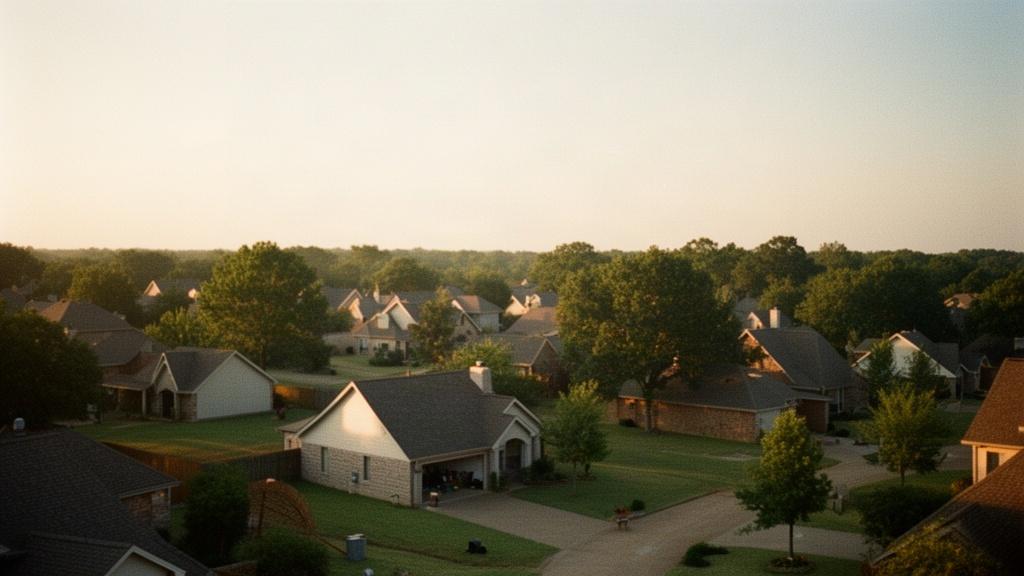
1. What the Lafayette, Indiana Housing Market Looks Like Right Now
Lafayette's housing market is in a more balanced position in September 2026 than it was two or three years ago. Inventory has grown meaningfully since the tight conditions of 2022 and 2023, giving buyers more options while sellers still see solid demand at realistic price points. Homes that are priced correctly and presented well continue to move; overpriced listings are sitting longer than they would have in prior years.
Median Prices and Inventory Levels
As of September 2026, the median sale price for a single-family home in Lafayette sits in the low-to-mid $230,000s, according to current market data tracked by Redfin. That figure covers the city of Lafayette proper, not the broader Tippecanoe County area, which pulls the number upward when West Lafayette's higher-priced inventory is included. The entry-level segment, homes priced below $180,000, remains competitive with multiple offers when properties are move-in ready. Above $300,000, buyers have noticeably more room to negotiate.
Days on market have stretched slightly compared to September 2025. The typical well-priced home in Lafayette is now selling in roughly 20 to 35 days, depending on the neighborhood and condition. A year ago, that window was closer to 14 to 20 days for comparable properties. That shift gives buyers more time to conduct inspections and line up financing without waiving contingencies.
How Lafayette Compares to the Broader Indiana Market
Indiana as a whole has seen inventory levels climb in 2026, creating pockets of opportunity for buyers across the state. Lafayette sits in an interesting position within that trend. Because Purdue University anchors consistent housing demand year-round, Lafayette does not experience the same degree of seasonal slowdown that purely residential markets in smaller Indiana cities do. Demand from faculty, staff, graduate students, and university-adjacent employers keeps the lower and middle price tiers active even when broader Indiana market conditions soften.
For more context on how Indiana's statewide inventory split is creating new openings, HousingWire's coverage of Indiana's housing market inventory offers a useful statewide lens. Lafayette's numbers tend to track closer to Bloomington and Fort Wayne than to the Indianapolis metro, because university-driven demand creates a different supply-and-demand dynamic.
2. Neighborhood Breakdown: What You Get at Each Price Point
Lafayette's neighborhoods vary considerably in housing stock, lot size, architectural era, and price per square foot. Understanding what each price tier delivers helps buyers set realistic expectations and helps sellers understand where their home fits. The city spans a wide range, from century-old craftsman bungalows near downtown to newer construction subdivisions on the city's south and east sides.
Under $200,000
Below $200,000 in Lafayette, buyers are primarily looking at older housing stock built between the 1920s and 1970s. Neighborhoods near downtown Lafayette, including areas along South Street and the blocks surrounding Columbian Park, offer two- and three-bedroom homes on modest lots, typically 4,000 to 7,000 square feet. These homes often have original hardwood floors, smaller kitchens, and single-car garages or no garage at all. Many have been updated by successive owners, but buyers should budget for deferred maintenance items like roofs, HVAC systems, and electrical panels.
This price range attracts investors, first-time buyers, and buyers who want to be close to downtown amenities like the Wabash River waterfront, the Tippecanoe County Courthouse area, and local restaurants along Main Street. Competition at this tier is real, and move-in-ready homes under $175,000 frequently receive multiple offers within the first week of listing.
The $200,000 to $350,000 Range
This is the most active segment of the Lafayette market in September 2026. Buyers in this range can find three- and four-bedroom homes with two-car garages, updated kitchens, and larger lots on Lafayette's south side, particularly in established subdivisions off South 18th Street and in the areas around Murdock Park. Ranch-style homes from the 1980s and 1990s are common here, as are two-story colonials from the early 2000s.
The Happy Hollow area, one of Lafayette's more established residential corridors, also sees significant activity in the $250,000 to $320,000 range. Homes there tend to sit on larger, tree-lined lots with mature landscaping, and the neighborhood's proximity to Columbian Park and the Wabash River trail system adds to its appeal. If you are considering selling in that corridor, the pricing and timeline dynamics there are worth understanding in detail.
Above $350,000
Lafayette's upper price tier has grown meaningfully over the past several years as new construction has pushed into the $350,000 to $550,000 range. Newer subdivisions on the city's east side and in areas bordering Tippecanoe County offer four- and five-bedroom homes with open floor plans, three-car garages, and larger lots of a quarter acre or more. Buyers at this level are often choosing between existing homes in established neighborhoods and new builds with builder warranties and modern finishes.
Above $550,000, Lafayette's luxury segment is smaller but active, with custom builds and executive-level homes appearing in select areas. If you are exploring that upper tier, the luxury market in Lafayette has its own set of considerations around pricing, days on market, and buyer profiles that differ from the broader market.
3. Timing the Market: When to Buy and When to Sell in Lafayette
Timing in Lafayette follows a modified version of the national seasonal pattern, with some important local twists driven by the academic calendar. Knowing those rhythms helps both buyers and sellers make smarter decisions about when to act.
The Seasonal Patterns Local Agents Watch
Spring, specifically March through June, is Lafayette's busiest listing season. Sellers who list in April and May typically see the most buyer traffic and the strongest offers, because buyers who need to close before the school year starts are actively searching. Inventory peaks in late spring, which means buyers have more choices but also face more competition from other buyers.
The late summer window, July through August, sees a secondary surge tied to Purdue's academic calendar. Faculty, staff, and graduate students who have accepted positions often need to close quickly before the fall semester begins in August. This creates real urgency in the $200,000 to $350,000 range, particularly for homes within a reasonable commute of the Purdue campus in West Lafayette. Sellers who have a home in that zone and list in late June or early July can capture that buyer pool effectively.
Fall, from September through November, is when the market moderates. Right now, in September 2026, buyers who did not find a home during the spring or summer rush are still active, but the pool is smaller. That can work in a buyer's favor: less competition, more willingness from sellers to negotiate on price, closing costs, or repairs. Sellers who list now should price carefully and not expect the same pace they would have seen in April.
What Rising Inventory Means for Buyers and Sellers
More inventory in the market means buyers have more negotiating power than they did in 2022 or 2023. Sellers who priced aggressively during the low-inventory years and are now seeing their homes sit are recalibrating. In September 2026, the homes that are moving quickly in Lafayette are those priced within 2 to 3 percent of their appraised value and in strong showing condition. Homes that need significant work and are priced as if they are turnkey are sitting for 45 to 60 days or more.
For sellers, the lesson from the current market is straightforward: condition and pricing accuracy matter more now than they did two years ago. For a detailed look at what actually drives fast sales in Lafayette right now, including specific pricing strategies and preparation steps, the full seller's guide covers the process from start to finish.
4. Key Factors Driving Lafayette Home Prices in 2026
Lafayette's price trajectory is shaped by several forces that are specific to this market and do not apply to most Indiana cities of similar size. Understanding them helps buyers evaluate whether a price is justified and helps sellers understand what drives their home's value.
Purdue University and the Rental Demand Effect
Purdue's enrollment of over 50,000 students creates a rental demand floor that keeps property values in Lafayette and West Lafayette elevated relative to comparable Indiana cities without a major university. Investors purchasing rental properties in Lafayette benefit from that demand, and owner-occupant buyers often find themselves competing with investors for the same entry-level homes. The Purdue effect also means that even during broader market slowdowns, vacancy rates in Lafayette tend to stay low, which supports home values.
If you are considering buying a property in Lafayette as an investment rather than a primary residence, the specific dynamics of the rental market, cap rates, and neighborhood-level demand are worth understanding in detail before you commit. The investment property guide for Lafayette covers those considerations specifically.
New Construction and Subdivision Growth
Lafayette has seen consistent new construction activity on its south and east sides through 2025 and into 2026. Subdivisions in areas like Lindberg Road corridor and along State Road 26 East have added hundreds of new homes to the market over the past three years. New builds in these areas typically start in the $310,000 to $380,000 range for a standard three- or four-bedroom home, with upgraded lots and premium finishes pushing prices toward $450,000 and above.
New construction adds supply at the upper-middle price tier, which has a moderating effect on resale prices in that same range. Resale sellers competing with new builds need to price accordingly and be prepared to offer incentives that builders often provide, such as covering closing costs or offering rate buydowns through preferred lenders. For a full picture of what is being built right now and where, the new developments and subdivisions guide for Lafayette in 2026 is a useful reference.
The Indianapolis Commuter Influence
Lafayette sits approximately 65 miles northwest of Indianapolis along I-65, making it a realistic commuter option for Indianapolis workers who want lower housing costs. The drive typically runs 60 to 75 minutes in normal traffic conditions, and some buyers are willing to make that trade-off to access Lafayette's lower price points. This commuter demand adds a layer of buyer activity that insulates Lafayette's market from purely local economic fluctuations.
5. Practical Steps for Buyers and Sellers Using This Guide
Market data is only useful if it translates into concrete action. Here is how to apply what this guide covers to your specific situation, whether you are buying or selling in Lafayette right now.
For Buyers: How to Use Price and Timing Data
Start by anchoring your search to a specific price tier and understanding what that tier delivers in Lafayette in terms of size, condition, and location. If you are flexible on timing, September and October in Lafayette offer a buyer-friendly window: less competition than spring, sellers who have been on the market for 30 or more days are often more open to negotiation, and the fall inspection season gives you clear visibility on any heating system or weatherproofing issues before winter.
Get pre-approved before you start touring homes, not just pre-qualified. In Lafayette's entry-level market, even in a more balanced environment, sellers still prefer buyers who can demonstrate financing strength. Know your closing cost budget in addition to your down payment, because those costs add up to 2 to 4 percent of the purchase price on top of what you put down. And if you are weighing Lafayette versus West Lafayette for your purchase, understanding the differences in housing stock, price per square foot, and proximity to Purdue is worth working through before you commit to a search area.
For Sellers: Setting the Right Price the First Time
In September 2026, the single biggest mistake Lafayette sellers are making is pricing based on what their neighbor got in spring 2024. The market has shifted. Buyers have more choices, and they are doing their research. A home that comes onto the market 8 to 10 percent above its realistic value will sit, accumulate days on market, and ultimately sell for less than it would have if it had been priced correctly from day one.
A comparative market analysis from a local agent who knows Lafayette's specific micro-markets is the most reliable tool for setting a price. That analysis should look at closed sales within the last 60 to 90 days, not 6 months, because market conditions in Lafayette have shifted enough that older comps can mislead. Presentation also matters: professional photography, clean staging, and a pre-listing inspection that surfaces and addresses obvious issues all contribute to faster sales and stronger final prices.
FAQ
What is the median home price in Lafayette, Indiana right now?
As of September 2026, the median sale price for a single-family home in Lafayette, Indiana is in the low-to-mid $230,000s. That figure covers Lafayette proper and does not include West Lafayette, which carries a higher median due to its proximity to Purdue's campus and a different mix of housing stock. Entry-level homes under $180,000 remain competitive with multiple offers, while the $200,000 to $350,000 range is the most active segment of the market. Above $350,000, buyers generally have more room to negotiate on price and terms.
Is it a good time to buy a home in Lafayette, Indiana in fall 2026?
Fall 2026 offers a reasonable window for buyers in Lafayette who want less competition and more negotiating leverage than they would find in the spring market. Inventory levels are higher than they were in 2022 and 2023, days on market have stretched to 20 to 35 days for most properties, and sellers who have been listed for several weeks are more open to price reductions or seller concessions. The trade-off is a smaller selection of homes compared to the spring peak. Buyers who are flexible on move-in timing and have their financing in order are well-positioned to find value right now.
How does Purdue University affect home prices in Lafayette?
Purdue University, located in adjacent West Lafayette, creates consistent housing demand that keeps Lafayette home values elevated compared to Indiana cities of similar size without a major university anchor. Enrollment of over 50,000 students generates strong rental demand, which attracts investors and compresses vacancy rates across the broader market. Faculty, staff, and graduate students also purchase homes in Lafayette regularly, adding a buyer pool that is less sensitive to seasonal fluctuations than purely residential markets. This university-driven demand is one reason Lafayette's market tends to hold value better during broader Indiana market slowdowns.