← Back to Blog
Neighborhoods
What Is It Actually Like to Live in the Happy Hollow Neighborhood in Lafayette, Indiana
By Karina Hernandez
Trueblood Real Estate
September 4, 2026 · 12 min read
If you are wondering what it is like to live in the Happy Hollow neighborhood in Lafayette, Indiana, the short answer is this: it is an established, tree-lined residential area with a distinct architectural character, walkable streets, and a location that puts you close to downtown Lafayette without the density of living right in the city core. This guide covers everything a prospective buyer or renter needs to know before making a move, from housing styles and price ranges to commute times, parks, and the everyday feel of the streets.
1. A Quick History of Happy Hollow
Happy Hollow has roots that go back over a century. The neighborhood began developing in earnest in the late 1800s and early 1900s, when Lafayette was growing outward from its original downtown grid along the Wabash River. The area earned its name from the natural topography: a gentle hollow or low-lying wooded depression that gave the land a distinct character compared to the flatter blocks surrounding it.
How the Neighborhood Took Shape
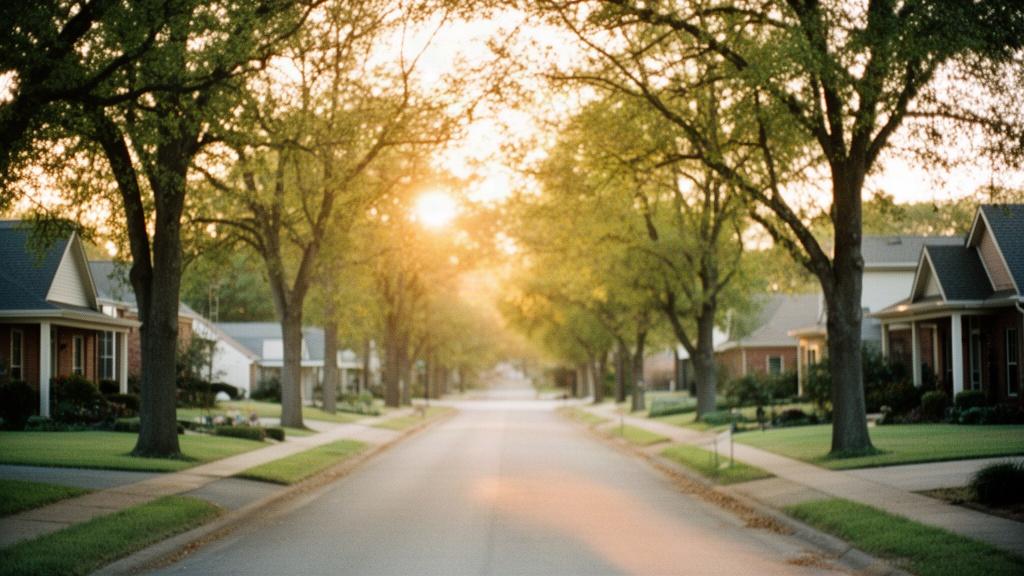
Development in Happy Hollow was largely residential from the start. Builders constructed a mix of craftsman bungalows, foursquares, and colonial revival homes during the 1910s through the 1940s, with some infill construction appearing later in the mid-century. The result is a neighborhood where you can walk a single block and see four or five distinct architectural styles standing side by side, all of them sharing the same mature tree canopy that arches over the streets.
The Happy Hollow Neighborhood Association has documented much of this history and continues to be an active civic presence in the area. The association organizes community events, advocates for neighborhood concerns at the city level, and maintains communication channels that keep residents connected to what is happening on their blocks.
The Historic District Designation
A portion of Happy Hollow is listed on the National Register of Historic Places as the Happy Hollow Heights Historic District. This designation recognizes the architectural and historical significance of the area's housing stock. For buyers, this matters in a practical sense: some renovation projects within the district may require review under local historic preservation guidelines, so it is worth confirming the scope of any planned work with the City of Lafayette before closing.
The historic designation also tends to stabilize the physical character of the neighborhood over time. You are less likely to see a century-old craftsman torn down and replaced with a vinyl-clad new build, which is a meaningful consideration for buyers who want the streetscape to remain cohesive over the years they own their home.
2. What Living in Happy Hollow Actually Feels Like Day to Day
Living in the Happy Hollow neighborhood in Lafayette, Indiana has a noticeably different texture than newer subdivisions on the city's north or east sides. The lots are smaller by modern standards, the sidewalks are continuous, and the homes sit closer to the street. That physical setup creates a neighborhood where you actually see your neighbors, where front porches get used, and where an evening walk feels like a walk through a real place rather than a drive-through corridor.
Streets, Walkability, and the Physical Layout
Happy Hollow sits roughly between South Street and Kossuth Street to the north and south, and between 9th Street and 18th Street to the east and west, though the exact boundaries shift depending on which map or association document you consult. The interior streets are mostly quiet residential blocks with moderate traffic. The neighborhood is walkable to several destinations, including Columbian Park to the northwest and the commercial stretch along South Street, though you will want a car for most grocery runs and errands.
The tree canopy is one of the most commented-on features among residents. Large oaks and maples line many of the streets, creating shade in summer and a vivid color display in October. The canopy also means that in winter, some sidewalks accumulate leaf debris and ice patches faster than newer neighborhoods with less overhead coverage, so that is worth factoring in if you are evaluating the home's drainage and the condition of its walkways.
Noise, Traffic, and Pace of Life
The interior blocks of Happy Hollow are genuinely quiet most of the time. You will hear more ambient city noise near the South Street and 9th Street edges, where through traffic is heavier. Homes deeper in the neighborhood, particularly along the streets that dead-end or curve back on themselves, tend to see very little cut-through traffic. If noise is a priority for you, it is worth visiting the specific block at different times of day before making an offer.
3. Housing Stock, Styles, and Prices in Happy Hollow
The housing in Happy Hollow is almost entirely single-family residential, with a handful of duplexes scattered through the area. You will not find apartment complexes or large multi-family buildings within the neighborhood's core. That means the ownership-to-rental ratio skews higher than in some other parts of Lafayette, though there are certainly rental homes here as well.
What Kinds of Homes Are Here
The dominant styles are craftsman bungalows and American foursquares, with a strong showing of colonial revival and Tudor revival homes on some of the larger lots toward the center of the neighborhood. Most homes were built between 1910 and 1950, which means buyers should budget for the kinds of maintenance that come with older construction: updated electrical panels, plumbing that may have been partially replaced over decades, original wood floors that need refinishing, and windows that vary widely in age and efficiency depending on when the previous owners renovated.
Square footage in Happy Hollow tends to run smaller than in newer Lafayette subdivisions. A typical craftsman bungalow here might offer 1,100 to 1,500 square feet across one or one-and-a-half stories, while the larger foursquares and two-story colonials can reach 1,800 to 2,400 square feet. Lot sizes are generally modest, ranging from roughly 5,000 to 8,000 square feet, with detached garages or carports accessed from the alley behind the home.
What Buyers Are Paying in September 2026
Prices in Happy Hollow currently reflect both the neighborhood's location and the premium that buyers place on historic character. Entry-level homes in need of updating are trading in the low-to-mid $200,000s in September 2026, while renovated or well-maintained properties in the 1,500 to 2,000 square foot range are listing and selling in the $280,000 to $360,000 range. The most substantial and well-preserved homes on the best blocks have reached into the low $400,000s in recent transactions, though those are the outliers rather than the norm.
Compared to newer construction in Lafayette's northern corridors, Happy Hollow homes often offer more character per dollar but require more due diligence. A thorough inspection by an inspector experienced with older homes is not optional here. You want someone who knows what a knob-and-tube wiring remnant looks like, how to assess a century-old foundation, and what to make of a furnace that was installed two owners ago. Karina Hernandez of Trueblood Real Estate can connect you with inspectors who regularly work with Lafayette's older housing stock.
For broader context on what homes are selling for across Lafayette right now, the Lafayette, Indiana Real Estate Market Guide covers citywide pricing trends and how different neighborhoods compare in terms of inventory and days on market.
4. Getting Around: Commutes and Proximity to Key Destinations
Happy Hollow's location gives residents reasonable access to most of Lafayette's major destinations without requiring a highway on-ramp. That said, Lafayette is not a city where you can realistically go car-free. The neighborhood is served by some CityBus routes, but most residents drive for the majority of their trips.
Downtown Lafayette and the River District
Downtown Lafayette, centered around Main Street and the Wabash riverfront, is roughly a 5 to 10 minute drive from most parts of Happy Hollow depending on the time of day. On a weekend morning with no traffic, you can cover the distance in under five minutes. During weekday rush periods, particularly around the South Street and 9th Street intersection, add a few minutes. The downtown area offers restaurants, the Long Center for the Performing Arts, the Tippecanoe County Courthouse area, and the riverfront trail system.
Purdue University and West Lafayette
Purdue University's main campus in West Lafayette is approximately 3 to 4 miles from Happy Hollow, a drive that typically takes 10 to 15 minutes depending on which route you take and whether you are crossing the Wabash River during peak periods. The State Street bridge and the US-52 bridge are the two most common crossings. State Street tends to back up during morning and afternoon peak hours on days when Purdue is in session, so residents who commute to campus regularly often learn to time their trips or use the 9th Street bridge as an alternative.
If you are also considering homes in West Lafayette itself, the Homes for Sale in West Lafayette Indiana guide breaks down what buyers need to know about that market, including how pricing compares to Lafayette proper.
Major Employers and Retail Corridors
Subaru of Indiana Automotive, one of the region's largest manufacturing employers, is located in Lafayette on Subaru Drive off of US-52, roughly 8 to 12 minutes from Happy Hollow depending on traffic. Caterpillar, Wabash National, and Indiana University Health Arnett Hospital are other major employment centers that Happy Hollow residents commute to regularly. The hospital campus on South Creasy Lane is about 10 to 15 minutes by car. Retail corridors along Sagamore Parkway and the Tippecanoe Mall area on the city's north side are a 10 to 20 minute drive.
5. Parks, Green Space, and Everyday Amenities Near Happy Hollow
One of Happy Hollow's genuine advantages is its proximity to Columbian Park, Lafayette's largest and most established city park. The park sits along the Wabash River and includes a zoo, a pool, a lagoon, picnic shelters, and the Tropicanoe Cove water park. From the western edge of Happy Hollow, Columbian Park is a walkable or short bike ride away, which is a meaningful quality-of-life factor for residents who want outdoor recreation without getting in a car.
Columbian Park and the Wabash River Trail
The Wabash Heritage Trail runs along the river and connects to the broader trail network that extends north and south of the city. Happy Hollow residents who use the trail regularly can access it via Columbian Park in roughly 10 to 15 minutes on foot from the neighborhood's interior, or in a few minutes by bike. The trail offers a paved surface suitable for walking, running, and cycling, and it passes through some of the most scenic stretches of the Wabash riverbank in Tippecanoe County.
Grocery, Dining, and Daily Errands
For daily errands, Happy Hollow residents most commonly head to the grocery options along South Street or the Kroger on South Creasy Lane, both of which are within a 5 to 10 minute drive. The South Street corridor itself has a scattering of locally owned restaurants, coffee shops, and small retail. For a broader dining selection, downtown Lafayette and the Purdue-area restaurants in West Lafayette are the primary destinations. Residents do not have a walkable grocery option within the neighborhood itself, which is a practical reality to account for.
6. Schools and What Buyers Should Research on Their Own
Happy Hollow falls within the Lafayette School Corporation attendance boundaries. Specific school assignments depend on your address, and attendance boundaries can change, so the most reliable step is to contact the Lafayette School Corporation directly or use their official boundary lookup tool to confirm which schools serve a property you are considering. The Indiana Department of Education's website publishes school-level data that buyers can review independently to inform their own decisions.
School research is a personal process, and the right sources are the ones that reflect your own priorities. Beyond the state education department, the Lafayette School Corporation's own website publishes program information, enrollment data, and contact details for each building. Private school options also exist in the Lafayette area, and a conversation with the Lafayette School Corporation's enrollment office can clarify what choices are available for your address.
7. Is Happy Hollow Right for Your Next Move
Understanding what it is like to live in the Happy Hollow neighborhood in Lafayette, Indiana ultimately comes down to what you value in a home and a street. This is a neighborhood with real architectural character, a strong civic identity through its active neighborhood association, and a location that keeps you close to both downtown Lafayette and the Wabash riverfront. It is also a neighborhood where the homes require more attention and maintenance research than a five-year-old build in a newer subdivision.
Who Tends to Be Drawn to Older Established Neighborhoods
People drawn to Happy Hollow often prioritize the physical character of the home itself: original hardwood floors, built-in bookshelves, plaster walls, and the craftsmanship details that are difficult or expensive to replicate in new construction. They also tend to value the walkable street grid and the sense of an established community with a long history. The neighborhood association's active presence means there are organized channels for neighbors to connect and advocate collectively for the area.
What to Watch for When Buying Here
Buyers in Happy Hollow should go in with clear eyes about the maintenance realities of older homes. Deferred maintenance is common in this price range and age of housing stock. A home that looks charming from the curb may have a furnace at the end of its service life, original cast-iron drain lines, or a roof that has three to five years left. Budgeting for these items upfront, rather than discovering them after closing, is the difference between a great purchase and a stressful one.
If you are weighing whether to buy now or wait for more inventory or price movement, the Is Right Now a Good Time to Buy a House in Lafayette, Indiana or Should I Wait article walks through the current market conditions in detail.
For sellers in Happy Hollow, pricing strategy matters more than in many other parts of Lafayette. Buyers in this price range are informed and often comparing your home to both other historic properties and newer builds. Overpricing a home that needs work, or underpricing one that has been thoughtfully restored, are both costly mistakes. The Selling a Home in Lafayette, Indiana guide covers how to approach pricing and what sellers should expect from the process.
FAQ
Is Happy Hollow a historic neighborhood in Lafayette, Indiana?
Yes, a significant portion of Happy Hollow is listed on the National Register of Historic Places as the Happy Hollow Heights Historic District. The designation recognizes the architectural significance of the area's early 20th-century housing stock, which includes craftsman bungalows, American foursquares, and colonial revival homes built primarily between 1910 and 1950. Buyers planning renovations within the historic district boundaries should confirm with the City of Lafayette whether their project requires review under local historic preservation guidelines before closing. The historic designation does not prevent renovation, but it may shape the process for certain exterior changes.
What are home prices like in Happy Hollow in September 2026?
In September 2026, homes in Happy Hollow are trading across a range that reflects both condition and size. Entry-level properties that need updating are generally in the low-to-mid $200,000s, while renovated and well-maintained homes in the 1,500 to 2,000 square foot range are typically priced between $280,000 and $360,000. The most substantial and well-preserved homes on the neighborhood's most desirable blocks have reached into the low $400,000s in recent sales. Buyers should budget carefully for inspection findings and potential deferred maintenance, which is common in homes of this age and price range. Karina Hernandez can provide current comparable sales data for specific streets or property types within the neighborhood.
How far is Happy Hollow from Purdue University and downtown Lafayette?
Happy Hollow is roughly 3 to 4 miles from Purdue University's main campus in West Lafayette, a drive that typically takes 10 to 15 minutes depending on river crossing traffic and the time of day. Downtown Lafayette is considerably closer, generally a 5 to 10 minute drive from most parts of the neighborhood. The State Street and US-52 bridges are the primary Wabash River crossings used by residents commuting to Purdue or West Lafayette, and both can experience delays during peak hours on days when Purdue is in session. Columbian Park, one of Lafayette's largest green spaces, is accessible on foot or by bike from the western edge of Happy Hollow.