← Back to Blog
Selling
Selling a Home in Detroit, Michigan: What Sells Homes the Fastest, Pricing, Timeline and What to Expect
By Kay Davis
September 19, 2026 · 11 min read
Selling a home in Detroit, Michigan comes down to a handful of decisions made in the first two weeks, and the sellers who move fastest are the ones who price correctly from day one, prepare the property before it hits the market, and understand how Detroit's local dynamics differ from national trends. This guide breaks down what actually sells Detroit homes the fastest, what a realistic timeline looks like from listing to closing, and what surprises to expect along the way.
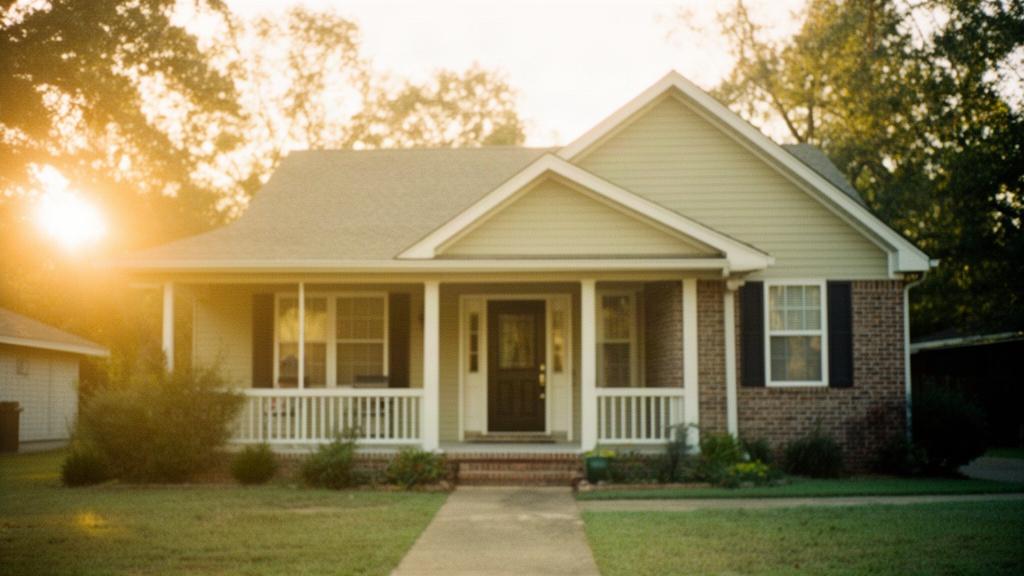
1. Why Detroit's Market Rewards Speed and Precision
Detroit's housing market moves faster than most sellers expect. Homes priced correctly and prepared well are regularly going under contract within days, not weeks. That speed is not an accident; it reflects a supply and demand imbalance that has defined Detroit's market through 2026.
How Detroit Compares to National Trends
While many coastal markets have seen days-on-market stretch out through 2026, Detroit and other Midwest cities have held a different pattern. According to HousingWire's analysis of Midwest housing markets, Midwest metros have consistently defied national days-on-market trends, with well-priced inventory absorbing quickly even as other regions slow down. Detroit sits squarely in that pattern.
The reason comes down to inventory. Detroit has not seen a significant wave of new construction that would balance buyer demand. The city's housing stock is largely made up of pre-1960 homes, many of them brick bungalows, colonials, and craftsman-style houses in neighborhoods like Bagley, Grandmont Rosedale, and Palmer Woods. When a well-maintained home in one of these areas hits the market at the right price, multiple buyers often compete for it.
What the Numbers Say Right Now
As of September 2026, Detroit's median home price sits at approximately $257,000, a figure that reflects sustained seller-side leverage across much of the city. HousingWire has reported that Detroit sellers are controlling the market at that median price point, with limited supply keeping upward pressure on values. Homes in move-in condition are frequently selling at or above list price when priced accurately.
Days on market for well-priced Detroit homes currently runs between 10 and 21 days from list date to accepted offer. Homes that linger past 30 days are almost always the ones that started too high or needed more preparation before listing. Understanding this dynamic is the foundation of a fast sale.
2. Pricing: The Single Biggest Factor in How Fast Your Home Sells
Pricing is the lever that controls everything else in a Detroit home sale. Get it right and buyers arrive quickly, offers stack up, and you close on your timeline. Price too high and the listing sits, loses momentum, and often sells for less than it would have if priced correctly from the start.
How Comparable Sales Drive Your List Price
A comparative market analysis (CMA) pulls recent closed sales of similar homes within roughly a half-mile to one-mile radius, adjusting for square footage, lot size, bedroom and bathroom count, garage, basement finish, and condition. In Detroit, where block-by-block variation is real, a CMA built on sales from the wrong streets can mislead you significantly.
For example, a three-bedroom brick bungalow in Grandmont Rosedale with an updated kitchen and a finished basement might support a list price in the $220,000 to $250,000 range, while a similar footprint in a part of the city with fewer recent sales or more deferred maintenance on surrounding properties might land closer to $160,000 to $185,000. The gap is real, and it is why hyper-local data matters more than citywide averages when you are setting a price.
For a deeper look at how pricing decisions are made and what factors appraisers and buyers weigh, the NAR consumer guide on home pricing is a solid starting point for understanding the mechanics before you sit down with your agent.
The Cost of Overpricing in Detroit
Overpricing in Detroit carries a specific penalty. Buyers in this market are active and well-informed. They see new listings the day they appear and they know what comparable homes have sold for. A home priced 8 to 10 percent above market value will get clicks but not showings, and after two to three weeks without an offer, buyers start to wonder what is wrong with the property.
Price reductions help but rarely fully recover the lost momentum. Data from Detroit-area transactions consistently shows that homes requiring a price reduction sell for less than comparable homes that were priced correctly from the start, even after the reduction brings the price to the same level. The stigma of a stale listing is real.
Price Bands That Move Fastest
In September 2026, the $150,000 to $275,000 range is where Detroit's market is most active, driven by first-time buyers using FHA and conventional financing. Homes in this band that are move-in ready and priced at or slightly below the top of comparable sales are drawing the most competitive offers.
Above $400,000, the buyer pool narrows but it does not disappear. Historic districts like Boston Edison and Indian Village are seeing strong interest from buyers who want architectural character and square footage that newer construction cannot replicate at the same price. If you are selling in that range, the Detroit luxury and upper-tier market has its own dynamics worth understanding separately.
3. What Sellers Can Do Before Listing to Sell Faster
The two to four weeks before a home hits the market are often the most important. Sellers who use that time well consistently outperform those who list quickly without preparation, both in final sale price and in days on market.
Condition and Curb Appeal in Detroit's Older Housing Stock
Detroit's housing stock skews old. The majority of single-family homes in the city were built between 1910 and 1960, which means buyers and their inspectors are going to look hard at the roof, the electrical panel, the plumbing, the foundation, and the HVAC system. Addressing known issues before listing removes negotiating leverage from the buyer and prevents deals from falling apart after inspection.
Curb appeal matters enormously in neighborhoods where buyers are driving streets before they schedule showings. Fresh paint on the front door, a cleared and edged lawn, clean gutters, and repaired porch boards are low-cost improvements that signal a well-maintained home before a buyer ever steps inside. In brick bungalow neighborhoods, the exterior condition is the first data point buyers use to form an opinion.
If you want a detailed breakdown of what inspectors flag most often in Detroit homes built before 1950, this guide on home inspections for older Detroit homes walks through the most common issues and how sellers can get ahead of them.
Photography, Listing Copy and First Impressions
Professional photography is not optional in a competitive market. Buyers in Detroit are browsing listings on their phones and making decisions about which homes to tour based almost entirely on photos. Dark, cluttered, or poorly framed images will cost you showings regardless of how good the home is in person.
Listing copy should highlight specific features: original hardwood floors, plaster ceilings, a recently replaced roof, a two-car garage, proximity to Palmer Park or the Riverfront. Buyers searching in Detroit know the neighborhoods and they respond to specificity. Generic descriptions like 'charming home in great location' do not move the needle.
Timing Your List Date
In Detroit, Thursday and Friday list dates consistently produce more weekend showings than Monday or Tuesday launches. Buyers plan their weekend tours based on what is new in the market, and a listing that goes live Thursday gives buyers two full days to schedule before Saturday open houses. This small timing decision can be the difference between three offers and one.
Fall 2026 is also worth understanding as a specific window. If you are weighing whether this season is the right time to list, this breakdown of fall 2026 market timing in Detroit covers how buyer activity and inventory levels typically shift in September and October.
4. The Detroit Home Sale Timeline: Week by Week
A realistic Detroit home sale takes between 45 and 75 days from the moment you start preparing to the day you hand over the keys. Here is how that time typically breaks down.
Pre-Listing Preparation
- Weeks 1 to 2: Meet with your agent, complete the CMA, identify repairs and cosmetic updates, schedule contractors if needed.
- Weeks 2 to 3: Complete repairs, deep clean, declutter and stage, schedule professional photography.
- End of Week 3: Photos delivered, listing copy finalized, MLS entry prepared, lockbox installed, list date confirmed.
Active Listing Period
- Days 1 to 5: Highest traffic window. Showings concentrate here. Well-priced homes in Detroit often receive offers within the first weekend.
- Days 6 to 14: Secondary wave of buyers who missed the first weekend. Offer deadline (if set) typically falls in this window.
- Days 15 to 21: If no offer yet, assess feedback and consider a price adjustment or additional marketing. Showings typically slow after day 21.
Under Contract Through Closing
- Days 1 to 5 under contract: Earnest money deposited, inspection scheduled. Most Detroit purchase agreements allow 7 to 10 days for inspection.
- Days 7 to 14 under contract: Inspection completed, inspection response negotiated. Appraisal ordered by buyer's lender.
- Days 14 to 30 under contract: Appraisal completed, lender underwriting, title search conducted, any required city inspections scheduled.
- Days 30 to 45 under contract: Clear to close issued, final walkthrough, closing day. Total contract-to-close runs 30 to 45 days for financed buyers in Detroit.
5. What to Expect During Inspections, Appraisals and Negotiations
The period between accepted offer and closing is where Detroit home sales most often run into complications. Knowing what to expect makes it far easier to navigate without losing the deal.
Inspection Issues Common in Detroit Homes
Detroit's older housing stock produces predictable inspection findings. Knob-and-tube or aluminum wiring, galvanized steel plumbing, aging furnaces, cracked mortar on brick chimneys, and older roofs are the most frequent issues that come up in homes built before 1960. These are not necessarily deal-killers, but they become negotiating points.
Sellers who complete a pre-listing inspection and address major items in advance are in a much stronger negotiating position. When a buyer's inspector finds a freshly serviced furnace and a roof that was replaced three years ago, the inspection response is typically minor. When the same inspector finds a 25-year-old roof and an original 1940s electrical panel, the buyer's repair request or price reduction request can be substantial.
Appraisals in a Rising Market
When a home sells above list price in a multiple-offer situation, the appraisal becomes a potential friction point. If the appraiser cannot find comparable sales to support the contract price, the lender will only finance up to the appraised value. The buyer must then make up the difference in cash, negotiate a price reduction, or walk away.
In Detroit's current market, appraisal gaps are most common in neighborhoods where values have risen faster than the volume of closed sales, making it harder for appraisers to find recent comps. Boston Edison and Indian Village are two areas where this dynamic has appeared. Having your agent prepare a strong comparable sales package for the appraiser can help support the contract price.
Negotiation Patterns Specific to Detroit
Detroit buyers using FHA financing will sometimes request seller concessions toward closing costs, which in Michigan can run 3 to 4 percent of the purchase price for the buyer. Sellers who factor this into their net proceeds calculation before accepting an offer avoid unpleasant surprises at the closing table.
Detroit also requires a Certificate of Compliance (COC) for most home sales, which involves a city inspection confirming the property meets minimum housing code standards. Sellers are typically responsible for obtaining the COC, and the process can take two to four weeks if repairs are required. Building this into your timeline before listing prevents it from delaying your closing.
6. Neighborhoods Where Homes Are Moving Quickly Right Now
Across Detroit, certain pockets are seeing the fastest absorption in September 2026. Understanding where demand is concentrated helps sellers in those areas set expectations and helps sellers in adjacent areas understand what buyers are comparing their home to.
Midtown Detroit continues to draw buyers who want walkability to Wayne State University, the Detroit Institute of Arts, and the restaurants along Cass Avenue. Condos and renovated flats in this area are moving quickly, often with multiple offers. The Midtown Detroit real estate market guide covers current pricing and what buyers are competing for in that corridor.
Corktown, just west of downtown, has a concentrated inventory of renovated Victorian-era homes and newer infill construction near Michigan Avenue. The proximity to Ford's Michigan Central development has kept buyer interest elevated. If you are selling in Corktown specifically, this detailed guide to selling a home in Corktown covers the neighborhood's specific pricing and buyer profile.
Boston Edison and Indian Village are two of Detroit's most architecturally significant historic districts, with large single-family homes on generous lots. Both areas have seen increased buyer interest from purchasers who want square footage and original craftsmanship. The Boston Edison neighborhood guide and the Indian Village buyer and seller guide both include current pricing data and what sellers in those areas should expect.
Grandmont Rosedale, Bagley, and the University District on the northwest side are producing consistent activity in the $150,000 to $240,000 range, fueled by buyers who want brick construction, mature tree-lined streets, and proximity to Palmer Park and the Rouge Park trail system. These neighborhoods have some of the tightest inventory in the city relative to buyer demand.
FAQ
How long does it take to sell a home in Detroit, Michigan right now?
As of September 2026, well-priced and well-prepared Detroit homes are going under contract in 10 to 21 days from the list date. The full process from the start of pre-listing preparation through closing typically runs 45 to 75 days depending on buyer financing type and whether the home requires a Detroit Certificate of Compliance. Homes that are overpriced or need significant repairs before listing can take considerably longer, sometimes 60 to 90 days just to find an accepted offer.
What price should I list my Detroit home at to sell it quickly?
The right list price is determined by a comparative market analysis of recent closed sales within a close radius of your home, adjusted for condition, size, and features. In Detroit's current market, pricing at or slightly below the top of the comparable range tends to generate the most buyer interest and the strongest offers. Overpricing by even 5 to 8 percent above market value will significantly reduce showings and can result in a final sale price lower than a correctly priced home would have achieved. A local agent with access to Detroit MLS data can build you a reliable CMA before you commit to a number.
What is a Detroit Certificate of Compliance and how does it affect my sale?
Detroit's Certificate of Compliance (COC) is a city-issued document confirming that a residential property meets minimum housing code standards. Most Detroit home sales require the seller to obtain a COC before closing. The process involves scheduling a city inspection, which can take one to three weeks to get on the calendar, and then completing any required repairs before a re-inspection. Sellers who start the COC process early, ideally before or immediately after listing, avoid the most common cause of closing delays in Detroit transactions. Budget two to four weeks for the full process if repairs are needed.