← Back to Blog
Neighborhoods
What Are the Different Neighborhoods in Manteca, California and What Is Each One Like to Live In?
By La Tasha Laster-Mullins, California REALTOR®
https://new.servefirstrealty.com/about/meet-our-team/agent?id=latasha-lastermullins · DRE# 02007166
September 4, 2026 · 12 min read
Manteca, California has grown from a small agricultural town into a city of roughly 90,000 people, and the different neighborhoods in Manteca each have their own character, price range, and feel. Whether you are relocating from the Bay Area, buying your first home, or moving up to something larger, knowing how the city is laid out makes a real difference. This guide walks through the major areas of Manteca so you can figure out which part of the city matches what you are looking for.
1. How Manteca Is Laid Out: A Quick Orientation
Manteca sits at the northern edge of the San Joaquin Valley, roughly 75 miles east of San Francisco and about 15 miles south of Stockton. Highway 99 runs through the western side of the city, and Interstate 5 sits about 10 miles to the west, making Manteca a practical base for people who commute to the Central Valley or toward the Bay Area via the Altamont Pass.
The city is generally divided into four quadrants: downtown and the historic core near the center, established west-side neighborhoods, newer east-side master-planned communities, and south Manteca, which includes a large active adult development. North Manteca borders industrial and commercial corridors along Highway 99 and tends to offer the most affordable entry points in the city.
The City's Basic Geography
Manteca covers approximately 21 square miles. The downtown core sits near the intersection of Yosemite Avenue and Main Street. From there, residential development spreads outward in all directions, with the newest construction concentrated on the eastern and southern edges of the city, where large parcels of former agricultural land have been converted into planned subdivisions over the past two decades.
The Union Pacific Railroad runs through the city, which is part of Manteca's industrial and agricultural history. Buyers who are sensitive to train noise should pay attention to proximity to the rail corridor when evaluating specific streets, particularly in the downtown and north Manteca areas.
How Price Ranges Shift Across the City
As of September 2026, the median home price in Manteca sits in the mid-to-upper $500,000s, though individual neighborhoods vary considerably. Older homes in north Manteca and parts of the downtown core can still be found in the $400,000 range, while newer construction in east Manteca and the Woodbridge master-planned community regularly lists above $650,000 and into the $800,000s for larger plans. Understanding which part of the city you are shopping in changes what your budget can realistically buy.
For a broader look at how Manteca's market is performing right now, see the Manteca, California Real Estate Market Guide on this site, which covers current pricing trends, inventory, and timing considerations in detail.
2. Downtown Manteca and the Historic Core
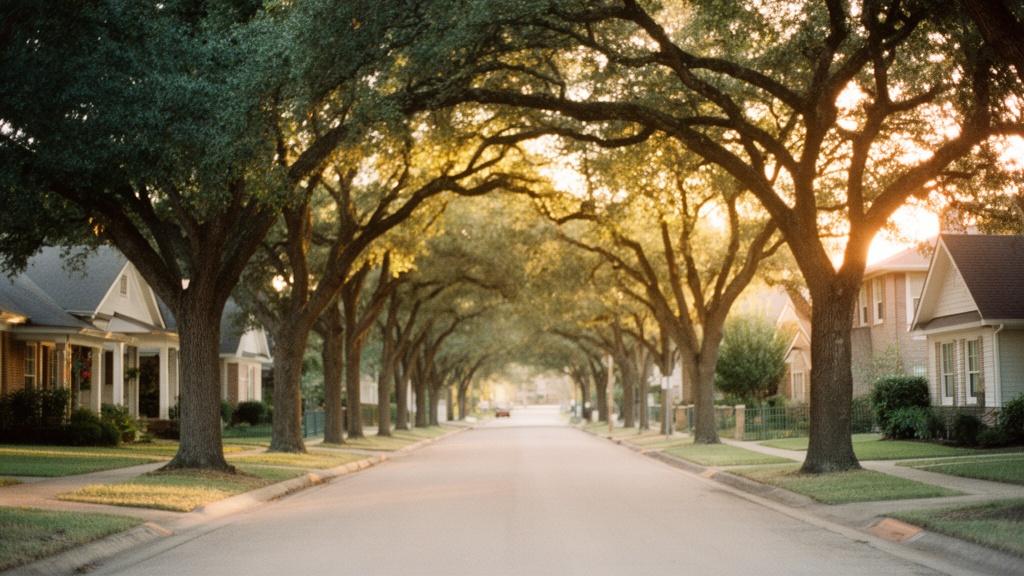
Downtown Manteca is the oldest part of the city, and it shows in the architecture. Homes here are predominantly bungalows, craftsman cottages, and early-twentieth-century ranch styles built between the 1920s and 1960s, sitting on lots that typically run from 5,000 to 7,500 square feet. Streets are tree-lined and laid out in a traditional grid pattern, which makes the area walkable compared to the newer subdivisions on the city's edges.
Housing Stock and Architecture
Square footage in the downtown core tends to run smaller than elsewhere in Manteca. Most homes fall between 1,000 and 1,800 square feet, and many have original hardwood floors, covered front porches, and detached garages. Some properties have been updated with modern kitchens and bathrooms while retaining their original exterior character; others are true fixer opportunities. Buyers willing to do renovation work often find the best price-per-square-foot values in this part of the city.
The commercial strip along Main Street and Center Street includes locally owned restaurants, the Manteca Transit Center, and the Manteca Bulletin offices. The Manteca Farmers Market operates seasonally nearby, adding foot traffic to the area on weekends. For a detailed look at what the downtown district includes, Homes.com's Downtown Manteca neighborhood guide is a useful reference for exploring the boundaries and nearby listings.
Proximity to Amenities and Commute Access
Downtown Manteca is roughly 2 miles from the Highway 99 on-ramps at Yosemite Avenue. From there, Stockton is about 20 minutes north and Modesto is about 25 minutes south under normal traffic conditions. Commuters heading to the Bay Area via the Altamont Corridor Express (ACE) train can access the Lathrop-Manteca ACE station, which sits about 5 miles from downtown and provides rail service toward Livermore and San Jose on weekday schedules.
Nile Garden Park and Library Park are both within walking distance of the downtown residential streets. Spreckels Park, which includes a public pool and recreation facilities, is also close by. Pricing in the downtown core as of September 2026 generally runs from the high $300,000s for smaller fixer properties up to the mid-$500,000s for fully updated homes.
3. West Manteca: Established Subdivisions and Larger Lots
West Manteca developed primarily from the 1970s through the 1990s, and the housing stock reflects that era. You will find single-story and two-story ranch homes, many with three to four bedrooms and attached two-car garages, on lots that frequently run from 6,000 to 9,000 square feet. Some streets on the far west side feature larger parcels, and there are pockets where homes sit on half-acre lots with mature landscaping and fruit trees.
What You Find in West Manteca
West Manteca neighborhoods tend to have wider streets, more established trees, and a quieter feel compared to the denser newer developments on the east side. Many homes in this area have been owned by the same families for decades, so turnover is lower and the inventory of available listings is more limited. When homes do come to market here, they often move quickly because buyers recognize the lot sizes and the established landscaping as hard to replicate in newer construction.
Big League Dreams Manteca, a popular multi-field sports complex, is located on the western edge of the city near Airport Way. The Manteca Waterpark, one of the few public waterparks in the Central Valley, is also in this corridor. Both facilities draw visitors from across San Joaquin County and add to the recreational activity in the area during warmer months.
Commute Times and Nearby Amenities
Highway 99 access from west Manteca runs through the Airport Way interchange, which is one of the less congested entry points into the freeway system. Grocery options along Yosemite Avenue and Woodward Avenue serve the west side well, with multiple major chains within a 5-minute drive of most residential streets. Home prices in west Manteca as of September 2026 typically range from the low $500,000s for older, smaller homes up to the high $600,000s for larger, updated properties on bigger lots.
4. East Manteca: Newer Construction and Master-Planned Communities
East Manteca is where most of the city's growth has happened since 2000, and it is the area that draws the most attention from relocating buyers. The eastern side of the city is anchored by the Woodbridge master-planned community, which spans thousands of acres and includes multiple distinct villages, a private lake, parks, and a golf course. Outside of Woodbridge, east Manteca also contains several other newer tract developments built by regional and national builders.
Woodbridge and the Eastern Growth Corridor
Woodbridge is a gated and non-gated master-planned community that includes Woodbridge Lake, walking trails, clubhouses, and community parks. Homes within Woodbridge range from attached townhomes and smaller single-family plans to large two-story homes exceeding 3,000 square feet. The community has its own HOA structure, and monthly dues vary by village and amenity access. Buyers should confirm current HOA fees directly, as they can range from under $100 per month in some sections to several hundred dollars in others with more amenities.
The Woodbridge by Del Webb section, located in south Manteca, is a separate age-restricted component of the broader Woodbridge development, which is covered in more detail in the next section. The non-age-restricted portions of Woodbridge in east Manteca include a wide mix of floor plans built between roughly 2002 and the present, with new phases still under construction as of September 2026.
What Buyers Are Paying in East Manteca Right Now
As of September 2026, resale homes in the non-age-restricted Woodbridge neighborhoods typically list between $580,000 and $850,000 depending on size, lot, and specific village. Newer construction from builders in adjacent east Manteca tracts can start in the low $500,000s for smaller plans and climb above $750,000 for premium lots with larger floor plans. Lot sizes in east Manteca are generally smaller than the west side, often running 4,500 to 6,500 square feet, but the homes themselves are newer and typically include more modern finishes.
If you are weighing new construction against a resale home in this part of Manteca, the article on new housing developments being built in Manteca in 2026 covers the active builder projects and what to watch for during the purchase process.
5. South Manteca and the Del Webb Area
South Manteca is dominated by the Woodbridge by Del Webb active adult community, one of the largest 55-plus developments in the Central Valley. Outside of Del Webb, there are also some conventional subdivisions and a smaller number of rural-feel properties near the southern city limits where Manteca transitions toward unincorporated San Joaquin County land.
The Del Webb Woodbridge Active Adult Community
Del Webb Woodbridge requires at least one resident per home to be 55 or older. The community is built around a central lodge with indoor and outdoor pools, a fitness center, tennis and pickleball courts, and a full calendar of organized activities. Homes here are single-story in the majority, ranging from approximately 1,200 to 2,400 square feet, and they sit on compact lots that minimize yard maintenance. The community has its own HOA with monthly fees that include access to the lodge facilities.
Resale pricing in Del Webb Woodbridge as of September 2026 generally runs from the mid-$400,000s for smaller, older plans up to the high $600,000s for larger homes with premium lots or significant upgrades. Because the community has been building in phases since the early 2000s, there is a wide range of home ages within the development. Buyers should pay attention to when a specific home was built, as the older phases have different floor plan styles and finish levels than homes built in the most recent phases.
For those considering downsizing into a lower-maintenance home in Manteca, the downsizing guide for Manteca, California covers options, costs, and timing in detail, including how communities like Del Webb compare to other lower-maintenance housing types in the area.
Other South Manteca Pockets
Beyond Del Webb, the southern edges of Manteca include some conventional subdivisions built in the 1990s and early 2000s, with three and four-bedroom homes on standard lots. A few streets near the southern city limits have larger parcels, and some properties here sit adjacent to agricultural land, giving them a more rural feel despite being within city limits. The Austin Road corridor in south Manteca is a key east-west connector that links this part of the city to Highway 99 and to the newer east Manteca developments.
6. North Manteca: Industrial Edges and Practical Housing
North Manteca is the part of the city that borders the most commercial and industrial activity, particularly along Highway 99 near the Lathrop Road and Louise Avenue interchanges. The residential streets here sit behind these corridors and tend to be older, with homes built primarily from the 1950s through the 1980s. This part of Manteca is where buyers with tighter budgets often find their most realistic entry points into the market.
What to Know About the North Side
Homes in north Manteca are typically smaller, with many falling between 900 and 1,600 square feet, and they sit on lots that mirror the downtown core in size. The trade-off for the lower price point is proximity to the freeway and rail noise, as well as older infrastructure. Buyers should budget for potential updates to electrical, plumbing, and HVAC systems in homes from this era, and a thorough inspection is particularly important in this part of the city.
North Manteca does have practical advantages for certain buyers. The proximity to Highway 99 means very short drive times to the freeway, which matters for people who commute frequently. The area is also close to the Manteca Transit Center and the ACE train station in Lathrop, making it one of the more transit-accessible parts of the city for those who do not want to drive to the Bay Area every day.
Price Points and Housing Types
As of September 2026, north Manteca offers some of the lowest entry prices in the city, with smaller homes starting in the high $300,000s and mid-range updated properties generally topping out in the low-to-mid $500,000s. There are also some duplexes and small multi-unit properties in this corridor, which can be of interest to buyers looking at investment or house-hacking scenarios. For anyone considering an investment angle in Manteca, the investment property guide for Manteca covers what to look for and what the numbers tend to look like across different property types.
7. Comparing Manteca Neighborhoods: Key Facts Side by Side
Here is a straightforward summary of what each major area of Manteca offers as of September 2026, so you can quickly compare what matters most to your search.
- Downtown and Historic Core: Homes built 1920s to 1960s; 1,000 to 1,800 sq ft; lots 5,000 to 7,500 sq ft; prices from high $300,000s to mid-$500,000s; walkable grid streets; closest to Main Street retail and transit.
- West Manteca: Homes built 1970s to 1990s; 1,400 to 2,400 sq ft; lots 6,000 to 9,000 sq ft and some larger; prices from low $500,000s to high $600,000s; established trees and mature landscaping; near Big League Dreams and the Manteca Waterpark.
- East Manteca and Woodbridge (non-age-restricted): Homes built 2000s to present; 1,600 to 3,200 sq ft; lots 4,500 to 6,500 sq ft; prices from low $500,000s to $850,000-plus; master-planned amenities including lake, trails, and parks; HOA fees vary by village.
- South Manteca and Del Webb Woodbridge (55-plus): Homes built early 2000s to present; 1,200 to 2,400 sq ft; single-story emphasis; prices from mid-$400,000s to high $600,000s; lodge, pools, courts, and organized activities; age restriction applies.
- North Manteca: Homes built 1950s to 1980s; 900 to 1,600 sq ft; prices from high $300,000s to low-to-mid $500,000s; closest to Highway 99 and ACE train access; some multi-unit properties available; older infrastructure warrants thorough inspection.
Schools in Manteca are served by the Manteca Unified School District. For information on specific schools and attendance boundaries by neighborhood, the California Department of Education's school locator tool at cde.ca.gov is the most accurate resource, as boundaries can shift and the district's own website publishes current enrollment information. These are decisions worth researching directly rather than relying on third-party ratings.
For additional context on what daily life looks like across Manteca's different areas, Refined Real Estate's local guide to living in Manteca covers local culture, dining, and community events that give texture to what the city is actually like to live in day to day.
FAQ
Which neighborhoods in Manteca, California have the newest homes?
The newest construction in Manteca is concentrated in east Manteca and the ongoing phases of the Woodbridge master-planned community, where builders have been active since the early 2000s and continue to develop new phases as of September 2026. South Manteca's Del Webb Woodbridge community also has relatively recent construction, with newer phases built within the last several years. If you want brand-new construction with builder warranties and modern floor plans, east Manteca is where most of that inventory is located. West Manteca and the downtown core have older housing stock, which can offer more character and larger lots but typically requires more updating. La Tasha Laster-Mullins can walk you through what is currently available in each area and help you evaluate whether new construction or a resale home makes more sense for your situation.
What is the most affordable neighborhood in Manteca, California right now?
As of September 2026, north Manteca and the downtown historic core tend to offer the lowest price points in the city, with some homes available in the high $300,000s. These areas have older housing stock, smaller square footage, and in north Manteca's case, more proximity to the freeway and rail corridor. The trade-off for the lower entry price is that buyers should expect to invest in updates and should budget for a thorough home inspection given the age of the homes. For buyers who want to maximize what their budget buys in Manteca, these two areas are worth exploring seriously alongside the newer but more expensive east and south Manteca options.
Do all Manteca neighborhoods have HOA fees?
No, most of Manteca's older neighborhoods, including the downtown core, west Manteca, and north Manteca, do not have homeowners associations. HOA fees are primarily associated with the Woodbridge master-planned community in east and south Manteca, where different villages have different fee structures and amenity access levels. The Del Webb Woodbridge 55-plus community also has its own HOA that covers the lodge and recreational facilities. If avoiding HOA fees is a priority, focusing your search on the west side or downtown areas of Manteca gives you the most options. If you are drawn to the Woodbridge area, it is important to get the current HOA documents and fee schedule before making an offer, as these details affect your monthly carrying costs.