← Back to Blog
Selling
Selling a Home in the Lathrop Road Corridor of Manteca, California: Pricing, Timeline and What to Expect
By La Tasha Laster-Mullins, California REALTOR®
https://new.servefirstrealty.com/about/meet-our-team/agent?id=latasha-lastermullins · DRE# 02007166
September 4, 2026 · 11 min read
Selling a home in the Lathrop Road corridor of Manteca, California involves a specific set of pricing realities, buyer expectations, and timeline considerations that differ from other parts of the city. This stretch of Manteca, running roughly from the Highway 120 interchange west toward the Union Road area and south toward Louise Avenue, has seen steady residential growth alongside significant commercial and logistics development. If you are planning to sell here in September 2026, this guide covers what your home is likely worth, how long the process takes, and what buyers in this corridor are focused on right now.
1. What Makes the Lathrop Road Corridor Distinct as a Selling Market
The Lathrop Road corridor is one of the most economically active stretches in all of Manteca. It sits at the intersection of residential life and major commercial infrastructure, which shapes buyer demand in ways that sellers here need to understand before they list.
The Character of the Housing Stock Here
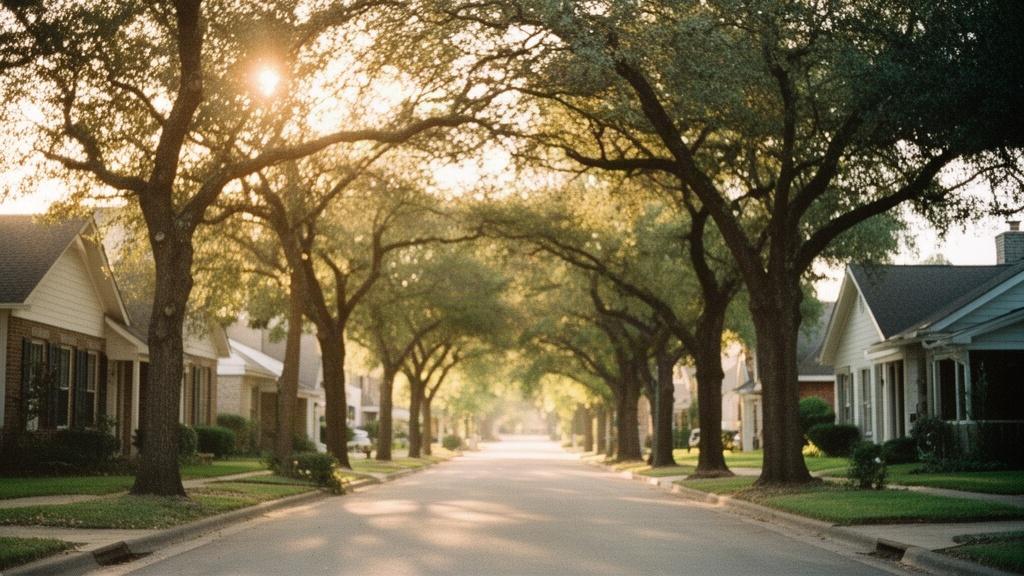
Homes along and near Lathrop Road span several decades of construction. You will find 1980s and 1990s single-story ranch-style homes on the older blocks, typically running 1,200 to 1,800 square feet on lots of 6,000 to 8,000 square feet. Moving toward the newer developments south of Lathrop Road and near the Austin Road area, homes built between 2005 and 2020 tend to be two-story, ranging from 1,800 to 2,800 square feet, with three-car garages and open floor plans that reflect the Central Valley builder standard of that era.
Townhomes and attached units exist in pockets closer to the commercial nodes along Lathrop Road itself, and these tend to attract buyers who commute to the Bay Area via the nearby Highway 120 on-ramp or the Altamont Corridor Express train service accessible from downtown Manteca. The mix of housing types means that pricing is not uniform across the corridor, and sellers need to be precise about which comparable sales actually apply to their specific block.
How Proximity to Commerce and Logistics Affects Value
The Lathrop Road corridor borders some of the largest logistics and distribution infrastructure in San Joaquin County. Warehousing and industrial facilities have expanded steadily along the Lathrop and Manteca border, which brings employment but also generates truck traffic on surface streets. Buyers who work in logistics, distribution, or related trades often specifically seek homes in this corridor for the short commute. However, buyers who prioritize quiet residential settings may weigh those traffic patterns more heavily, which is something sellers need to account for when setting expectations.
Retail access is strong here. The Spreckels Park area and the commercial strip along Lathrop Road itself put grocery stores, restaurants, and services within a short drive. The Bass Pro Shops complex and the Great Wolf Lodge resort nearby on Daniels Street have also elevated the profile of this part of Manteca in regional awareness, which can be a talking point when marketing a home to out-of-area buyers.
2. Pricing a Home in the Lathrop Road Corridor: What the Numbers Look Like
Pricing accurately is the single most important decision a seller makes in this corridor. Overprice by even five percent and you risk sitting on the market long enough for buyers to assume something is wrong with the property. The Manteca market citywide has a median home price in the range of $530,000 to $560,000 as of September 2026, but the Lathrop Road corridor shows a wider spread depending on age, size, and exact location relative to the commercial areas.
For a deeper look at citywide pricing context, the article on average home prices in Manteca in September 2026 provides a useful baseline before you zero in on corridor-specific comparables.
Current Price Ranges by Home Type
Older single-story homes in the corridor, typically built before 2000, with original kitchens and bathrooms, are generally trading in the $430,000 to $490,000 range in September 2026, depending on lot size and condition. Updated versions of those same floor plans, with remodeled kitchens, newer HVAC systems, and fresh exterior paint, are pushing into the $500,000 to $540,000 range.
Newer two-story homes of 2,000 to 2,400 square feet built in the 2010s are seeing sales in the $560,000 to $620,000 range when they are in good condition and show well. Larger homes above 2,500 square feet in the same vintage, particularly those with three-car garages and premium lots backing to open space or a greenbelt, have sold as high as $680,000 in the past twelve months. Attached townhomes and smaller patio homes closer to the Lathrop Road commercial strip are generally priced between $370,000 and $440,000.
How Buyers and Appraisers Are Reading This Market
Appraisers working in the Lathrop Road corridor are drawing comparables from a tight geographic radius, often within half a mile to a mile, because the housing stock changes character quickly as you move north toward downtown Manteca or east toward the newer master-planned communities like Woodbridge. Sellers sometimes make the mistake of using Woodbridge sales as their benchmark, but those homes carry a premium tied to that community's amenities and HOA infrastructure that does not transfer across the city.
Buyers in September 2026 are rate-sensitive. With 30-year fixed mortgage rates still elevated compared to the historic lows of 2020 and 2021, many buyers are calculating monthly payment first and purchase price second. A home priced at $549,000 with a motivated seller who will contribute toward a rate buydown often moves faster than a comparable home listed at $539,000 with no concessions. Sellers in this corridor who build flexibility into their pricing strategy from the start tend to close more cleanly.
3. The Selling Timeline: From Prep to Close in This Part of Manteca
A realistic timeline for selling a home in the Lathrop Road corridor runs approximately 60 to 90 days from the moment you start preparing to the day you hand over keys. That window breaks into three distinct phases, each with its own demands.
Pre-Listing Preparation
Plan on two to four weeks of preparation before your home goes live on the MLS. This phase includes a pre-listing walkthrough with your agent, minor repairs, deep cleaning, any cosmetic updates worth making, professional photography, and completion of your seller disclosures. In California, sellers are required to complete a Transfer Disclosure Statement, a Natural Hazard Disclosure report, and several other documents before or at the time of accepting an offer. Getting these done before you list prevents delays later.
Homes in the Lathrop Road corridor that show well from day one tend to receive their strongest offers in the first seven to fourteen days on market. Buyers and their agents track new listings closely, and a clean, well-photographed home priced accurately will generate showing activity within the first weekend. If you are also curious about how long homes across Manteca are sitting before going under contract right now, the article on days on market in Manteca in September 2026 gives broader context for the current pace.
Days on Market and Offer Activity
In September 2026, well-priced homes in this corridor are typically going under contract in 14 to 28 days. Homes that are overpriced at launch are averaging closer to 45 to 60 days before either accepting a reduced offer or having the seller make a price correction. That distinction matters because a price reduction after extended market time signals weakness to buyers, who then feel empowered to negotiate more aggressively.
The National Association of Realtors has covered how to navigate a listing price reduction without losing buyer confidence, and the guidance is consistent: price reductions work best when they are decisive rather than incremental. A single meaningful reduction of $15,000 to $20,000 resets buyer interest more effectively than three small cuts of $5,000 each over several weeks.
Escrow and Close
Once you accept an offer, California escrow periods in this price range typically run 21 to 30 days for conventional and FHA buyers, and 21 days or fewer for cash buyers. Inspections, appraisals, and loan underwriting all happen during this window. Sellers in the Lathrop Road corridor should budget for the possibility that an appraisal comes in at or slightly below the contract price, particularly if the market has softened since the most recent comparable sales.
Seller closing costs in California typically run between one and three percent of the sale price, covering title insurance, escrow fees, county transfer taxes, and any negotiated repairs or credits. On a $560,000 sale, that translates to roughly $5,600 to $16,800 in costs, not counting agent commissions. Understanding these numbers before you list helps you calculate your net proceeds accurately.
4. What Buyers in This Corridor Are Prioritizing Right Now
Understanding what buyers want in September 2026 helps you present your home in the right light and price it where it will actually sell. The Lathrop Road corridor attracts a specific buyer profile driven by practical considerations, and your marketing should speak to those priorities directly.
Commute Access and Freeway Proximity
Highway 120 access is a genuine selling point for homes in this corridor. Buyers commuting west to the Tri-Valley, Livermore, or the broader Bay Area can reach the Altamont Pass in roughly 20 to 25 minutes from most points along Lathrop Road, and the ACE train station in downtown Manteca adds a transit option for those commuting to San Jose or the South Bay. Buyers commuting north to Stockton or Sacramento view the Highway 99 connection via Airport Way or Main Street as similarly convenient.
When you write your listing description, specifics about drive times and freeway access are worth including. A buyer relocating from the Bay Area who is unfamiliar with Manteca's geography will respond to concrete information: 'two minutes to Highway 120' or 'four miles to the ACE station' communicates something a generic location description does not.
Lot Size, Garages and Practical Features
Buyers in this part of Manteca consistently prioritize storage, parking, and outdoor space. A three-car garage, RV access, or a large side yard commands a measurable premium over an otherwise identical home without those features. If your home has any of these, they should be front and center in your listing photos and description. Homes with covered patio areas and low-maintenance backyard landscaping also photograph well and tend to generate stronger initial interest.
Energy features matter increasingly to buyers who are calculating total cost of ownership. Solar panels, whether owned outright or on a favorable lease, are a selling point in the Central Valley's hot summers. If your home has a solar system, be prepared to provide documentation on the system size, production history, and whether it is owned or leased, since buyers and their lenders will ask.
New Construction Competition Nearby
Manteca has seen significant new construction activity in 2026, including developments on the southern and eastern edges of the city. These new homes offer builder warranties, modern floor plans, and the appeal of being first occupants, which creates real competition for resale sellers in the Lathrop Road corridor.
For a full picture of what is being built and where, the article on new housing developments in Manteca in 2026 outlines the active projects. Resale sellers compete by offering immediate move-in availability, established landscaping, larger lots than most new builds provide, and often a lower price per square foot once builder premiums are factored in. Knowing those differences helps you position your home's value clearly.
5. How to Position Your Home to Compete and Close
Selling a home in the Lathrop Road corridor in September 2026 requires a clear strategy, not just a sign in the yard. The sellers who close at or above their asking price are the ones who do the work upfront on pricing, condition, and agent selection.
Pricing Strategy in a Shifting Market
The Manteca market in 2026 is not the frenzied seller's market of 2021 and 2022. It is a more balanced environment where buyers have options and are willing to walk away from an overpriced listing. Strategic sellers who price at or slightly below the most recent comparable sales often generate multiple offer situations that push the final price back up. Sellers who price aspirationally and wait tend to end up negotiating down to a number they could have started at.
Inman has reported extensively on how sellers can find success in a shifting market by starting their planning early and pricing with discipline. The core principle applies directly here: sellers who treat pricing as a research exercise rather than a wish-list exercise consistently achieve better outcomes. That means looking at closed sales from the past 60 to 90 days within a half-mile radius, not at active listings or pending sales, which have not yet been tested by the market.
Presentation, Condition and Disclosures
In the Lathrop Road corridor, buyers are practical and detail-oriented. They notice deferred maintenance, and their inspectors will document it. Sellers who address known issues before listing, replacing a worn water heater, repairing a fence, fixing a leaking faucet, remove the negotiating leverage those items would otherwise hand to buyers during the inspection contingency period.
Professional photography is not optional in this market. Buyers start their search online, and a home with eight dark, cluttered photos will be skipped in favor of a home with twenty bright, well-composed images showing every room, the backyard, the garage, and the street view. If your home backs to anything worth showing, a drone photo can communicate that value instantly.
Complete your California disclosure package before you go live. Buyers who receive disclosures at the time of offer can make cleaner, faster decisions. Delays in disclosure delivery often lead to extended contingency periods or buyers backing out after they finally review the documents.
Choosing the Right Agent for This Corridor
The Lathrop Road corridor has enough nuance, older homes mixed with newer builds, commercial adjacency, logistics industry buyer demand, new construction competition, that it rewards working with an agent who knows this specific part of Manteca rather than one who treats all of San Joaquin County as interchangeable. The right agent will pull corridor-specific comparables, understand how to price around the commercial proximity, and know which buyer pool to target in their marketing.
If you are also weighing whether to sell now or hold, or thinking about what you would buy next in Manteca, the broader guide on selling a home in Manteca and the overview of the Manteca real estate market in 2026 provide useful context for both decisions.
FAQ
What is a realistic sale price for a home in the Lathrop Road corridor of Manteca right now?
As of September 2026, sale prices in the Lathrop Road corridor range from approximately $430,000 for older, smaller single-story homes in original condition up to $680,000 or more for larger two-story homes built in the 2010s with premium features. The median for the corridor falls roughly in the $520,000 to $580,000 range depending on square footage, condition, and exact location relative to the commercial areas along Lathrop Road. Homes that have been updated with modern kitchens, newer HVAC, and fresh exterior finishes consistently sell at the higher end of their size category. The best way to establish your specific home's value is through a comparative market analysis using closed sales from the past 60 to 90 days within a half-mile radius.
How long does it take to sell a home in the Lathrop Road corridor from start to finish?
The full process from pre-listing preparation through close of escrow typically runs 60 to 90 days in this corridor. Pre-listing preparation, including repairs, staging, photography, and disclosure completion, takes two to four weeks. Well-priced homes are going under contract in 14 to 28 days on market in September 2026, while overpriced homes are averaging 45 to 60 days before receiving acceptable offers. California escrow periods for conventional and FHA buyers typically run 21 to 30 days after an offer is accepted. Sellers who complete their disclosures before listing and address known repair items in advance tend to move through escrow more smoothly and with fewer delays.
Does being close to the warehousing and logistics areas near Lathrop Road affect my home's value?
Proximity to the logistics and distribution infrastructure along the Lathrop and Manteca border is a factor that buyers weigh differently depending on their priorities. Some buyers, particularly those who work in logistics, distribution, or related industries, actively seek homes in this corridor for the short commute, which can support demand and pricing. Other buyers may be more sensitive to truck traffic on surface streets and will factor that into their offer. The key for sellers is accurate pricing that reflects the specific location within the corridor, since homes on quieter residential streets set back from the main commercial activity generally command a modest premium over those directly adjacent to high-traffic commercial frontage. A local agent with specific knowledge of this corridor can help you understand where your home sits in that range.