← Back to Blog
Neighborhoods
Cedar Hill, Texas: The Uptown Village Area Real Estate Market Guide — Prices, Neighborhoods and Timing
By LaMonica Birmingham
September 5, 2026 · 11 min read
If you are researching the Uptown Village area of Cedar Hill, Texas, you have landed in the right place. This guide covers everything buyers, sellers, and relocating households need to know: current price ranges, the housing stock surrounding the Uptown Village corridor, commute realities, and how to read the September 2026 market so you can move at the right time.
1. What Is the Uptown Village Area of Cedar Hill, Texas?
Uptown Village is Cedar Hill's primary retail and mixed-use hub, anchored along US Highway 67 near Uptown Boulevard. The development stretches across several hundred acres and functions as the commercial center of the city, bringing together big-box retail, restaurants, specialty shops, medical offices, and entertainment under one walkable outdoor layout. For real estate purposes, the "Uptown Village area" refers to the residential neighborhoods that sit within roughly one to three miles of this corridor, mostly to the north, east, and west of the shopping center itself.
The Physical Footprint
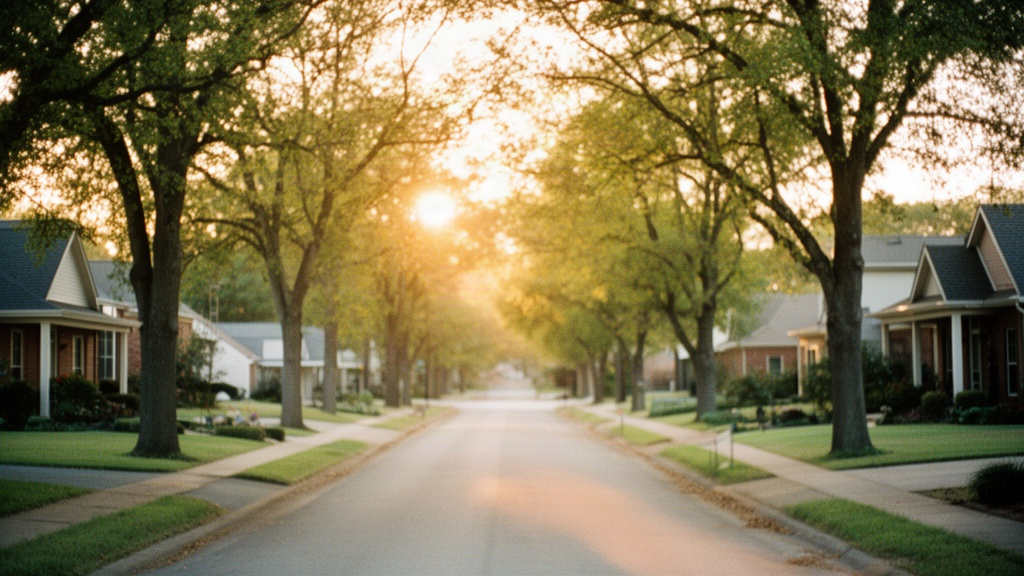
Uptown Village sits at the intersection of US-67 and Uptown Boulevard, roughly in the geographic center of Cedar Hill's developed area. The neighborhoods immediately adjacent include subdivisions that were built primarily between the late 1990s and the mid-2010s, with a mix of established tree-lined streets and newer infill development. Cedar Hill Road and Belt Line Road form two of the main cross-streets that connect these neighborhoods to the Uptown Village district. The residential streets feeding into this area are mostly low-traffic, curving through gently rolling terrain that is characteristic of Cedar Hill's position along the Escarpment of the Balcones Fault Zone.
What Draws People to This Corridor
Proximity to Uptown Village means daily errands, dining, and services are genuinely close. Target, Best Buy, Kohl's, Cinemark, and dozens of restaurants are all within the Uptown Village footprint, so residents living nearby rarely need to leave Cedar Hill for routine needs. That convenience, combined with relatively shorter drives to US-67 on-ramps heading toward Dallas, makes the corridor one of the more logistically practical parts of the city. For buyers who want suburban square footage without sacrificing access to retail and services, the Uptown Village area is worth a close look.
2. Current Home Prices Near Uptown Village in September 2026
Home prices in the Uptown Village area of Cedar Hill currently range from the low $300,000s for smaller, older single-family homes to the mid-$500,000s for larger, updated properties on premium lots. The most active price band right now sits between $330,000 and $430,000, where the majority of three-bedroom and four-bedroom homes in established subdivisions are trading. For a deeper look at how these figures fit into Cedar Hill's broader pricing picture, the full breakdown is available in the average home price guide for Cedar Hill in September 2026.
Price Ranges by Home Type
Three-bedroom homes near Uptown Village: Most three-bedroom properties in the immediate vicinity of the Uptown Village corridor are priced between $310,000 and $380,000 as of September 2026. These homes typically range from 1,600 to 2,200 square feet and were built between 1998 and 2012. Condition and updates matter significantly at this price point; a home with an updated kitchen and roof replacement will move faster and command a premium of $15,000 to $30,000 over a comparable home in original condition.
Four-bedroom homes near Uptown Village: Four-bedroom properties in this corridor are currently priced from roughly $375,000 to $490,000, depending on square footage, lot size, and finish level. Homes with bonus rooms, three-car garages, or backing to a greenbelt tend to hold at the upper end of that range. Square footage in this category generally runs from 2,200 to 3,200 square feet.
Larger and updated homes: Properties with five bedrooms, over 3,200 square feet, or significant recent renovations are trading in the $490,000 to $560,000 range near Uptown Village. These represent the upper tier of the immediate area and tend to attract buyers who want more space without moving into Cedar Hill's more rural eastern sections.
How Prices Here Compare to the Broader Cedar Hill Market
The Uptown Village area prices closely track the Cedar Hill citywide median, which sits around $360,000 to $380,000 in September 2026. Neighborhoods along the Belt Line Road corridor, covered separately in the Belt Line Road real estate market guide, tend to skew slightly lower on average because they include more older housing stock. The Uptown Village area benefits from newer construction mixed in with established neighborhoods, which keeps its price floor slightly higher.
Texas statewide inventory has risen sharply over the past two years. According to reporting from HousingWire, Texas housing inventory jumped roughly 40% while prices remained largely flat. Cedar Hill has followed that pattern: more choices for buyers, but sellers who price correctly are still closing deals without deep concessions.
3. The Housing Stock Around Uptown Village
The residential areas surrounding Uptown Village are predominantly single-family subdivisions built in three distinct waves: the late 1990s, the mid-2000s, and the 2010s. Each wave brought slightly different architectural styles and floor plan trends, which means buyers today can find a range of layouts within a small geographic radius.
Single-Family Homes
Brick construction dominates the area, consistent with DFW suburban building norms from the 1990s onward. Most homes near Uptown Village feature full or partial brick exteriors, two-car attached garages, and covered back patios. Interior layouts from the late 1990s and early 2000s tend toward formal living and dining rooms plus a separate family room, while homes built after 2010 more often feature open-concept great rooms. Buyers who prefer traditional room separation will find more options in the older inventory; buyers who want open layouts will gravitate toward the newer builds.
Cedar Hill's terrain adds a feature you do not see in flatter DFW suburbs: elevation changes and wooded lots. Some properties near the Uptown Village area back to cedar-covered slopes or drainage greenbelts, which creates natural privacy buffers between homes. These lots typically command a modest premium over interior subdivision lots with fence-to-fence neighbors.
Townhomes and Attached Housing
Attached and townhome-style housing near Uptown Village is limited but present, particularly in smaller patio-home communities developed in the 2000s. These properties typically run 1,400 to 1,800 square feet and are priced from the mid-$200,000s to the low $300,000s, making them one of the more accessible entry points into the Uptown Village area. Exterior maintenance is often handled through a homeowners association, which appeals to buyers who travel frequently or prefer lower upkeep.
Lot Sizes and Architecture
Lot sizes near Uptown Village range from roughly 6,000 square feet for patio-home and smaller subdivision lots to over 12,000 square feet for properties in less-dense sections. Homes built in the early 2000s on larger lots often have mature landscaping, established trees, and more generous setbacks than newer infill construction. Architecturally, you will see a mix of traditional two-story colonials, single-story ranch plans, and split-level designs that take advantage of Cedar Hill's natural grade changes.
4. Market Timing: When to Buy or Sell Near Uptown Village
September 2026 is a balanced market in the Uptown Village area: inventory is higher than it was two years ago, but well-priced homes are still moving within 30 to 60 days. Neither buyers nor sellers hold a decisive advantage right now, which means preparation and pricing accuracy matter more than they did in the frenzied 2021 to 2022 period.
Inventory Conditions Right Now
Active listings near Uptown Village have increased meaningfully compared to September 2025, giving buyers more options and more negotiating room than they had during the low-inventory years. Homes that sit on the market for more than 45 days are typically either overpriced or have a condition issue that needs addressing. Days-on-market data is one of the clearest signals of how a specific street or price band is performing, and that data shifts block by block in Cedar Hill. For a full look at how long homes are taking to sell citywide, the Cedar Hill days-on-market guide breaks it down by price range.
What Sellers Should Know
Sellers near Uptown Village who price within 2 to 3 percent of true market value are still receiving reasonable offers within the first two to three weeks of listing. Overpricing by even 5 percent in this market leads to extended days-on-market, which then triggers buyer skepticism about what is wrong with the property. Presentation also matters: homes with fresh interior paint, professional photos, and clean landscaping are consistently outperforming neighbors that skip those steps. For a full walkthrough of what the selling process looks like in Cedar Hill right now, the Cedar Hill home selling guide covers pricing strategy, timeline, and what to expect at closing.
Property taxes are a frequent topic for sellers because buyers factor them into monthly payment calculations. Cedar Hill sits in both Dallas County and Ellis County, depending on the specific address, and the combined tax rates vary between those jurisdictions. The detailed comparison of Cedar Hill property tax rates against nearby cities is covered in the Cedar Hill property tax comparison guide.
What Buyers Should Know
Buyers near Uptown Village in September 2026 have more leverage than at any point since 2019. That does not mean sellers are desperate, but it does mean buyers can negotiate on price, ask for closing cost contributions, and request repairs without automatically losing the deal to a competing offer. The key is moving quickly when a well-priced home appears: the best-priced properties in this area still attract multiple showings in the first weekend.
Getting pre-approved before you start touring homes near Uptown Village is not optional in this market. Sellers expect to see a pre-approval letter with any offer, and without one your offer will not be taken seriously even if the price is right. The full step-by-step process for buying in Cedar Hill, including what pre-approval involves and what closing costs to budget for, is outlined in the Cedar Hill home buying guide.
5. Commutes, Amenities, and Day-to-Day Living Near Uptown Village
Living near Uptown Village means you are well-positioned for both daily errands and regional commutes. US Highway 67 is the primary artery connecting Cedar Hill to the greater Dallas area, and the Uptown Village corridor sits directly on that route, giving residents close access to the on-ramps heading northeast toward Dallas.
Getting to Dallas and DFW
The drive from the Uptown Village area to downtown Dallas via US-67 covers approximately 20 to 22 miles. During non-peak hours the trip takes around 25 to 30 minutes. During morning rush hour heading into Dallas, the same drive can stretch to 45 to 60 minutes, depending on the specific departure time and conditions on the I-20 interchange. Drivers heading to DFW International Airport travel roughly 35 to 40 miles and should budget 40 to 55 minutes outside of peak congestion. The full rush-hour commute breakdown from Cedar Hill to downtown Dallas is detailed in the Cedar Hill to Dallas commute guide.
For commuters who work in Duncanville, DeSoto, or Mansfield, the Uptown Village area is particularly well-located. Those cities are all within 10 to 20 minutes of Cedar Hill via US-67, FM 1382, or FM 664, making the Uptown Village area a practical base for workers spread across the southwest DFW employment corridor.
Shopping, Dining, and Services at Uptown Village
Uptown Village itself is one of the largest open-air retail centers in the southwest DFW suburbs, with over 80 tenants as of 2026. Anchor tenants include Target, Best Buy, Kohl's, and Cinemark 17, supplemented by a full roster of casual dining restaurants, fast-casual chains, and specialty retailers. Medical offices and urgent care clinics are also located within or immediately adjacent to the center, so routine healthcare needs are walkable or a very short drive for residents in the nearby subdivisions.
Grocery access near Uptown Village is strong. An H-E-B opened in Cedar Hill in recent years and has become a significant draw, sitting within a short drive of the Uptown Village corridor. Walmart Supercenter and additional grocery options are also close. Residents rarely need to travel outside Cedar Hill for routine household shopping.
Parks and Outdoor Space Nearby
Cedar Hill State Park is one of the most significant outdoor amenities in the entire southwest DFW region, and it sits just a few miles from the Uptown Village area. The park covers over 1,800 acres along Joe Pool Lake, offering hiking and mountain biking trails, fishing piers, boat ramps, and campgrounds. Penn Farm Agricultural History Center is located within the park and provides a look at the area's rural heritage. For residents who prioritize outdoor access, proximity to Cedar Hill State Park is one of the most tangible geographic advantages of living in this part of the city.
Closer to the Uptown Village corridor, Cedar Hill has several municipal parks with athletic fields, walking paths, and playgrounds. Zula B. Wylie Public Library is also located near the Uptown Village area, adding a civic anchor to the neighborhood fabric. The combination of a major state park nearby and functional municipal green space within the subdivisions gives this part of Cedar Hill a more outdoor-oriented character than many comparable DFW suburbs.
FAQ
What price range should I expect when buying a home near Uptown Village in Cedar Hill, Texas in September 2026?
The most active price range near Uptown Village in September 2026 is $330,000 to $430,000 for three-bedroom and four-bedroom single-family homes. Smaller or older properties can be found in the low $300,000s, while larger updated homes with five bedrooms or premium lots push into the $490,000 to $560,000 range. Patio homes and smaller attached properties offer entry points from the mid-$200,000s. Prices have held relatively flat compared to 2025, so buyers are not facing the rapid appreciation pressure of earlier years. Working with a local agent who tracks this specific corridor will give you the most accurate picture of what a specific home is worth before you make an offer.
How long does it take to sell a home near Uptown Village in Cedar Hill right now?
In September 2026, homes near Uptown Village that are priced accurately are typically going under contract within 20 to 45 days of listing. Homes that are overpriced by even a small margin tend to sit longer, often 60 days or more, which can signal to buyers that something is wrong with the property even when the only issue is the price. Preparation matters: homes with fresh paint, professional photography, and clean landscaping consistently outperform neighbors that skip those steps. Sellers who work with an experienced local agent to set the right list price from day one are seeing the best outcomes in this market.
Is the Uptown Village area of Cedar Hill a good location for commuters who work in Dallas?
The Uptown Village area sits directly on US Highway 67, which is the main artery connecting Cedar Hill to Dallas. The drive to downtown Dallas covers roughly 20 to 22 miles and takes 25 to 30 minutes outside of rush hour. During peak morning commute hours heading into Dallas, the trip can stretch to 45 to 60 minutes depending on conditions at the I-20 interchange. Commuters heading to DFW Airport should budget around 40 to 55 minutes for the approximately 35 to 40-mile drive. Workers with jobs in Duncanville, DeSoto, or Mansfield have even shorter drives, often 10 to 20 minutes via connecting highways.