← Back to Blog
Market Trends
The Olmos Park, Texas Area Real Estate Market Guide: Prices, Neighborhoods and Timing
By Lisa Reyna
Option One Real Estate
September 19, 2026 · 12 min read
Olmos Park is one of the most closely watched real estate markets in the greater San Antonio area, and for good reason. This guide covers everything you need to know about prices, neighborhood character, housing stock, and timing, whether you are buying, selling, or relocating to the Olmos Park, Texas area and want the most experienced perspective possible.
1. What Makes Olmos Park a Distinct Real Estate Market
Olmos Park is its own incorporated city, not a neighborhood inside San Antonio. That distinction matters enormously in real estate. Olmos Park sits entirely within the boundaries of San Antonio, surrounded by the 78209 and 78212 zip codes, yet it operates under its own city government, maintains its own public works, and enforces its own development codes. The city covers roughly 0.6 square miles, making it one of the smallest municipalities in Bexar County by land area, but one of the most densely valuable by price per square foot.
A City Within a City
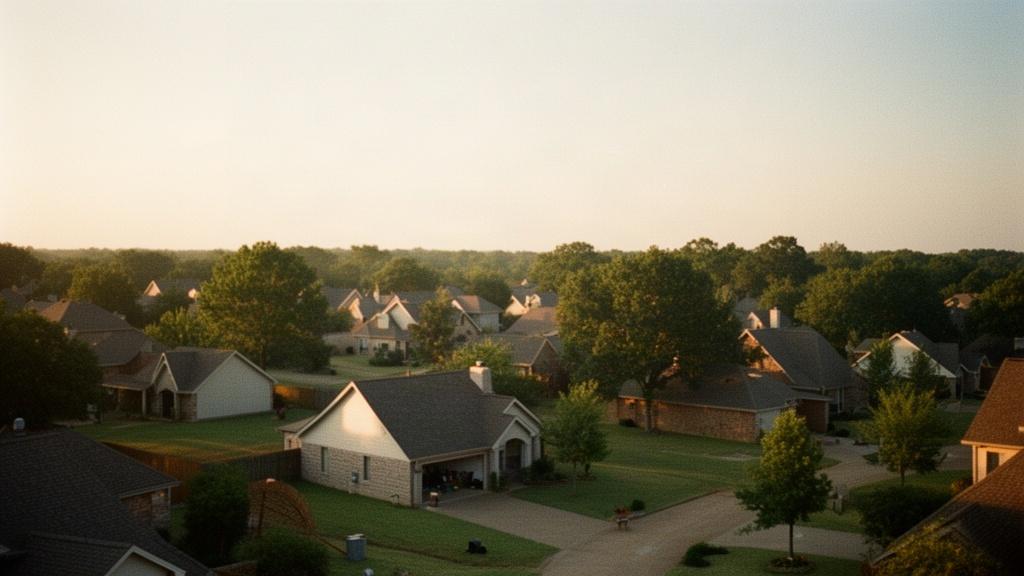
Olmos Park was incorporated in 1939, and that long history shapes how real estate works here today. Because the city controls its own zoning independently of San Antonio, large-scale apartment development and commercial encroachment have largely been kept out. The result is a residential enclave that has retained its original scale and density for decades. Buyers who want a home in this pocket of San Antonio are competing for a genuinely limited supply of properties.
Housing Stock and Architecture
The housing stock in Olmos Park skews toward mid-century and earlier construction, with many homes built between the 1920s and 1960s. You will find Tudor Revival cottages, Spanish Colonial Revival homes, and traditional brick ranch houses on the same block. Some properties have been fully renovated with open floor plans and updated kitchens while retaining original hardwood floors and arched doorways. Others remain largely original, which creates opportunity for buyers willing to take on a renovation project. New construction is rare here because the city is fully built out and lot splits are tightly controlled.
Lot Sizes and Land Value
Lot sizes in Olmos Park typically range from about 6,000 square feet to just over 15,000 square feet, with larger parcels occasionally appearing along the edges of the Olmos Basin. Land in this market carries a meaningful premium because supply is fixed. When a property sells here, buyers are often paying as much for the address and the land as for the structure itself. That dynamic makes Olmos Park real estate behave differently from suburban San Antonio markets, where land is more abundant and home values are driven primarily by the structure.
2. Olmos Park Real Estate Prices: What the Numbers Show in 2026
As of September 2026, median home prices in Olmos Park sit in the range of $750,000 to $900,000, depending on condition, square footage, and lot size. That figure represents a significant premium over the broader San Antonio metro median, which hovers closer to $310,000 to $340,000 at the same point in time. The gap between Olmos Park and the metro average has widened over the past several years as demand for close-in, architecturally significant homes has outpaced supply.
Median Home Prices and Price Per Square Foot
Price per square foot in Olmos Park currently runs between $280 and $420, with fully renovated homes on larger lots pushing toward the top of that band. Original-condition homes or those needing significant updating tend to land in the $250 to $300 per square foot range, which still represents strong value relative to what those homes would cost to replicate. Home sizes typically range from about 1,400 square feet for smaller cottages to over 3,500 square feet for the larger estate-style properties near the Olmos Basin.
For a broader look at how Olmos Park appreciation trends have developed over time, NeighborhoodScout's Olmos Park market data provides historical appreciation rate comparisons that are worth reviewing if you want to understand how this market has performed relative to national averages.
How Olmos Park Compares to Surrounding Areas
Alamo Heights, which borders Olmos Park to the north and east, carries a similar price profile, with medians generally in the $600,000 to $850,000 range depending on the street and condition. Terrell Hills, another small incorporated city nearby, sits in a comparable range. These three municipalities, Olmos Park, Alamo Heights, and Terrell Hills, collectively form what many local buyers and agents refer to informally as the "09 cities," named for the 78209 zip code that anchors the area. Properties in this cluster trade at a consistent premium to the broader San Antonio market, and that premium has proven durable across multiple market cycles.
If you are also evaluating the broader San Antonio market alongside Olmos Park, the San Antonio, Texas real estate market guide on this site covers metro-wide pricing, inventory trends, and timing in detail.
What Drives Price Premiums Here
Three factors consistently push Olmos Park prices above surrounding zip codes: scarcity, architecture, and location. With fewer than 700 single-family homes in the entire city, turnover is low and competition is high when a desirable property hits the market. The architectural character of the homes is genuinely difficult to replicate in new construction at any price. And the location, roughly four miles north of downtown San Antonio and within minutes of the Pearl District, Brackenridge Park, and the San Antonio Museum of Art, makes Olmos Park one of the most centrally positioned residential addresses in the metro.
3. Neighborhood Features, Amenities and Commute Context
Olmos Park's physical setting is one of its defining characteristics. The Olmos Basin, a natural flood control and green space corridor managed by the San Antonio River Authority, runs along the western and southern edges of the city. This basin provides a buffer of open land that gives many Olmos Park streets a park-like feel unusual for a densely urban location. Walking paths through the basin connect to Brackenridge Park, which covers over 340 acres and includes the San Antonio Zoo, the Japanese Tea Garden, and the Brackenridge Eagle miniature train.
Parks, Green Space and the Olmos Basin
The Olmos Basin Park itself offers a multi-use trail system, open fields, and a disc golf course, all accessible on foot from most streets in the city. Residents of Olmos Park can reach the basin's trail network in under ten minutes on foot from virtually any address in the city. This access to structured green space within a dense urban setting is a meaningful feature that buyers consistently cite when explaining their interest in the area.
Proximity to Major San Antonio Destinations
From Olmos Park, downtown San Antonio is roughly 4 to 5 miles south via Broadway Street or US-281, a drive that takes 10 to 20 minutes depending on traffic. The Pearl District, one of San Antonio's most active mixed-use destinations with the Hotel Emma, the Pearl Farmers Market, and dozens of restaurants, sits about 2 miles south and is reachable in under 10 minutes. The University of Texas at San Antonio's downtown campus and the South Texas Medical Center are both within a 15 to 25 minute drive. San Antonio International Airport is approximately 6 miles north via US-281, typically a 15 to 20 minute drive outside of peak hours.
Shopping, Dining and Daily Errands
Olmos Park itself has a small commercial strip along McCullough Avenue and Olmos Drive, with local restaurants and specialty shops. Broadway Street, which runs along the eastern edge of the area, connects residents to the Alamo Heights commercial corridor, including H-E-B grocery stores, Trader Joe's, and a dense concentration of locally owned restaurants and boutiques. Quarry Market, an open-air shopping center built on the site of a former cement quarry, is about 3 miles away and includes national retailers alongside dining options.
4. Timing the Olmos Park Market: When to Buy and When to Sell
Timing in Olmos Park is shaped by the same seasonal rhythms as greater San Antonio, but the low inventory here amplifies the effect of those cycles. Because fewer than 20 to 30 homes typically change hands in Olmos Park in any given year, a single well-priced listing can shift the month's statistics noticeably. Buyers and sellers both need to understand that this is a thin market where individual transactions carry more weight than they would in a higher-volume zip code.
Seasonal Patterns in Olmos Park
Spring, specifically March through June, is consistently the most active listing season in Olmos Park, mirroring the broader San Antonio market. Sellers who list in this window benefit from the largest pool of active buyers. Summer activity remains moderate. The fall months, September through November, represent a secondary window of activity as buyers who missed spring listings re-enter the market. December and January are the quietest months, with fewer listings and fewer competing buyers, which can create opportunity for motivated purchasers willing to act during the slower season.
Inventory Levels and Days on Market
As of September 2026, active inventory in Olmos Park remains tight, with typically fewer than 10 homes listed at any given time. Well-priced, move-in-ready homes in this market have been going under contract in 15 to 30 days. Properties that need significant updating or that are priced above recent comparable sales can sit for 60 to 90 days or longer before receiving offers. The spread between those two scenarios underscores how much condition and pricing strategy matter in a market this small.
For context on how the broader San Antonio market has shifted recently, the article on whether the San Antonio housing market has slowed provides useful metro-level data that helps frame what is happening specifically in close-in markets like Olmos Park.
What Buyers and Sellers Should Watch Right Now
In September 2026, mortgage rates remain a meaningful variable for buyers in every price range, including Olmos Park. At the price points common here, a one-percentage-point change in rate translates to roughly $400 to $600 per month in payment difference on a typical Olmos Park purchase. Sellers, meanwhile, should note that buyers at this price point tend to be experienced, well-financed, and highly informed. Overpricing relative to recent comparable sales will not generate the same kind of speculative offers it might have in 2021 or 2022; buyers in this bracket do their homework.
Sellers considering Olmos Park or the surrounding Alamo Heights area should also review the detailed breakdown in the guide to selling a home in Alamo Heights, which covers pricing methodology, preparation timelines, and what to expect during the transaction process in this specific submarket.
5. Practical Steps for Buying or Selling in Olmos Park
Succeeding in the Olmos Park real estate market requires preparation that goes beyond what most buyers and sellers need in higher-volume San Antonio submarkets. Because homes trade infrequently and competition can move quickly when a desirable property appears, both sides of a transaction need to be ready before the opportunity arrives.
For Buyers: How to Compete in a Low-Inventory Market
Get fully underwritten pre-approval, not just a pre-qualification letter, before you begin touring homes. Sellers in Olmos Park are sophisticated and will not take an offer seriously without strong financing documentation. Know your target streets and price range before inventory appears, because the best properties here can receive multiple offers within days of listing. Consider working with an agent who has existing relationships in the area; some Olmos Park transactions happen before a home ever reaches the MLS.
Be prepared to make decisions on a compressed timeline. If you need several weeks to deliberate, a well-priced Olmos Park home will likely be under contract before you are ready. Buyers who succeed here tend to have done most of their due diligence on the neighborhood, the price range, and their financing before they ever schedule a showing. This is not a market where casual browsing converts easily into a purchase.
For Sellers: Pricing and Presentation Strategy
Pricing in Olmos Park requires careful analysis of a very small set of comparable sales, often fewer than five or six true comps in the past six months. Each sale in this market carries significant weight because the pool of data points is so limited. Sellers should work with an agent who understands how to account for differences in lot size, renovation level, architectural style, and street position when setting a list price. Overpricing by even 5 to 8 percent in this market can result in extended days on market, which signals weakness to the experienced buyers who follow this zip code closely.
Presentation matters more here than in many other San Antonio markets. Buyers at this price point expect professional photography, detailed floor plans, and accurate disclosures prepared in advance. Homes that show well and are priced correctly tend to generate strong initial interest. The first two weeks on market are the most valuable window; a well-executed launch strategy can mean the difference between a competitive offer situation and a prolonged negotiation.
The complete guide to selling a home in San Antonio covers the broader timeline and process in detail, including what to expect from offer through closing in the current market environment.
Working With a Local Expert
The Olmos Park market rewards agents and buyers who have specific, current knowledge of this submarket. An agent who primarily works in suburban San Antonio developments will not have the comparable sales depth, the neighborhood relationships, or the pricing intuition that this market requires. Look for an agent who can cite specific recent sales on Olmos Park streets, who understands the city's independent zoning rules, and who can advise you on the nuances of older home construction that are common here, including foundation types, original plumbing materials, and the implications of historic-style construction for insurance and renovation costs.
For buyers relocating to San Antonio who are considering Olmos Park alongside other close-in options, the relocating to San Antonio guide provides a broader orientation to the metro's different areas, price points, and commute patterns that can help you place Olmos Park in context before you start touring.
For additional background on the Olmos Park market's historical trends and neighborhood character, the Olmos Park real estate trends overview from LRG Realty offers useful context on how this market has evolved over time.
FAQ
What is the typical price range for homes in Olmos Park, Texas in 2026?
As of September 2026, most homes in Olmos Park sell in the $700,000 to $950,000 range, with price per square foot running between approximately $280 and $420 depending on condition and lot size. Fully renovated homes on larger lots near the Olmos Basin tend to command the highest prices, while original-condition properties offer entry points closer to the lower end of that range. The median sits noticeably above the broader San Antonio metro median of roughly $310,000 to $340,000, reflecting the scarcity and architectural character of the housing stock here. Buyers should expect limited inventory and should be prepared to move quickly when a property in their target range appears.
How does buying a home in Olmos Park differ from buying elsewhere in San Antonio?
Olmos Park is an independent incorporated city with its own zoning and development codes, which means it operates under different rules than properties inside San Antonio proper. The housing stock is older, primarily built between the 1920s and 1960s, which means buyers need to budget for potential renovation costs and should conduct thorough inspections covering foundations, plumbing, electrical systems, and roofing. Inventory is extremely limited, with fewer than 30 homes typically changing hands in an entire year, so buyers cannot afford to be passive. Pre-approval documentation needs to be complete and current before you begin seriously touring, and decision timelines are often compressed to days rather than weeks. Working with an agent who has specific experience in this submarket is more important here than in higher-volume parts of San Antonio.
When is the best time to sell a home in Olmos Park, Texas?
Spring, from March through June, consistently produces the largest pool of active buyers in Olmos Park and across greater San Antonio, making it the strongest window for sellers who want maximum exposure. However, because Olmos Park trades so few homes per year, a well-priced and well-presented property can sell successfully in any season. The fall months of September through November represent a secondary active period as buyers who missed spring listings return to the market. Sellers should focus less on picking the perfect month and more on pricing accuracy and preparation, because in a market this small, overpricing or poor presentation will cost you more than timing ever will. Consulting with a local agent who tracks Olmos Park specifically, rather than relying on metro-wide seasonal data, will give you the most accurate guidance.