← Back to Blog
Neighborhoods
The Ridglea Hills Neighborhood of Fort Worth Real Estate Market Guide: Prices, Neighborhoods and Timing
By Madison Mitchell
TK Realty
September 20, 2026 · 11 min read
The Ridglea Hills neighborhood of Fort Worth real estate market guide covers everything buyers, sellers, and relocating households need to know right now: what homes cost, what the streets look like, how the market is moving in September 2026, and how to time a purchase or sale for the best outcome. Ridglea Hills sits on the southwest side of Fort Worth, roughly three miles from the TCU campus and about six miles from downtown, and it offers a distinct housing stock that sets it apart from most other mid-city Fort Worth neighborhoods.
1. What Makes Ridglea Hills Distinct Inside Fort Worth
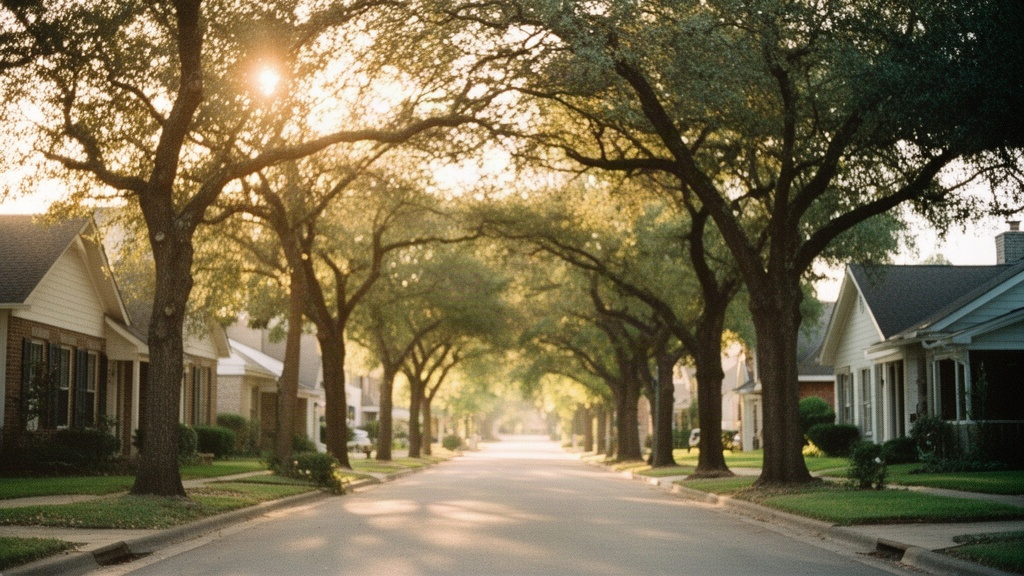
Ridglea Hills is one of the more architecturally cohesive neighborhoods on Fort Worth's southwest side. Unlike newer subdivisions built to a single template, Ridglea Hills developed mostly between the late 1940s and the mid-1960s, which means the streets hold a genuine mix of ranch-style homes, traditional brick cottages, and a smaller number of split-levels and mid-century moderns. The result is a neighborhood where nearly every block looks a little different from the one before it.
Location and Street Layout
Ridglea Hills is bounded roughly by Camp Bowie Boulevard to the north, Ridglea Country Club to the west, Vickery Boulevard to the south, and Hulen Street to the east. Camp Bowie is one of Fort Worth's main commercial corridors, which puts grocery stores, restaurants, and retail within a short drive or even a walkable distance for many Ridglea Hills addresses. Hulen Street connects the neighborhood directly to the Hulen Mall area and to I-20, making south and southwest access straightforward.
The interior streets curve and roll with the terrain, which gives the neighborhood its name. Ridges and gentle slopes mean many lots have natural grade changes, and a number of homes sit elevated above the street with views across the surrounding canopy. Streets like Ridglea Drive, Ridgmar Boulevard, and Crestline Road are among the addresses buyers ask about most frequently.
Housing Stock and Architecture
Most homes in Ridglea Hills were built between 1948 and 1968, with the heaviest concentration in the 1950s. Brick exteriors dominate the neighborhood, which is typical of mid-century Fort Worth construction and contributes to the area's visual consistency. Square footage typically runs from about 1,400 square feet on the smaller end to around 3,200 square feet for the larger homes, with the majority of the stock landing in the 1,700 to 2,400 square foot range.
Renovation activity in Ridglea Hills has been steady over the past decade. Many homes have been updated with open floor plans, modern kitchens, and expanded primary suites while keeping original details like hardwood floors, arched doorways, and brick fireplaces. Buyers looking for move-in-ready homes will find them here, but there are also unrenovated properties that offer room to customize at a lower entry price.
Lot Sizes and Outdoor Space
Lot sizes in Ridglea Hills are notably generous by inner Fort Worth standards. Most parcels run between 8,500 and 14,000 square feet, and corner lots or those on the outer edges of the neighborhood occasionally exceed 15,000 square feet. Mature oak, pecan, and elm trees are common throughout, and many backyards have enough depth to accommodate pools, outdoor kitchens, or detached garages without feeling crowded.
2. Ridglea Hills Home Prices in September 2026
Home prices in Ridglea Hills currently sit in a range that reflects both the neighborhood's established character and the broader Fort Worth market conditions in September 2026. Buyers will find a meaningful spread depending on renovation status, lot size, and exact location within the neighborhood. For a broader picture of how Fort Worth pricing has moved this year, the Fort Worth real estate market guide for buyers and sellers provides useful citywide context.
Median and Average Price Points
As of September 2026, the median sale price for homes in the Ridglea Hills area runs approximately $485,000 to $530,000. Unrenovated homes in original condition tend to close in the $380,000 to $440,000 range, while fully updated properties with modern kitchens, new mechanical systems, and expanded square footage regularly close between $550,000 and $700,000. A small number of extensively renovated or expanded homes on larger lots have traded above $750,000 in recent months.
These figures place Ridglea Hills above the citywide Fort Worth median but below the price points found in Westover Hills or the most premium pockets of the TCU area. For buyers coming from markets like Dallas or Austin, Ridglea Hills often represents a meaningful value for the combination of lot size, construction quality, and proximity to central Fort Worth amenities.
Price Per Square Foot
Price per square foot in Ridglea Hills currently ranges from roughly $215 per square foot for unrenovated homes to $290 or more per square foot for fully updated properties. The wide spread reflects how dramatically renovation status affects value in a neighborhood where the underlying bones are solid but the finishes vary enormously from one home to the next. Buyers evaluating price per square foot should also account for lot value, since a 12,000-square-foot lot with mature trees carries meaningful value beyond the structure itself.
How Prices Have Moved
Ridglea Hills pricing has held steadier than some other Fort Worth neighborhoods through the interest rate adjustments of the past two years. The neighborhood's limited new construction, combined with consistent demand from buyers who specifically want mid-century brick homes on larger lots, has kept values from the kind of volatility seen in newer suburban subdivisions. Year-over-year appreciation in this pocket of southwest Fort Worth has run in the low to mid single digits in 2026, which is in line with the broader Fort Worth pattern described in current Fort Worth housing market trend analysis.
3. The Ridglea Hills Real Estate Market: Inventory, Demand and Timing
The Ridglea Hills neighborhood of Fort Worth operates with a relatively thin inventory at any given time, which shapes both buyer strategy and seller expectations. Because the neighborhood is geographically defined and built out, the number of homes available at once rarely exceeds a dozen or so active listings, and in slower months it can drop to just a handful.
Current Inventory Conditions
In September 2026, available inventory in Ridglea Hills is lean, with typically four to eight active listings at any point during the month. This is consistent with the tighter supply picture across southwest Fort Worth that has characterized the market for most of this year. Buyers who are waiting for a large selection to appear before making a move are likely to be disappointed; the neighborhood simply does not turn over at high volume. Setting up an alert and being prepared to act within days of a new listing is a practical necessity here.
For a broader look at how inventory levels across Fort Worth have shifted in 2026, the article on housing inventory levels and whether it is still a sellers market provides citywide data that helps put the Ridglea Hills picture in context.
Days on Market
Well-priced, updated homes in Ridglea Hills are currently going under contract in roughly seven to eighteen days. Homes that need significant work, are priced above recent comparable sales, or have deferred maintenance issues are sitting longer, sometimes thirty to sixty days, before sellers adjust. The gap between a correctly priced listing and an overpriced one is wide right now, which makes accurate pricing the single most important variable for sellers.
Best Time to Buy or Sell
Ridglea Hills sees its highest listing activity in the spring, typically March through May, when sellers list ahead of the summer move season. For buyers, this means more choices but also more competition. Fall listings, including those coming to market right now in September 2026, tend to attract buyers who are serious and working with a specific timeline, which can mean less competition and more room for negotiation on price or terms. Sellers who list in September and October are often dealing with motivated, pre-approved buyers rather than casual browsers.
For sellers specifically, the current moment rewards preparation. Homes that are clean, well-staged, and photographed professionally are outperforming those that are not, even in a low-inventory market where buyers have fewer options. The article on selling a home in Fort Worth: pricing, timeline and what to expect walks through what that preparation process looks like step by step.
4. Living in Ridglea Hills: Commutes, Amenities and Surrounding Areas
Understanding the day-to-day experience of living in Ridglea Hills is as important as understanding the price data, especially for buyers relocating from outside Fort Worth. The neighborhood's location on the southwest side puts it within reach of several major employment centers, retail corridors, and green spaces.
Commute Times and Routes
From Ridglea Hills to downtown Fort Worth, the drive via Camp Bowie Boulevard or I-30 runs approximately fifteen to twenty-two minutes under normal weekday morning conditions. The route is well-established and avoids the most congested freeway interchanges that affect other parts of the metro. Drivers heading to the Medical District near University Drive and West Rosedale can reach that corridor in roughly ten to fifteen minutes.
Access to the Alliance corridor in far north Fort Worth takes approximately thirty-five to forty-five minutes northbound on I-35W, depending on time of day. For buyers who work in Arlington or mid-cities, I-20 east from Hulen Street provides a direct connection, with typical commute times of twenty-five to forty minutes to central Arlington depending on traffic. The neighborhood's position between two major east-west corridors, Camp Bowie and I-20, gives it above-average flexibility for commuters heading in different directions.
Parks, Shopping and Dining
Ridglea Hills residents have access to Ridglea Hills Park, a neighborhood park on Calmont Avenue with open lawn space, playground equipment, and mature shade trees. The broader network of Fort Worth parks, including the Trinity Trails system, is reachable within a short drive. Ridglea Country Club, which sits at the western edge of the neighborhood, offers golf, tennis, and dining to members.
Camp Bowie Boulevard is the neighborhood's primary commercial spine, running along the northern boundary. It holds a dense concentration of locally owned restaurants, coffee shops, specialty retail, and service businesses. Central Market on Hulen Street, roughly a mile from most Ridglea Hills addresses, is a popular grocery destination. The Hulen Mall area adds big-box retail, additional dining, and services within a five-minute drive.
Neighboring Areas
Ridglea Hills sits between several other established southwest Fort Worth neighborhoods that buyers often compare when searching in this part of the city. Ridgmar, directly to the northwest, shares a similar mid-century housing stock and price profile. The TCU area, roughly two miles to the northeast, offers a denser mix of bungalows and larger homes closer to the university campus. Westover Hills, which sits just to the north and west, represents a distinct price tier with larger estates on acreage-sized lots. The article on the Westover Hills area of Fort Worth real estate covers that market in detail for buyers considering both areas.
For buyers relocating to Fort Worth who are still orienting themselves across multiple neighborhoods, the relocating to Fort Worth guide provides a broader overview of how Ridglea Hills fits into the city's overall geography.
5. Buying or Selling in Ridglea Hills: Practical Steps and What to Expect
The Ridglea Hills neighborhood of Fort Worth real estate market rewards buyers and sellers who come in prepared. Because inventory is thin and the homes vary widely in condition and price, having a clear strategy before you start is not optional here.
For Buyers
Get pre-approved before you tour homes, not after. In a neighborhood where a well-priced listing can go under contract within a week, showing up without financing in place means you will likely lose the home you want. Lenders who work regularly in the Fort Worth market can often turn a pre-approval around in one to two business days for buyers with straightforward financial profiles.
Understand the difference between homes that have been cosmetically updated and those that have had major systems replaced. In a neighborhood of 1950s and 1960s homes, the age of the HVAC, electrical panel, plumbing, and roof matters enormously. A home with fresh paint and new countertops but a twenty-year-old HVAC and original knob-and-tube wiring is a very different purchase than one where the major systems have been addressed. Your inspection period is the time to sort this out, not after closing.
Budget for Tarrant County property taxes as part of your monthly housing cost. On a $500,000 home in this part of Fort Worth, effective tax rates in Tarrant County typically produce an annual tax bill in the range of $10,000 to $13,000, depending on the applicable taxing entities for that specific address. Your lender will escrow this amount monthly, so it affects your qualifying payment and your budget.
For Sellers
Pricing accurately from day one is the most important decision a Ridglea Hills seller will make. Because the neighborhood has so few comparable sales at any given time, pricing requires careful analysis of homes that have closed in the past three to six months, adjusted for square footage, renovation status, lot size, and specific location within the neighborhood. Overpricing by even five to eight percent can push a listing past the window of peak buyer attention and result in price reductions that signal weakness to the market.
Pre-listing preparation pays off in Ridglea Hills. Buyers shopping in the $450,000 to $650,000 range have options and are comparing your home directly against others in the neighborhood and in adjacent areas. Addressing deferred maintenance, refreshing landscaping, and investing in professional photography are steps that consistently produce stronger offers and shorter market times. A pre-listing inspection can also surface issues before they become negotiating leverage for a buyer.
Working With a Local Expert
Ridglea Hills is a neighborhood where granular local knowledge makes a measurable difference. The price spread between a renovated and an unrenovated home is wide, the inventory is thin, and the comparable sales pool is small enough that a single outlier transaction can distort an automated valuation significantly. Madison Mitchell works in this part of Fort Worth and understands how to read the market here, which streets and lot positions command premiums, which renovation types buyers are paying up for, and what buyers in this price range are prioritizing right now in September 2026.
FAQ
What is the typical price range for homes in the Ridglea Hills neighborhood of Fort Worth right now?
As of September 2026, most homes in Ridglea Hills sell between approximately $380,000 and $700,000, with the median closing price running roughly $485,000 to $530,000. Unrenovated homes in original condition tend to close toward the lower end of that range, while fully updated properties with modern kitchens, new mechanical systems, and expanded square footage reach the upper end. A small number of extensively renovated or larger-lot homes have traded above $750,000 in recent months. Price per square foot currently runs from about $215 for original-condition homes to $290 or more for updated properties. Because the neighborhood's inventory is thin and comparable sales are limited, automated online valuations can be off by a significant margin in either direction, making a comparative market analysis from a local agent especially valuable here.
How long does it typically take to sell a home in Ridglea Hills, and what affects that timeline?
Well-priced, updated homes in Ridglea Hills are currently going under contract in roughly seven to eighteen days in September 2026. Homes that need significant work or are priced above recent comparable sales are sitting thirty to sixty days or longer before sellers make adjustments. The two biggest factors affecting time on market are pricing accuracy and preparation: homes that are correctly priced relative to recent closings and presented with professional photography and clean condition consistently outperform those that are not. Because the neighborhood has few active listings at any given time, buyer attention concentrates quickly on new listings, which means the first two weeks on market are the most critical window.
What should buyers from outside Fort Worth know about Ridglea Hills before making an offer?
Buyers relocating to Fort Worth should understand that Ridglea Hills homes were built mostly between 1948 and 1968, which means the age of major systems, including HVAC, electrical, plumbing, and roofing, varies enormously from one property to the next and is not always obvious from a listing's photos. A thorough inspection is essential, and buyers should budget for potential system updates even on homes that appear move-in ready. Tarrant County property taxes on a $500,000 home in this area typically produce an annual bill in the $10,000 to $13,000 range, which affects monthly housing costs significantly. The neighborhood's inventory is thin, so buyers who find a home they want should be prepared to move quickly with pre-approval in hand. Working with an agent who knows the specific streets and recent sales in Ridglea Hills is the most reliable way to avoid overpaying or missing a good opportunity.