
← Back to Blog
Neighborhoods
Charlotte NC Neighborhoods Overview: What Every Buyer and Seller Should Know
By Mark Weinberg
Albrick · DRE# 285870 / 111356
September 22, 2026 · 12 min read
Charlotte, North Carolina spans nearly 375 square miles and holds more than 900,000 residents, which means a Charlotte NC neighborhoods overview is genuinely useful before you make any move, whether you are buying, selling, or relocating. Each corridor of the city has its own housing stock, price range, commute profile, and character. This guide walks through the areas that come up most in buyer and seller conversations, with real numbers and local detail so you can compare them on your own terms.
1. How Charlotte's Geography Shapes the Housing Market
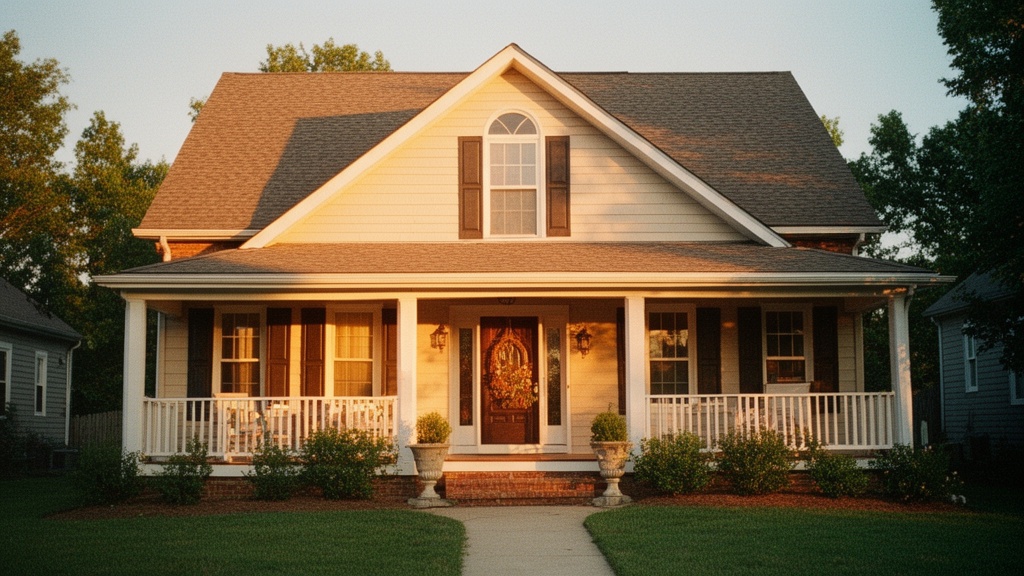
Charlotte's layout drives pricing more than almost any other factor. The city radiates outward from Uptown along a series of major corridors: South Boulevard toward Ballantyne, Providence Road toward Myers Park and beyond, Independence Boulevard toward the east side, and I-77 north toward the lake towns. The closer a neighborhood sits to Uptown, the older the housing stock and, generally, the higher the price per square foot. Move outward and you trade walkability for square footage.
The Ring Road Effect
Charlotte does not have a formal beltway, but I-485 functions as the outer loop, circling the city at roughly 15 to 20 miles from Uptown. Neighborhoods inside I-485 tend to be established, with mature trees and older homes. Neighborhoods outside the loop, like Ballantyne, Steele Creek, and parts of University City, skew heavily toward new construction subdivisions built after 2000.
Mecklenburg County Boundaries
Charlotte sits entirely within Mecklenburg County, which also includes the towns of Huntersville, Cornelius, Davidson, Matthews, Mint Hill, and Pineville. Buyers who want more land or a lower price point sometimes cross into neighboring Cabarrus, Union, or Gaston counties, though those purchases come with longer commutes into the city core. Property taxes across Mecklenburg County follow a county-wide rate applied to assessed value; for a deeper look at how those numbers work, the article on Mecklenburg County property taxes for a home worth around $450,000 breaks it down in plain terms.
2. Uptown and the Inner Ring: Condos, Walkability, and Urban Living
The neighborhoods closest to Uptown Charlotte offer the most walkable, transit-connected lifestyle in the city. This corridor is where you find high-rise condos, converted lofts, and dense townhome developments, all within a short distance of the Bank of America Stadium, the Spectrum Center, and the restaurants and bars that line the streets of South End and NoDa. These are also the areas with the highest price per square foot in the Charlotte NC neighborhoods overview.
Uptown Charlotte
Uptown is Charlotte's central business district and its most vertical neighborhood. Condominiums in towers like The Vue, 210 Trade, and Trademark dominate the housing stock. As of September 2026, condo prices in Uptown range from roughly $300,000 for a one-bedroom unit to well over $1 million for a penthouse-level residence. HOA fees are a significant budget line here, often running $500 to $900 per month depending on the building's amenities. The Gold Line streetcar and LYNX Blue Line light rail both serve Uptown, giving residents car-free access to South End and the Carolinas Medical Center area.
If you are weighing a condo purchase in this corridor, the guide on buying a condo in Uptown Charlotte covers the specifics of the process, including what to look for in HOA financials and how the condo review process works with lenders.
South End
South End runs along South Boulevard from the southern edge of Uptown down to the Scaleybark station area. It is one of the most densely developed corridors in Charlotte, with new apartment towers and condo buildings rising alongside converted warehouse spaces that now hold breweries, art galleries, and co-working offices. The Rail Trail, a paved multi-use path that connects South End to Uptown and beyond, is a central feature of daily life here.
Townhomes in South End currently list in the $500,000 to $750,000 range, while new construction condos with one or two bedrooms start around $400,000. The area has almost no detached single-family homes. Buyers who want outdoor space with a yard typically look one neighborhood further out.
Dilworth
Dilworth sits immediately south of South End and was Charlotte's first streetcar suburb, platted in the 1890s. The housing stock here is a mix of Craftsman bungalows, Colonial Revival homes, and infill construction on lots where older homes have been torn down. East Boulevard is the neighborhood's commercial spine, lined with restaurants, coffee shops, and independent retailers. Detached single-family homes in Dilworth currently range from about $550,000 for a smaller bungalow to over $1.2 million for a renovated or new-build home on a full lot.
NoDa
NoDa, short for North Davidson, sits about two miles northeast of Uptown and has developed into one of Charlotte's most recognizable arts districts. The neighborhood centers on the intersection of North Davidson Street and 36th Street, where murals cover building walls and live music venues operate alongside tattoo studios and craft cocktail bars. The LYNX Blue Line extension brought a light rail station to the neighborhood, connecting it directly to Uptown in under ten minutes.
Housing in NoDa includes older mill-era cottages, renovated bungalows, and newer townhomes and condos built since the light rail arrived. Prices for detached homes currently range from about $400,000 to $750,000, with condos and townhomes starting around $300,000. The full NoDa market picture is covered in the NoDa Charlotte real estate market guide if you want to go deeper on that specific area.
3. The Midtown and Suburban Corridors: Single-Family Homes and Established Streets
The middle ring of Charlotte, roughly two to six miles from Uptown, contains the city's most established residential neighborhoods. These are areas with mature canopy trees, sidewalks, and streets that have been developed and redeveloped over decades. Housing stock varies from historic homes on large lots to infill townhomes on narrow lots carved from former single-family parcels. This part of any Charlotte NC neighborhoods overview tends to generate the most questions because the price variation within a single zip code can be significant.
Myers Park and Eastover
Myers Park is one of Charlotte's oldest planned residential communities, designed in the early twentieth century by the Olmsted Brothers firm, the same landscape architects behind New York's Central Park. Wide, curving streets lined with oak trees define the neighborhood's layout. The housing stock runs from 1920s Tudor and Colonial Revival homes to mid-century ranches and post-2000 custom builds. Lot sizes are generous by Charlotte standards, with many parcels running half an acre or more.
Prices in Myers Park currently start around $800,000 for smaller or unrenovated homes and extend well past $3 million for large renovated properties on premier streets. Eastover, immediately east of Myers Park, has a similar character and price range. The commute to Uptown from either neighborhood is roughly 10 to 15 minutes by car outside of peak hours.
Plaza Midwood
Plaza Midwood sits about three miles east of Uptown along Central Avenue and has one of the most active commercial strips in the city. The neighborhood contains a dense mix of Craftsman bungalows, Dutch Colonial homes, and newer infill construction. Central Avenue itself holds a long stretch of independent restaurants, vintage shops, and bars that draw residents from across the city on weekends.
Single-family home prices in Plaza Midwood currently range from about $450,000 for a smaller bungalow to over $900,000 for a renovated or larger property. The neighborhood has seen significant infill development over the past decade, so buyers will find both original 1930s homes and brand-new construction on adjacent lots.
Elizabeth and Midwood
Elizabeth is a compact neighborhood immediately southeast of Uptown, anchored by Presbyterian Medical Center and the shops and restaurants along 7th Street. The housing stock leans toward early twentieth century construction with some newer townhomes along the edges. Prices here range from about $500,000 to well over $1 million for larger renovated homes. Midwood, adjacent to Plaza Midwood, offers a similar bungalow-heavy streetscape at a slightly lower price point, with many homes in the $400,000 to $700,000 range.
4. The Outer Ring: New Construction, Space, and Highway Access
Beyond I-485, Charlotte's outer neighborhoods and surrounding towns offer larger homes, newer construction, and more land for the money. The tradeoff is distance from Uptown and a heavier reliance on the car. These areas have grown rapidly over the past 15 years as Charlotte's population expanded, and they now contain some of the most active new construction markets in the region. This part of the Charlotte NC neighborhoods overview is especially relevant for buyers relocating from other metro areas who are used to suburban layouts.
Ballantyne and Pineville
Ballantyne sits in the far south of Charlotte, roughly 15 to 18 miles from Uptown, and has developed into one of the largest suburban employment and residential centers in the metro. The area holds major corporate campuses for companies like Synchrony and MetLife, which means many residents work within a few miles of home. The housing stock is almost entirely post-1990 construction, with subdivisions ranging from townhome communities to large single-family homes on quarter-acre to half-acre lots.
Prices in Ballantyne currently range from about $400,000 for a townhome or smaller single-family home to over $1 million for a larger home in a gated community. Pineville, which borders Ballantyne to the west, offers a slightly more affordable entry point with many homes in the $350,000 to $600,000 range. The guide on buying a home in Ballantyne Charlotte covers the purchase process in detail for that specific corridor.
University City
University City sits in the northeast quadrant of Charlotte, anchored by the University of North Carolina at Charlotte campus and the University Research Park, which holds offices for IBM, Wells Fargo Technology, and other major employers. The LYNX Blue Line light rail terminates at the UNC Charlotte station, making this the only outer-ring area with a direct rail connection to Uptown. The commute by rail to Uptown takes roughly 25 to 30 minutes.
Housing in University City spans a wide range, from 1980s and 1990s single-family subdivisions to newer townhome and condo developments built near the light rail stations. Prices currently range from about $280,000 for an older townhome to $550,000 for a newer single-family home in a planned community. New construction activity in this corridor remains active in September 2026, particularly near the station areas.
Steele Creek and Berewick
Steele Creek occupies the southwest corner of Charlotte, bordered by the Catawba River to the west and I-485 to the north. Berewick is one of the larger master-planned communities in this corridor, with amenities including a pool, clubhouse, and walking trails built into the development. The area sits about 14 miles from Uptown via I-485 and I-77, with a typical drive time of 25 to 35 minutes depending on traffic.
Home prices in Steele Creek and Berewick currently run from about $350,000 for a townhome to $650,000 for a larger detached home. The area has attracted significant builder activity over the past several years, so buyers will find both resale inventory and new construction options in the same price range.
Huntersville, Cornelius, and Davidson
These three towns sit along I-77 north of Charlotte, ranging from about 12 miles (Huntersville) to 25 miles (Davidson) from Uptown. All three are incorporated towns within Mecklenburg County with their own town centers and municipal services. Lake Norman, the largest man-made lake in North Carolina at roughly 32,000 acres, borders Cornelius and Davidson to the west, creating a waterfront housing market that does not exist anywhere else in the immediate Charlotte area.
Huntersville offers the most variety in price, with homes ranging from about $350,000 to over $1 million depending on the subdivision and lot. Cornelius and Davidson skew slightly higher, with waterfront properties on Lake Norman reaching $2 million and above. Davidson's historic downtown, centered on Main Street and adjacent to Davidson College, adds a walkable town center element that is uncommon in the outer ring.
5. Price Ranges, Property Types, and What the Market Looks Like Right Now
Charlotte's market in September 2026 continues to show resilience across most price segments, though conditions vary by area. According to recent market data, the city-wide median home price sits around $415,000, up from approximately $385,000 in September 2025. That figure, however, masks significant variation: a buyer with a $400,000 budget will find very different options in NoDa versus Steele Creek versus Huntersville. Understanding where your budget lands in each corridor is one of the most practical things a Charlotte NC neighborhoods overview can do.
For a detailed breakdown of current median prices across the city, the article on the average home price in Charlotte, North Carolina right now in September 2026 provides current figures by area and property type.
Entry-Level and Mid-Market
Buyers entering the market in the $300,000 to $500,000 range will find the most inventory in the outer ring: University City, Steele Creek, Huntersville, and parts of east Charlotte along the Independence Boulevard corridor. In this price band, buyers are typically choosing between an older home closer to Uptown or a newer home with more square footage further out. A 1,600-square-foot bungalow in Plaza Midwood and a 2,400-square-foot new construction home in Steele Creek can list at similar prices, but they represent fundamentally different living situations.
Luxury and Prestige Segments
Charlotte's luxury market, generally defined as homes priced above $1 million, is concentrated in Myers Park, Eastover, Ballantyne's gated communities, and the Lake Norman waterfront. The luxury segment has remained active in 2026, with well-priced, well-presented homes in these areas moving in 30 to 60 days. Buyers at this level are often relocating from larger metros and comparing Charlotte's price-per-square-foot favorably against markets like Atlanta, Washington DC, and Raleigh.
Inventory and Days on Market
Inventory across Charlotte has improved from the historic lows of 2021 and 2022, but the market remains competitive in the $350,000 to $600,000 range. As of September 2026, the average days on market for a properly priced home in that range sits around 25 to 35 days, compared to under 10 days at the peak of the seller's market. Overpriced homes are sitting longer, which means buyers have more negotiating room than they did two years ago, but well-priced homes in desirable corridors still attract multiple offers.
Charlotte's growth trajectory has drawn attention from national outlets. HousingWire has covered the agents and market dynamics fueling the city's real estate expansion, noting that Charlotte continues to attract in-migration from across the country, which sustains demand even as interest rates fluctuate.
FAQ
What is the most affordable area in Charlotte for a first-time home buyer right now?
As of September 2026, buyers in the $300,000 to $400,000 range will find the most options in University City, Steele Creek, east Charlotte along the Independence Boulevard corridor, and parts of Huntersville. These areas offer newer construction and more square footage per dollar than inner-ring neighborhoods. The tradeoff is a longer commute to Uptown, typically 25 to 40 minutes by car during peak hours. Buyers should also factor in HOA fees, which are common in outer-ring subdivisions and can add $100 to $300 per month to housing costs.
Which Charlotte neighborhoods have light rail access?
The LYNX Blue Line runs from I-485 South in Pineville through South End, Uptown, and northeast to the UNC Charlotte campus in University City. Neighborhoods with direct station access include South End, Dilworth (via the New Bern station), Uptown, NoDa, and University City. The Gold Line streetcar connects parts of Elizabeth and Uptown on a shorter route. These transit connections are a meaningful factor in property values along those corridors, particularly in South End and NoDa, where walkable density has increased significantly since the rail arrived.
How do I decide which Charlotte neighborhood fits my budget and lifestyle?
The most practical starting point is to map your workplace against the neighborhoods you are considering and calculate realistic commute times at the hours you actually travel. From there, your budget will narrow the field considerably: the inner ring costs more per square foot but offers walkability and older character; the outer ring offers more space and newer construction at lower per-square-foot prices. Beyond price and commute, each area has distinct housing types, lot sizes, and commercial amenities that are worth visiting in person before committing. Working with a local agent who knows each corridor in detail, like Mark Weinberg of Albrick, can save significant time in this process.