
← Back to Blog
Market Trends
The Beavercreek Area of Dayton Real Estate Market Guide: Prices, Neighborhoods and Timing for Miamisburg Buyers
By Melissa Erbaugh, Licensed Real Estate Agent
Gillen Group - Keller Williams Community Partners
September 20, 2026 · 11 min read
If you are weighing the Beavercreek area of Dayton against other Greater Dayton communities like Miamisburg, this real estate market guide covers what you actually need to know: current prices as of September 2026, what the housing stock looks like, how commute times shake out, and when to make your move. Beavercreek sits in Greene County, roughly 12 to 15 miles east of downtown Dayton, and it draws buyers with a mix of newer construction, larger lot sizes, and proximity to Wright-Patterson Air Force Base.
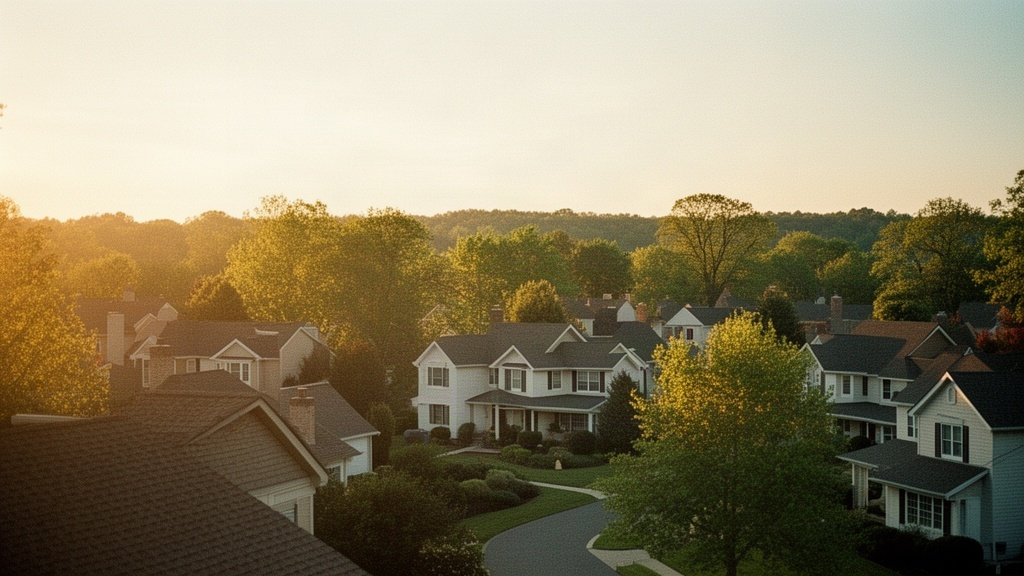
1. What Does the Beavercreek Real Estate Market Look Like Right Now?
Beavercreek is one of the more active submarkets in Greater Dayton. As of September 2026, median home prices in Beavercreek are running in the $310,000 to $345,000 range depending on the specific street, subdivision, and square footage. That puts it noticeably above the broader Dayton metro median, which sits closer to $215,000 to $230,000 for the region as a whole. Greene County's tax structure, newer housing stock, and proximity to Wright-Patterson Air Force Base all contribute to that premium.
For broader context on the regional market, HUD's Comprehensive Housing Market Analysis for the Dayton-Kettering-Beavercreek area provides detailed data on employment drivers, household formation, and housing demand across the metro. It is a useful reference point if you want to understand why certain submarkets like Beavercreek command higher prices relative to the rest of Montgomery and Greene counties.
Median Prices in September 2026
Entry-level single-family homes in Beavercreek, typically ranch-style builds from the 1970s and 1980s with 1,200 to 1,600 square feet, are trading in the $255,000 to $295,000 range as of September 2026. Mid-range homes with 1,800 to 2,400 square feet, often two-story colonials or split-levels built between 1985 and 2005, are seeing list prices from $310,000 to $380,000. Larger custom homes and newer construction above 2,800 square feet regularly exceed $420,000, with some listings in established subdivisions near Trebein Road pushing past $500,000.
Year-over-year, Beavercreek prices are up roughly 5 to 7 percent compared to September 2025, which mirrors the broader Greater Dayton trend of steady appreciation rather than the sharp spikes seen in some coastal markets. The market has not cooled dramatically despite higher interest rates nationally; demand from Wright-Patterson personnel and civilian defense contractors keeps a consistent floor under prices.
Inventory and Days on Market
Inventory in Beavercreek remains tight. Well-priced homes in the $290,000 to $360,000 range are typically going under contract within 10 to 18 days of hitting the market as of September 2026. Homes that linger past 30 days are usually overpriced for their condition or location within the city. The upper end of the market, above $450,000, moves more slowly, averaging 35 to 50 days on market, giving buyers in that price range more room to negotiate.
For a broader look at how Dayton area home prices and timing compare across the metro, the average home price breakdown for Dayton in September 2026 gives useful context for understanding where Beavercreek sits relative to other communities.
2. Beavercreek Neighborhoods: What the Housing Stock Actually Looks Like
Beavercreek is not a single uniform neighborhood. It covers roughly 32 square miles and contains a range of subdivisions, each with its own character in terms of lot size, architectural style, and price point. Understanding these distinctions matters when you are comparing it to a community like Miamisburg, where the housing stock skews older and the lots tend to be smaller in the historic core.
North Beavercreek and the Fairfield Road Corridor
The northern sections of Beavercreek, particularly the subdivisions along and east of Fairfield Road between Route 35 and Dayton-Yellow Springs Road, contain a large share of the city's 1980s and 1990s construction. Lots here typically run from a quarter acre to just under half an acre. Homes are predominantly two-story colonials and four-bedroom ranch homes with attached two-car garages. Prices in this corridor as of September 2026 generally fall between $285,000 and $390,000 depending on updates and square footage.
This corridor also puts residents within a few minutes of the Fairfield Commons Mall area, which anchors a large commercial zone with national retailers, restaurants, and service businesses. That convenience is a practical factor for buyers who do not want to drive far for everyday errands.
South Beavercreek and Grange Hall Road Area
South Beavercreek, particularly the subdivisions near Grange Hall Road and the areas bordering Sugarcreek Township, tends to have larger lots and a mix of older ranches from the 1960s and 1970s alongside newer custom builds. Lot sizes here can reach half an acre to a full acre, which is rare in most of the Dayton metro at this price point. Buyers looking for more land without leaving the Beavercreek area often focus their search here.
Prices in south Beavercreek vary widely based on lot size and home condition. A 1970s ranch on three-quarters of an acre might list at $265,000 in need of cosmetic updates, while a newer custom build on a similar lot could be priced at $480,000 or more. This range gives buyers flexibility if they are willing to take on some renovation work.
Townhomes and Attached Housing
Beavercreek has a smaller but meaningful inventory of townhomes and condominium-style attached housing, particularly near the Fairfield Road commercial corridor and along Route 35. These units typically range from 1,100 to 1,600 square feet and are priced from $185,000 to $240,000 as of September 2026. They represent one of the more affordable entry points into the Beavercreek market for buyers who do not need a large yard or who prefer lower exterior maintenance.
3. Beavercreek vs. Miamisburg: How the Two Markets Compare
Buyers relocating to Greater Dayton often find themselves comparing Beavercreek and Miamisburg because both offer suburban living with distinct characters. They are not direct substitutes. They sit in different counties, carry different tax structures, and draw on different employment hubs. Understanding those differences helps you make a more informed decision about where to focus your search.
Price Points and What Your Budget Gets You
Miamisburg, which sits in Montgomery County along the Great Miami River roughly 13 miles south of downtown Dayton, generally offers lower median prices than Beavercreek. In Miamisburg, the median single-family home price as of September 2026 is in the $230,000 to $270,000 range, with the historic downtown core and older neighborhoods on the lower end and newer construction near Byers Road and the Austin Landing area pushing higher.
That price gap means a $320,000 budget in Miamisburg typically gets you a larger home or a more updated property than the same budget in Beavercreek. However, Beavercreek's newer construction base means you are often getting homes with more recent mechanicals, larger garages, and open floor plans that were built to modern standards rather than retrofitted.
Commute Times and Geography
Beavercreek's position on the eastern side of Dayton, with Route 35 and I-675 as its primary corridors, makes it efficient for commuting to Wright-Patterson Air Force Base, which sits just a few miles north. The drive from central Beavercreek to the base's main gate runs roughly 10 to 15 minutes under normal conditions.
Miamisburg, by contrast, is better positioned for commutes south and west: to the Austin Landing employment corridor, to Centerville, or toward Cincinnati via I-75. A drive from Miamisburg to downtown Dayton typically runs 20 to 30 minutes depending on the time of day and exact origin point. A commute from Miamisburg to Wright-Patterson would be 30 to 45 minutes, making Beavercreek the more practical choice for base personnel.
Property Taxes Across County Lines
Property taxes are a meaningful part of the monthly housing cost equation in Ohio, and they differ between Greene County and Montgomery County. Greene County, where Beavercreek is located, carries effective tax rates that vary by township and school district levy. Beavercreek City School District levies contribute to those rates. Montgomery County, where Miamisburg sits, has its own rate structure.
For a detailed look at how Montgomery County property taxes work and how to budget for them, the article on property taxes in Montgomery County and what to budget for a home purchase in Dayton breaks down the calculation in plain terms. If you are comparing a Beavercreek home to a Miamisburg home at the same price, running the actual tax numbers for both addresses before you make a decision is worth the extra step.
4. Timing the Beavercreek Market: When to Buy or Sell
Timing in Beavercreek follows Greater Dayton seasonal patterns, but with some Greene County-specific nuances driven by the military and defense sector. Understanding those patterns can help buyers avoid the most competitive windows and help sellers choose the right listing date.
Seasonal Patterns in Greene County
Like most of Ohio, Beavercreek sees its highest listing volume and buyer activity in the spring window, typically March through June. That is when competition is fiercest and multiple-offer situations are most common. Summer stays active partly because of military Permanent Change of Station orders, which bring a wave of buyers to the Beavercreek area between May and August each year as service members relocate to Wright-Patterson.
September, where we are right now, represents a transition point. The PCS wave has largely settled, spring buyers have closed, and the market shifts toward a slightly more balanced state heading into fall. Buyers who missed out in spring sometimes find more room to negotiate in September and October, particularly on homes that have been sitting for more than 30 days.
What Buyers Should Know Before Writing an Offer
Pre-approval is non-negotiable in Beavercreek. Sellers in the $300,000 to $380,000 range will not take offers seriously without a current pre-approval letter, and in a fast-moving segment, you may have only 24 to 48 hours to submit after a showing. VA loans are common in this market given the Wright-Patterson connection, and many Beavercreek sellers are familiar with VA appraisal requirements, which can work in a VA buyer's favor during negotiations.
Inspection contingencies remain standard in Beavercreek, even in competitive situations. Unlike some markets where buyers have waived inspections entirely, Greater Dayton buyers have largely held onto that protection. Knowing the typical closing cost structure helps you budget accurately before you make an offer. For a breakdown of what buyers typically pay at closing in this region, the guide on buyer closing costs in Dayton, Ohio is a useful reference.
What Sellers Should Know About Pricing
Overpricing in Beavercreek carries a real cost. Buyers in the $300,000 to $400,000 range are well-informed and have access to the same sold data their agents do. A home priced 5 to 8 percent above comparable sales will sit, accumulate days on market, and eventually require a price reduction that signals weakness to subsequent buyers. Homes that are priced accurately from day one in Beavercreek routinely sell at or above list price within the first two weeks.
Condition matters as much as price. Beavercreek buyers at the $320,000 to $380,000 price point are typically comparing your home against other move-in-ready options. Fresh paint, clean mechanicals, and a well-maintained exterior make a measurable difference in how quickly a home sells and whether it attracts multiple offers.
5. Local Amenities, Parks, and What Is Around Beavercreek
Beavercreek's infrastructure has grown considerably since the 1990s, and the city now has a well-developed commercial and recreational base that buyers from Miamisburg or elsewhere in the metro will find familiar in scale and variety.
Shopping and Dining Along Fairfield Road
The Fairfield Road commercial corridor is the commercial spine of Beavercreek. Fairfield Commons Mall anchors the retail zone, with surrounding strip centers, restaurants, grocery stores, and service businesses extending north and south along the road. National chains dominate, but the corridor also includes a growing number of locally owned restaurants and specialty retailers. For everyday errands, most Beavercreek residents can handle groceries, dining, and retail within a 5 to 10 minute drive of their subdivision.
Beavercreek also sits within 15 to 20 minutes of the Oregon District and downtown Dayton's restaurant and arts scene via Route 35. For buyers who want suburban living with periodic access to a more urban environment, that proximity is a practical advantage. If you want a closer look at what the Oregon District is like day to day, the day-to-day living guide for the Dayton Oregon District covers that in detail.
Parks and Green Space
Beavercreek has a parks system that includes Beavercreek Wetlands, a 1,000-plus-acre natural area with trails and boardwalks along the Little Beaver Creek corridor. Caesar Creek State Park is roughly 20 miles southeast and offers boating, hiking, and camping. Russ Nature Reserve, within the city, provides paved and unpaved trails through a preserved natural landscape.
Beavercreek Community Park on Grange Hall Road includes athletic fields, a splash pad, a playground, and open lawn areas. The city's recreation center on New Germany-Trebein Road offers indoor fitness facilities, a pool, and program space. These are built and maintained by the city, which gives residents predictable access without membership fees beyond standard recreation center passes.
Wright-Patterson and the Defense Corridor
Wright-Patterson Air Force Base is the single largest employer in Ohio, with a workforce of roughly 27,000 military and civilian personnel. Its proximity to Beavercreek creates a stable employment base that insulates the local housing market from the volatility that affects markets dependent on a single private-sector industry. Defense contractors and federal civilian employees make up a significant share of Beavercreek homeowners, and that demographic tends to produce stable, long-term ownership patterns.
The National Museum of the United States Air Force, located on the base and open to the public, is one of the largest military aviation museums in the world. It draws visitors from across the region and adds a cultural landmark to the Beavercreek area that buyers relocating from outside Ohio often find notable.
For buyers also considering new construction options in the broader Dayton metro, the guide on new construction and development projects in Dayton in 2026 and their effect on home values covers what is being built and where it is happening across the region.
FAQ
Is the Beavercreek real estate market competitive right now in September 2026?
Yes, particularly in the $290,000 to $380,000 price range, which is the core of the Beavercreek market. Well-priced homes in that segment are going under contract within 10 to 18 days as of September 2026. The post-summer period does bring a slight softening compared to the spring peak, so buyers who missed the spring window may find marginally less competition right now. That said, pre-approval and a clear offer strategy are still essential because inventory remains limited and motivated sellers still receive multiple offers on correctly priced homes.
How does Beavercreek compare to Miamisburg for someone relocating to the Dayton area?
The two communities serve different parts of the metro and attract buyers with different priorities. Beavercreek, in Greene County, sits 12 to 15 miles east of downtown Dayton and is closely tied to Wright-Patterson Air Force Base; its median prices run $310,000 to $345,000 as of September 2026 and its housing stock skews newer, with larger lots in many subdivisions. Miamisburg, in Montgomery County along I-75 south of Dayton, has a lower median price range of roughly $230,000 to $270,000 and includes a historic downtown core with older housing alongside newer development near Austin Landing. Commute direction is often the deciding factor: Beavercreek is more efficient for the eastern and northeastern employment corridor, while Miamisburg is better positioned for the southern and I-75 corridor. Property tax rates also differ between Greene and Montgomery counties, so running the actual numbers for specific addresses you are considering is a smart step before deciding.
What types of homes are most common in Beavercreek, Ohio?
The largest share of Beavercreek's housing stock consists of single-family detached homes built between 1970 and 2005, with two-story colonials, four-bedroom ranches, and split-level designs being the most common forms. Lot sizes range from a quarter acre in denser subdivisions to a full acre or more in the southern parts of the city near Grange Hall Road. Newer construction from 2010 onward exists in smaller pockets and tends to feature open floor plans, three-car garages, and higher-end finishes that push prices above $400,000. A smaller inventory of townhomes and attached condominiums in the $185,000 to $240,000 range provides more affordable entry points, particularly near the Fairfield Road corridor.