← Back to Blog
Market Trends
Lakewood, Colorado Real Estate Market Guide: Prices, Neighborhoods and Timing
By Melissa Smith, Broker
Brokers Guild Real Estate
September 3, 2026 · 10 min read
Lakewood, Colorado sits directly west of Denver along the US-6 corridor, and its real estate market has its own distinct rhythm that buyers and sellers often underestimate. This Lakewood, Colorado real estate market guide covers current prices, the character of each major neighborhood, and the timing questions that matter most whether you are buying, selling, or relocating to the Denver metro area in 2026.
1. Lakewood at a Glance: What Makes This Market Different
Lakewood is its own city, not a Denver neighborhood. With roughly 160,000 residents, it is the fifth-largest city in Colorado, and its housing market operates independently from Denver's even though the two cities share a border along Sheridan Boulevard. That distinction matters when you are comparing prices, inventory, and zoning rules.
Location and Commute Context
Lakewood straddles US-6 and Interstate 70, giving residents two direct routes into downtown Denver. The W Line of RTD's light rail runs from Lakewood's Wadsworth and Oak stations all the way to Union Station in roughly 30 to 35 minutes without touching a car. For commuters working in the Denver Tech Center, C-470 connects the southern edge of Lakewood to I-25 in about 20 minutes under normal traffic. That combination of rail access and highway connectivity is one reason Lakewood real estate holds value even when the broader Denver metro softens.
Housing Stock Overview
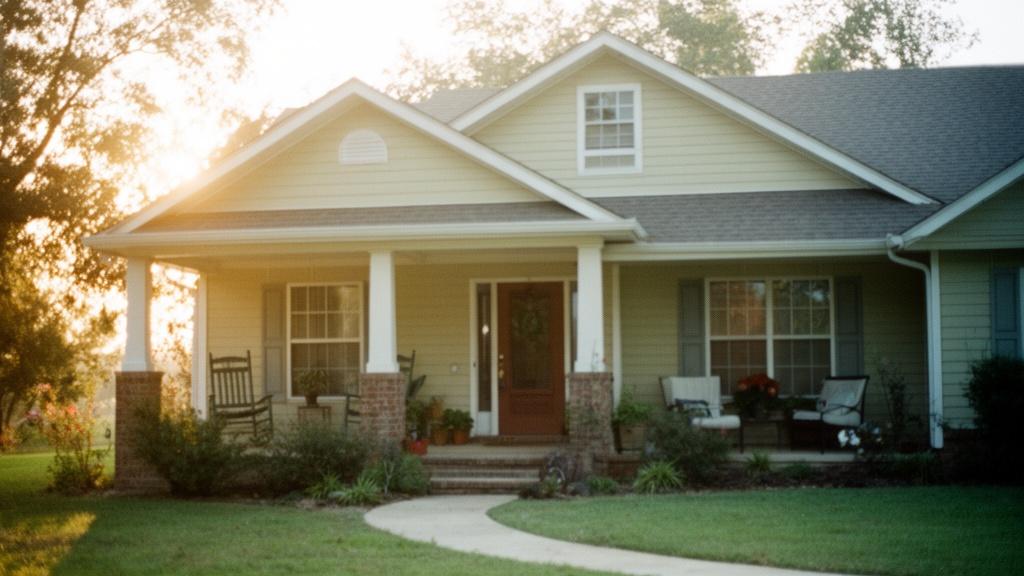
The dominant housing style in Lakewood is the mid-century ranch. Most of the city was platted and built between 1950 and 1975, so buyers will find a high concentration of brick ranches, tri-levels, and split-levels on lots ranging from 6,000 to 10,000 square feet. Newer construction exists in pockets near Belmar, along the Alameda corridor, and in the Solterra community on the western edge near C-470, where contemporary stucco homes and townhomes were built primarily between 2010 and 2022. Condos and attached townhomes cluster near the Belmar shopping district and along the light rail stations.
2. Lakewood Home Prices in September 2026
Lakewood home prices in September 2026 sit in a range that is noticeably more accessible than Denver proper, though the gap has narrowed over the past three years. According to current market data tracked by Redfin's Lakewood housing market page, the median sale price for Lakewood homes has been hovering in the low-to-mid $500,000s, with single-family detached homes commanding higher figures and attached properties pulling the median down.
Median Price and Price Per Square Foot
As of September 2026, the median sale price for a single-family home in Lakewood is approximately $530,000 to $560,000, depending on the sub-area and condition. Price per square foot for detached homes runs roughly $275 to $320 across most of the city, with the Applewood and Green Mountain areas at the higher end of that band and older sections near West Colfax at the lower end. Condos and townhomes are pricing between $280,000 and $420,000, with newer Belmar-area units closest to the top of that range.
How Prices Vary by Property Type
Not all Lakewood properties move at the same pace or price. Updated brick ranches with open floor plans and new kitchens are selling within days of listing and sometimes above asking price. Original-condition ranches that need full updates are sitting longer, often 30 to 60 days, and buyers are negotiating concessions on those. Townhomes near light rail stations continue to attract interest from buyers who prioritize the commute over square footage.
Price Trends and What Is Driving Them
Lakewood's zoning landscape is actively shifting, which has real implications for future supply and pricing. A detailed look at how Lakewood's recent zoning votes are affecting housing affordability across the metro was published in Forbes in April 2026, noting that Lakewood's decisions around density and missing-middle housing are being watched as a model across the state. If upzoning continues to move forward, more townhomes and small multifamily buildings will enter the market over the next two to four years, which could moderate price growth in the attached segment.
Mortgage rates remain the largest single variable affecting buyer purchasing power in Lakewood right now. With rates in the mid-to-upper 6% range as of September 2026, a $530,000 purchase with 10% down carries a monthly principal and interest payment of approximately $3,200. That figure is pushing some buyers toward condos and townhomes, which is one reason attached inventory has grown relative to detached inventory over the summer.
3. Lakewood Neighborhoods: A Street-Level Breakdown
Lakewood covers about 44 square miles, and the character of its neighborhoods varies considerably from one end of the city to the other. Understanding the physical differences between these areas, including lot sizes, street layouts, proximity to parks, and price ranges, helps buyers target the right pockets and helps sellers understand how their home compares to nearby competition.
Green Mountain and Applewood
Green Mountain sits in the western portion of Lakewood, rising toward the foothills at elevations between 5,600 and 6,200 feet. The area is defined by its access to Green Mountain Open Space, a 2,400-acre park with over 18 miles of trails used by hikers, trail runners, and mountain bikers. Homes here are predominantly 1960s and 1970s ranches and tri-levels on lots of 7,000 to 9,000 square feet, with mountain views from the upper streets. Median prices in Green Mountain run roughly $550,000 to $620,000 for detached homes, reflecting the trail access and view premiums.
Applewood occupies the northern part of Lakewood near 32nd Avenue and Youngfield Street. It is one of the older established residential areas in the city, with mature tree canopy, larger lots, and a mix of original mid-century ranches alongside homes that have been substantially expanded and updated over the decades. Prices in Applewood tend to run $540,000 to $650,000 for detached single-family homes, with fully remodeled properties pushing above that range.
Belmar and the Wadsworth Corridor
Belmar is Lakewood's most walkable district, built around a 22-block mixed-use development that replaced the Villa Italia Mall in the early 2000s. The area now includes restaurants, retail, a cinema, a farmers market, and a surrounding grid of condos, townhomes, and apartments. Attached properties in the Belmar area range from $320,000 for a one-bedroom condo to $480,000 for a two-bedroom townhome with a garage. The W Line light rail station at Wadsworth is walkable from most of this district, making it one of the more transit-connected residential areas in the entire Denver metro.
Estes and Morse Park Areas
The neighborhoods around Estes Street and Morse Park, in the central and eastern sections of Lakewood, offer some of the most affordable entry points in the city. Homes here are smaller ranches and bungalows, many in the 1,000 to 1,400 square foot range, on modest lots. Prices for detached homes in these areas start around $430,000 and top out near $510,000 for updated properties. Morse Park itself is a 20-acre green space with a lake, picnic shelters, and paved walking paths along Lakewood Gulch Creek, which runs through the neighborhood.
Lakewood Gulch and Heritage West
Heritage West and the neighborhoods along the Lakewood Gulch greenbelt corridor sit in the southern part of the city near Alameda Avenue and Kipling Street. The greenbelt trail connects to Bear Creek Trail to the south and eventually to the wider Jefferson County trail network. Housing in Heritage West includes 1970s and 1980s ranches and two-story colonials on lots averaging 7,500 square feet, priced in the $490,000 to $580,000 range. The Solterra community near C-470 and Rooney Road features newer construction townhomes and single-family homes built after 2010, with prices generally starting at $575,000 and running to $750,000 for larger detached homes.
4. Timing the Lakewood Market: When to Buy or Sell
Timing in Lakewood follows Colorado's broader seasonal rhythm, but with some local nuances worth understanding before you list or make an offer.
Seasonal Patterns in Lakewood
The spring selling season, roughly March through June, consistently produces the highest buyer activity and the most competitive offers in Lakewood. Well-priced, updated homes in Green Mountain and Applewood received multiple offers in the spring of 2026, with some closing 2% to 4% above list price. Summer activity stayed solid through July but began to cool in August. September sits at a transitional point: inventory is typically higher than spring because some spring listings that did not sell are still on the market, and new sellers are listing before the holiday slowdown.
For buyers, September and October in Lakewood can offer a useful window. Sellers who have been on the market since spring are often more willing to negotiate on price or concessions. The Colorado housing market has also seen broader price adjustment activity heading into the fall, as noted in recent reporting on statewide trends. Buyers who were priced out or outcompeted in the spring sometimes find more breathing room in this period.
What Inventory Levels Tell You Right Now
Lakewood's active inventory in September 2026 is running higher than it was in September 2024, which is a meaningful shift. More homes on the market means buyers have more choices and less pressure to waive inspections or escalate aggressively. For sellers, it means pricing accurately from day one matters more than it did two years ago. Overpriced listings in Lakewood are sitting for 45 to 75 days and often requiring price reductions, while competitively priced homes in good condition are still moving in under three weeks.
If you are weighing whether now is the right time to buy or sell in the Denver metro more broadly, the timing analysis in this Denver metro buyer timing guide covers the interest rate and inventory factors that apply across the region, including Lakewood.
5. Practical Steps for Buyers and Sellers in Lakewood
The Lakewood market rewards preparation. Whether you are buying or selling, knowing what to expect before you start saves time and money.
For Buyers: What to Expect
Get pre-approved before you tour homes. Lakewood listing agents expect to see a pre-approval letter with any offer, and sellers in the Applewood and Green Mountain areas will not entertain offers without one. Your pre-approval should reflect your actual budget at current rates, not a rate you are hoping to see later.
Budget for closing costs of 2% to 3% of the purchase price in addition to your down payment. On a $540,000 purchase, that is $10,800 to $16,200 in closing costs on top of your down payment. Title insurance, lender fees, property tax prorations, and HOA transfer fees (common in Belmar and Solterra) are the main line items. Ask your lender for a loan estimate early so there are no surprises.
Inspect thoroughly. Lakewood's mid-century ranches often have original electrical panels, older plumbing, and roofs that are approaching the end of their useful life. A full home inspection plus a sewer scope is standard practice and worth every dollar. Sewer lateral issues are common in homes built before 1970, and the repair costs can run $8,000 to $20,000 if the line has collapsed or is root-infiltrated.
Research schools and other community factors independently. Lakewood sits within Jefferson County School District R-1. For school-specific information, the Colorado Department of Education at cde.state.co.us publishes performance data, enrollment figures, and program offerings for every school in the district. These are personal decisions best researched directly rather than relying on any single source.
For Sellers: How to Position Your Home
Pricing is the single most important decision a Lakewood seller makes. With more inventory on the market than in 2024, buyers are comparing your home directly against similar listings. A home priced 3% to 5% above comparable sales will sit, accumulate days on market, and likely sell for less than it would have if priced correctly from the start. Your agent should show you a comparative market analysis based on closed sales from the past 60 to 90 days, not list prices.
Presentation drives first impressions in Lakewood's current market. Professional photography, a clean exterior, and decluttered interiors are baseline expectations. Homes with updated kitchens and bathrooms are selling faster and closer to list price than homes in original condition. If your kitchen has original 1970s cabinetry and laminate counters, a targeted cosmetic update, new cabinet fronts, quartz countertops, and updated lighting, can cost $8,000 to $15,000 and may return significantly more at closing.
For a detailed look at how the selling process works across the Denver metro, including timelines and what to expect at each stage, see this guide to selling a home in the Denver metro area. If you are also considering Lakewood's neighboring cities, similar breakdowns are available for Littleton and Centennial.
Choosing the right agent matters as much as pricing and presentation. Before signing a listing agreement, review the agent's recent closed sales in Lakewood specifically, not just the broader metro. An agent who knows the difference between what Green Mountain buyers prioritize versus Belmar condo buyers will market your home more effectively. For guidance on what to ask before hiring, see this resource on questions to ask a listing agent in the Denver metro area.
FAQ
What is the median home price in Lakewood, Colorado right now?
As of September 2026, the median sale price for a single-family detached home in Lakewood is approximately $530,000 to $560,000, depending on the neighborhood and condition of the property. Condos and townhomes are priced lower, generally between $280,000 and $420,000, with newer units near Belmar and the light rail stations at the top of that range. Homes in updated condition in areas like Green Mountain and Applewood are pushing closer to $600,000 and above. Original-condition homes in central Lakewood neighborhoods offer more accessible entry points, often in the $430,000 to $510,000 range.
Is Lakewood, Colorado a buyer's market or a seller's market in 2026?
Lakewood sits in a transitional zone in September 2026, closer to a balanced market than the strong seller's market of 2021 through 2023. Inventory is higher than it was in 2024, which gives buyers more options and more negotiating leverage than they had during the peak years. However, well-priced, updated homes in desirable pockets like Green Mountain and Applewood are still selling quickly and sometimes above asking price. Overpriced or dated homes are sitting longer and requiring price reductions. The market rewards accurate pricing from sellers and thorough preparation from buyers.
How does Lakewood compare to Denver for real estate prices?
Lakewood's median home prices are generally 5% to 15% lower than comparable properties in Denver's established neighborhoods, though the gap narrows when comparing similar property types and conditions. The price difference is partly offset by Lakewood's lower property density in some areas and its access to open space, trails, and mountain views that are harder to find within Denver city limits. Lakewood also has its own municipal services, parks system, and zoning authority, which affects future development patterns differently than Denver's. For a side-by-side view of the broader Denver market, the Denver, Colorado real estate market guide on this site covers pricing and neighborhood data across the city.