← Back to Blog
Neighborhoods
Living in Sellwood-Moreland Portland Oregon Day to Day
By MELISSA YOUNG
Portland Real Estate Consulting
September 3, 2026 · 10 min read
If you have been asking what it is like to live in the Sellwood-Moreland neighborhood of Portland Oregon day to day, the honest answer is that it feels less like a city neighborhood and more like a small town that happens to sit about five miles from downtown Portland. This guide covers the housing stock, commute realities, local shops and green spaces, and current market prices so you can decide whether Sellwood-Moreland fits your life before you ever schedule a showing.
1. The Physical Layout and Character of Sellwood-Moreland
Sellwood-Moreland occupies the southeast corner of Portland, tucked between the Willamette River to the west and the Eastmoreland and Woodstock neighborhoods to the east and north. The neighborhood sits roughly five to six miles south of the Steel Bridge, which puts it close enough to downtown to feel connected but far enough away to have its own distinct rhythm.
Where It Sits on the Map
The neighborhood is officially bounded by the Willamette River on the west, Tacoma Street on the north, SE 17th Avenue on the east, and the city limits near Bybee Boulevard on the south. In practice, most residents think of the neighborhood in two overlapping zones: the commercial corridor along SE 13th Avenue, sometimes called Antique Row, and the quieter residential grid that stretches east toward SE Milwaukie Avenue and beyond. The Sellwood Bridge, rebuilt and reopened in 2016, connects the neighborhood directly to Southwest Portland and the Multnomah Village area, making cross-river trips straightforward.
Street-Level Character
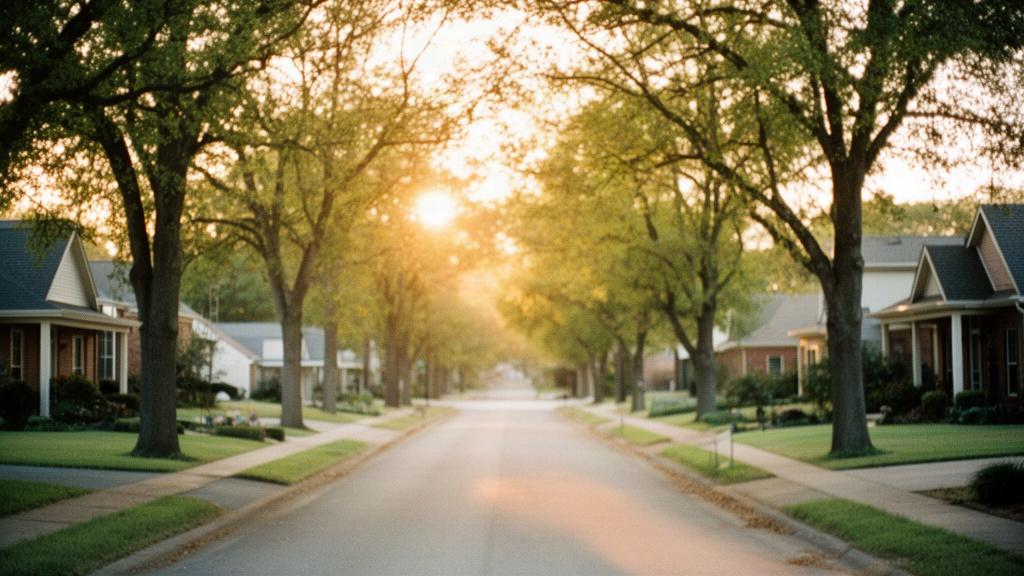
Walking the blocks here in September 2026, the dominant impression is one of mature landscaping and well-kept older homes on relatively flat terrain. Sidewalks are consistent, tree canopy is dense on most residential streets, and the commercial strips feel low-rise and pedestrian-scaled rather than auto-oriented. There are no big-box stores within the neighborhood itself, which shapes the texture of daily life considerably: errands tend to be shorter, more frequent trips to smaller shops rather than one weekly mega-run.
For a broader look at how Sellwood-Moreland fits into Portland's overall neighborhood mosaic, the Portland Neighborhoods: A Housing Guide for Buyers Relocating to the City on this site gives useful context on how the city's districts compare on price, transit access, and housing type.
2. Housing Stock and What You Will Actually Find on the Market
Sellwood-Moreland is dominated by single-family homes built between the 1910s and the 1950s, with a notable concentration of Craftsman bungalows, Tudor cottages, and Colonial Revival houses. The neighborhood has relatively little new construction compared to inner Northeast Portland, which means the housing stock has character but also comes with the maintenance considerations of older homes.
Architectural Styles
Craftsman bungalows are the most common style you will encounter. These typically run 1,000 to 1,800 square feet, sit on lots between 4,000 and 6,000 square feet, and feature covered front porches, original hardwood floors, and built-in cabinetry. Tudor Revival cottages with steeply pitched rooflines and decorative half-timbering appear frequently on the blocks closest to the river. Scattered among them are mid-century ranch homes from the postwar era, a smaller number of duplexes, and a handful of newer infill townhouses near the Moreland commercial strip on SE Milwaukie Avenue.
Current Price Ranges in September 2026
As of September 2026, median home prices in Sellwood-Moreland generally fall in the $550,000 to $750,000 range for single-family detached homes, depending on size, condition, and proximity to the river and SE 13th Avenue corridor. Smaller bungalows under 1,200 square feet can still be found closer to the low end of that range, while larger, updated homes with river views or on oversized lots push toward and occasionally above $900,000. Condos and attached townhouses in the neighborhood tend to list in the $350,000 to $500,000 range, making them one of the more accessible entry points into this part of Southeast Portland.
Inventory in Sellwood-Moreland has historically been tight because turnover is low. Homeowners here tend to stay for extended periods, so when a well-maintained bungalow does come to market, it often attracts multiple offers within the first week. For a current read on broader Portland market conditions that affect this neighborhood, the Portland Oregon Real Estate Market Guide 2026 has up-to-date pricing context.
3. Getting Around: Commutes, Transit, and Walkability
Day to day, getting around from Sellwood-Moreland is manageable but requires some planning. The neighborhood is not directly served by MAX light rail, which is the most significant practical difference between living here versus inner Northeast or inner North Portland.
Driving and Parking
By car, downtown Portland is roughly 15 to 20 minutes from the heart of Sellwood in normal traffic, using either the Sellwood Bridge to SW Barbur Boulevard or SE McLoughlin Boulevard northbound. McLoughlin can back up considerably during morning rush hours between roughly 7:30 and 9:00 a.m., so residents who drive to downtown offices typically budget 25 to 35 minutes during peak times. Parking within the neighborhood itself is generally available on residential streets without permits required on most blocks, which is a practical advantage over denser inner-city neighborhoods.
Reaching the Oregon Health and Science University campus on Marquam Hill takes about 12 to 18 minutes by car via the Sellwood Bridge and SW Terwilliger Boulevard, making Sellwood-Moreland a practical option for OHSU employees who prefer not to live in Southwest Portland.
Transit and Biking
TriMet bus lines serve the neighborhood, with routes along SE Milwaukie Avenue and SE 17th Avenue providing connections to the inner east side and downtown. Bus commutes to downtown typically run 30 to 45 minutes depending on the route and time of day. The neighborhood does not have a streetcar stop, so transit-dependent residents generally find car ownership or cycling more practical for reaching destinations outside the immediate area.
Cycling is a genuine option here. The Springwater Corridor trail, which runs directly through the neighborhood along the river, connects cyclists north to the Eastbank Esplanade and the Steel Bridge in roughly 25 to 35 minutes of riding at a moderate pace. SE Milwaukie Avenue has painted bike lanes, and the flat terrain of most of Sellwood makes cycling for errands realistic for most people.
4. Day-to-Day Errands, Dining, and Local Businesses
Living in Sellwood-Moreland day to day means most of your routine needs are met within a short walk or a five-minute bike ride. The two main commercial corridors, SE 13th Avenue and SE Milwaukie Avenue, cover a wide range of daily needs without requiring a car.
Antique Row and SE 13th Avenue
SE 13th Avenue between Tacoma Street and Malden Street has been known as Antique Row for decades, and as of September 2026 it still has a concentration of antique dealers, vintage furniture shops, and independent home goods stores that give the street a distinctive identity. Alongside the antique shops you will find independent coffee shops, casual restaurants, a wine bar, and a handful of specialty retailers. Jade Teahouse and Café, a longtime neighborhood fixture on SE Woodstock Boulevard just east of the neighborhood, draws residents for weekend brunch and weekday coffee.
The restaurant scene on and near SE 13th Avenue leans toward independent, owner-operated spots rather than chains. Gado Gado, a well-regarded Indonesian restaurant, has drawn visitors from across the city to this corridor. The overall dining culture in Sellwood-Moreland is relaxed and neighborhood-oriented, meaning most spots are the kind of places you can walk to on a weeknight without a reservation.
Grocery and Daily Errands
New Seasons Market on SE Tacoma Street is the anchor grocery for most Sellwood-Moreland residents, offering full-service grocery shopping within easy walking or cycling distance of most of the neighborhood. For larger or more price-sensitive grocery runs, a Fred Meyer store is located on SE Powell Boulevard, roughly two miles north, and a Safeway is accessible via McLoughlin Boulevard. A pharmacy, hardware store, and several personal care businesses are available within the neighborhood, so most routine errands do not require leaving the immediate area.
For a detailed look at what the neighborhood looks and feels like on the ground, the Sellwood-Moreland neighborhood guide at The OPT offers a useful overview of local businesses and community character.
5. Parks, Trails, and Outdoor Life
Outdoor access is one of the most tangible day-to-day advantages of living in Sellwood-Moreland. The neighborhood has direct access to several significant green spaces and trail systems that residents use regularly for recreation, exercise, and dog walking.
Sellwood Riverfront Park and the Springwater Corridor
Sellwood Riverfront Park runs along the Willamette River at the western edge of the neighborhood and includes a boat ramp, open lawn areas, a swimming area in summer, and direct access to the Springwater Corridor Trail. The Springwater Corridor is a paved multi-use trail that extends roughly 21 miles from the Willamette River east to Boring, Oregon, and it passes directly through Sellwood-Moreland. On a weekday morning, the trail sees a steady mix of cyclists commuting north toward downtown and runners doing loops near the river.
Oaks Bottom Wildlife Refuge
Oaks Bottom Wildlife Refuge is a 163-acre urban wetland that sits between the Springwater Corridor and SE McLoughlin Boulevard, directly adjacent to the neighborhood. It is one of the few places in Portland where you can see great blue herons nesting, and the trail system through the refuge connects to Sellwood Park to the south. Sellwood Park itself covers about 17 acres and includes tennis courts, a community pool open in summer months, a playground, and open lawn space.
Oaks Amusement Park, a historic amusement park operating since 1905, sits at the north end of the neighborhood near the river. It includes a roller skating rink that is open year-round and carnival rides that operate seasonally, giving the neighborhood a landmark that is genuinely unusual for an urban residential area.
6. Schools and Education Resources
Sellwood-Moreland is served by Portland Public Schools. Sellwood Middle School and Duniway Elementary School are located within or immediately adjacent to the neighborhood boundaries. Cleveland High School serves as the neighborhood's primary public high school and is located about two miles north on SE 26th Avenue.
School assignment, program options, and enrollment boundaries in Portland Public Schools can change, so the best source for current and accurate information is the Portland Public Schools district website and the Oregon Department of Education. Researching schools is a personal process, and those sources will give you the most reliable, up-to-date picture of what is available and how enrollment works.
Several private schools are also within a reasonable distance of Sellwood-Moreland, including options in the Eastmoreland and Woodstock areas. Reed College, a four-year liberal arts institution, is located about 1.5 miles north of the neighborhood in the Eastmoreland area, which contributes to the cultural texture of this part of Southeast Portland.
7. What the Real Estate Market Looks Like Right Now in Sellwood-Moreland
If you are weighing whether to buy in Sellwood-Moreland in September 2026, the market here has characteristics that differ from other Southeast Portland neighborhoods in meaningful ways.
Low Inventory and Long Ownership Tenure
Sellwood-Moreland consistently has fewer active listings than comparable Southeast Portland neighborhoods like Woodstock or Mt. Scott-Arleta. Homeowners here tend to stay for ten or more years, which keeps supply constrained. When a home does come to market in good condition, it rarely sits for more than two to three weeks before going under contract, even in a broader market that has softened somewhat from the peak years of 2021 and 2022.
What Buyers Should Know Before Making an Offer
Older homes in Sellwood-Moreland often come with deferred maintenance items that a thorough inspection will surface. Knob-and-tube wiring, cast-iron drain lines, and aging oil furnaces are not uncommon in homes built before 1940. Buyers who factor in a realistic renovation or update budget from the start are better positioned than those who assume a move-in-ready bungalow at the median price point.
For sellers, the neighborhood's desirability means that well-priced, well-presented homes still generate strong interest. Overpricing relative to comparable sales is the most common mistake sellers make, and it tends to result in price reductions that ultimately net less than a well-calibrated initial list price would have. The guide to selling a home in Portland on this site covers pricing strategy in detail.
How Sellwood-Moreland Compares to Nearby Areas on Price
As of September 2026, Sellwood-Moreland sits at a price premium relative to Woodstock and Mt. Scott-Arleta to the east, largely because of its walkability, river access, and the concentration of well-maintained older homes. Buyers who find Sellwood-Moreland prices out of reach sometimes look at the Woodstock neighborhood, roughly two miles east, where median single-family prices are generally $50,000 to $100,000 lower for comparable square footage. The Homes for Sale in Portland neighborhood guide on this site covers several of those adjacent neighborhoods in detail.
FAQ
Is Sellwood-Moreland a walkable neighborhood in Portland?
Sellwood-Moreland scores well on walkability by Portland standards, though it is not as dense or transit-rich as inner Northeast or the Pearl District. The SE 13th Avenue and SE Milwaukie Avenue corridors put grocery shopping, coffee, restaurants, and personal services within easy walking distance of most residential blocks. The Springwater Corridor trail and Sellwood Riverfront Park are also walkable from the majority of homes in the neighborhood. Residents without a car can manage most daily errands on foot or by bike, though reaching destinations outside Southeast Portland typically requires either a bus connection or a car.
What are home prices like in Sellwood-Moreland right now?
As of September 2026, single-family homes in Sellwood-Moreland are generally priced between $550,000 and $750,000 at the median, with smaller bungalows occasionally available closer to $500,000 and larger or river-view properties reaching $900,000 or more. Condos and attached townhouses provide a lower entry point, typically in the $350,000 to $500,000 range. Inventory is historically low in this neighborhood, which keeps prices relatively stable even when the broader Portland market fluctuates. Buyers should expect competition for well-priced, move-in-ready homes.
What is the commute like from Sellwood-Moreland to downtown Portland?
By car, the commute from Sellwood-Moreland to downtown Portland is roughly 15 to 20 minutes in normal traffic, using SE McLoughlin Boulevard or the Sellwood Bridge to SW Barbur Boulevard. During morning peak hours, 7:30 to 9:00 a.m., the McLoughlin corridor can add 10 to 15 minutes. By bike on the Springwater Corridor, the trip to the Eastbank Esplanade and the Steel Bridge takes about 25 to 35 minutes of moderate riding. TriMet bus service is available on SE Milwaukie Avenue and SE 17th Avenue, with transit commutes to downtown typically running 30 to 45 minutes. The neighborhood does not have MAX light rail access, which is worth factoring in if you rely heavily on rail transit.