
← Back to Blog
Buying
Buying a Home in the Hills: Process, Costs and Timeline for LaGrange, Georgia Buyers
By Regenia Andrews
LoKation Real Estate, LLC & A Southern Group Realty
September 16, 2026 · 11 min read
Buying a home in the Hills near LaGrange, Georgia is one of the most significant financial decisions you will make, and knowing the process, costs and timeline before you start puts you in a much stronger position. This guide walks through every stage from pre-approval to closing, with real numbers tied to the current LaGrange market, so there are no surprises along the way.
1. What 'The Hills' Means in the LaGrange, Georgia Housing Market
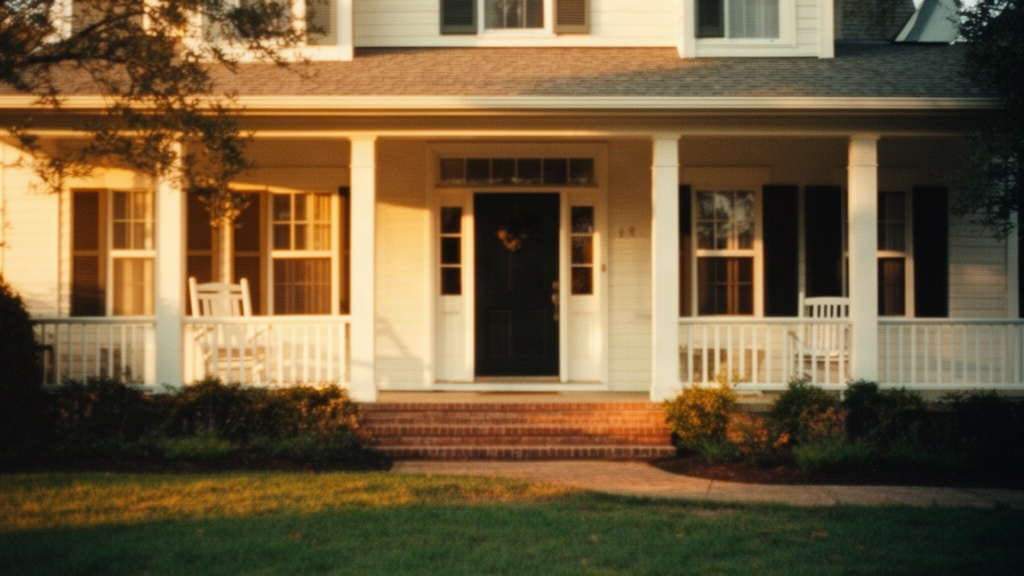
The Hills is a well-established residential area within the broader LaGrange, Georgia market, known for its gently rolling terrain, mature tree canopy, and a mix of brick ranch homes, split-levels, and two-story traditionals built primarily from the 1970s through the early 2000s.
Housing Stock and Price Ranges
Homes in this corridor of LaGrange typically range from the low $200,000s up through the mid $400,000s, depending on square footage, lot size, and updates. As of September 2026, the broader Troup County median sale price sits near $230,000, but finished homes in the Hills with renovated kitchens, new HVAC systems, or larger lots on the west side of town can push well above that figure.
Lot sizes in this area commonly run from a quarter acre to just over an acre, giving buyers more outdoor space than many newer subdivisions closer to the Vernon Road commercial corridor. Many properties back up to wooded buffers or are within a short drive of West Point Lake, which sits roughly 12 miles southwest of downtown LaGrange.
What Makes This Area Distinct
The Hills sits within comfortable reach of LaGrange's main amenities. Downtown LaGrange, with its Squares, local restaurants, and the Troup County Performing Arts Center, is typically 5 to 10 minutes by car. Callaway Gardens is about 20 minutes north on US-27. The Kia Georgia manufacturing plant, one of the county's largest employers, is roughly 10 miles from most Hills addresses, making the commute straightforward.
Inventory in this pocket of LaGrange tends to move at a measured pace compared to newer construction neighborhoods, which means buyers often have room to negotiate but also need to act when a well-priced listing appears. For a broader look at how the LaGrange market is performing right now, the LaGrange, Georgia Real Estate Market Guide covers current pricing trends and timing in detail.
2. The Full Buying Process: Step by Step
Buying a home in the Hills follows the same legal and procedural framework as any Georgia real estate transaction, but local market conditions shape how each stage actually plays out. Here is how the process unfolds from the first conversation with a lender to the moment you receive keys.
Pre-Approval and Financial Preparation
Pre-approval is the foundation of everything that follows. Before you tour a single home, a lender reviews your credit score, income, employment history, and existing debt to issue a pre-approval letter stating the loan amount you qualify for. In a market like LaGrange, sellers take pre-approval seriously, and most listing agents will not schedule showings for buyers who cannot produce one.
To qualify for a conventional loan on a $280,000 home, you generally need a credit score of 620 or above, though scores above 740 unlock the best interest rates. FHA loans allow scores as low as 580 with a 3.5% down payment, which matters in a market where many Hills buyers are purchasing their first or second home rather than trading up from a high-equity property.
Working With a Local Agent
A buyer's agent costs you nothing out of pocket in Georgia. Under the current structure, the seller's side of the transaction typically covers agent compensation, which means you get professional representation, contract expertise, and local market knowledge without writing a check for it at closing. That said, Georgia law now requires buyers to sign a written buyer's brokerage agreement before touring homes, so you will formalize that relationship early.
Regenia Andrews of LoKation Real Estate, LLC and A Southern Group Realty has worked extensively in the LaGrange market and knows the Hills area well, including which streets flood during heavy rain, which subdivisions have HOA restrictions, and where values have held strongest over the past several years. That kind of on-the-ground knowledge is hard to replicate with an out-of-town agent browsing MLS listings remotely.
Making an Offer and Negotiating
Once you identify a home, your agent prepares a Georgia Purchase and Sale Agreement, which is the binding contract that governs the transaction. The offer specifies the purchase price, earnest money amount, financing contingency, inspection period, and proposed closing date. In the Hills, earnest money deposits typically run 1% of the purchase price, so on a $300,000 home that means $3,000 deposited within three business days of an accepted offer.
Negotiation in this segment of LaGrange is generally more measured than in the ultra-competitive Atlanta suburbs. Buyers sometimes ask for seller-paid closing costs, repair credits, or a home warranty without losing the deal, particularly on homes that have been on the market for more than three weeks. Your agent's read on the seller's motivation is often the deciding factor in how aggressively to negotiate.
Inspections and Due Diligence
Georgia's standard contract includes a due diligence period, typically 7 to 14 days, during which you can inspect the property and walk away for any reason without losing your earnest money. A general home inspection on a Hills property runs $350 to $500 depending on square footage. If the inspector flags the HVAC, roof, or crawl space, you may also want a specialist, which adds $100 to $250 per trade.
Many Hills homes were built in the 1980s and 1990s, so inspectors commonly flag aging HVAC equipment, older roofing, and outdated electrical panels. None of those findings automatically kill a deal, but they give you leverage to renegotiate price or ask for repairs before proceeding.
3. Real Costs of Buying a Home in the Hills
The purchase price is only part of what you spend. Buyers in the Hills need to budget for the down payment, closing costs, pre-paid expenses, and immediate post-closing costs. Understanding each category prevents the unpleasant surprise of realizing you are short on cash days before closing.
Down Payment and Loan Costs
Down payment requirements vary significantly by loan type. On a $280,000 home in the Hills, here is what each common loan program requires upfront:
- Conventional loan (3% down): $8,400 down, plus private mortgage insurance until you reach 20% equity.
- Conventional loan (20% down): $56,000 down, no PMI, lower monthly payment.
- FHA loan (3.5% down): $9,800 down, plus an upfront mortgage insurance premium of 1.75% of the loan amount and an annual MIP.
- USDA loan (0% down): No down payment for eligible rural and suburban addresses; parts of Troup County qualify. A guarantee fee of 1% is financed into the loan.
- VA loan (0% down): No down payment for qualifying veterans and active-duty military; a funding fee applies but can be financed.
Closing Costs Breakdown
Closing costs in Georgia typically run 2% to 4% of the purchase price. On a $280,000 purchase, that translates to roughly $5,600 to $11,200 due at the closing table, separate from your down payment. According to HousingWire's breakdown of closing costs, buyers often underestimate these figures because they focus only on the down payment when saving.
- Loan origination fee: 0.5% to 1% of the loan amount, paid to the lender.
- Appraisal fee: $450 to $600 for a standard single-family home in Troup County.
- Title search and title insurance: $700 to $1,200 combined; title insurance protects you and your lender against ownership disputes.
- Attorney fee: Georgia requires a licensed real estate attorney to close the transaction; expect $500 to $900.
- Pre-paid interest: Interest on your loan from the closing date to the end of the month, calculated daily.
- Homeowners insurance (first year): $1,200 to $1,800 annually for a typical Hills home; paid upfront at closing.
- Property tax escrow: Two to three months of Troup County property taxes collected at closing to seed your escrow account.
Ongoing Costs After Closing
The costs do not stop at the closing table. Most financial planners suggest budgeting 1% to 2% of the home's value per year for maintenance and repairs. On a $280,000 Hills home, that is $2,800 to $5,600 annually for things like HVAC servicing, roof maintenance, and appliance replacement. Troup County property taxes on a $280,000 home run roughly $1,800 to $2,400 per year depending on the exact parcel and any homestead exemptions you qualify for.
For a comprehensive look at how to calculate total homeownership costs before you commit, Forbes has a detailed breakdown of the real cost of buying a home that is worth reviewing alongside your lender's loan estimate.
4. Timeline: How Long Does It Take?
Most buyers in the Hills can expect the full process from starting their home search to sitting at the closing table to take 60 to 120 days. The range depends on how quickly you find the right home, how competitive the offer environment is, and whether any issues surface during inspection or appraisal.
Pre-Approval to Offer Accepted
- Getting pre-approved: 2 to 5 business days once you submit all documents to the lender.
- Active home search: 2 to 8 weeks in the Hills, depending on your price range and how specific your criteria are. Inventory in this segment currently runs 30 to 60 active listings at any given time.
- Offer to acceptance: 1 to 5 days; sellers in LaGrange typically respond within 24 to 48 hours.
Under Contract to Closing
- Due diligence period: 7 to 14 days for inspections, review, and any renegotiation.
- Loan processing and underwriting: 21 to 30 days for a conventional loan; FHA and USDA loans can take 30 to 45 days because of additional government review steps.
- Appraisal turnaround: 7 to 14 days in Troup County; rural USDA appraisals occasionally take longer.
- Clear to close: Issued by the lender typically 3 to 5 days before closing once all conditions are satisfied.
- Closing day: The closing attorney in Georgia handles the signing; the entire appointment takes 60 to 90 minutes, after which the deed is recorded and keys transfer.
If you are relocating from another state and need to coordinate a move-out date with your current home, building in a 90-day timeline from first contact with an agent to closing gives you comfortable margin. The Relocating to LaGrange, Georgia guide covers how to coordinate a move from outside Troup County without the timing becoming a problem.
5. Financing Options for LaGrange Buyers
The loan type you choose affects your monthly payment, the amount of cash you need at closing, and how long your transaction takes. Buyers in the Hills have access to every major loan program, and several Georgia-specific assistance programs can meaningfully reduce upfront costs.
Conventional, FHA and USDA Loans
Conventional loans are the most common choice for Hills buyers with strong credit and a 5% to 20% down payment. They close faster than government-backed loans and have fewer property condition requirements, which matters when buying an older home that might have minor cosmetic issues.
FHA loans are a strong option when credit scores are in the 580 to 679 range or when the down payment savings are limited. One important note: FHA requires the property to meet minimum property standards, so homes with significant deferred maintenance may not qualify without seller repairs. USDA loans are worth checking for addresses outside the city limits of LaGrange proper; the USDA eligibility map includes portions of Troup County that many buyers assume are ineligible.
Georgia Dream and Down Payment Assistance
The Georgia Department of Community Affairs runs the Georgia Dream Homeownership Program, which provides a second mortgage of $10,000 toward down payment and closing costs for qualifying buyers. Income limits apply; as of 2026, the household income cap for a one or two person household in Troup County is approximately $74,000, and the home purchase price must fall under the program's limit, which covers the vast majority of Hills properties.
Buyers who work in public service, healthcare, or education may qualify for the Georgia Dream PEN loan, which offers $10,000 in assistance at a slightly more favorable structure. These programs require completing an approved homebuyer education course, which can be done online in about eight hours and is genuinely useful for first-time buyers navigating the process for the first time.
If you are also weighing whether to buy or hold an investment property in LaGrange, the Investment Property Guide for LaGrange, Georgia breaks down what the local rental market looks like and where the numbers work best right now.
6. Common Mistakes Hills Buyers Make (and How to Avoid Them)
Even in a measured market like LaGrange, buyers make predictable errors that cost them money or delay their closing. Knowing what to watch for keeps the process on track.
- Skipping the pre-approval step: Browsing homes without a pre-approval letter leads to disappointment when a home you love goes under contract to a buyer who was ready to move. In LaGrange, well-priced Hills listings can go under contract in under two weeks.
- Making large purchases before closing: Buying a car, opening new credit cards, or taking on new debt between pre-approval and closing can change your debt-to-income ratio and cause the lender to pull the loan. Hold off on any major financial moves until after the deed records.
- Waiving the inspection to be competitive: In the Hills, where homes are often 20 to 40 years old, waiving the inspection is a significant financial risk. Unlike in hyper-competitive suburban Atlanta markets, LaGrange sellers rarely demand inspection waivers.
- Underestimating closing costs: Buyers who save exactly the down payment and nothing more often arrive at closing short. Budget an additional 3% to 4% of the purchase price specifically for closing costs and pre-paids.
- Not researching the specific parcel: Some Hills properties are in flood zones, have easements crossing the lot, or carry deed restrictions from original development covenants. Your agent and the title search will surface these, but you should ask about them early.
FAQ
How much money do I need to buy a home in the Hills near LaGrange, Georgia?
The total cash you need depends on your loan type and the purchase price. On a $280,000 home using a conventional loan with 5% down, plan for approximately $14,000 in down payment plus $8,400 to $11,200 in closing costs, for a total of roughly $22,000 to $25,000 out of pocket before moving expenses. FHA buyers with 3.5% down on the same price need about $9,800 down plus closing costs. USDA and VA loans require no down payment but still have closing costs of 2% to 3%. Georgia Dream assistance can offset up to $10,000 of those costs for qualifying buyers, which meaningfully reduces the cash needed at closing.
How long does it take to close on a home in the Hills?
From the day your offer is accepted, plan for 30 to 45 days to reach closing on a conventional loan and 45 to 60 days on an FHA or USDA loan. Adding the time spent searching for the right home, the full process from starting your search to closing typically runs 60 to 120 days. Delays most often come from appraisal issues, inspection renegotiations, or lender underwriting backlogs. Having your financial documents organized before you start the search and responding quickly to lender requests are the two most effective ways to keep the timeline on track.
Do I need a local agent to buy a home in the Hills, or can I use an online platform?
Georgia law requires a licensed attorney to close every real estate transaction, and the contract forms used in the state are specific enough that having a local agent who knows them is a practical advantage. Beyond the legal mechanics, a local agent familiar with the Hills knows which streets have drainage issues, which listings are priced above recent comparable sales, and how to write an offer that a specific seller is likely to accept. Online platforms can show you listings, but they cannot negotiate on your behalf, flag local property-specific concerns, or guide you through Georgia's due diligence period. For a market where homes range from $200,000 to $400,000 and the stakes are high, local representation is worth having.