← Back to Blog
Neighborhoods
Relocating to Santa Clarita, California: Neighborhoods, Costs and Timelines
By Susan Kline
Remax of Santa Clarita · DRE# 01352901
September 4, 2026 · 13 min read
Relocating to Santa Clarita, California means choosing between distinct communities, navigating a competitive housing market, and planning a move that can take anywhere from six weeks to six months depending on your situation. This guide covers the neighborhoods, the real numbers behind the costs, and the timeline you should actually expect so nothing catches you off guard.
1. What Makes Santa Clarita Different From the Rest of Los Angeles County
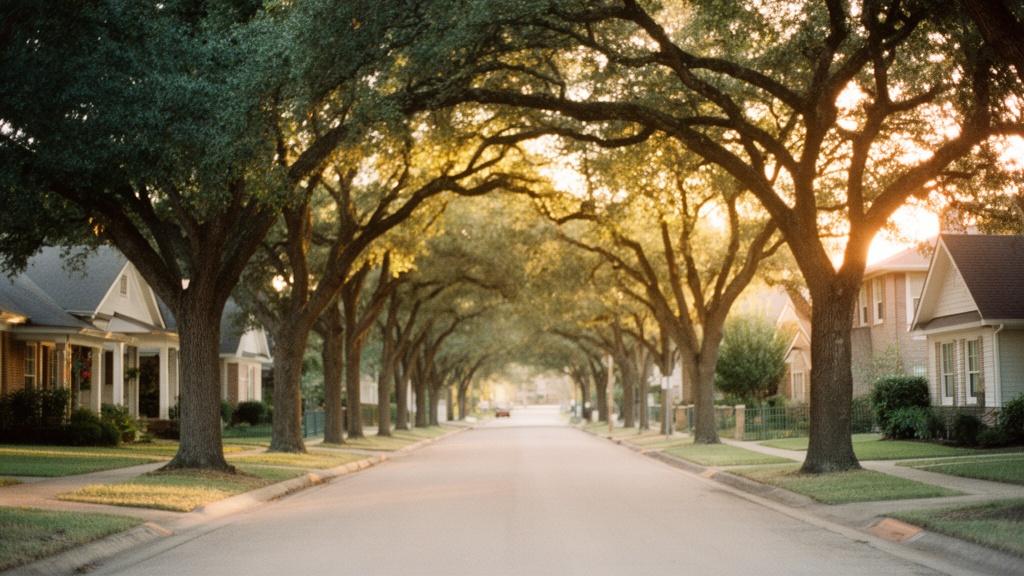
Santa Clarita sits at the northern edge of Los Angeles County, about 30 miles from downtown LA. It is the third-largest city in the county by population, yet it feels noticeably different from the dense urban grid to the south. The Santa Clara River runs through the valley floor, and the surrounding terrain includes the San Gabriel Mountains to the east and the Santa Susana Mountains to the southwest. That geography creates natural borders that give the city a contained, valley feel.
A City Built From Four Communities
Santa Clarita incorporated in 1987 by merging four unincorporated communities: Valencia, Saugus, Canyon Country, and Newhall. Stevenson Ranch sits just outside the city limits but is widely considered part of the Santa Clarita Valley. Each of these areas has its own character, price range, and housing stock, which is why people relocating to Santa Clarita, California often ask which part of the city they should target first.
What the Land Looks Like
Much of Santa Clarita was developed between the late 1980s and the early 2000s, so the housing stock skews toward tract homes, planned communities, and master-planned subdivisions with HOA amenities. Older pockets in Newhall and Canyon Country have pre-1980s homes on larger lots, and newer infill construction continues in select areas. The city has invested heavily in its trail network, with over 100 miles of paseos connecting neighborhoods to parks without crossing a major road.
2. The Neighborhoods: What Each Part of Santa Clarita Offers
Each community in the Santa Clarita Valley has a distinct physical character and price point. Understanding those differences is the first practical step when relocating to Santa Clarita, California, because the right neighborhood depends on your commute direction, budget, and the type of home you want to live in. For a broader look at how these areas compare on physical features, Redfin's overview of Santa Clarita neighborhoods is a useful starting point.
Valencia
Valencia is the most planned of the four communities, developed largely by the Newhall Land and Farming Company starting in the late 1960s. Homes here range from attached townhomes starting around $550,000 to single-family detached homes in the $700,000 to $1.2 million range, depending on the tract and lot size. The paseo system originated here, and Valencia Town Center anchors the retail corridor along McBean Parkway. Henry Mayo Newhall Hospital is located in Valencia, making it a significant local employer. If you want detailed information on buying specifically in Valencia, the article on buying a home in Valencia, California covers the process step by step.
Saugus
Saugus occupies the central and northern portions of the city, bordered by the 14 Freeway to the east and stretching toward Bouquet Canyon Road. The area has a mix of 1980s and 1990s tract homes, many with three to four bedrooms and two-car garages on lots between 5,000 and 8,000 square feet. Median prices in Saugus currently run in the $700,000 to $850,000 range. Saugus has its own commercial corridor along Bouquet Canyon and Soledad Canyon roads, and it sits close to Placerita Canyon State Park. For a deeper look at this community, the Saugus real estate market guide has current pricing and inventory details.
Canyon Country
Canyon Country is the easternmost community and tends to have the widest range of home sizes and lot configurations. You will find smaller homes from the 1960s and 1970s on quarter-acre lots alongside newer construction in gated communities on the hillsides. Entry-level homes here can start in the low $600,000s, while larger custom properties on canyon lots push well above $1 million. The area borders the Angeles National Forest and has direct access to hiking trails in the San Gabriel foothills. Soledad Canyon Road is the main commercial artery.
Newhall
Newhall is the oldest part of Santa Clarita and has the most walkable, mixed-use downtown of any community in the valley. Main Street in Old Town Newhall has restaurants, independent shops, a performing arts center, and the Laemmle Theatre. Housing here includes older bungalows, Spanish-style homes, and newer infill construction. Prices can start in the mid-$500,000s for a smaller older home and climb to $900,000 or more for a renovated or newer property. The Metrolink Newhall station provides commuter rail access to Union Station in downtown Los Angeles.
Stevenson Ranch
Stevenson Ranch is an unincorporated community in the southwestern corner of the Santa Clarita Valley, technically in the county rather than the city. It was built primarily in the 1990s and early 2000s and features large planned subdivisions with wide streets, HOA-maintained common areas, and homes that typically run between 1,800 and 3,500 square feet. Prices currently range from the high $700,000s to well over $1.3 million for larger homes on premium lots. The community sits close to the I-5 interchange at Valencia Boulevard, which is one of the most direct freeway connections to the San Fernando Valley.
3. What It Costs to Buy a Home in Santa Clarita Right Now
In September 2026, the median home price across Santa Clarita sits in the mid-to-high $700,000s, though that number shifts meaningfully depending on the community and property type. The full breakdown of current pricing is covered in the article on the average home price in Santa Clarita in September 2026, but the summary below gives you the ranges you need for initial planning.
Median Prices by Community
- Valencia: Roughly $700,000 to $1.2 million for single-family homes; townhomes and condos from the mid-$500,000s.
- Saugus: Median around $750,000 to $860,000 for detached homes; entry-level condos in the low $500,000s.
- Canyon Country: Entry-level detached homes from the low $600,000s; hillside and larger homes from $900,000 to $1.3 million-plus.
- Newhall: Older homes starting in the mid-$500,000s; renovated or newer infill from $800,000 to $950,000.
- Stevenson Ranch: Typically $800,000 to $1.4 million for larger single-family homes; very few condos or townhomes.
Property Taxes and Mello-Roos
California's base property tax rate is 1% of assessed value under Proposition 13, but many Santa Clarita neighborhoods carry additional Mello-Roos assessments that were used to fund infrastructure when the communities were first built. Mello-Roos bonds in Santa Clarita can add anywhere from $1,000 to $4,000 or more per year to your tax bill, and the amount varies by tract and how many years remain on the bond. Always ask for a full tax breakdown before making an offer. The article on property taxes on a Santa Clarita home explains how to read a tax bill and what to watch for.
Closing Costs and Upfront Cash
- Down payment: Conventional loans typically require 5% to 20% down; on a $780,000 home that is $39,000 to $156,000.
- Closing costs: Typically 1% to 2% of the purchase price for buyers in California, covering escrow fees, title insurance, lender fees, and prepaid items.
- Home inspection: Plan for $400 to $700 for a standard single-family home inspection; specialty inspections (roof, sewer, chimney) add to that.
- HOA fees: Many Santa Clarita communities have HOAs ranging from $50 to $350 per month; some master-planned communities layer a master HOA on top of a sub-HOA.
- Moving costs: A local move from the LA basin typically runs $1,500 to $4,000; a long-distance move from out of state can run $5,000 to $15,000 or more depending on distance and volume.
4. Renting vs. Buying When You First Arrive
Some people relocating to Santa Clarita, California choose to rent for six to twelve months before buying, and that is a legitimate strategy if you are unsure which community fits your daily routine. Others arrive with a clear picture of what they want and go straight into the purchase process. Both approaches work; the right one depends on how much lead time you have and how flexible your employer's relocation timeline is.
Current Rental Market Snapshot
In September 2026, a two-bedroom apartment in Santa Clarita rents for roughly $2,200 to $2,700 per month depending on the complex and community. Three-bedroom single-family rentals are less common but do appear in the $3,200 to $4,200 range. Vacancy rates have stayed relatively low, so competition for well-priced rentals moves quickly. If you are relocating from out of state, be prepared to submit an application with proof of income and employment before you have physically visited the unit, as many landlords in the valley accept remote applications.
When Buying Makes More Sense Right Away
If you already have a strong sense of which community you want, have your financing in order, and plan to stay in Santa Clarita for at least three to five years, buying immediately generally makes more financial sense than renting. Renting at $2,500 per month for a year while searching means spending $30,000 on housing with no equity accumulation. That said, the decision is personal and depends on your financial picture, job stability, and how settled you feel in the area.
5. Your Realistic Relocation Timeline
Most people who are relocating to Santa Clarita, California and buying a home should plan for a four to six month process from initial research to move-in day. That timeline compresses if you are paying cash or have a very specific property type in mind, and it stretches if you are relocating from another state and cannot visit frequently. Here is what each phase typically looks like.
Months One and Two: Research and Pre-Approval
Start by narrowing your community preference based on your commute destination, price range, and the type of home you want. Simultaneously, get a mortgage pre-approval from a lender who is familiar with California. Lenders outside the state sometimes underestimate how Mello-Roos, HOA fees, and California-specific escrow costs affect your debt-to-income ratio. A local lender or one experienced with California transactions will give you a more accurate pre-approval number.
Use this phase to visit Santa Clarita in person if at all possible. Drive Bouquet Canyon Road through Saugus on a Tuesday morning. Walk Old Town Newhall on a Saturday. Take the I-5 south from Stevenson Ranch at 7:30 a.m. to feel what the commute actually involves. No amount of online research replaces that ground-level sense of how the valley is laid out.
Months Two Through Four: Active Search and Offer
Once you are pre-approved and have a clear target area, the active search phase begins. In Santa Clarita's current market, well-priced homes in Valencia and Stevenson Ranch can receive multiple offers within the first week of listing. Homes in Canyon Country and Newhall tend to sit slightly longer on average, which gives buyers a bit more time to evaluate. Plan to tour homes on weekends and be ready to submit an offer within 24 to 48 hours of seeing something that fits.
California real estate contracts include a standard inspection contingency period of 17 days, though buyers sometimes shorten this to 10 days in competitive situations. A loan contingency of 21 days is standard, and appraisal contingencies are negotiated case by case. Your agent will advise you on how to structure the offer given the specific property and seller situation.
Months Four Through Six: Escrow, Move-In and Settling
California escrow typically closes in 30 to 45 days from accepted offer. During that period you will complete inspections, respond to any repair requests, finalize your loan, and review the preliminary title report. On closing day you wire the remaining funds, the deed records with the county, and you receive keys. If you are relocating from out of state, you can often sign closing documents remotely through a notary, though some lenders still require an in-person signing.
Budget two to four weeks after closing for utilities setup, any immediate repairs or painting, and getting oriented to the neighborhood. Santa Clarita's city services are generally straightforward to set up: Southern California Gas, Southern California Edison, and the city's own water and wastewater billing. The city also has a well-regarded parks and recreation department with programs at facilities like the Aquatic Center in Valencia and the Santa Clarita Sports Complex in Saugus.
6. Commutes, Schools and Day-to-Day Life
The practical realities of daily life in Santa Clarita matter as much as the home itself when you are relocating. Commute times, school research, and access to everyday amenities are the questions most newcomers ask after they have settled on a price range.
Getting to Work
Santa Clarita connects to the greater Los Angeles area primarily via the I-5 and the SR-14 (Antelope Valley Freeway). The drive to downtown Los Angeles from Valencia via the I-5 is roughly 30 miles and takes 35 to 55 minutes during off-peak hours, but peak morning commutes between 7:00 and 9:00 a.m. can push that to 60 to 90 minutes. The SR-14 provides access to the eastern San Fernando Valley and Palmdale. Metrolink's Antelope Valley Line stops at Newhall, Santa Clarita (Via Princessa), and Canyon Country, with trains reaching Union Station in about 65 to 75 minutes.
The Santa Clarita Transit system runs local bus routes throughout the valley and connects to the Metrolink stations. For residents who work within the valley itself, many employers are located along the McBean Parkway and Tourney Road corridors in Valencia, making the commute entirely local and often under 15 minutes.
Researching Schools
Santa Clarita is served primarily by the William S. Hart Union High School District for grades 9 through 12, and by multiple elementary districts including Saugus Union, Newhall, Sulphur Springs, and Castaic. Because school boundaries do not always follow community lines, the specific elementary district serving a given address can vary by street. The article on school districts in Santa Clarita and how to research them explains how to look up the district for any specific address and which state and district resources to use for your own research. School assignment is a personal decision that every family should verify directly with the relevant district before purchasing.
Parks, Shopping and What Is Physically Here
Santa Clarita has over 60 city parks, more than 100 miles of trails, and several regional open-space preserves including Towsley Canyon and Ed Davis Park in Towsley Canyon. Six Flags Magic Mountain and Hurricane Harbor are located within the city limits on the I-5 corridor. For everyday shopping, the Westfield Valencia Town Center has a full department store lineup and a movie theater, and the Bouquet Canyon corridor in Saugus has a mix of grocery stores, restaurants, and neighborhood retail.
The College of the Canyons, a two-year community college with campuses in Valencia and Canyon Country, serves roughly 20,000 students and is a significant local institution. The Santa Clarita Arts district in Old Town Newhall hosts the Laemmle Theatre, the Canyon Theatre Guild, and a growing number of galleries and studios. The city's population as of 2026 is approximately 230,000, making it large enough to have full urban amenities while remaining compact enough to navigate without the congestion of central Los Angeles.
For a broader perspective on what is driving people to move to and from the Santa Clarita Valley right now, the Signal's coverage of moving trends in Santa Clarita provides useful local context on migration patterns and what is attracting new residents to the area.
FAQ
How long does it realistically take to relocate to Santa Clarita and buy a home?
Most buyers who are relocating to Santa Clarita, California should plan for four to six months from the start of their search to move-in day. The research and pre-approval phase takes four to eight weeks, the active home search and accepted offer typically takes another four to eight weeks in the current market, and California escrow closes in 30 to 45 days. If you are relocating from out of state and can only visit occasionally, add two to four weeks to account for scheduling tours and managing the process remotely. Cash buyers or those with very specific and readily available inventory can sometimes compress this to six to eight weeks.
Which Santa Clarita community has the lowest home prices for buyers with a tighter budget?
Canyon Country and Newhall currently offer the widest range of entry-level options in the Santa Clarita Valley. In Canyon Country, detached single-family homes can be found starting in the low $600,000s, particularly in older tracts from the 1960s and 1970s. Newhall has smaller bungalows and older Spanish-style homes starting in the mid-$500,000s, though those properties often require updating. Both communities have active inventory and tend to see slightly less competition than Valencia or Stevenson Ranch, giving buyers a bit more time to evaluate before submitting an offer. The tradeoff is that some properties in these areas are older and may carry deferred maintenance.
Do I need to worry about Mello-Roos when buying in Santa Clarita?
Yes, Mello-Roos is a real cost factor in many Santa Clarita neighborhoods and should be factored into your budget before you make an offer. These are special tax assessments levied on properties in community facilities districts, and they were used to fund roads, schools, and utilities when newer communities were built in the 1980s and 1990s. The annual Mello-Roos charge on a Santa Clarita home can range from under $1,000 to over $4,000 depending on the tract and how many years remain on the bond. Some older Newhall and Canyon Country properties have no Mello-Roos at all, while many Valencia and Stevenson Ranch tracts carry ongoing assessments. Always request the full tax breakdown from the listing agent or county tax records before making an offer.