

← Back to Blog
Neighborhoods
What Is It Actually Like to Live in the Kenwood Neighborhood of Saint Petersburg Florida Day to Day
By Susan Ross
REAL ESTATE SERVICES, MORTGAGE AND TITLE · BK# 3283805
September 17, 2026 · 11 min read
If you are wondering what it is like to live in the Kenwood neighborhood of Saint Petersburg Florida day to day, the short answer is this: it is a walkable, architecturally rich inland neighborhood where bungalows sit on tree-lined streets a short drive from downtown, the beaches, and some of the city's most-visited local businesses. This article covers the physical layout of the neighborhood, what the streets and homes feel like on a typical morning, how commutes work, where residents shop and eat, what housing costs look like in September 2026, and everything else a buyer or relocator would want to know before making a decision.
1. The Physical Layout of Kenwood and What the Streets Are Like
Historic Kenwood sits on the west side of Saint Petersburg, roughly between 16th Street North to the east, 31st Street North to the west, 1st Avenue North to the south, and 5th Avenue North to the north, though the broader Kenwood area extends further in some directions depending on who you ask. It is an inland neighborhood, meaning no waterfront views, but that is also why the lots are deeper, the homes are larger relative to price, and the streets feel quieter than many coastal pockets of the city.
How the Neighborhood Is Organized
The street grid is straightforward. Kenwood follows Saint Petersburg's standard numbered grid system, so navigation is easy from day one. Most blocks run east to west with numbered avenues, and north to south with numbered streets. The neighborhood is flat, which matters for anyone who plans to walk or bike regularly.
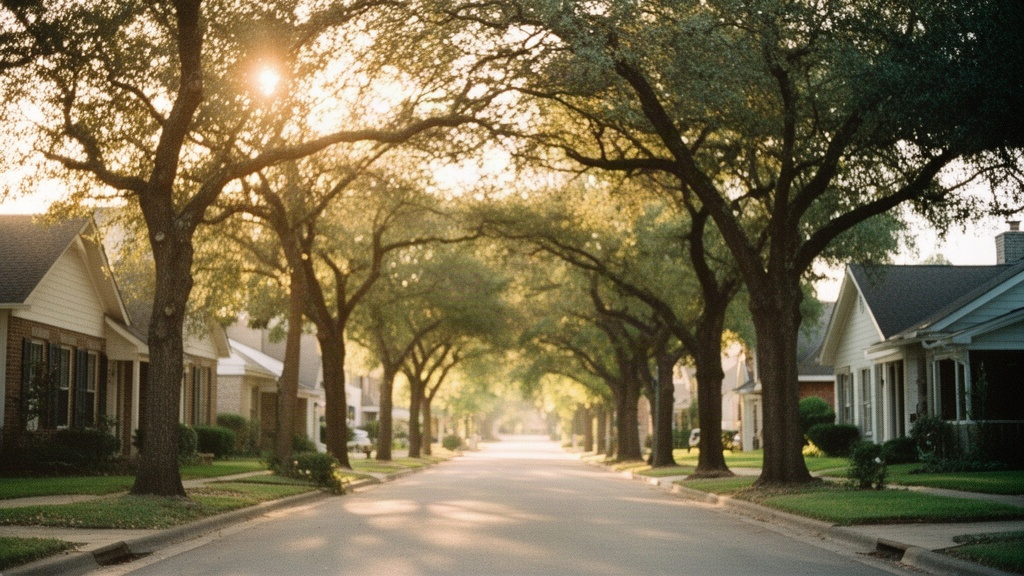
The blocks themselves are a mix of single-family homes, a handful of small duplexes, and the occasional converted carriage house. Mature oak trees line many of the streets and provide real shade in the Florida heat. Sidewalks are present on most blocks, though some of the older stretches near the edges of the neighborhood are narrower or cracked from tree roots.
What the Architecture Looks Like Up Close
Kenwood is officially designated Historic Kenwood, and the historic designation is not just a marketing label. The neighborhood was platted in the 1910s and 1920s, and the majority of the housing stock dates from that era through the early 1950s. You will see Craftsman bungalows with wide front porches and exposed rafter tails, Mission Revival homes with stucco facades and arched windows, Florida vernacular cottages, and the occasional Mediterranean Revival with a clay tile roof. Most homes sit on lots ranging from 5,000 to 7,500 square feet, with living space typically between 1,000 and 2,200 square feet.
Walking a single block in Kenwood, you might pass a 1924 bungalow with a freshly painted porch next to a 1938 cottage mid-renovation next to a fully restored 1920s home with original hardwood floors and updated kitchen. The neighborhood has a mix of move-in-ready homes and properties that are still being brought back. That variety is part of what makes the housing market here interesting for buyers at different budget levels. For a deeper look at homes currently listed, the Historic Kenwood homes for sale resource from Living Central FL provides useful context on what is available and what buyers are finding in today's market.
2. A Typical Day Living in Kenwood, Saint Petersburg Florida
Day-to-day life in Kenwood feels distinctly local. The neighborhood does not have a large commercial strip running through it, so it is quiet on weekday mornings, but it sits close enough to several active corridors that residents have real options within a short walk or drive.
Morning Routines and Walkability
Kenwood's walkability score is meaningfully above average for Saint Petersburg. On a typical morning, residents walk or bike to coffee shops along Central Avenue, which forms the southern boundary of the neighborhood. Central Avenue between roughly 16th and 30th Street is one of the most active commercial corridors in the city, with independent coffee shops, bakeries, and breakfast spots within a few blocks of most Kenwood addresses.
The EDGE District, which begins around 16th Street and Central Avenue, is a short walk or bike ride from the eastern edge of Kenwood. That district has become one of the more active commercial areas in Saint Petersburg, with galleries, restaurants, and creative businesses concentrated in a walkable stretch. The proximity means Kenwood residents can access a lot of the city's energy without living in the middle of it.
Where Residents Eat, Drink, and Shop
Central Avenue is the main artery for daily errands and dining. Within a mile of most Kenwood addresses you will find grocery options, hardware stores, independent restaurants, bars, and specialty shops. The Saturday Morning Market at Al Lang Stadium in downtown Saint Petersburg is about a 15-minute bike ride from the neighborhood and draws a large portion of Kenwood residents on weekend mornings from October through May.
For larger grocery runs, a Publix on Central Avenue and a Trader Joe's further east are both reachable without getting on the interstate. Residents who prefer driving have easy access to the Tyrone area shopping corridor along 22nd Avenue North, which has a broader range of big-box retail about 10 minutes away.
Evenings and Weekends
Weekend life in Kenwood tends to center on the neighborhood itself and the surrounding corridors. Front porches see a lot of use here, which is not a cliche: the architecture was built for outdoor living, and the culture in the neighborhood has followed. Block events, art walks along Central Avenue, and the monthly Grand Central District events all pull Kenwood residents out into the streets. The neighborhood also borders the Grand Central District, a stretch of Central Avenue known for local bars, music venues, and independent restaurants that draws foot traffic on weekend evenings.
For beach days, Treasure Island and St. Pete Beach are both roughly 20 to 25 minutes by car from Kenwood, depending on traffic. The Pinellas Trail, a paved multi-use path that runs the length of Pinellas County, is accessible from the neighborhood and connects to both parks and the broader trail network.
3. Commutes and Getting Around from Kenwood
Kenwood's central location within Saint Petersburg is one of its most practical advantages. The neighborhood sits far enough from downtown to feel residential, but close enough that most destinations in the city are reachable without a long drive.
Driving to Key Destinations
Most Kenwood residents who commute by car report drive times that are manageable by Tampa Bay area standards. Downtown Saint Petersburg is roughly 10 to 15 minutes east depending on the time of day. The Gandy Bridge to Tampa is about 20 to 25 minutes from Kenwood in normal traffic, making the neighborhood a reasonable base for people who work in Tampa but prefer to live in Saint Petersburg. The Howard Frankland Bridge, another major crossing into Tampa, adds about 5 minutes to that estimate from Kenwood's location.
Interstate 275 is accessible within about 10 minutes, connecting residents to both downtown Saint Petersburg to the south and the broader Pinellas County network to the north. St. Pete-Clearwater International Airport is approximately 25 minutes away, and Tampa International Airport is about 35 to 40 minutes in typical traffic.
Biking and Walking as Real Options
Kenwood is one of the more bikeable neighborhoods in Saint Petersburg. The flat terrain and grid layout make cycling practical for errands, and the Pinellas Trail provides a safe, separated path for longer rides. Residents who work in the downtown core or along the Central Avenue corridor sometimes bike commute year-round. Saint Petersburg has expanded its protected bike lane network in recent years, and several of those lanes connect Kenwood to adjacent commercial areas.
Looper, the free downtown circulator, does not reach Kenwood directly, but the Pinellas Suncoast Transit Authority bus routes serve the Central Avenue corridor and provide connections to downtown and other parts of the city. For residents who prefer not to own a car or want to reduce daily driving, Kenwood's location makes that more feasible than in many other Saint Petersburg neighborhoods.
4. Housing Stock, Prices, and What the Market Looks Like Right Now
Understanding the housing market in Kenwood is essential before making any decisions about buying or selling here. The neighborhood has seen consistent interest from buyers over the past several years, and the inventory picture in September 2026 reflects that sustained demand.
What Types of Homes Are Available
The overwhelming majority of Kenwood's housing stock is single-family detached homes. Condos and townhomes are rare inside the core neighborhood boundaries. Most homes are one or two stories, with square footage ranging from roughly 900 square feet on the smaller cottages to around 2,400 square feet on the larger Craftsman and Mission Revival properties. Garages are not universal: many homes have a detached garage or carport, and some have no covered parking at all, which is worth factoring into your search if that matters to you.
A meaningful portion of Kenwood homes have been renovated to some degree, but the quality and scope of those renovations varies considerably. Some properties have been fully updated with new electrical, plumbing, HVAC, and kitchens while preserving original hardwood floors and architectural details. Others have cosmetic updates only. Buyers working with an experienced agent will want to look carefully at what has and has not been touched during any renovation.
Current Price Ranges in September 2026
As of September 2026, entry-level single-family homes in Kenwood, typically smaller unrenovated or partially renovated cottages, are priced in the low-to-mid $400,000s. Fully renovated bungalows with updated systems and original character intact are generally priced between $525,000 and $750,000 depending on size and the quality of the work. Larger homes on the upper end of the neighborhood's square footage range, or properties with carriage houses or significant lot size, can reach into the $800,000s.
These figures represent a notable increase from where Kenwood was priced five years ago, and the neighborhood has attracted buyers who might previously have looked only at Old Northeast or Snell Isle. If you are also considering other parts of the city, the broader Saint Petersburg real estate market guide on this site covers how Kenwood compares to other neighborhoods across price range and inventory.
What Buyers Are Competing For
Well-priced, move-in-ready homes in Kenwood continue to attract multiple offers in September 2026. Inventory has loosened slightly compared to the peak years of 2021 and 2022, but Kenwood is not a neighborhood where buyers can take weeks to make up their minds on a strong property. Homes that are priced accurately and show well tend to go under contract within the first two to three weeks. Properties that need significant work or are priced above comparable sales are sitting longer, which creates some negotiating room for buyers willing to take on a project.
If you are relocating from out of state and trying to understand how Kenwood fits into the broader Saint Petersburg picture, the relocation guide for Saint Petersburg on this site covers costs, timelines, and neighborhood comparisons that are useful for anyone moving from another state.
5. Parks, Community, and the Texture of Neighborhood Life
Beyond the physical homes and commute times, what makes Kenwood feel like a place people stay in for decades is harder to quantify but worth describing honestly. The neighborhood has a strong sense of local identity that shows up in small, concrete ways.
Green Space and Outdoor Life
Kenwood has several neighborhood parks within walking distance of most addresses. Woodlawn Park on 22nd Avenue North is one of the most used, with open grass, mature trees, and a playground. The Kenwood Neighborhood Park near 26th Street North provides additional green space and a gathering point for residents. Neither park is large by municipal standards, but in a neighborhood where many homes have modest yards, the proximity to these spaces matters in daily life.
For larger outdoor spaces, Walter Fuller Park is about 10 minutes by car and includes a public pool, tennis courts, and a disc golf course. Crescent Lake Park, which sits in the Crescent Lake neighborhood to the northeast, is a popular destination for walking and jogging around the lake. The Pinellas Trail, accessible from the neighborhood, connects to Weedon Island Preserve and the broader county trail network for longer rides.
The Kenwood Community and Local Identity
Kenwood has an active neighborhood association, the Historic Kenwood Neighborhood Association, which organizes events and advocates for preservation and local issues. The association has been a consistent force in maintaining the neighborhood's historic character and in shaping how new development is handled near its boundaries. Residents who move here and engage with the association tend to feel connected to the neighborhood faster than in areas without that kind of organized community infrastructure.
The neighborhood's arts culture is genuine rather than performative. Kenwood has historically been home to artists, craftspeople, and musicians, and that presence still shows in the studios, murals, and gallery spaces scattered through the area. The monthly art walk events along Central Avenue draw participants from Kenwood and bring visitors from across the city. For anyone interested in a deeper look at the neighborhood's character and history, the complete neighborhood guide for Historic Kenwood provides detailed background on the area's development and current character.
For buyers who are also thinking about the investment side of owning in Kenwood, the investment property guide for Saint Petersburg covers how historic neighborhoods like Kenwood perform relative to other parts of the city for rental income and long-term appreciation.
If you are already thinking seriously about buying in Kenwood and want to understand how to choose the right agent for this specific market, the guide on hiring a buyer's agent in Kenwood on this site walks through what to look for and what questions to ask.
FAQ
Is Kenwood walkable enough to live without a car in Saint Petersburg, Florida?
Kenwood is one of the more walkable neighborhoods in Saint Petersburg, but whether you can go fully car-free depends on where you work and how you live. Most daily errands, including coffee, casual dining, and some grocery shopping, are reachable on foot or by bike from most Kenwood addresses. The Pinellas Suncoast Transit Authority runs bus service along Central Avenue, and the Pinellas Trail connects the neighborhood to a wide range of destinations. Residents who work downtown or along the Central Avenue corridor have the most realistic path to reducing or eliminating car use, while those commuting to Tampa or the beaches will generally still need a vehicle.
What should buyers know about the condition of historic homes in Kenwood before making an offer?
Homes built in the 1910s through 1950s come with considerations that newer construction does not. Electrical systems in unrenovated homes may still have older wiring that does not meet current code, which affects both safety and insurance costs. Plumbing in older homes can include galvanized steel pipes that are past their useful life. Roof conditions vary widely, and insurance carriers in Florida have become increasingly selective about older roof types. A thorough inspection by a licensed home inspector familiar with historic Florida construction is essential, and buyers should budget for the possibility that systems have been cosmetically updated without being fully replaced. Working with an agent who knows the Kenwood market and can read renovation quality accurately is genuinely useful here.
How does living in Kenwood compare to living in other inland Saint Petersburg neighborhoods like Crescent Lake?
Kenwood and the Crescent Lake area share some characteristics: both are inland, both have significant historic housing stock, and both sit within a reasonable distance of downtown. The main differences are in commercial access and price. Kenwood's southern border on Central Avenue gives it more immediate walkable access to restaurants, bars, and shops than the Crescent Lake area, which is quieter and more residential in feel. Crescent Lake properties tend to be priced slightly differently depending on proximity to the lake itself, and the housing styles overlap but are not identical. Buyers who prioritize walkability to commercial corridors often find Kenwood's position more convenient, while those who want a quieter residential feel may prefer the Crescent Lake area. Both are worth visiting in person before deciding.