← Back to Blog
Local Living
Is Douglas MA Considered a Rural Town and What Kind of Amenities and Services Are Available Locally
By Ashley Vanmoerkerque
Century 21 North East
September 23, 2026 · 11 min read
Many people searching for a home in Douglas, Massachusetts ask the same question: is Douglas MA considered a rural town, and will I have to drive 30 minutes for a gallon of milk? The honest answer is more nuanced than a simple yes or no, and understanding what is actually available locally can make or break your relocation decision. This article breaks down Douglas's rural character, its on-the-ground amenities, and exactly what you can and cannot expect to find within town limits.
1. How Douglas, MA Is Officially Classified and What That Means
Douglas, Massachusetts is officially classified as a rural small town. The U.S. Census Bureau and the Commonwealth of Massachusetts both categorize Douglas as a rural community based on its population density, land use patterns, and the proportion of undeveloped land relative to its total area. As of the 2020 Census, Douglas had a population of roughly 8,500 residents spread across approximately 37 square miles, which works out to fewer than 230 people per square mile. That figure places it firmly in rural territory by any standard definition.
The Official Rural Designation
Massachusetts uses its own planning classifications alongside federal ones. The Massachusetts Executive Office of Energy and Environmental Affairs categorizes Douglas as a rural town, meaning it lacks a traditional downtown commercial core and has a significant portion of its land under conservation, agriculture, or forest cover. The town has no traffic lights, no chain retail corridor, and no dense commercial strip. That is not an oversight; it reflects a deliberate pattern of low-density development that has defined Douglas for generations.
The National Association of Realtors has noted growing buyer interest in smaller markets like Douglas, particularly among buyers seeking lower density and more land per dollar. You can read more about that trend in their coverage of buyers interested in smaller markets, which reflects what Ashley Vanmoerkerque sees firsthand in the Douglas market right now.
What Rural Actually Feels Like on the Ground
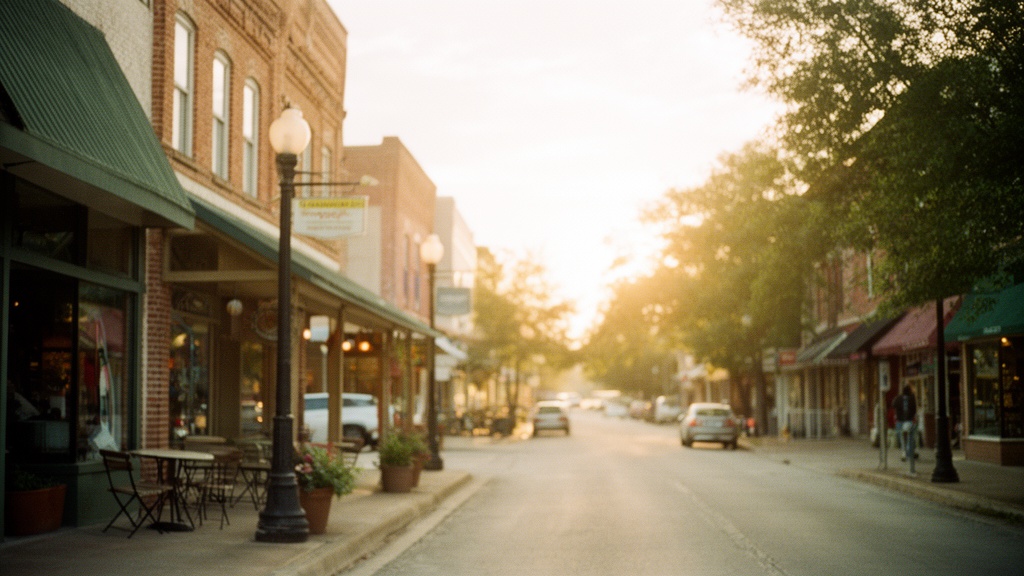
Driving through Douglas gives you an immediate sense of its character. Route 16 and Route 96 are the two primary roads that run through town, and most of what you see along them is wooded land, stone walls, ponds, and residential driveways set back from the road. The town center near Depot Street and Main Street has a classic New England village feel: a town hall, a library, a church, and a handful of small businesses clustered together. Beyond that, the landscape opens up quickly into forest and fields.
This character is a feature for many buyers, not a limitation. People who relocate to Douglas frequently cite the quiet roads, the dark skies, and the sense of space as primary reasons for choosing the town. But it does mean you need to understand what is and is not available before you commit to buying here.
2. Parks, Open Space, and Outdoor Amenities in Douglas
Outdoor recreation is one area where Douglas genuinely punches above its weight for a town its size. The town's rural classification comes with a substantial upside: a large portion of Douglas is permanently protected open space, giving residents access to trails, water, and forest that many larger towns simply do not have.
Douglas State Forest
Douglas State Forest is the centerpiece of outdoor life in town. Managed by the Massachusetts Department of Conservation and Recreation, the forest covers more than 5,000 acres and sits largely within Douglas's borders. It includes the 68-acre Wallum Lake, which has a sandy beach, a boat ramp, and designated swimming areas open to the public during summer months. The forest trail system runs for dozens of miles and is used by hikers, mountain bikers, horseback riders, and snowmobilers depending on the season. The Cedar Swamp Trail is one of the more notable routes, passing through a rare Atlantic white cedar swamp that is unusual for central Massachusetts.
The forest also connects to trail networks that cross into Rhode Island to the south. For buyers who prioritize outdoor access, this is a meaningful amenity that is effectively in the backyard for many Douglas neighborhoods. It is worth noting that the forest entrance off Wallum Lake Road is reachable within five to ten minutes from most parts of town.
Local Ponds and Recreation Areas
Beyond Wallum Lake, Douglas has several smaller ponds scattered across town. Cook Pond and Whitins Pond are two that residents use for fishing and non-motorized boating. The town also maintains athletic fields and a recreation department that organizes youth sports leagues and seasonal programs. Soldiers Memorial Park near the town center includes open lawn space and is used for community gatherings throughout the year.
3. Everyday Services and Conveniences Available in Douglas
Douglas does have a functional base of everyday services, though the selection is smaller than what you would find in a suburb. Understanding what is available locally versus what requires a drive is essential for anyone considering a move here.
Grocery and Daily Errands
Douglas does not have a full-size supermarket within town limits. The closest major grocery options are in Uxbridge, approximately eight miles north, where a Shaw's Supermarket anchors a small retail plaza. Northbridge and Millbury also have grocery stores within roughly 15 to 20 minutes by car. Many Douglas residents make a weekly grocery run to one of these neighboring towns and supplement with the smaller convenience and specialty stores closer to home.
Within Douglas itself, you will find a small number of convenience stores and a local farm stand that operates seasonally. For hardware and home supplies, residents typically head to Uxbridge or Northbridge. A post office, a bank branch, and a gas station are present in town, covering the most basic daily errands without leaving Douglas.
Dining and Local Businesses
Douglas has a modest but genuine local dining scene. A handful of independently owned restaurants and a pizza shop serve the town. The Douglas House of Pizza on Main Street is a long-standing local spot. There is no fast-food corridor and no chain restaurants within town, which suits residents who prefer a quieter, less commercial environment. For a broader restaurant selection, Uxbridge and Webster are the nearest options, each about 10 to 15 minutes away.
Small businesses in Douglas include a few hair salons, auto repair shops, and contractors who serve the local area. The business community is small but stable, reflecting the town's overall character as a place where residents value quiet over commercial density.
Healthcare and Emergency Services
Douglas has its own fire department and police department, both of which operate full time. Emergency medical services are also locally based, with response times that reflect a rural but well-staffed department. For primary care and specialist medical appointments, most Douglas residents use providers in Uxbridge, Milford, or Worcester. Milford Regional Medical Center is approximately 14 miles northeast of Douglas and serves as the nearest full-service hospital. UMass Memorial Medical Center in Worcester is about 25 miles north and offers a broader range of specialty care.
4. Town Services, Infrastructure, and Community Institutions
Douglas functions as a full-service municipality despite its small size and rural classification. Town government, public works, and community institutions are all active and locally operated.
Municipal Services
Douglas operates under a town administrator and elected Board of Selectmen structure. The town provides its own public works department for road maintenance, snow removal, and infrastructure upkeep. Trash collection is handled through a transfer station rather than curbside pickup, which is common in rural Massachusetts towns. Residents bring their household waste to the Douglas Transfer Station on Northeast Main Street, which is open on designated days throughout the week. This is a practical detail worth knowing before you move, since it differs from suburban curbside collection.
Water and sewer service in Douglas is primarily private. Most homes in town rely on private wells and septic systems rather than municipal water and sewer connections. This is standard for rural Massachusetts communities and is an important consideration when evaluating a property, since well and septic maintenance and inspection costs become the homeowner's responsibility. Buyers should factor this into their due diligence process. For more on what to expect when purchasing in Douglas, the article on buying a home in Douglas, Massachusetts covers the process and associated costs in detail.
Library, Post Office, and Community Spaces
The Simon Fairfield Public Library is a genuine community anchor in Douglas. The library offers public computing access, a children's program schedule, and participation in the Minuteman Library Network, which allows cardholders to borrow from hundreds of libraries across Massachusetts. It sits on Main Street in the town center and is within walking distance of the town hall. The Douglas Post Office on Main Street handles mail and package services for most of the town's residents. Community events, town meeting sessions, and local gatherings typically take place at the Douglas Municipal Center.
5. What You Will Need to Drive For and How Far
Being clear-eyed about what requires a drive is one of the most useful things you can do before choosing Douglas. The rural character of the town means that certain categories of goods and services simply are not available locally, and that is a trade-off worth understanding before you sign a purchase and sale agreement.
Nearby Cities for Larger Retail and Medical Needs
Uxbridge is the most convenient neighboring town for everyday retail needs. It sits about eight miles north of Douglas center and has a grocery store, pharmacy, and a small collection of retail shops. Webster, about 10 miles to the west near the Connecticut border, offers a broader retail base including a Walmart and additional dining options. Milford, roughly 14 miles northeast, has a more developed commercial corridor with national retailers, medical offices, and specialty stores. Worcester, at approximately 25 miles north, is the regional city for major shopping, hospitals, and cultural amenities.
Douglas also borders Rhode Island to the south, with Burrillville, RI just across the state line. Some Douglas residents use Woonsocket, RI for additional retail and services, which is accessible via Route 146 in about 20 to 25 minutes. If you are comparing options on both sides of the border, the article on the cost of living in Burrillville RI versus Douglas MA provides useful context for that comparison.
Commute Context for Buyers and Relocators
Douglas has no commuter rail service and no local public transit. Residents who work outside the town rely entirely on personal vehicles. Route 16 provides the primary east-west corridor, connecting Douglas to Uxbridge and Milford to the north and east, and to Webster and I-395 to the west. I-395 is reachable in about 15 minutes from Douglas center and provides a direct route south toward Connecticut or north toward Worcester. For buyers who commute to Worcester or the greater Boston area, the commute times from Douglas to Worcester and Boston article breaks down realistic drive times and route options.
6. What the Rural Character Means for the Housing Market
The rural classification of Douglas directly shapes the type of housing available and the price points buyers encounter. Understanding this connection helps buyers set realistic expectations before they start touring homes.
Lot Sizes and Property Types
Most residential lots in Douglas are measured in acres rather than fractions of an acre. The town's zoning bylaws require minimum lot sizes of one to two acres in most residential zones, which means even modest homes often sit on substantial land. The dominant housing types are single-family colonial, cape, and ranch-style homes built between the 1960s and the 2000s, with a smaller inventory of newer construction homes in subdivisions developed over the past two decades. Condominiums and multi-family properties exist but are far less common than in suburban towns of comparable size.
The West Douglas area, in particular, features larger parcels and more wooded settings. Homes there tend to sit further from the town center and offer more privacy. For a closer look at that part of town, the West Douglas real estate market guide covers pricing, property types, and what to expect in that area specifically.
Price Context and Market Conditions
As of September 2026, median home prices in Douglas are running in the low-to-mid $500,000 range for single-family homes. That figure reflects the combination of larger lot sizes, newer construction inventory, and sustained buyer demand from people relocating out of higher-cost suburbs closer to Boston and Worcester. The rural character of the town has not suppressed prices; if anything, the demand for space and privacy has kept Douglas competitive. Inventory remains tight, with homes in good condition often receiving multiple offers within the first week of listing.
The NAR's 2025 Profile of Home Buyers and Sellers noted a continued shift toward buyers prioritizing space and lower density, a trend that aligns directly with what is driving activity in Douglas right now. You can read more about those national patterns in the NAR 2025 Profile of Home Buyers and Sellers, which provides useful national context for what Ashley Vanmoerkerque sees on the ground in Douglas.
For buyers who are newer to the Douglas market, the Douglas Massachusetts real estate market guide provides a comprehensive overview of pricing, timing, and what to expect when competing for a home in this town.
FAQ
Is Douglas MA considered a rural town by official standards?
Yes, Douglas, Massachusetts is officially classified as a rural small town by both the U.S. Census Bureau and the Commonwealth of Massachusetts. With a population of roughly 8,500 people spread across 37 square miles, the town has fewer than 230 residents per square mile, which places it squarely in rural territory. The town has no traffic lights, no chain retail corridor, and a significant portion of its land is permanently protected as conservation land or state forest. This rural designation shapes everything from zoning requirements to the types of homes available and the services you will find within town limits.
What amenities and services are actually available within Douglas, MA?
Douglas has a functional base of local services including a post office, a bank branch, a gas station, a public library, a fire and police department, and a small number of locally owned restaurants and convenience stores. The town also has a recreation department, athletic fields, and extensive access to Douglas State Forest, which covers more than 5,000 acres and includes Wallum Lake with a public beach. For grocery shopping, pharmacies, and larger retail, most residents drive to Uxbridge, about eight miles north, or to Webster or Milford. There is no supermarket within Douglas town limits, and no commuter rail or public transit service.
Does the rural character of Douglas affect home prices or the types of homes available?
Yes, the rural character of Douglas has a direct effect on both. Zoning bylaws require minimum lot sizes of one to two acres in most residential zones, which means homes typically come with substantial land even at modest price points. The dominant housing types are single-family colonials, capes, and ranch-style homes, with limited condominium or multi-family inventory. As of September 2026, median single-family home prices in Douglas are in the low-to-mid $500,000 range, reflecting strong demand from buyers seeking space and lower density. The combination of larger lots, wooded settings, and proximity to Douglas State Forest has kept buyer interest steady even as inventory remains tight.