
← Back to Blog
Selling
Downsizing in Tampa, FL: Options, Costs and Timing
By Nina Windham, Licensed Realtor
The Somerday Group · DBPR# SL3542542
September 11, 2026 · 12 min read
Downsizing in Tampa, FL involves more moving parts than simply selling a larger home and buying a smaller one. From choosing the right property type and neighborhood to understanding the real costs and figuring out whether to sell first or buy first, the decisions stack up quickly. This guide walks through every stage so you can move forward with a clear plan.
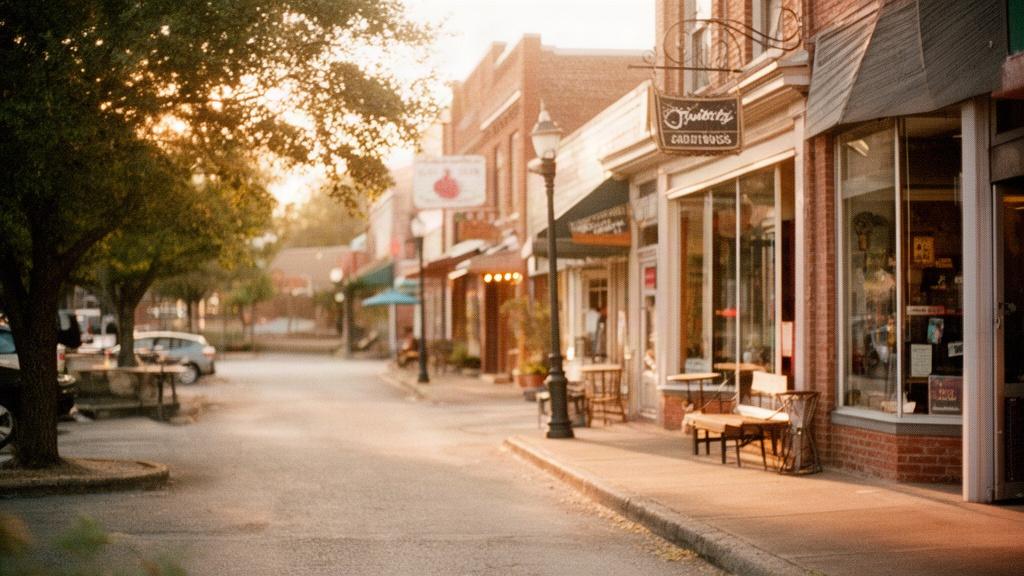
1. What Downsizing Actually Looks Like in Tampa's Housing Market
Downsizing in Tampa, FL means trading square footage for equity, lower maintenance costs, or a lifestyle that fits a different chapter of life. It is not a niche move. A meaningful share of Tampa's resale activity in 2026 involves homeowners stepping out of four-bedroom suburban homes into something smaller, whether that is a two-bedroom condo near Bayshore Boulevard, a villa in a gated community, or a compact single-family home closer to the water.
The Inventory You Are Working With
Tampa's housing stock is genuinely diverse, which works in a downsizer's favor. The metro area includes everything from 1950s bungalows in Seminole Heights to new-construction villas in Wesley Chapel, mid-rise condos along the Channelside waterfront, and low-maintenance townhome communities throughout Westchase and Carrollwood. That range means you are not forced into one product type; you can match the home to how you actually want to live.
Inventory levels across Tampa have loosened compared to the tight conditions of 2022 and 2023. As of September 2026, buyers in most Tampa submarkets are seeing more choices and more room to negotiate than they had two or three years ago. That is relevant for downsizers because it reduces the pressure to rush a purchase decision, which is one of the most common mistakes in a downsize transaction.
Price Gaps Between Large and Small Homes
The equity spread is one of the most compelling arguments for downsizing in Tampa right now. A four-bedroom home in South Tampa or Westchase that was purchased a decade ago could be worth $600,000 to $900,000 or more today. Swapping that for a two-bedroom condo priced at $350,000 to $500,000, or a smaller single-family home in the $380,000 to $550,000 range, can free up $150,000 to $400,000 in net equity depending on your remaining mortgage balance. That capital can fund retirement, eliminate a mortgage entirely, or simply reduce monthly carrying costs by several hundred dollars.
2. Your Housing Options When Downsizing in Tampa, FL
Tampa offers several distinct property types suited to downsizing, each with a different cost structure and lifestyle profile. Understanding the trade-offs before you start touring homes will save you time and prevent buyer's remorse after closing.
Condos and High-Rise Living
Condos are the most common downsize destination for people who want to eliminate exterior maintenance entirely. In Tampa, condo options range from older mid-rise buildings along Bayshore Boulevard priced from the low $300,000s to newer high-rise units in the Channel District and Water Street corridor that can reach $700,000 and above. Monthly HOA fees are a significant line item: expect $500 to $1,200 per month in most buildings, which covers insurance on the building shell, exterior upkeep, amenities, and sometimes water and trash. Factor that into your total monthly cost comparison against your current home.
Florida's condo market has also been affected by post-Surfside legislation requiring reserve studies and structural inspections for buildings three stories and taller. Before making an offer on any Tampa condo, request the most recent reserve study, the board meeting minutes from the past 12 months, and the current budget. Special assessments for deferred repairs have caught some buyers off guard in 2025 and 2026, so this due diligence step is not optional.
Townhomes and Villa Communities
Townhomes and attached villas sit between a condo and a detached single-family home in both price and maintenance responsibility. In communities like Westchase and Carrollwood, two-bedroom and three-bedroom townhomes are priced from roughly $320,000 to $480,000. HOA fees tend to run lower than high-rise condos, typically $250 to $500 per month, and often cover lawn care and exterior painting. You still own the land under the structure in most cases, which matters for insurance and financing purposes.
Single-Family Homes Under 1,800 Square Feet
Some downsizers want a detached home with a yard but simply want less of it. Tampa has a solid supply of two-bedroom and three-bedroom single-family homes in the 1,000 to 1,800 square foot range, particularly in Seminole Heights, Carrollwood, and parts of South Tampa. These homes typically carry lower HOA fees or none at all, and they give you full control over the property. Prices in this range run from roughly $350,000 in areas farther from the urban core to $600,000 and above in South Tampa zip codes like 33611 and 33629.
55-Plus and Active Adult Communities
The greater Tampa Bay area has a number of age-restricted communities designed specifically for residents 55 and older. These communities typically offer single-story homes or villas, shared amenities like clubhouses and pools, and organized social programming. Prices vary widely depending on location and home size, from the mid-$200,000s in communities farther from the coast to $500,000 and above in more established developments closer to the water. For a broader look at options across the region, the guide at Downsizing Insights covers several Tampa-area communities in detail.
3. The Real Costs of Downsizing in Tampa
Most people underestimate the transaction costs on both sides of a downsize. You are not just netting the difference between your sale price and your purchase price. You are paying closing costs and commissions on the sell side, closing costs and prepaid expenses on the buy side, and moving and storage costs in the middle. Running these numbers before you list your home is essential.
Selling Costs on Your Current Home
When you sell a home in Tampa, expect total selling costs to run between 7% and 10% of the sale price, depending on your specific situation. That includes agent commissions, which have shifted since the August 2024 NAR settlement changes, so the structure is worth discussing with your agent upfront. It also includes Florida documentary stamp taxes of $0.70 per $100 of the sale price (or $0.60 per $100 in Miami-Dade), title and settlement fees, any agreed-upon seller concessions, and pre-sale repairs or staging. On a $700,000 home, that can mean $49,000 to $70,000 in selling costs before you see net proceeds.
For a detailed breakdown of what to expect when listing your home, the selling guide on this site walks through pricing strategy, timelines, and seller costs specific to the Tampa market.
Buying Costs on Your Smaller Home
Buyer closing costs in Florida typically run 2% to 4% of the purchase price. On a $420,000 condo or villa, that is $8,400 to $16,800 in closing costs covering lender fees, title insurance, recording fees, prepaid homeowners insurance, and property tax escrow. If you are paying cash, you skip lender fees but still pay title, recording, and prepaid costs. Florida also charges intangible tax on new mortgages at $0.002 per dollar of the loan amount, which adds up on larger loans.
Do not overlook ongoing costs that change when you move into a smaller property. Homeowners insurance in Tampa has risen sharply over the past several years due to storm risk and reinsurance costs. Condo owners pay a master policy through the HOA but still need an HO-6 policy for interior coverage, typically $1,200 to $2,500 per year. Single-family home insurance in Hillsborough County currently runs $3,000 to $6,000 annually for most properties, depending on age, construction type, and flood zone designation.
Moving, Storage and Transition Costs
A local move within Tampa from a larger home to a smaller one typically costs $2,500 to $6,000 for a professional moving company, depending on volume. If you are moving from a 2,500-square-foot home into a 1,200-square-foot condo, you will almost certainly need to sell, donate, or store a significant portion of your furniture and belongings. Storage unit rental in Tampa runs $120 to $250 per month for a 10x10 unit, and larger climate-controlled units run $200 to $400 per month. Budget at least $3,000 to $5,000 for the full transition if you are moving within the metro area.
4. Timing: When to Sell, When to Buy, and How to Sequence It
Timing is where most downsize transactions either go smoothly or create unnecessary stress. The sequence of selling and buying, the season you choose to list, and your awareness of capital gains rules all affect the outcome significantly.
Tampa's Current Market Conditions in September 2026
As of September 2026, Tampa's resale market has more inventory than it did during the 2021 to 2023 peak, and days on market have extended in most price ranges. Median home prices in Hillsborough County are holding in the $400,000 to $430,000 range, with South Tampa and Hyde Park commanding medians well above $550,000. Sellers are still getting reasonable prices, but the days of multiple offers in the first 48 hours are less common than they were two years ago. Buyers have more negotiating leverage, particularly on condos where HOA and insurance costs have softened demand.
For a current read on the broader Tampa market, the Tampa real estate market guide on this site covers price trends, inventory levels, and what buyers and sellers are experiencing right now across the metro area.
Sell First or Buy First
This is the central sequencing question in any downsize transaction, and the right answer depends on your financial position and risk tolerance. Selling first gives you certainty about your net proceeds before you commit to a purchase. It eliminates the risk of carrying two mortgages simultaneously. The downside is that you may need temporary housing between closing on your sale and closing on your purchase, which means either negotiating a rent-back agreement with your buyer or renting short-term. In Tampa's current market, many sellers are successfully negotiating 30 to 60 day rent-back periods.
Buying first gives you time to find the right property without pressure, but it requires either enough liquidity to carry both homes simultaneously or a bridge loan. Bridge loans in Florida currently carry interest rates in the 8% to 10% range and are typically structured as short-term interest-only products. They are a useful tool but add cost. If you have substantial equity and a strong financial profile, buying first and listing your larger home immediately after can work well in a market where your current home is priced competitively.
Tax Considerations That Affect Timing
The federal capital gains exclusion allows single filers to exclude up to $250,000 in profit from the sale of a primary residence, and married couples filing jointly can exclude up to $500,000, provided they have lived in the home for at least two of the past five years. If you have owned your Tampa home for many years and it has appreciated significantly, this exclusion may shelter most or all of your gain. If your gain exceeds the exclusion, the excess is taxed at long-term capital gains rates, which are 0%, 15%, or 20% depending on your taxable income. Consult a CPA before you set your sale date if your gain is likely to be large.
Florida also has a Homestead Exemption portability benefit worth understanding. If you have a Homestead Exemption on your current Tampa home, you can port up to $500,000 of your accumulated Save Our Homes assessment cap benefit to a new Florida homestead within three years of selling. This can significantly reduce the taxable assessed value on your next home and lower your annual property tax bill. You must apply for portability when you apply for your new Homestead Exemption.
5. Choosing Where to Downsize Within the Tampa Area
Where you land matters as much as what you buy. Tampa's submarkets each offer a different mix of walkability, commute access, price points, and housing types. Here is a factual overview of the areas most relevant to downsizers, so you can research each one based on what matters to your daily life.
South Tampa and Hyde Park
South Tampa encompasses zip codes 33606, 33609, 33611, and 33629, and it contains some of the most walkable blocks in the city. Hyde Park Village, Bayshore Boulevard, and the streets around South Howard Avenue put restaurants, shops, and waterfront access within walking distance. Smaller single-family homes in South Tampa run from $500,000 to well over $1 million depending on lot size and proximity to the water. Condos along Bayshore start around $300,000 for older one-bedroom units and climb steeply from there. For a deep look at this area, see the Hyde Park real estate market guide and the South Tampa market guide on this site.
Westchase and Carrollwood
Westchase is a master-planned community in northwest Tampa with its own town center, walking trails, and community pools. Smaller homes and villas in Westchase range from the mid-$300,000s to the upper $500,000s. Carrollwood, just to the east, offers a mix of 1970s and 1980s ranch-style homes and newer townhome communities, with prices generally ranging from the low $300,000s to $550,000. Both areas sit about 20 to 25 minutes from downtown Tampa via the Veterans Expressway or Dale Mabry Highway. The Westchase real estate guide and the Carrollwood market guide on this site cover both areas in detail.
Seminole Heights
Seminole Heights sits just north of downtown Tampa along Florida Avenue and offers a dense concentration of early 20th-century bungalows on tree-lined streets. Homes here are typically 900 to 1,800 square feet, making the area a natural fit for someone stepping out of a larger suburban property. Prices in Seminole Heights range from roughly $320,000 to $550,000 for single-family homes, depending on renovation level and lot size. The area has a walkable commercial corridor along North Florida Avenue with independent restaurants and coffee shops. For more on the area's character and housing stock, the Seminole Heights neighborhood guide on this site is a useful starting point.
Outlying Options: Wesley Chapel and New Tampa
Wesley Chapel and New Tampa offer newer construction at lower price points, which appeals to downsizers who want a turnkey property without renovation risk. New-construction villas and smaller single-family homes in Wesley Chapel are priced from the low $300,000s to the mid-$400,000s, with several active adult communities in the area. The trade-off is distance: Wesley Chapel sits roughly 25 to 35 minutes north of downtown Tampa depending on traffic on I-75 or Bruce B. Downs Boulevard. For a current look at what is being built there, see the Wesley Chapel and New Tampa new construction guide on this site.
For a broader perspective on navigating Tampa's market as a downsizer, this overview from Gator Rated covers several additional considerations worth reviewing before you make a final decision on location.
FAQ
Is it a good time to downsize in Tampa in 2026?
September 2026 presents a reasonable window for downsizing in Tampa for sellers who have owned their homes for several years and built significant equity. The resale market has more inventory than it did at the 2022 peak, which gives you more choices on the buy side, while home values in most Tampa submarkets remain strong enough to generate solid proceeds on your sale. The main headwind is higher insurance costs, which have compressed demand for some condo products and are worth factoring into your monthly budget comparison. Running the full numbers with a local agent before listing is the most important first step.
How much money can I free up by downsizing in Tampa?
The equity you unlock depends on your current home's value, your remaining mortgage balance, and the price of your replacement property. In rough terms, a Tampa homeowner selling a $700,000 property with $200,000 left on the mortgage and buying a $400,000 condo or villa could net $200,000 to $250,000 after transaction costs on both sides. Beyond the lump sum, monthly costs often drop by $500 to $1,500 or more when you factor in lower property taxes on a smaller assessed value, reduced insurance premiums, and lower utility bills. Portability of your Homestead Exemption benefit can further reduce your property tax bill on the new home.
What should I watch out for when buying a condo in Tampa as a downsizer?
The most important due diligence steps for Tampa condo buyers in 2026 are reviewing the building's reserve study, checking for any pending or recently passed special assessments, and understanding the full monthly cost including HOA fees, HO-6 insurance, and any required flood insurance. Florida's post-Surfside legislation has required many buildings to fund reserves more aggressively, and some associations have passed significant special assessments to cover deferred maintenance. You should also confirm that the building meets current lender requirements if you are financing the purchase, since some older Tampa buildings have faced financing restrictions due to structural review requirements. Working with an agent who knows the local condo market is essential to avoid surprises.