← Back to Blog
Buying
Buying a Home in the Biltmore Area of Phoenix, Arizona: Process, Costs and Timeline
By Azucena Reyes Sandoval
MY HOME GROUP
September 30, 2026 · 12 min read
Buying a home in the Biltmore area of Phoenix, Arizona means entering one of the city's most established real estate markets, where mid-century ranch homes sit alongside luxury high-rise condos and prices range from the mid-$500,000s to well above $3 million. This guide walks you through the full process, the real costs to expect, and a realistic timeline so you can plan your purchase with confidence.
1. What Makes the Biltmore Area Distinct as a Real Estate Market
The Biltmore area is one of Phoenix's most recognizable corridors, anchored by the Arizona Biltmore Resort, which opened in 1929 and was designed with influence from Frank Lloyd Wright. That history shapes everything around it.
The neighborhood sits roughly between 24th Street and 32nd Street along Camelback Road, with the Biltmore Fashion Park shopping center at its commercial core. It falls within the 85016 and 85018 zip codes, depending on which block you are on, and borders the Arcadia neighborhood to the east.
The Housing Stock
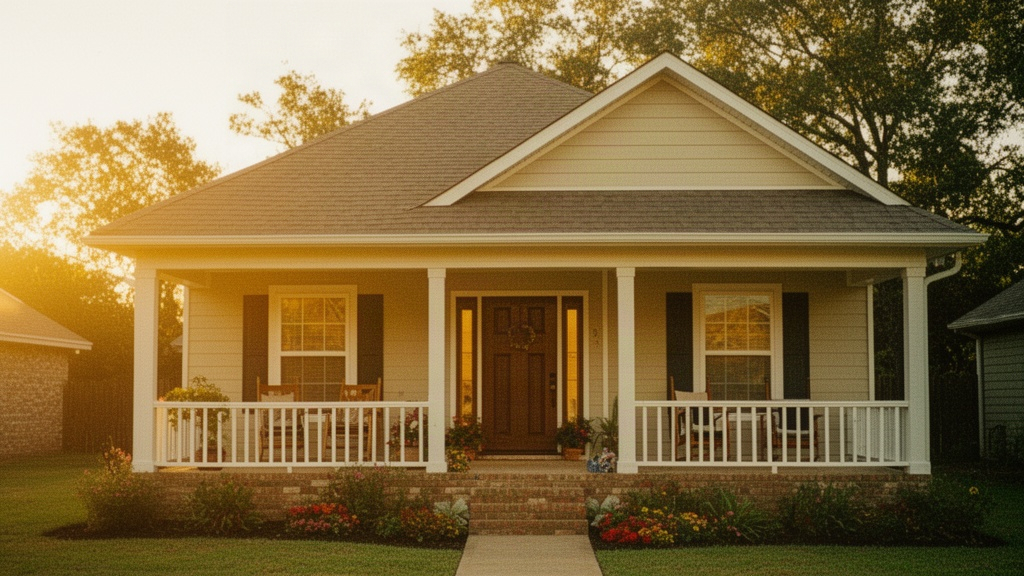
The Biltmore area is not a single subdivision; it is a collection of distinct pockets. You will find original mid-century ranch homes from the 1950s and 1960s, many of them on generous lots of 8,000 to 12,000 square feet. There are also custom estates, luxury townhome communities, and high-rise condominiums that offer lock-and-leave living with resort-style amenities. The Optima Biltmore Towers on 24th Street is one of the more recognized condo developments in this corridor, with units typically ranging from around 1,200 to over 3,000 square feet.
Buyers interested in the neighboring Arcadia area, which shares some of the same mid-century character, can read more in our article on what it is actually like to live in the Arcadia neighborhood of Phoenix day to day.
Location and Commute Context
The Biltmore area sits about 6 miles northeast of downtown Phoenix, making it one of the closer-in established residential areas in the city. A drive to downtown via Camelback Road or the I-10 interchange at 24th Street typically runs 15 to 25 minutes during morning rush hour, depending on the specific destination. The area also has quick access to the SR-51 (Piestewa Freeway), which connects north toward Paradise Valley and Scottsdale. Sky Harbor International Airport is roughly 8 miles south, a 15 to 20 minute drive without significant traffic.
The nearest Valley Metro light rail stations are at 19th Avenue and Camelback, which is a few miles west of the Biltmore core. Most residents in this area drive, though the Biltmore Fashion Park, several grocery options including a Fry's Food Store on 24th Street, and numerous restaurants are walkable from many of the condo properties.
2. What Homes Actually Cost in the Biltmore Area Right Now
As of September 2026, the Biltmore area carries some of the higher price points in central Phoenix, though the range is wide depending on property type. Condos and townhomes start around $450,000 to $550,000 for smaller units, while single-family homes on interior lots generally begin in the mid-$700,000s.
Price Ranges by Property Type
- Condos and high-rise units: Approximately $450,000 to $1.2 million, depending on floor level, square footage, and building amenities. Older low-rise condo buildings can come in at the lower end of that range.
- Townhomes and patio homes: Roughly $550,000 to $900,000 for most attached product in gated Biltmore communities.
- Mid-century single-family homes: Updated ranch homes on standard lots typically list from the mid-$700,000s to around $1.4 million. Homes that retain original finishes without renovation sell at a discount to that range.
- Custom estates and larger lots: $1.5 million to $4 million or more for premium lots, newer custom builds, or extensively remodeled properties with pools and guest houses.
For broader Phoenix price context, our Phoenix real estate market guide covering prices, neighborhoods and timing breaks down how the Biltmore area compares to other parts of the city.
What Drives Prices Up or Down
Lot size and orientation matter enormously in this area. A south-facing home with a north-facing backyard commands a premium because it keeps the pool and outdoor living space shaded during Phoenix's intense summer afternoons. Homes directly adjacent to the Arizona Biltmore Resort golf courses, particularly the Adobe Course and the Links Course, also carry a premium for the open green space and views.
Renovation quality is another major price driver. A 1960s ranch home with a full gut renovation, updated electrical and plumbing, a new roof, and a redesigned kitchen can sell for 30 to 50 percent more than a comparable unrenovated home on the same street. Buyers purchasing unrenovated homes should budget renovation costs carefully before making an offer.
It is also worth noting that Phoenix broadly has seen increased price reduction activity in 2026. HousingWire has reported on the trend of more Phoenix homes receiving price cuts, which creates negotiating room for buyers who are patient and well-prepared. The Biltmore area is not immune to this dynamic, particularly for properties that are overpriced relative to their condition.
3. The Full Home Buying Process in the Biltmore Area, Step by Step
Buying a home in the Biltmore area of Phoenix follows the same legal framework as any Arizona purchase, but the specifics of this market, including competitive pricing, HOA-heavy communities, and older housing stock, mean each phase has its own considerations.
Getting Pre-Approved and Setting Your Budget
Start with a lender, not a listing search. Sellers in the Biltmore area, especially in the over-$1 million segment, expect to see a pre-approval letter or proof of funds before accepting a showing request on occupied homes. A conventional loan pre-approval typically takes 3 to 7 business days if your documentation is in order: two years of tax returns, recent pay stubs, two months of bank statements, and your most recent W-2s.
For purchases above the conforming loan limit, which sits at $806,500 in Maricopa County as of 2026, you will need a jumbo loan. Jumbo products typically require a credit score of 720 or higher, a debt-to-income ratio below 43 percent, and reserves of 12 months of mortgage payments in liquid assets. Shop at least two to three lenders before committing.
Searching, Touring, and Making an Offer
The Biltmore area has a relatively limited inventory at any given time. In a typical month in September 2026, you might see 30 to 60 active listings across all property types in the immediate Biltmore corridor. That means setting up automated alerts the moment a new listing hits the MLS is important, particularly for buyers targeting a specific price range or property type.
When you find a home to offer on, your agent will pull comparable sales from the past 90 days to determine a defensible offer price. In September 2026, the market in this price range is more balanced than it was in 2021 and 2022, meaning you have more room to negotiate on price, closing cost contributions, and repair credits than buyers did a few years ago. Still, well-priced, well-maintained homes in the Biltmore area do not sit for long.
Arizona uses the Arizona Association of Realtors Residential Resale Real Estate Purchase Contract, a standardized form. Your agent will guide you through the contingencies, including the inspection period (typically 10 days), the appraisal contingency, and the loan contingency. Earnest money in the Biltmore area commonly runs 1 to 3 percent of the purchase price, which on a $900,000 home means $9,000 to $27,000 deposited within 1 business day of contract acceptance.
Under Contract: Inspections, Appraisal, and Loan Finalization
The inspection phase is especially important for older Biltmore-area homes. A home built in 1962 may have original cast-iron drain lines, aluminum wiring in parts of the house, or a flat roof section that is approaching the end of its useful life. A general home inspection runs $400 to $600 for a typical single-family home in this price range. For older properties, budget an additional $150 to $300 for a sewer scope, and consider a separate roof inspection if the home has a flat or built-up roof.
After inspections, your lender orders an appraisal. In the jumbo segment, some lenders require two independent appraisals. The appraisal process takes 1 to 2 weeks. If the appraisal comes in below the purchase price and you have an appraisal contingency, you can renegotiate the price, make up the difference in cash, or walk away with your earnest money returned.
Loan finalization, also called underwriting, runs concurrently with the inspection period and typically takes 2 to 3 weeks for conventional loans and 3 to 4 weeks for jumbo products. You will receive a Closing Disclosure at least 3 business days before closing, which itemizes every cost.
Closing Day
Arizona is an escrow state, so closing happens at a title company rather than in a lawyer's office. You will wire your remaining down payment and closing costs to the title company before or on closing day. The signing appointment takes 45 to 90 minutes. Once the lender funds the loan and the deed records with Maricopa County, the home is yours. Recording typically happens the same day or the next business day after signing.
4. The True Costs of Buying in the Biltmore Area
The purchase price is only one part of what you will spend. Buyers in the Biltmore area should plan for several layers of costs, from the initial deposit through ongoing monthly ownership expenses.
Upfront and Closing Costs
- Down payment: Conventional loans typically require 5 to 20 percent down. Jumbo loans often require 20 to 30 percent. On an $850,000 home, a 20 percent down payment is $170,000.
- Lender fees and origination: Expect 0.5 to 1 percent of the loan amount, or roughly $3,400 to $6,800 on a $680,000 loan.
- Title insurance (owner's policy): In Arizona, the seller typically pays for the owner's title policy, but this is negotiable. The lender's title policy, which the buyer pays, runs approximately $500 to $900 depending on the loan amount.
- Escrow and title fees: Title company escrow fees are typically split between buyer and seller and run $1,500 to $2,500 per side on a transaction in this price range.
- Prepaid items: Homeowner's insurance premium (first year paid upfront), prepaid mortgage interest, and the initial deposit into your escrow impound account for property taxes and insurance. Budget $4,000 to $8,000 for prepaids on a typical Biltmore-area purchase.
- Home inspection and related reports: $500 to $1,000 total, paid out of pocket before closing.
- Total closing costs (excluding down payment): Typically 2 to 4 percent of the purchase price. On a $900,000 home, that is $18,000 to $36,000 in closing costs.
For a detailed breakdown of what buyers pay at the closing table across Phoenix, our article on typical closing costs for a home buyer in Phoenix Arizona this year covers every line item in plain language.
Ongoing Ownership Costs
Property taxes in Maricopa County are assessed at 10 percent of the full cash value for owner-occupied residential properties. On a home with a county-assessed full cash value of $850,000, the assessed value used for tax calculation is $85,000. Tax rates in the 85016 and 85018 zip codes run approximately $11 to $13 per $100 of assessed value, meaning an annual tax bill of roughly $9,350 to $11,050 on that same home. Our article on how property taxes are calculated in Phoenix, Arizona explains the full formula.
HOA fees vary significantly depending on which community you buy into. Condo buildings like Optima Biltmore Towers carry monthly HOA fees in the range of $600 to $1,100 per month, covering building maintenance, amenities, and exterior insurance. Gated townhome communities in the Biltmore corridor typically charge $300 to $600 per month. Single-family homes in this area may have no HOA, a small neighborhood association fee of $50 to $200 per year, or a mid-range HOA if the home is within a planned community.
Homeowner's insurance in Phoenix runs higher than the national average due to monsoon season wind and hail exposure, as well as the age of some of the housing stock. Budget $2,000 to $4,500 per year for a single-family home in this price range. Pool maintenance, which is common in this area, adds $150 to $250 per month for a professional service. The NAR has a useful overview of the true cost of owning a home that helps buyers plan beyond the mortgage payment.
5. Realistic Timeline for Buying a Home in the Biltmore Area
From starting your lender search to receiving keys, most buyers in the Biltmore area should plan for 60 to 120 days total. The range is wide because the search phase is unpredictable: some buyers find the right home in two weeks, others take four months.
How Long Each Phase Takes
- Pre-approval: 3 to 7 business days for a conventional loan; up to 2 weeks for a jumbo product if additional documentation is needed.
- Active home search: 2 weeks to 4 months, depending on inventory and how specific your criteria are. The Biltmore area has limited supply, so patience is often required.
- Offer to contract acceptance: 1 to 5 days in most cases, though back-and-forth negotiations can extend this.
- Inspection period: 10 days is standard in Arizona contracts. Inspection scheduling, report delivery, and negotiation of any repair requests or credits typically fill this window.
- Appraisal: 1 to 2 weeks from order to report delivery. Jumbo appraisals requiring two reports can take up to 3 weeks.
- Underwriting and loan approval: 2 to 4 weeks. Conventional loans clear faster; jumbo loans take longer. Conditional approvals requiring additional documentation can add time.
- Closing: 30 to 45 days from contract acceptance is the most common closing window in this market. Cash buyers can close in as few as 10 to 14 days.
What Can Speed Up or Slow Down Your Timeline
Having your financial documentation fully organized before you start the pre-approval process is the single biggest time-saver. Buyers who have to chase down old tax returns or explain large deposits in their bank accounts add days or weeks to the underwriting phase. Self-employed buyers or those with complex income structures, such as multiple rental properties or investment income, should start the pre-approval process 30 to 60 days before they want to begin touring homes.
On the property side, title issues on older Biltmore-area homes can surface during the title search and require time to resolve. Homes with multiple prior owners, old liens, or easement questions may need 1 to 3 additional weeks for the title company to clear the chain of title. Your agent should flag any properties with known title complexity before you make an offer.
For buyers also comparing the Biltmore area to other established Phoenix markets, our guides on buying a home in Tempe, Arizona and the Scottsdale real estate market provide useful side-by-side context on process and pricing across the metro.
FAQ
Is the Biltmore area in Phoenix a good market for buyers right now in September 2026?
The Biltmore area in September 2026 offers more negotiating room than buyers had during the peak 2021 to 2022 market, with more listings sitting longer and sellers more willing to contribute to closing costs or accept inspection repair requests. That said, inventory remains limited compared to higher-volume Phoenix submarkets, so well-priced homes in good condition still move relatively quickly. Buyers who are pre-approved, have a clear sense of their criteria, and work with an agent who knows the area's specific micro-pockets will be best positioned. The market rewards preparation more than speed.
Are there HOA communities in the Biltmore area, and what do fees typically look like?
Many properties in the Biltmore area do fall within HOA communities, particularly condos, high-rises, and gated townhome developments. Monthly fees for condo buildings can range from $600 to $1,100 per month, while gated townhome communities typically run $300 to $600 per month. Some single-family homes in the area have no HOA at all, while others fall under a small neighborhood association with minimal annual dues. Before making an offer, your agent should pull the HOA documents, including the CC&Rs, current budget, reserve fund status, and any pending special assessments, so you understand the full financial picture of the community.
What should buyers know about older homes in the Biltmore area before making an offer?
Many of the single-family homes in the Biltmore area were built between the 1950s and 1970s, which means buyers need to budget for potential deferred maintenance and system upgrades. Common issues in homes of this era include aging electrical panels, original cast-iron or galvanized steel plumbing, flat or built-up roof sections, and HVAC systems that may be past their useful life. A thorough general home inspection is essential, and a sewer scope is strongly recommended for any home older than 40 years. The good news is that many Biltmore-area homes have already been updated by prior owners, so reviewing permit history through the City of Phoenix can reveal what work has been done and whether it was permitted properly.